5 Phases of the Project Life Cycle: How Agile & Waterfall Teams Approach Each Stage
Explore the 5 phases of the project life cycle and learn how Agile and Waterfall teams approach each stage. Discover how TaskFord can optimize your project management process.
Every project follows a journey, from the initial idea to its final delivery. This journey is broken down into five key phases that help guide the project to successful completion. How teams approach these phases can vary, especially depending on the methodology they use—Agile or Waterfall.
In this blog, we’ll take a closer look at the five phases of the project life cycle and explore how Agile and Waterfall teams approach each stage. This will give you a better understanding of how these methodologies shape project execution and which might be more suited to your project’s needs.
What Is the Project Life Cycle?
The project life cycle is the process a project goes through from start to finish. It includes all the steps needed to complete the project, from planning to finishing the work. It helps make sure everything is done in the right order and that the project stays on track.
Overview of the Project Life Cycle in Project Management
The project life cycle is a simple way to organize a project from start to finish. It breaks the project into clear phases, helping teams manage tasks, resources, budgets, and timelines. This makes it easier to track progress and stay on target.
Each phase builds on the one before, allowing project managers to make adjustments as needed. While the main phases—Initiation, Planning, Execution, Monitoring and Controlling, and Closure—are the same in most projects, teams may handle them differently depending on their approach.
These stages help standardize how projects are delivered, set clear milestones, and ensure accountability. In fact, a study published in the International Journal of Project Management highlights that structured life cycle models significantly contribute to project success by promoting clearer communication, better resource utilization, and improved risk mitigation across teams (Turner, J. R. (2016),International Journal of Project Management). This evidence underscores the life cycle’s role not just as a theoretical model but as a practical tool for delivering results.
Who Manages the Project Life Cycle?
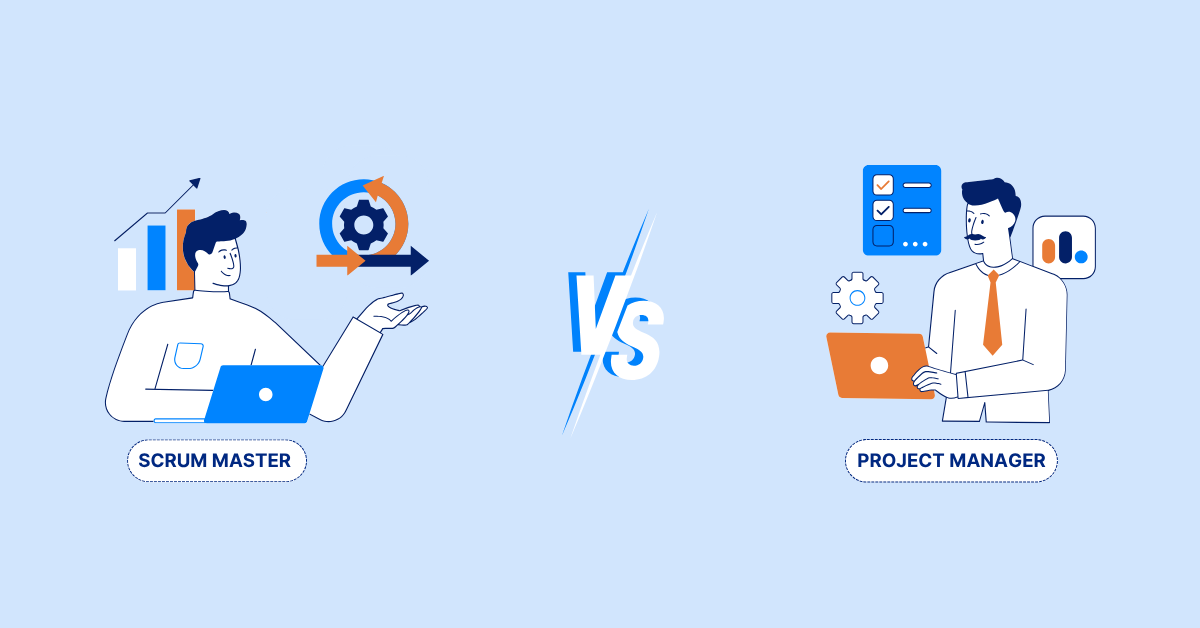
The responsibility typically falls to a Scrum Master vs Project Manager, depending on the methodology. These professionals guide the team through each phase, making informed decisions, coordinating stakeholders, and adapting as challenges arise. Their role demands a deep understanding of both technical execution and interpersonal communication to keep projects aligned with business goals.
- In Agile frameworks, scrum masters facilitate daily standups and sprint reviews.
- In Waterfall environments, project managers focus on tracking progress against set milestones and deliverables.
The 5 Phases of the Project Life Cycle
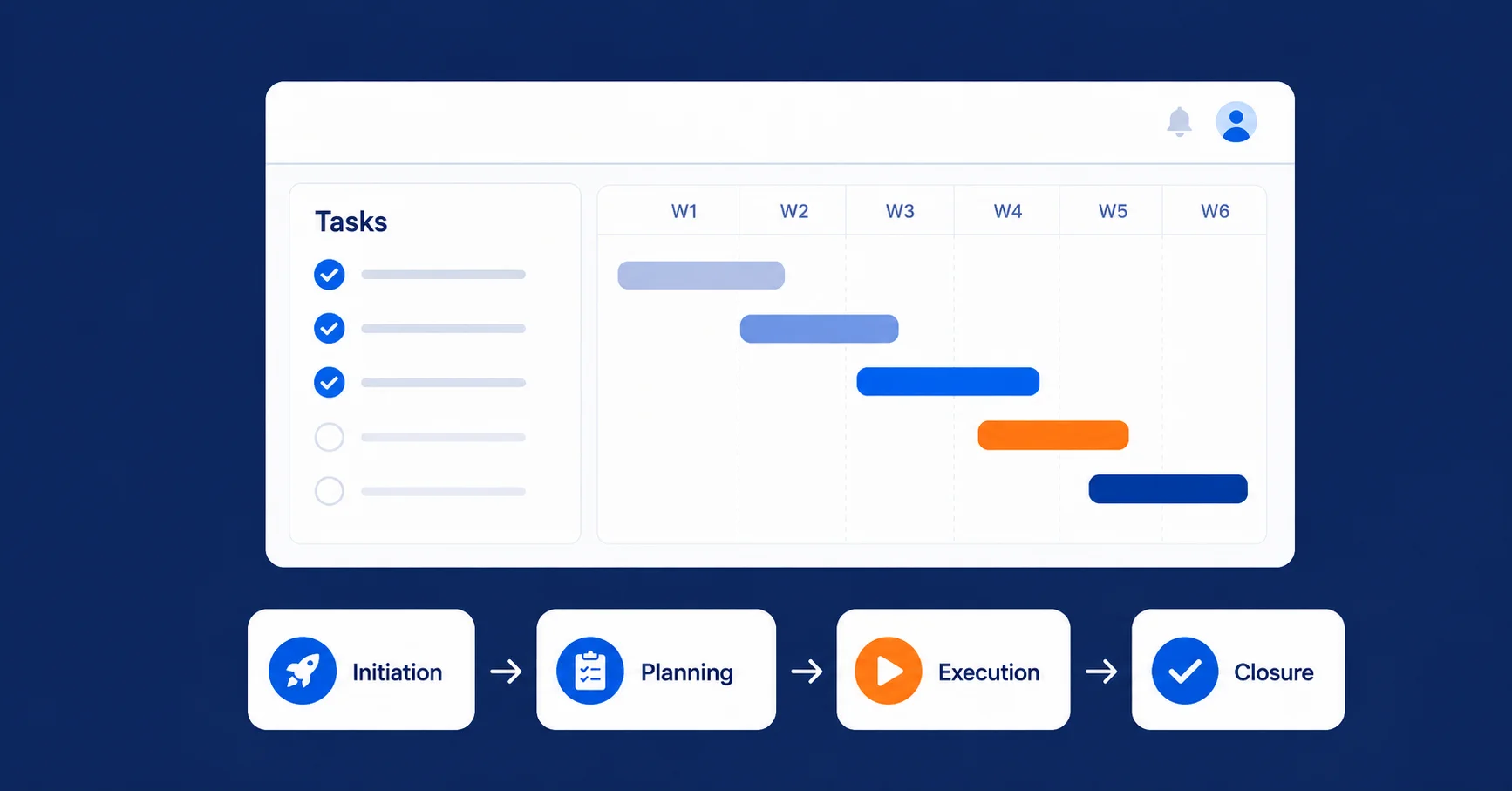
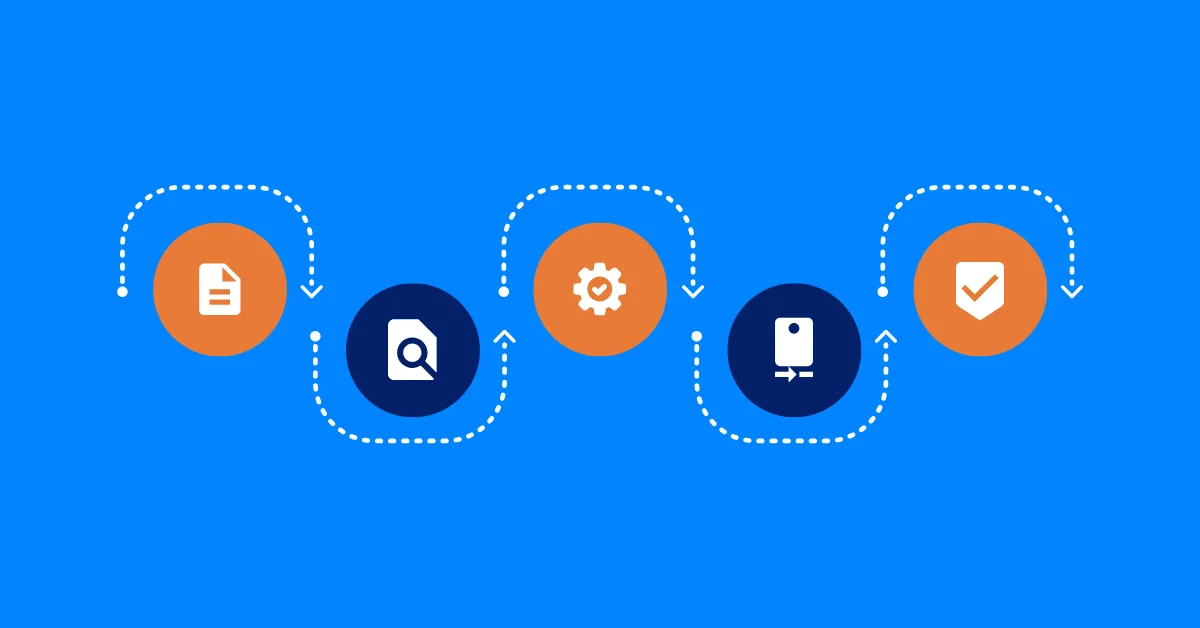
The following five phases represent a structured approach to managing any project from beginning to end. These phases help teams maintain focus, align on objectives, and measure success at every milestone.
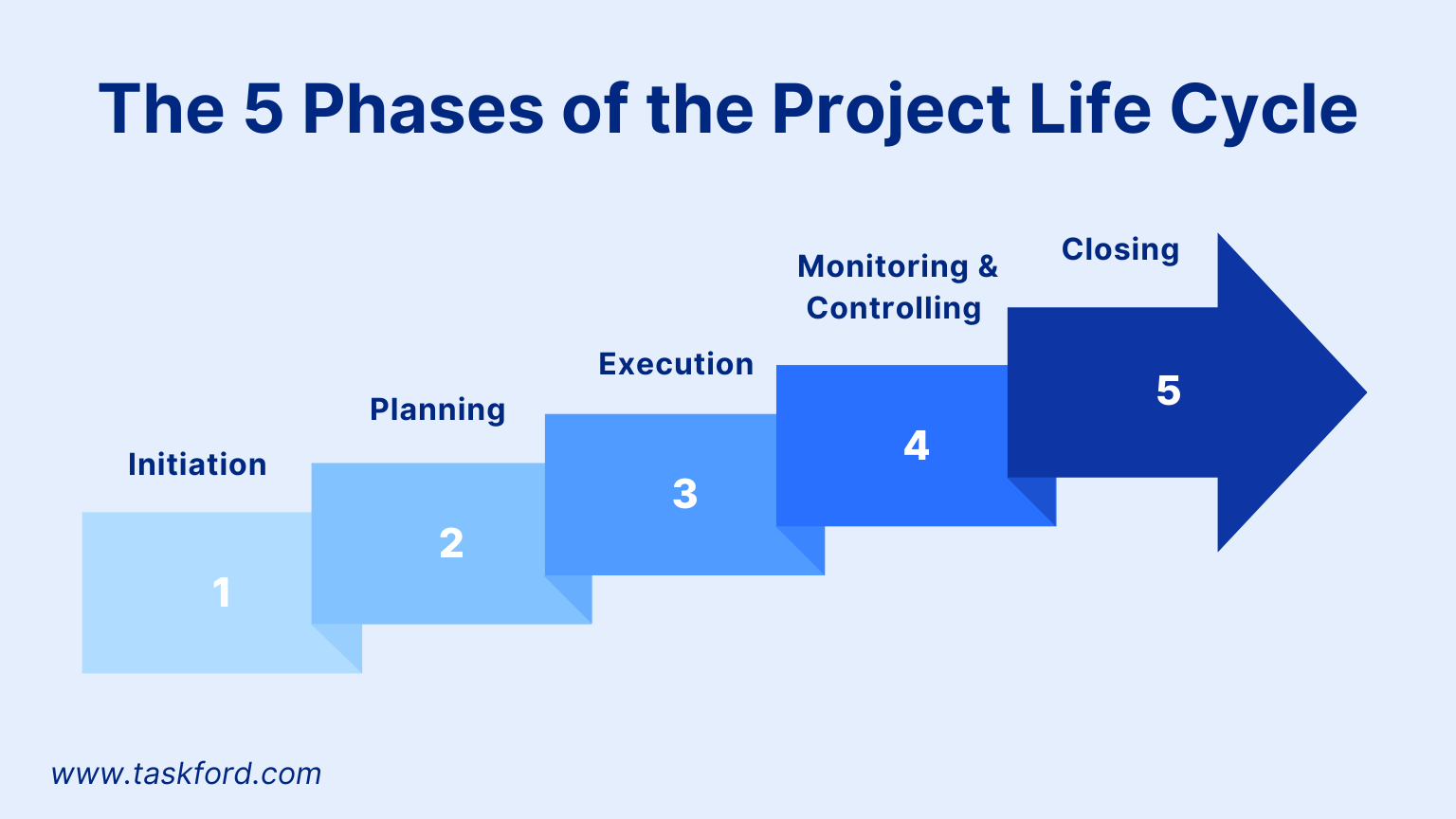
1. Project Initiation Phase
This is the starting point where the project is defined. The project’s purpose, goals, scope, and key stakeholders are identified. A project charter is usually created during this phase to outline the overall vision and objectives.
Example: A company plans to launch a mobile e-commerce app. In the initiation phase, the team defines the app’s purpose, target audience, and key features like search, shopping cart, and payment options. They conduct a market analysis and create a project charter with goals, timeline, and budget, which is presented to leadership for approval.
2. Project Planning Phase
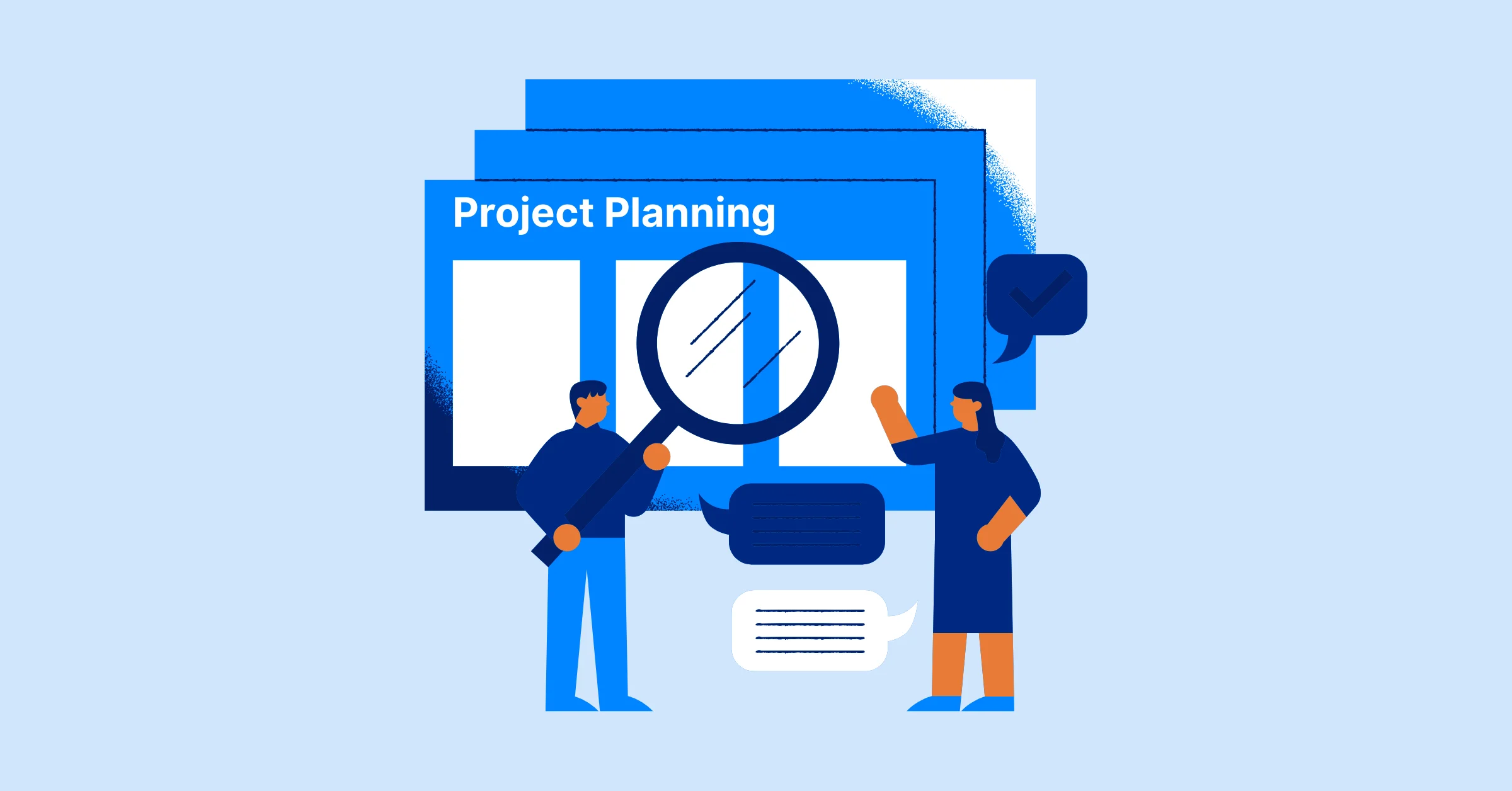
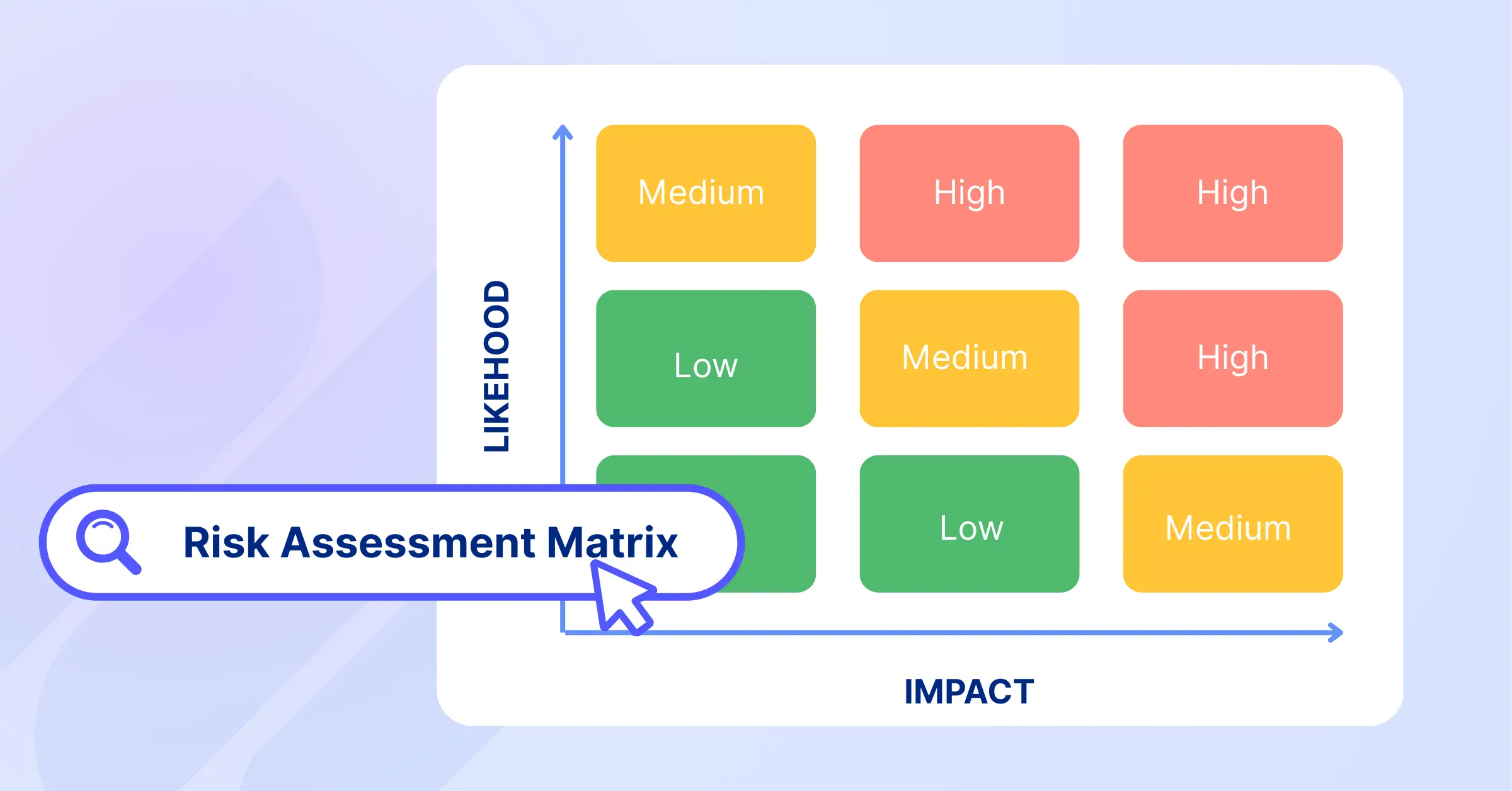
Once the project is approved, the planning phase kicks off. It involves breaking down the project into tasks, setting timelines, assigning resources, and identifying potential risks. During this phase, a project manager creates a roadmap that outlines what needs to be done, when, and by whom. The goal is to ensure that everyone knows their responsibilities and the project stays on track.
Example: The team divides the work into tasks like design, development, testing, and marketing. They create a timeline with milestones and assign resources, including developers and designers. Risks, such as delays, are identified with plans to address them, and a communication plan is set to keep everyone informed.
3. Project Execution Phase
This is where the actual work begins. The project plan is put into action, tasks are completed, resources are used, and progress is monitored. Communication among team members and stakeholders is crucial to keep everything on track during this phase.
Example: In the execution phase, the development team builds the app, the design team works on the interface, and marketing prepares promotions. Regular meetings track progress, solve issues, and ensure the project stays on schedule. The app’s first version is developed, and internal testing starts.
4. Project Monitoring and Controlling Phase
Throughout the execution phase, the project manager monitors progress to ensure it’s on track. This includes tracking milestones, addressing issues, managing changes, and ensuring the project stays within scope, time, and budget.
Example: The project manager tracks the app’s progress, addresses delays, and adjusts resources as needed to stay on schedule and within budget. Regular updates are given to stakeholders.
5. Project Closing Phase
This is the final step where the project is completed and officially closed. It involves delivering the final product, completing any remaining tasks, and ensuring all objectives have been met. This phase also includes finalizing documentation, conducting a project review, and gathering feedback to identify lessons learned for future projects.
Example: In the closing phase, the mobile e-commerce app is officially launched. The team finalizes documentation, conducts a review of the project, and gathers feedback from stakeholders. Any remaining tasks are completed, and the project is formally closed, with lessons learned for future projects.
How Agile & Waterfall Teams Approach Each Stage in the Project Life Cycle
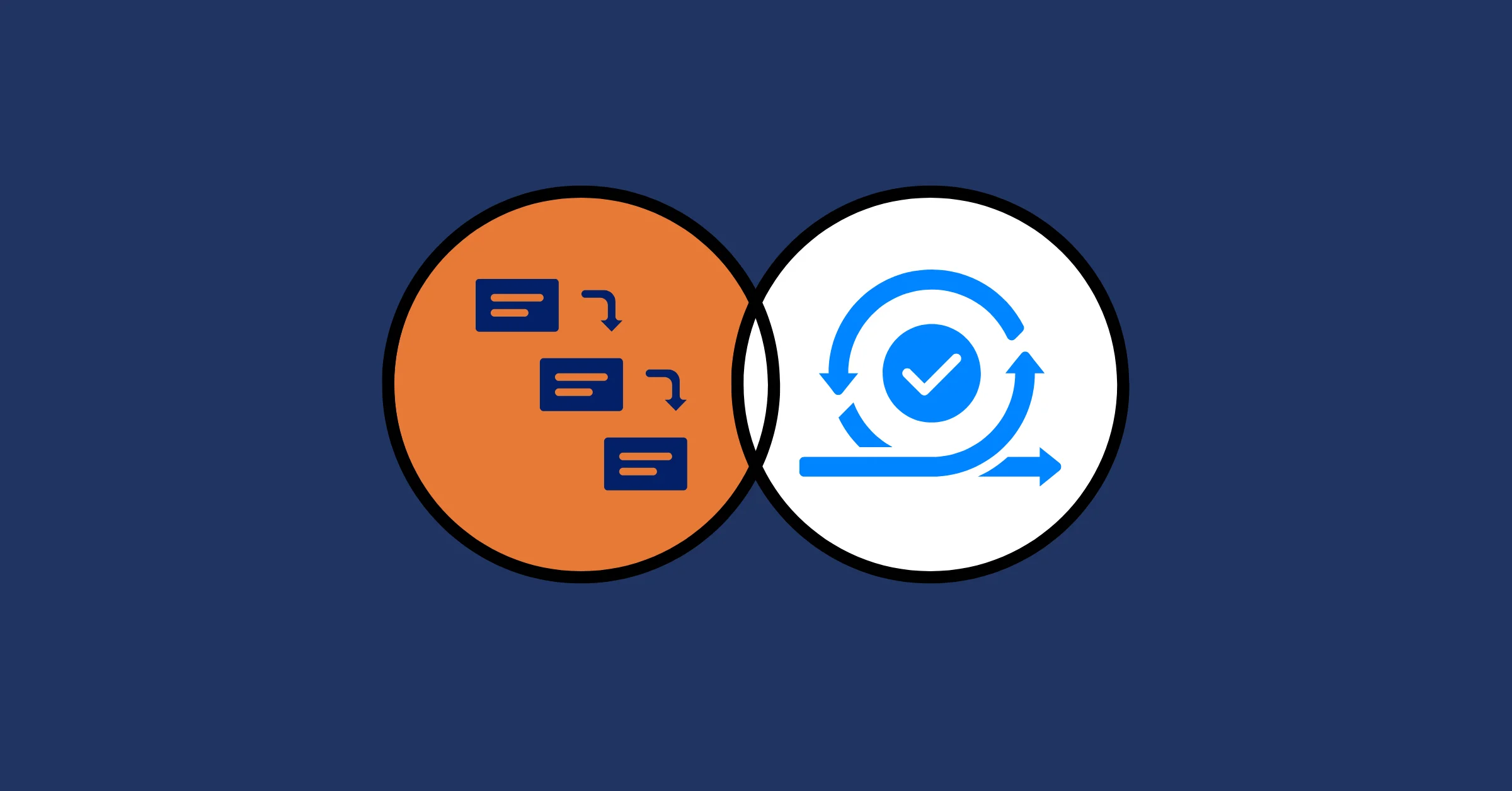
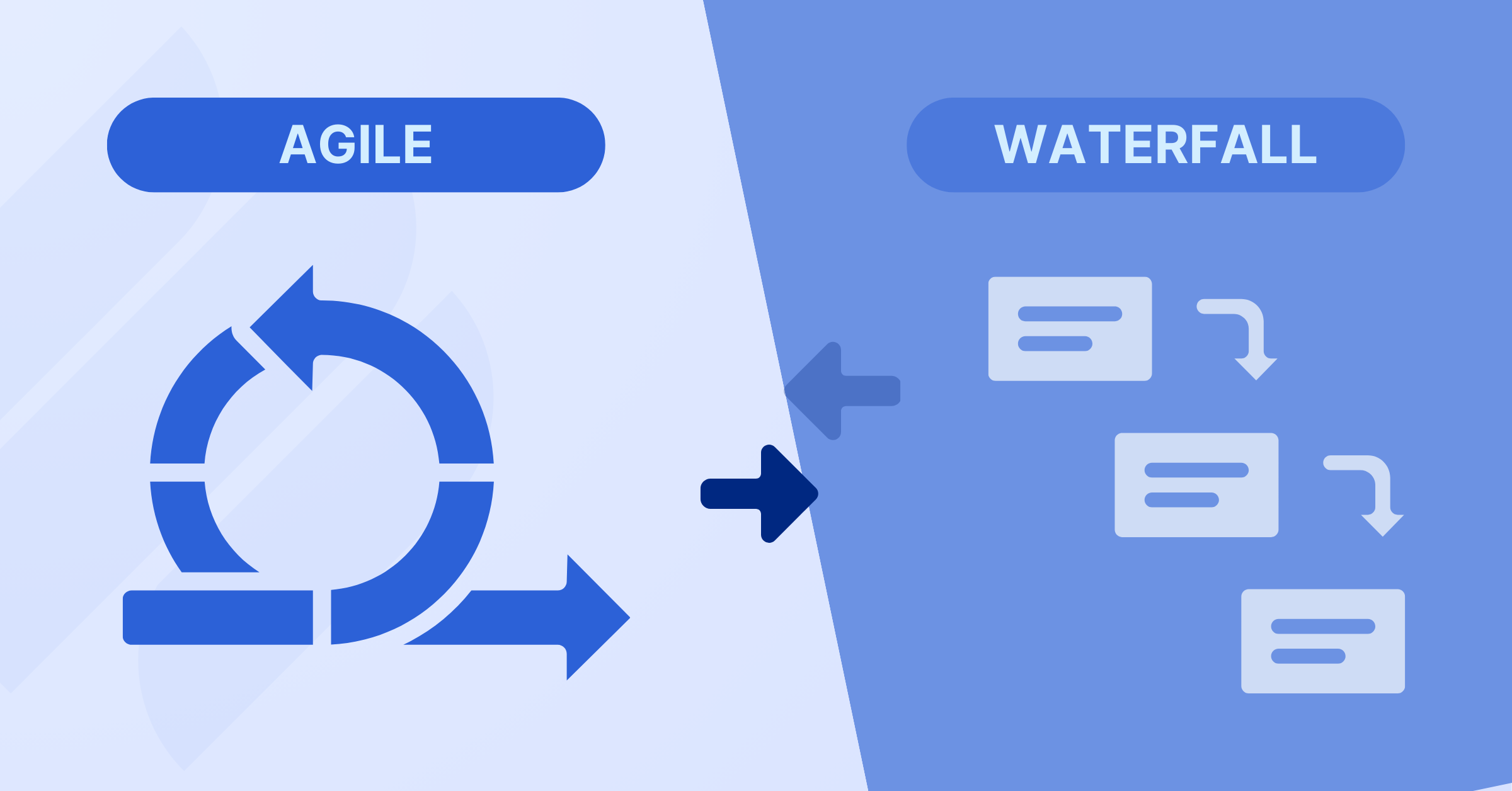
While both Agile and Waterfall follow the same core phases, their execution is vastly different. Explore more in this guide on Agile Project Management vs Waterfall to determine which method, or blend, suits your project needs.
| Project Life Cycle Phase | Agile Approach | Waterfall Approach |
|---|---|---|
| 1. Project Initiation | Agile teams initiate projects by defining a high-level vision and backlog. The focus is on flexibility and iterative planning. | Waterfall teams initiate projects by creating a comprehensive project charter with defined scope, budget, and timeline. |
| 2. Project Planning | Agile planning is iterative, with plans evolving throughout the project. Detailed planning happens in short bursts, often per sprint. | Waterfall teams create a comprehensive, detailed project plan upfront that outlines all phases, tasks, and deadlines. |
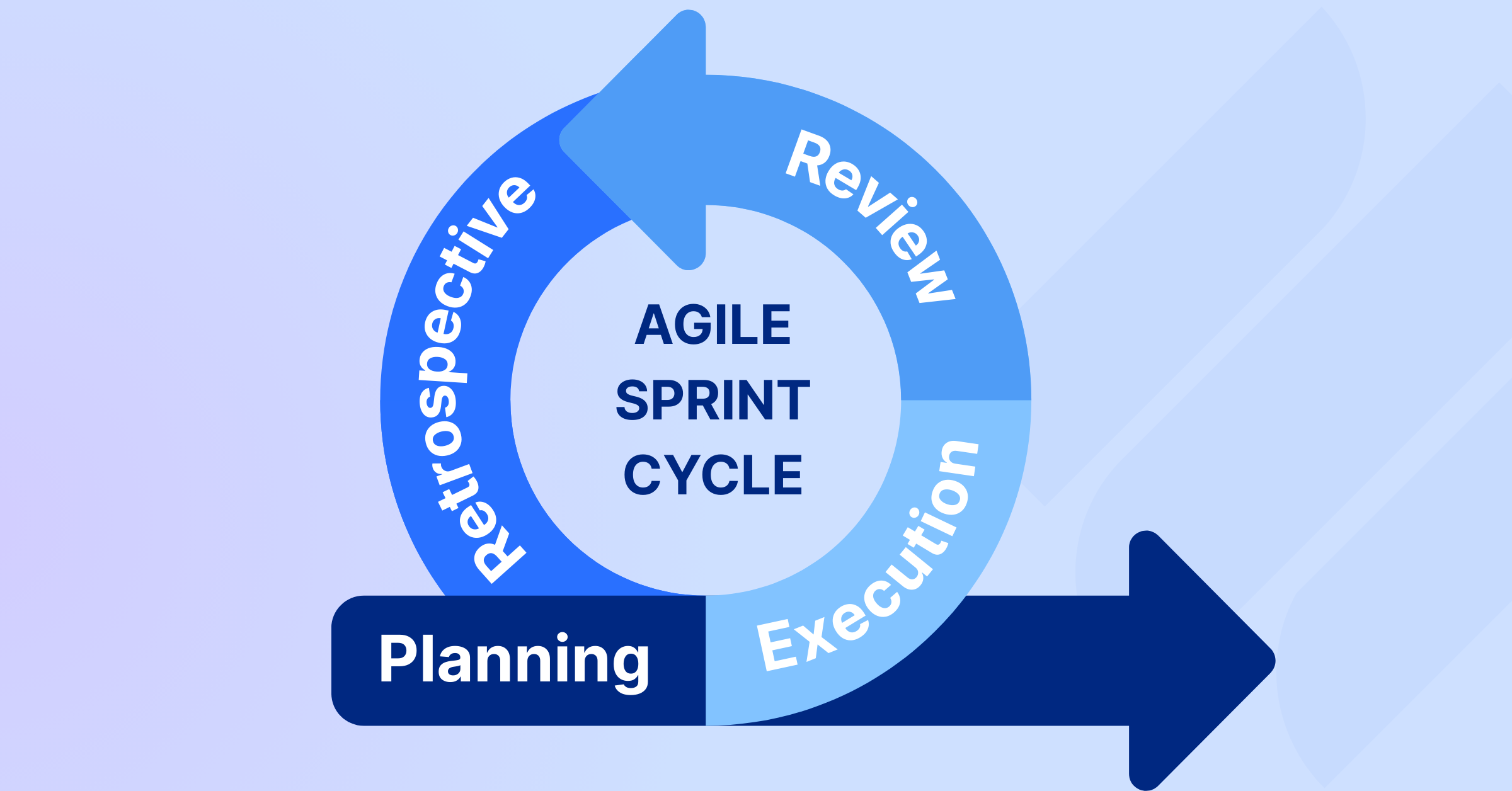
| 3. Project Execution | Execution happens in short cycles (sprints), with continuous development, testing, and feedback. Deliverables are produced incrementally. | Execution is linear and follows the structured phases as per the initial plan. Each phase is completed fully before moving to the next. |
| 4. Project Monitoring & Controlling | Continuous monitoring during each sprint, with regular feedback loops, retrospectives, and adaptation. The focus is on real-time adjustments. | Monitoring is done at predefined milestones and project reviews. Changes are more difficult to implement once a phase is completed. |
| 5. Project Closing | Agile teams close by delivering an increment of the project at the end of each sprint and gathering feedback for future cycles. | Waterfall teams close the project once all deliverables are completed and approved, with a final review and sign-off. |
How TaskFord Helps Manage the Project Life Cycle
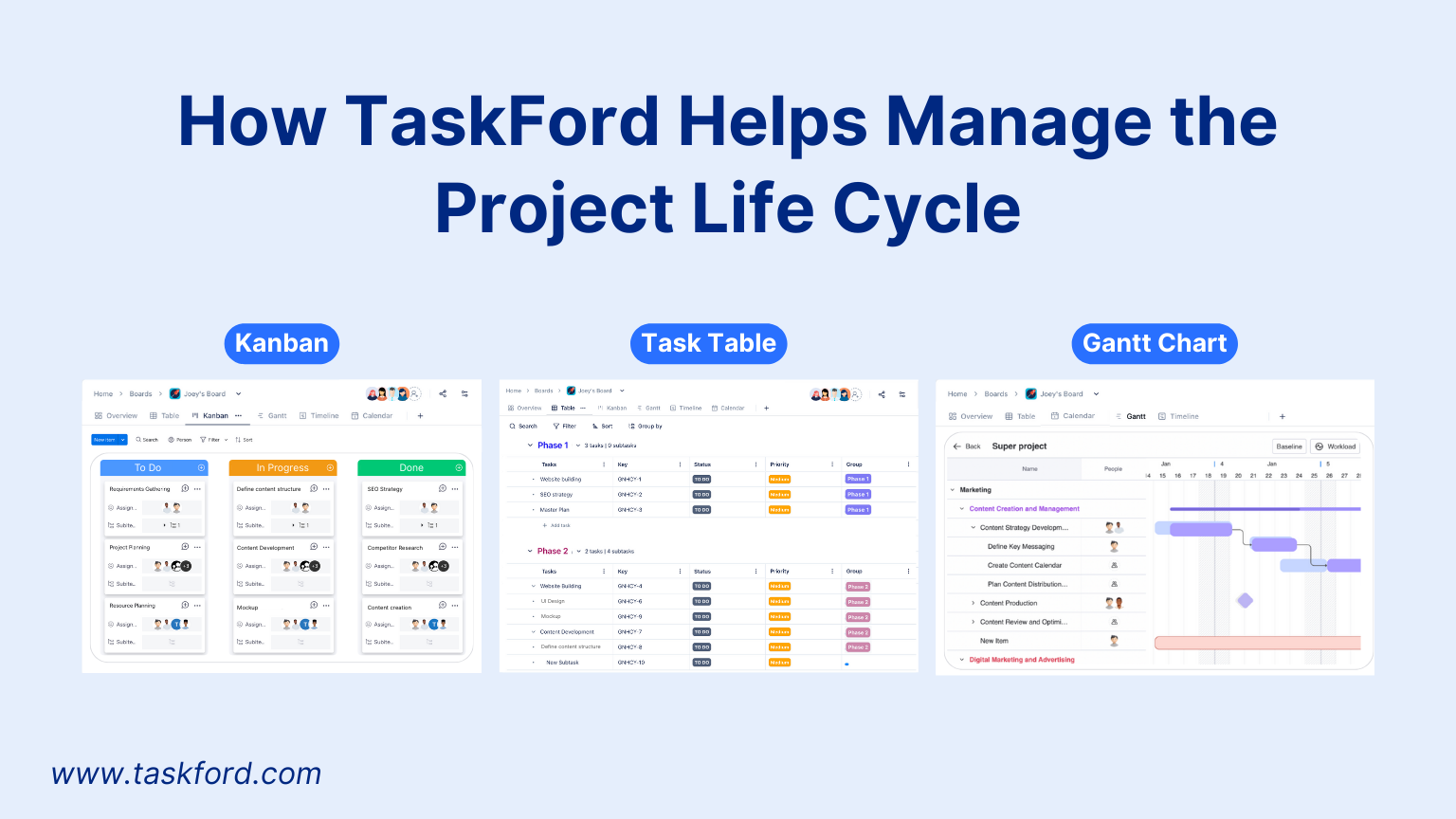
TaskFord is built to support teams at every stage of the project life cycle, whether you follow Agile, Waterfall, or a hybrid approach. Its flexible feature set allows project managers to tailor workflows based on project complexity, timeline, and team structure.
- For Agile project life cycle teams:
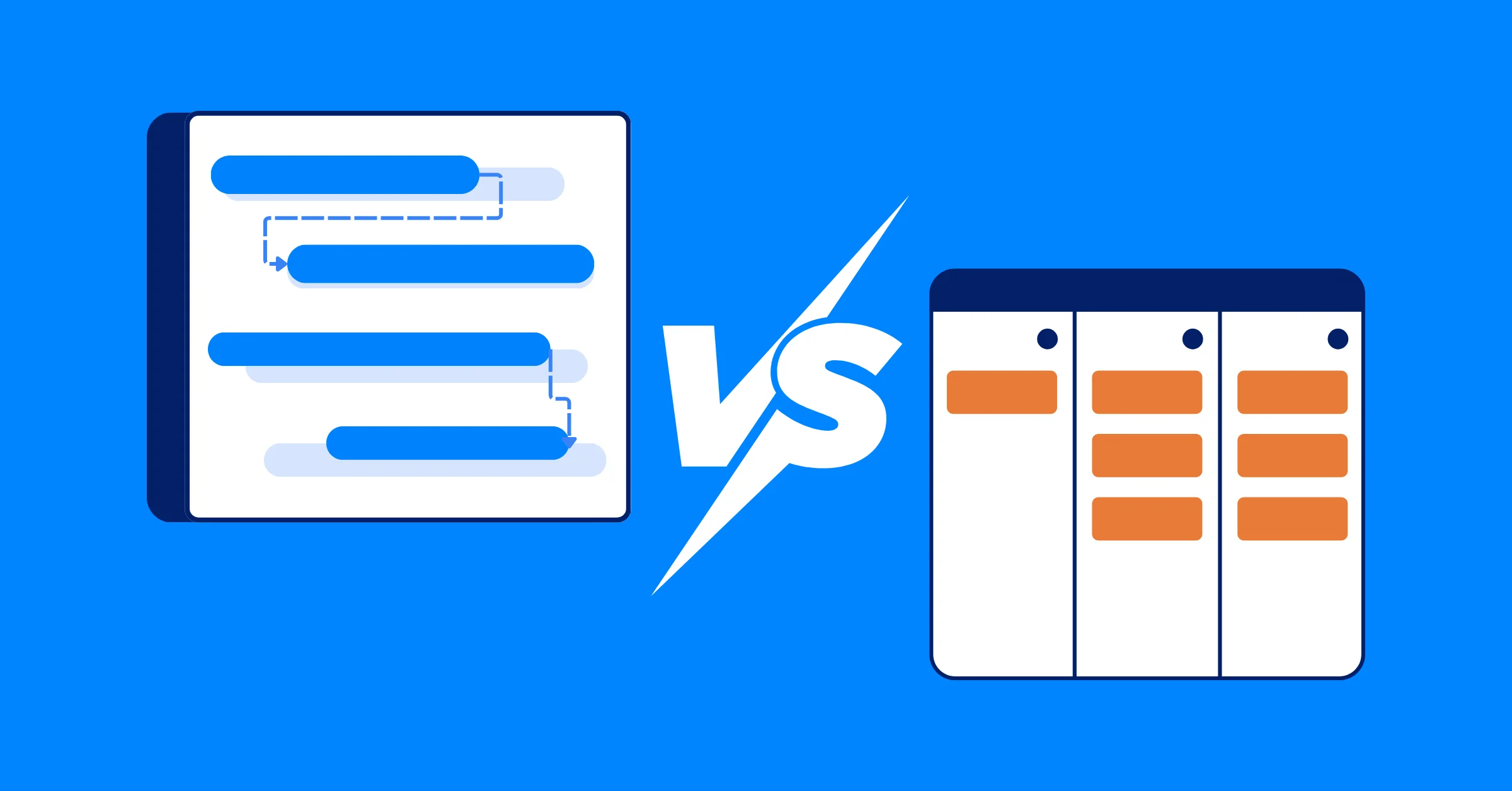
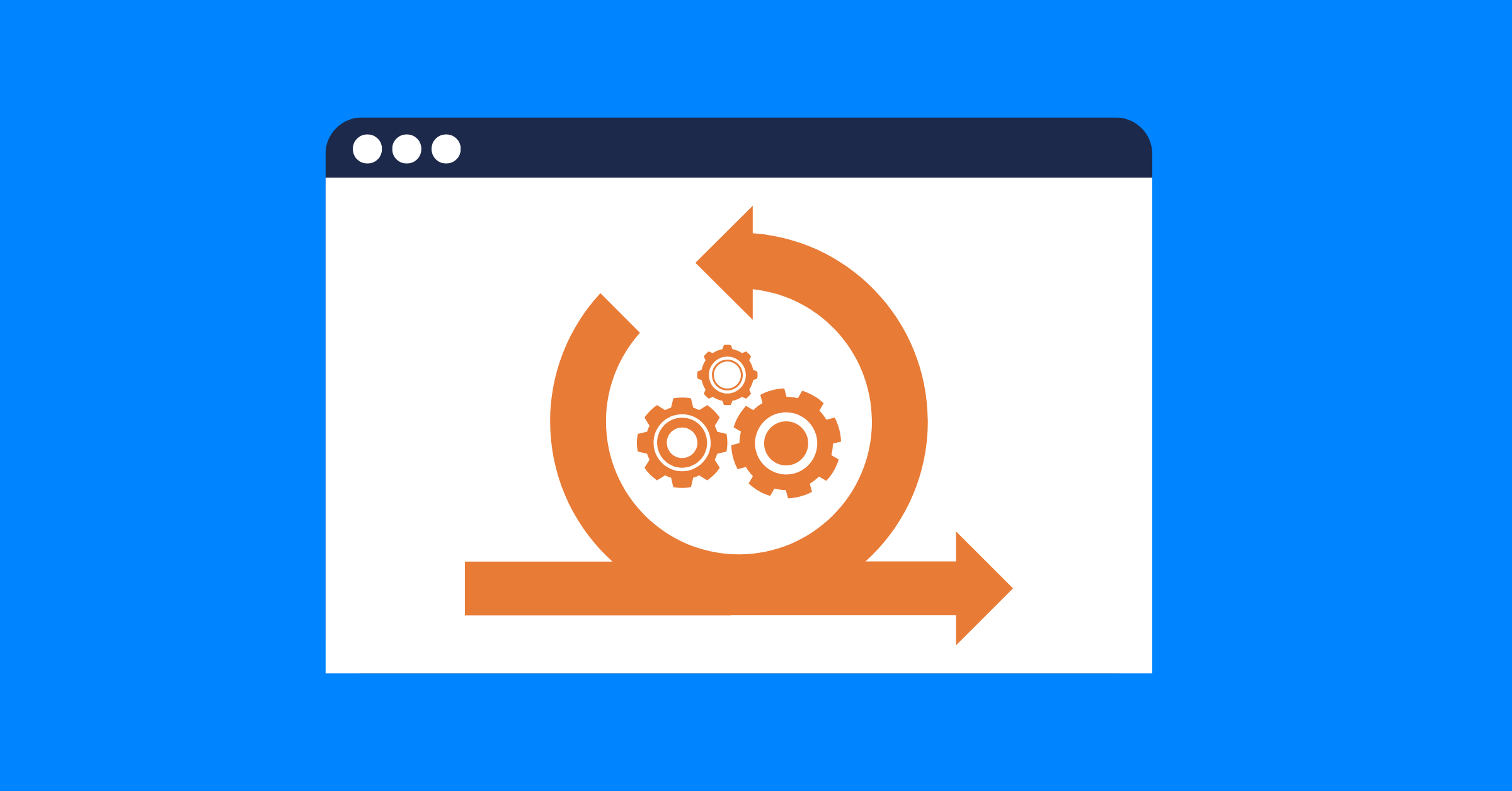
TaskFord offers dynamic Kanban boards, sprint backlogs, and real-time collaboration tools that make it easy to prioritize tasks, track progress, and adapt to change. Agile users can manage iterative delivery cycles with built-in retrospectives and velocity tracking to continuously improve performance.
- For teams practicing Waterfall project management:
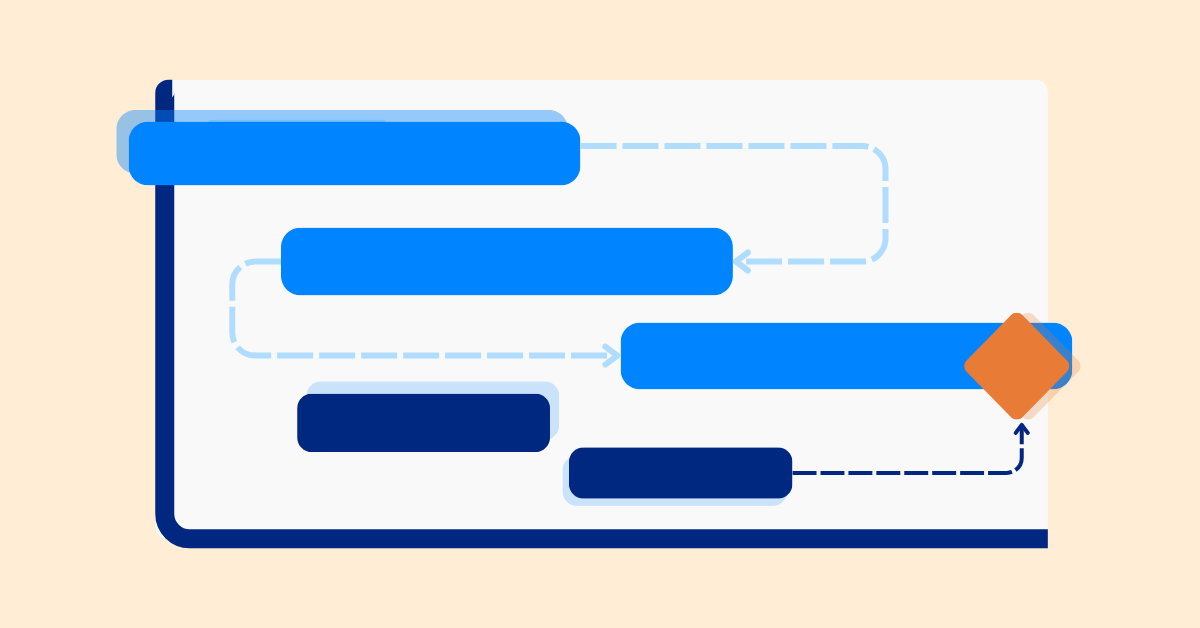
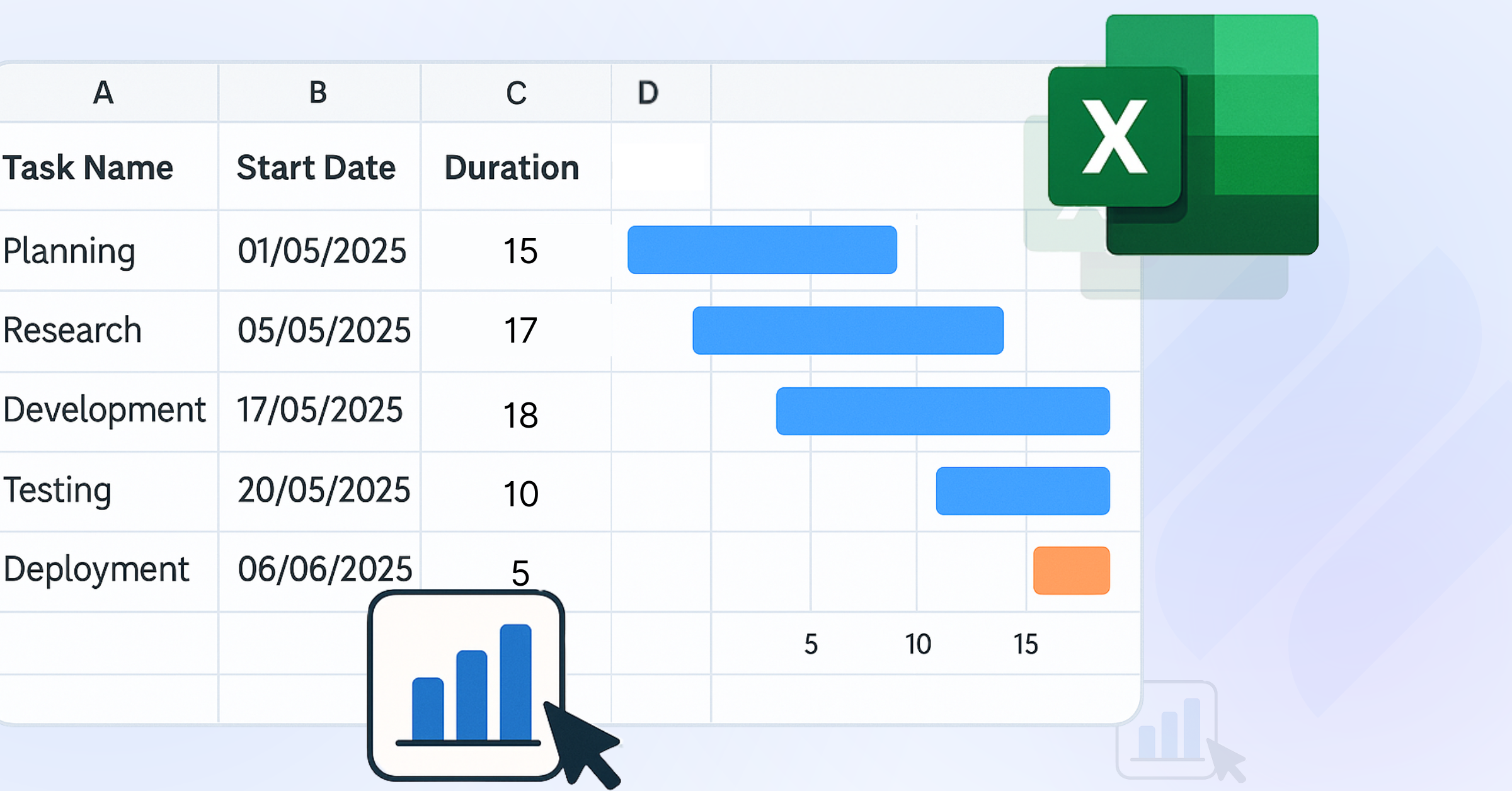
TaskFord provides robust Gantt charts, milestone tracking, and resource planning tools. These features ensure linear progress with clear dependencies, scheduled deadlines, and full visibility into each phase, from initiation to closure.
- Need the best of both worlds?
TaskFord supports hybrid project management through customizable templates that combine iterative workflows with fixed planning. Whether you’re running a traditional rollout with Agile development cycles or managing complex programs with parallel streams, TaskFord gives you the flexibility to choose what works best.
How to Use TaskFord Across Project Life Cycle
Initiation
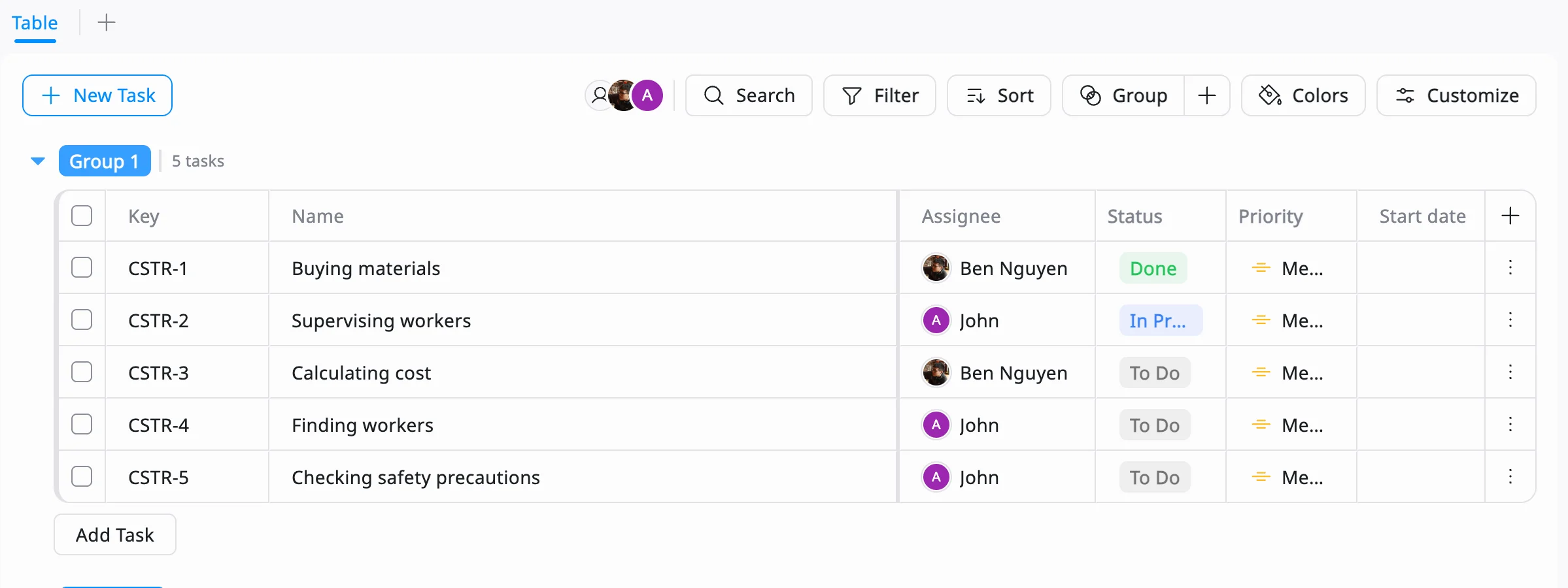
TaskFord uses the Table View to help teams quickly set up projects by creating and organizing initial tasks. This structured layout makes it easy to define scope, assign responsibilities, and establish a clear starting point for the project.
Planning
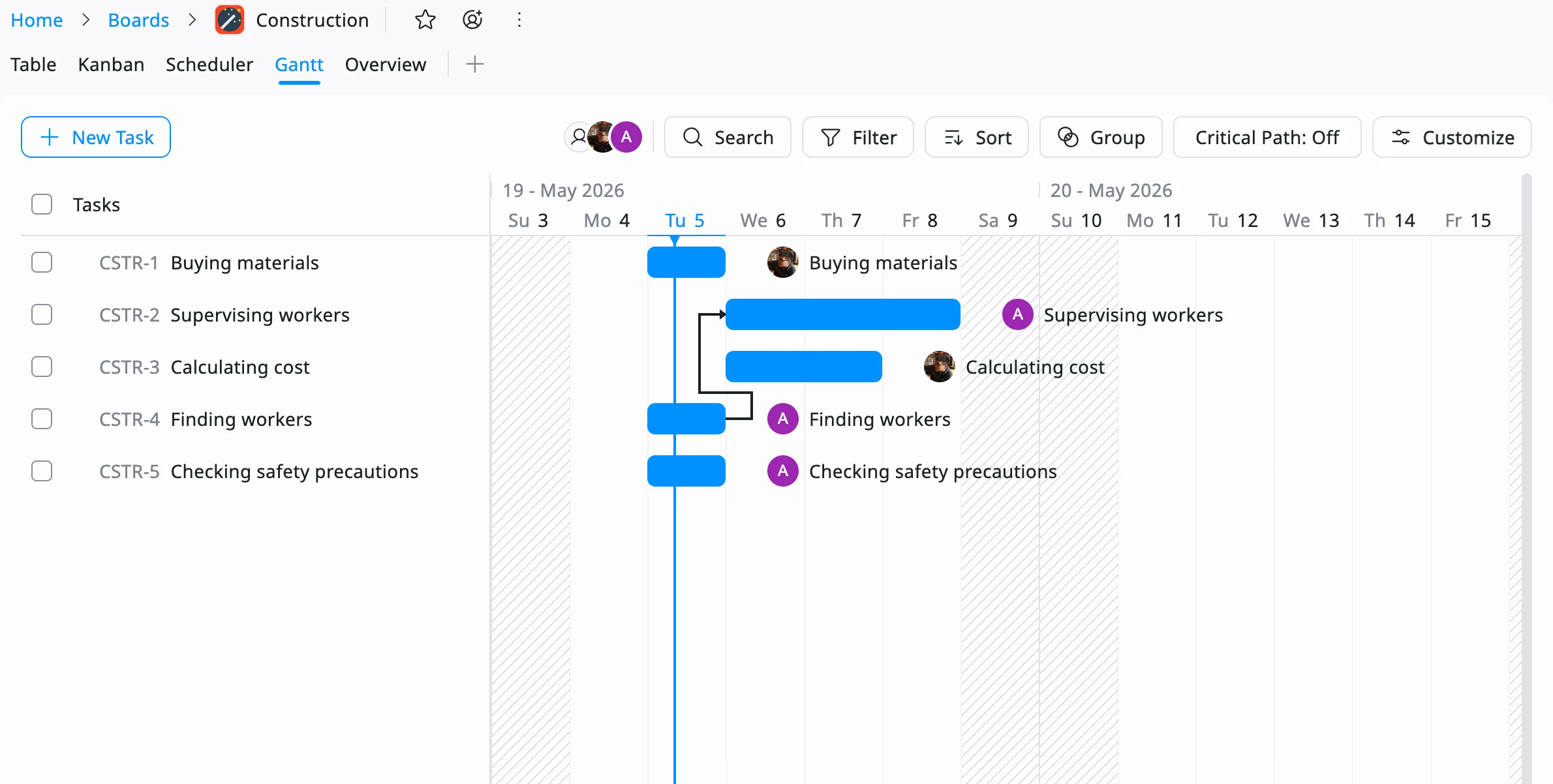
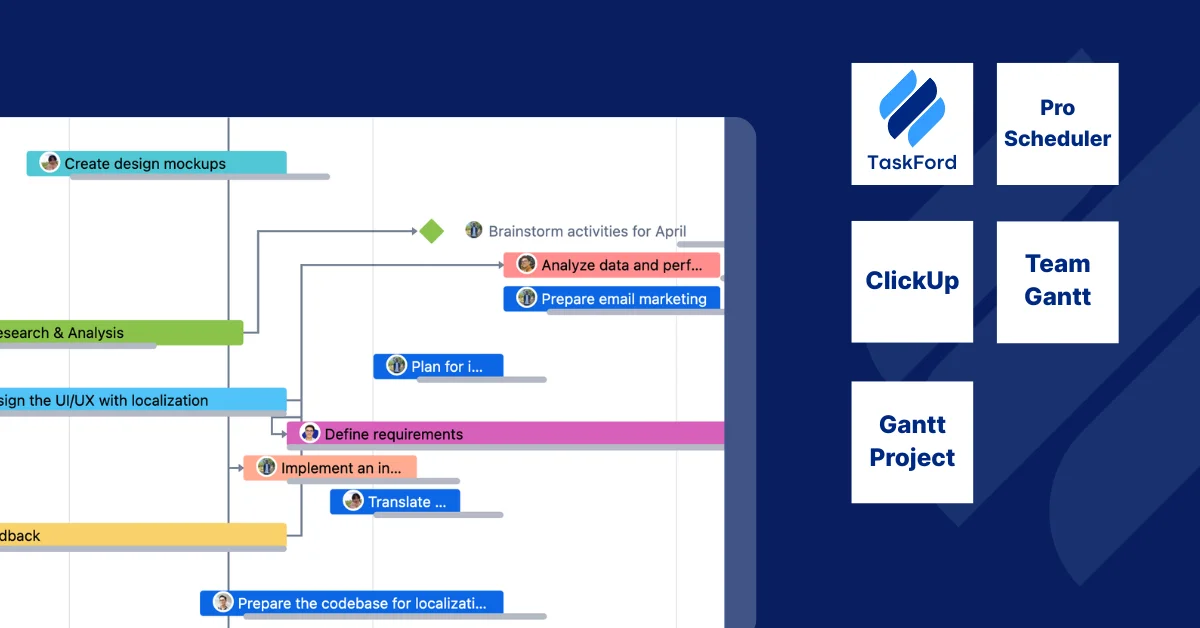
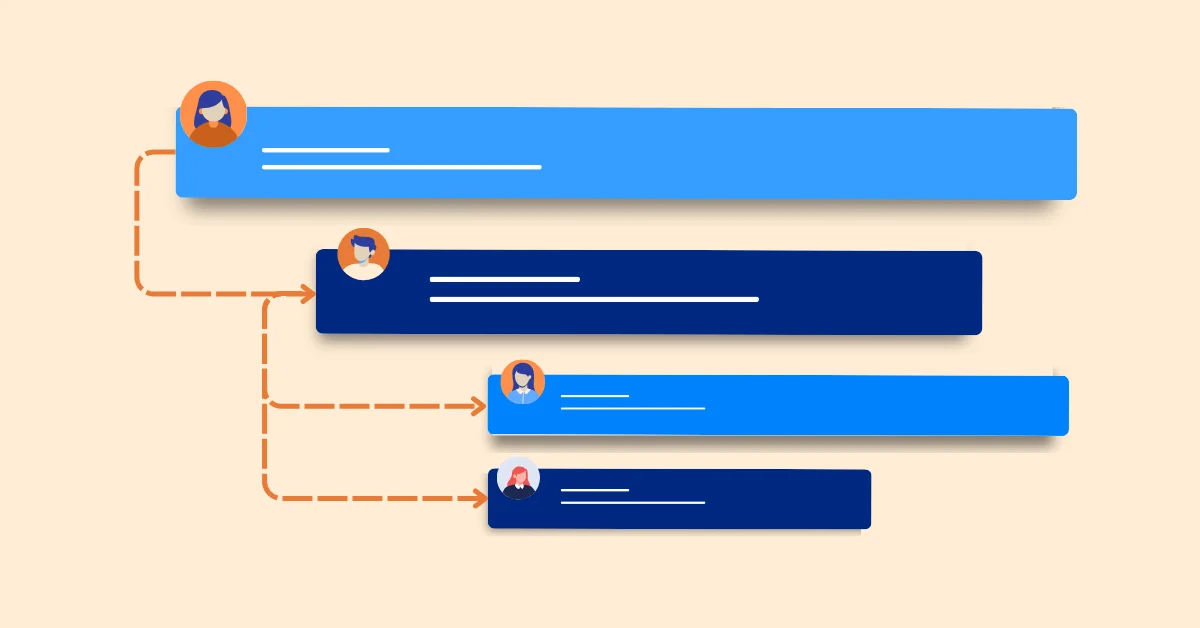
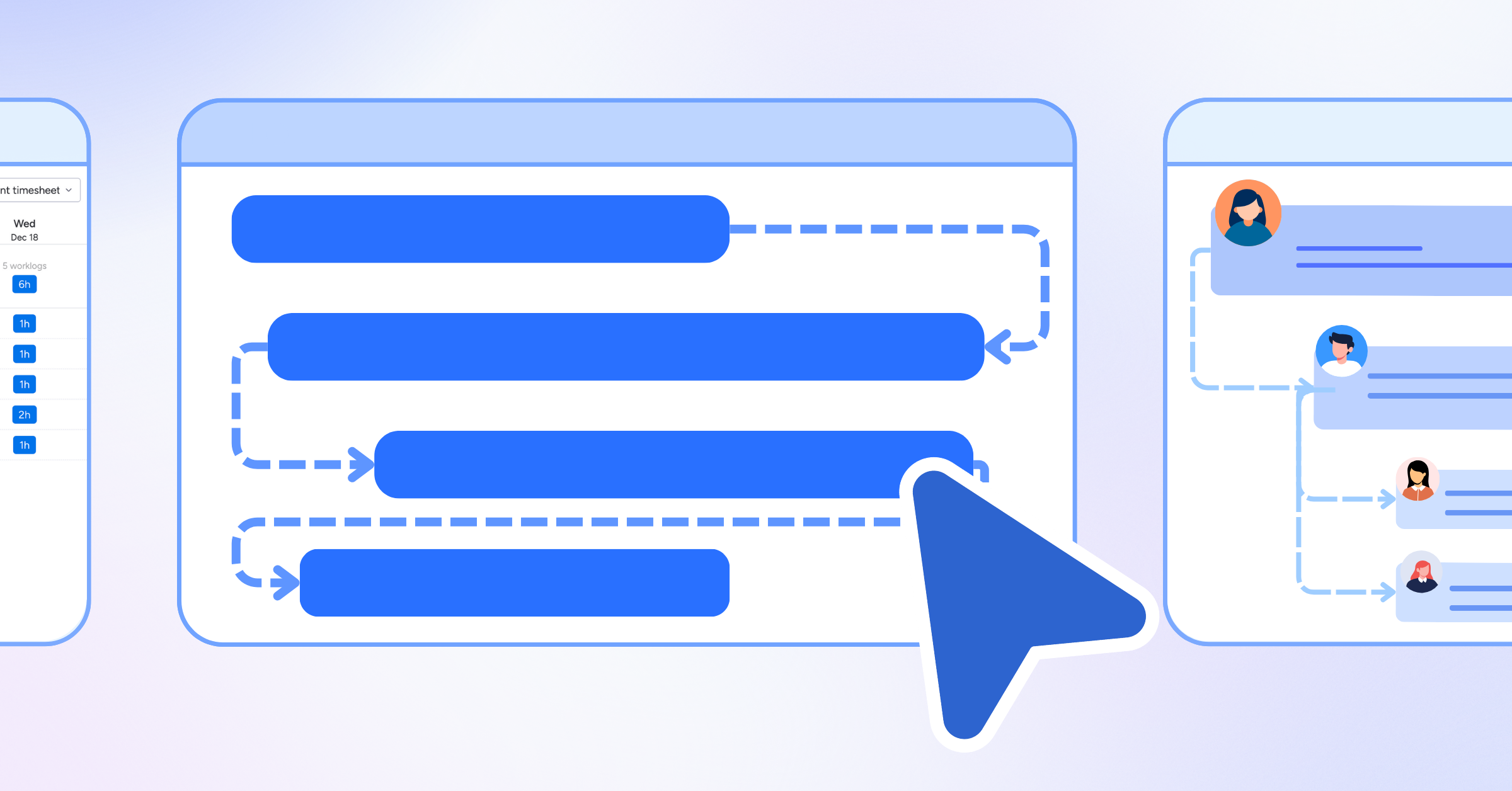
During planning, use Table View, Scheduler, and Gantt Chart to build a detailed roadmap. Teams can refine task lists in Table View, schedule work and allocate resources with the Scheduler, and visualize timelines, dependencies, and milestones through the Gantt Chart.
Execution
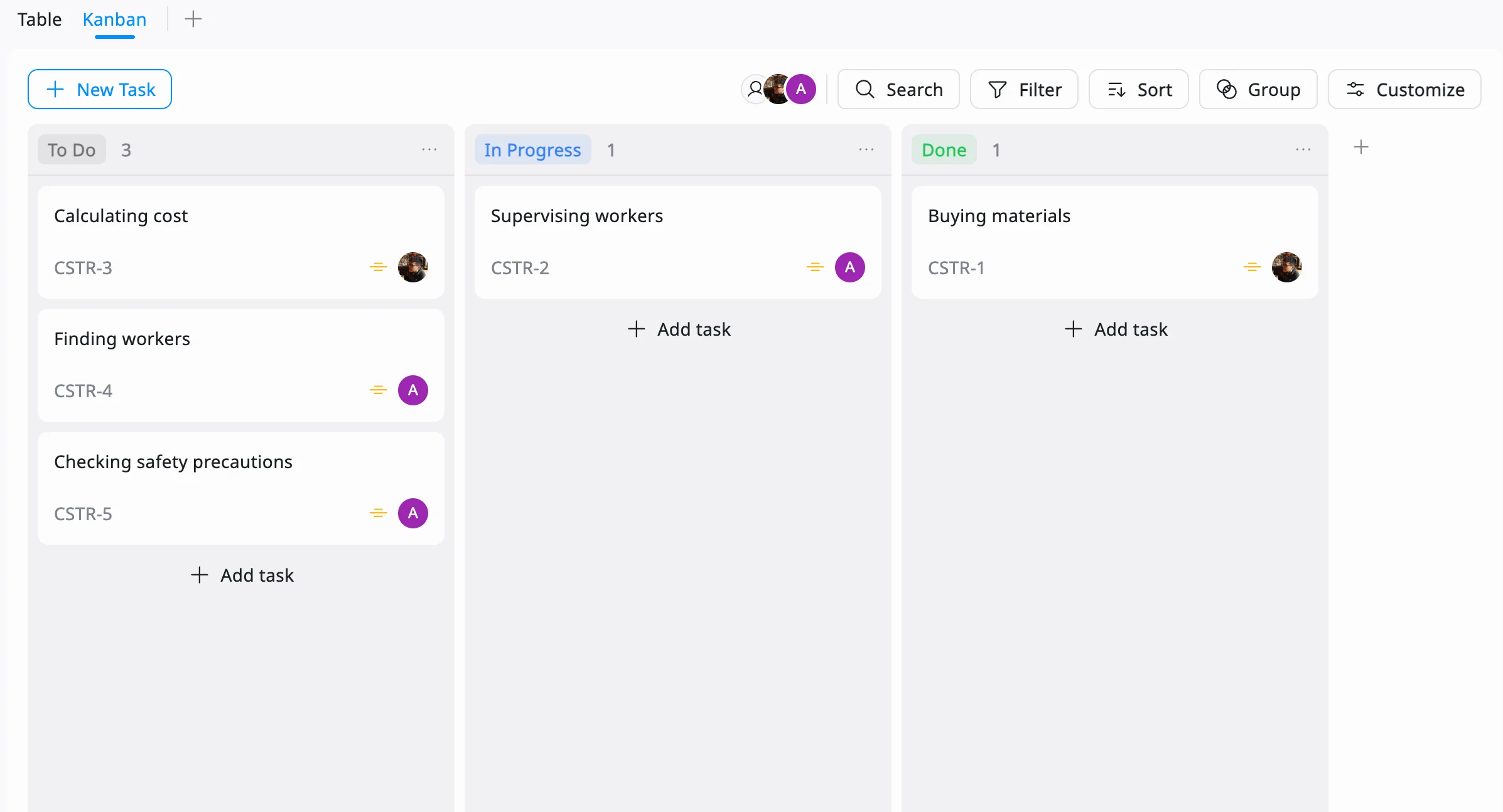
TaskFord supports execution with the Kanban Board, where tasks move through different stages of progress. This visual workflow helps teams stay aligned, manage workloads, and ensure tasks are continuously moving toward completion.
Monitoring & Controlling
For tracking and adjustments, TaskFord leverages both the Overview and Kanban Board. The Overview provides a high-level snapshot of progress and performance, while Kanban offers real-time visibility into task status—making it easier to identify bottlenecks and take action quickly.
Closure
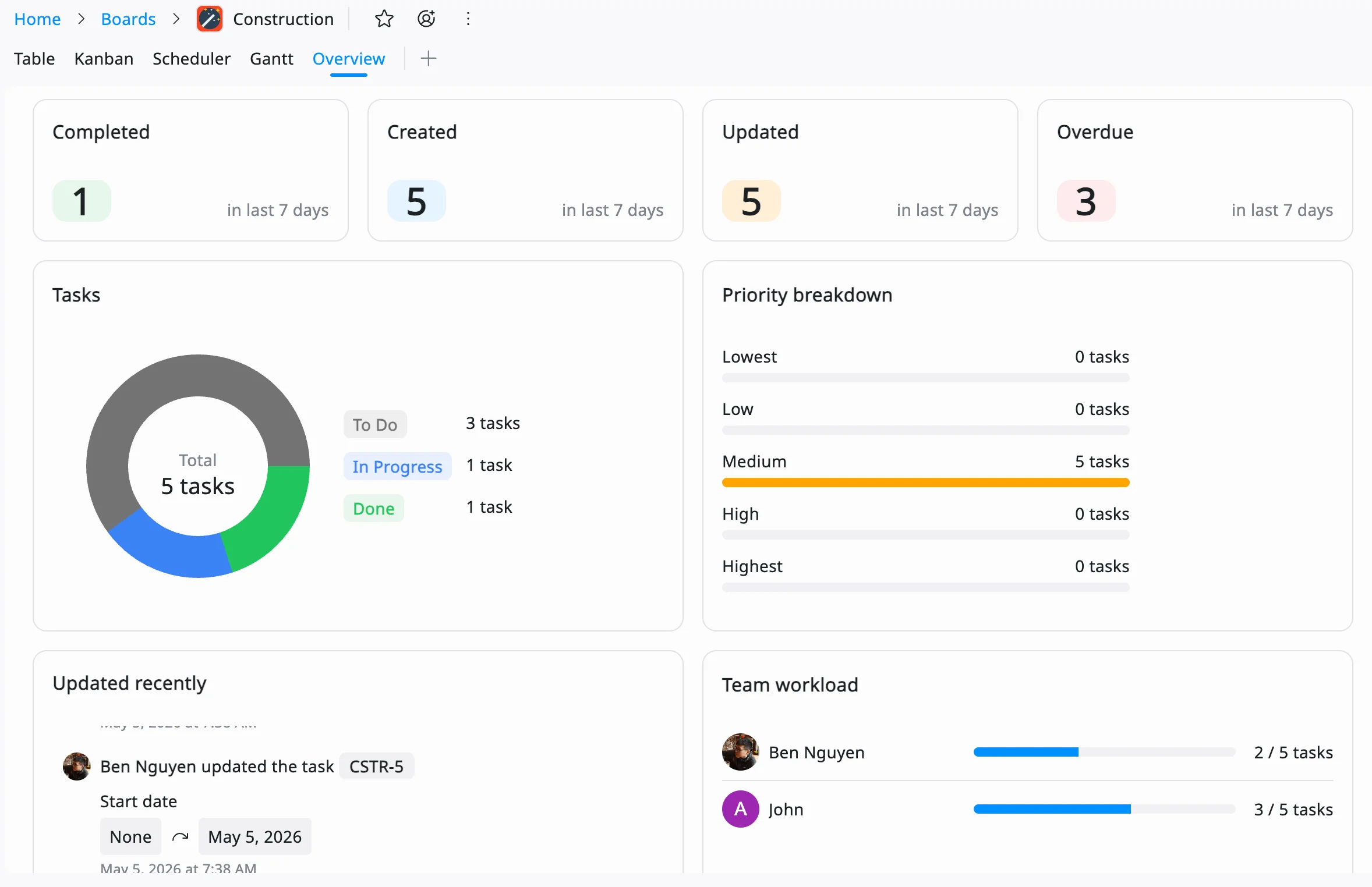
At the closure stage, TaskFord relies on the Overview to wrap up the project. Teams can review completed work, assess outcomes, and understand key insights, ensuring a smooth handoff and better preparation for future projects.
Conclusion
Mastering the Project Life Cycle is essential for project managers, whether they follow Agile or Waterfall practices. Each methodology has unique strengths that align with different types of work and organizational needs.
With TaskFord, you’re equipped to manage every phase with clarity, flexibility, and precision. From initiating a project to closing it with confidence, TaskFord supports your workflow, no matter the methodology.
Explore more insights in our Agile Project Management and Project Management Guide.
Related Articles






How to Build and Manage a Product Roadmap with TaskFord









How to Build a Connected Project Timeline in TaskFord






What Are the Best Jira Alternatives for Scrum Teams?















How WBS Reveals Delivery Breakdown Before It’s Too Late




![How To Conduct a Profound Stakeholder Analysis [+ Free Template]](/marketing/blog/stakeholder-analysis.webp)











What to Look for in Scrum Tools (Beyond Kanban Boards)

![Project Management Calendar for Teams and Managers [Free Templates]](/marketing/blog/project-management-calendar.webp)



How to Define Project Deliverables: A Step-by-Step Guide




![RACI Chart in Project Management: Rules & Examples [Free Download]](/marketing/blog/raci-chart.webp)







![7 Must-Have Project Management Documents Every PO Should Know [Free Templates]](/marketing/blog/project-management-documents.webp)





![How to Create a Winning Project Plan for IT Projects [10 Steps Included]](/marketing/blog/how-to-create-a-project-plan.webp)

![Daily Standup Best Practices: Apply AI to Organize Meetings Successfully [2026 Trends]](/marketing/blog/daily-standup.webp)





![How to Create a Project Communication Plan: Step-by-Step Guide [+Free Template]](/marketing/blog/project-communication-plan.png)


![Master Project Procurement Management in 5 Steps [Download a free plan template]](/marketing/blog/project-procurement-management.webp)













Subscribe for Expert Tips
Unlock expert insights and stay ahead with TaskFord. Sign up now to receive valuable tips, strategies, and updates directly in your inbox.