7 Early Warning Signs of Broken Scrum Cycles and How To Fix Them
Discover 7 early warning signs of broken Scrum cycles and proven strategies to fix them. Restore agility and boost delivery in Agile project management.
Scrum cycles help teams deliver value in small steps. They create structure through planning, daily check-ins, reviews, and retrospectives. But even experienced teams can struggle. Work gets done, but progress feels slow. Velocity looks stable, but outcomes are unclear.
When this happens, teams often respond by adding more rules or more meetings. This usually treats the symptoms, not the cause. The real issues often sit deeper in how goals are set, how work flows, and how teams collaborate. This guide helps you spot the early warning signs and apply practical fixes to get your Scrum cycle back on track.
Understanding the Scrum Cycle
What Is the Scrum Cycle
The Scrum cycle is the repeating sequence of events within a sprint—typically including planning, daily stand-ups, development, review, and retrospective. It creates a consistent rhythm that enables teams to deliver value and improve with each iteration.
What a Healthy Scrum Cycle Looks Like
A healthy Scrum cycle isn’t just about following the events, it’s about how well each one drives clarity, alignment, and continuous improvement. Each component should actively contribute to delivering meaningful project management outcomes, not just checking a box.
- Sprint Planning: A clear, realistic sprint goal is defined, with the team aligned on priorities, scope, and expected outcomes
- Backlog Readiness: User stories are well-refined, properly estimated, and include clear acceptance criteria to avoid ambiguity during execution
- Daily Scrum: Conversations are focused, honest, and centered on progress and blockers—not just status updates
- Steady Execution: Work flows smoothly with minimal interruptions, and the team maintains focus without constant scope changes
- Sprint Review: Stakeholders are engaged, feedback is specific and actionable, and outcomes are validated against real expectations
- Sprint Retrospective: The team openly reflects, identifies root causes, and commits to concrete, trackable improvements
- Transparency: Progress, risks, and dependencies are visible to everyone, enabling better decision-making
Why Scrum Cycles Break
Scrum cycles break when teams lose focus on outcomes and the system starts to weaken across key areas. The issues are often easy to spot once they are clearly broken down.
- Process over value: Teams follow Scrum rituals strictly but fail to deliver meaningful results
- Misaligned sprint goals: Work does not connect clearly to business priorities, making it feel irrelevant
- Weak feedback loops: Retrospectives and reviews are superficial, so real issues are not addressed
- Lack of continuous improvement: Insights are discussed but not turned into concrete actions
- Unmanaged dependencies: External blockers are not tracked, causing delays and frustration
- Hidden or unplanned work: Last-minute requests and invisible tasks disrupt focus and flow
Low visibility: Progress, risks, and bottlenecks are not transparent, reducing trust in the process
The 7 Early Warning Signs of Broken Scrum Cycles and How to Fix Them

1. Misaligned or Unclear Sprint Goals
Symptoms: Teams complete tasks, but the work fails to deliver meaningful business impact. Team members feel their efforts lack direction, leading to frustration or disengagement.
Root Causes: Sprint goals often lack a clear connection to the broader product vision, leaving teams unsure of their purpose. Misunderstandings across roles, such as developers and product owners interpreting goals differently, further exacerbate misalignment.
Fixes:
- Use Goal-Driven Sprint Planning to tie each user story to specific customer or business outcomes. This approach clarifies how work contributes to strategic goals.
- Align sprint goals with quarterly objectives during planning sessions to ensure relevance and focus. For example, map sprint deliverables to key performance indicators (KPIs) like user retention or revenue growth.
2. Unpredictable Velocity and Unreliable Forecasting
Symptoms: Team output fluctuates significantly from sprint to sprint, making it difficult to predict delivery timelines. Stakeholders lose trust in the team’s ability to meet commitments.
Root Causes: Inconsistent story point estimation, such as assigning different points to similar tasks, creates unreliable velocity metrics. External blockers, like delayed dependencies or unplanned work, disrupt sprint execution and skew forecasts.
Fixes:
- Track the ratio of unplanned work each sprint using your project tracking tool to quantify disruptions. For instance, calculate the percentage of story points allocated to unplanned tasks to identify patterns.
- Incorporate Earned Value Management (EVM) to balance cost, schedule, and progress visibility. EVM metrics, like cost performance index, help teams assess whether they’re on track to deliver value within budget and time constraints.
3. Backlog Bloat and Refinement Fatigue
Symptoms: The product backlog grows cluttered with low-value or outdated items, overwhelming the team. Refinement sessions become draining, with little progress toward a prioritized, actionable backlog.
Root Causes: Without a clear prioritization framework, teams struggle to focus on high-impact work. A weak Definition of Ready (DoR) allows vague or poorly defined items to persist, leading to endless debates during refinement.
Fixes:
- Adopt prioritization models like RICE (Reach, Impact, Confidence, Effort) or WSJF (Weighted Shortest Job First) to rank backlog items based on value and effort. These frameworks help teams focus on work with the highest return on investment.
- Implement backlog aging rules, such as reviewing or removing items older than 90 days, to keep the backlog lean and relevant.
- Use your project tracking tool’s value-scoring features to assign numerical scores to backlog items. This approach streamlines refinement by providing a clear, data-driven basis for prioritization.
4. Sprint Reviews Turning into Demos
Symptoms: Sprint reviews turn into one-way presentations, with little to no stakeholder input. The lack of collaboration reduces the value of feedback and leaves teams disconnected from business needs.
Root Causes: Teams treat reviews as formalities rather than opportunities for meaningful dialogue. Stakeholders may arrive unprepared or unclear about their role in providing feedback.
Fixes:
- Treat Sprint Reviews as learning sessions, not just demos. Focus on sharing progress, insights, and real results. Use data like customer feedback or business impact to make the discussion more meaningful.
- Encourage open discussion. Ask stakeholders if the work is ready to release or needs changes. This helps the team make better decisions on what to do next.
- Show clear results. Share metrics like user adoption, performance, or defect reduction so everyone can see the real impact of the work.
5. Team Burnout and Silent Retrospectives
Symptoms: Team engagement declines, deadlines slip, and retrospectives produce few ideas or actionable outcomes. Team members may seem disengaged or hesitant to share honest feedback.
Root Causes: Overcommitment to unrealistic sprint goals leads to unsustainable workloads and burnout. A lack of psychological safety prevents team members from voicing concerns or suggesting improvements.
Fixes:
- Conduct team health surveys before retrospectives to uncover hidden issues, such as workload imbalances or interpersonal tensions.
- Use your management dashboard to track workload balance and sprint energy trends. For example, monitor hours allocated per team member to identify over-allocation early.
- Introduce short recognition or reset moments mid-sprint, such as celebrating small wins or hosting brief team-building activities, to sustain morale and engagement.
6. Product Owner Overreach or Absence
Symptoms: The Product Owner either micromanages every decision, stifling team autonomy, or disappears mid-cycle, leaving the team without direction or prioritization.
Root Causes: Unclear boundaries between roles create overlap or gaps in accountability. Weak communication channels between the Product Owner and delivery team exacerbate delays or misaligned priorities.
Fixes:
- Define who is responsible for what. Make it clear who handles priorities, technical decisions, and team processes. This helps avoid confusion between the Product Owner, Scrum Master, and the team.
- Have a backup person ready. A senior team member can step in when the Product Owner is not available. This keeps decisions moving without delays.
- Review roles regularly. Set time every few months to make sure everyone understands their responsibilities and expectations.
7. Scrum Ceremonies Losing Their Purpose
Symptoms: Scrum ceremonies, like Daily Scrums or Retrospectives, feel repetitive, time-consuming, or disconnected from delivering value. Attendance may drop, and discussions lack focus.
Root Causes: Teams prioritize following Scrum rituals over achieving their intended outcomes, leading to disengagement. Inexperienced facilitation or insufficient reflection time further diminishes ceremony impact.
Fixes:
- Rotate who leads the meetings. Let different team members run the Daily Scrum or retrospectives. This keeps things fresh and avoids routine.
- Use structured reflection formats like 4Ls (Liked, Learned, Lacked, Longed For) to guide discussions and uncover actionable insights.
- Review your meetings regularly. Every few months, ask the team if each ceremony is still useful and what should change.
Best Practices to Sustain Healthy Scrum Cycles
1. Leverage Project Management Tools
Use your project management tools such as TaskFord to monitor sprint progress, velocity trends, and bottlenecks in real time. Key practices include:
- Track Key Metrics: Monitor cycle time, lead time, and work-in-progress limits to identify inefficiencies, such as tasks stuck in progress for too long.
- Visualize Trends: Create custom dashboards to display delivery metrics like unplanned work ratios. Share these with developers, testers, and product leads to ensure cross-role visibility.
- Automate Alerts: Set up notifications for anomalies, such as a sudden spike in defects or a drop in sprint predictability, to enable proactive intervention.
2. Implement Data-Driven Dashboards
Custom dashboards provide actionable insights to sustain scrum cycles. Effective practices include:
- Centralize Data: Aggregate metrics like sprint predictability, commitment reliability, and team morale in a single view to spot trends early.
- Review Regularly: Use dashboards during retrospectives to ground discussions in data. For example, analyze unplanned work trends to adjust planning processes.
- Tailor Visuals: Customize dashboards to highlight role-specific insights, such as defect trends for testers or backlog health for product owners, fostering collaboration.
3. Foster Cross-Role Collaboration
Encourage visibility and alignment across roles to strengthen scrum cycles. Practical steps include:
- Share Access: Ensure developers, testers, and product leads have access to the same project tracking data to align on priorities and progress.
- Hold Cross-Functional Reviews: Conduct regular sessions to review dashboard insights, allowing each role to contribute to process improvements.
- Document Decisions: Record key decisions from reviews or retrospectives in your project management system to maintain transparency and accountability.
Sustaining Your Scrum Cycles With TaskFord
A healthy Scrum cycle depends on visibility, alignment, and real feedback. TaskFord supports this through its multiple features. Here is how teams can use these features to fix common Scrum issues.
1. Align the Sprint Goal and Clean Up the Backlog
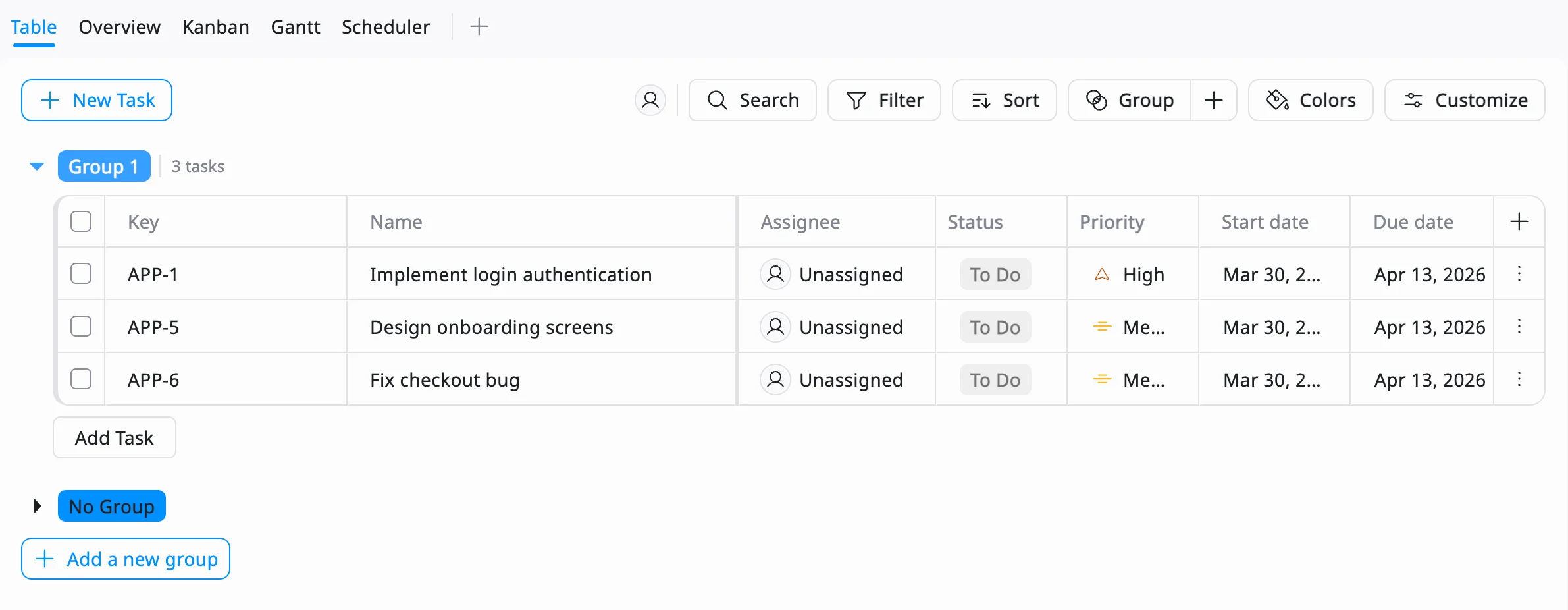
Use the Table view to manage and refine your backlog before the sprint. Add clear descriptions, acceptance criteria, owners, and estimates for each task. Sort and filter items to remove outdated or low-value work.
This helps fix unclear sprint goals and backlog bloat by forcing clarity and prioritization before execution.
2. Track Daily Progress on Kanban
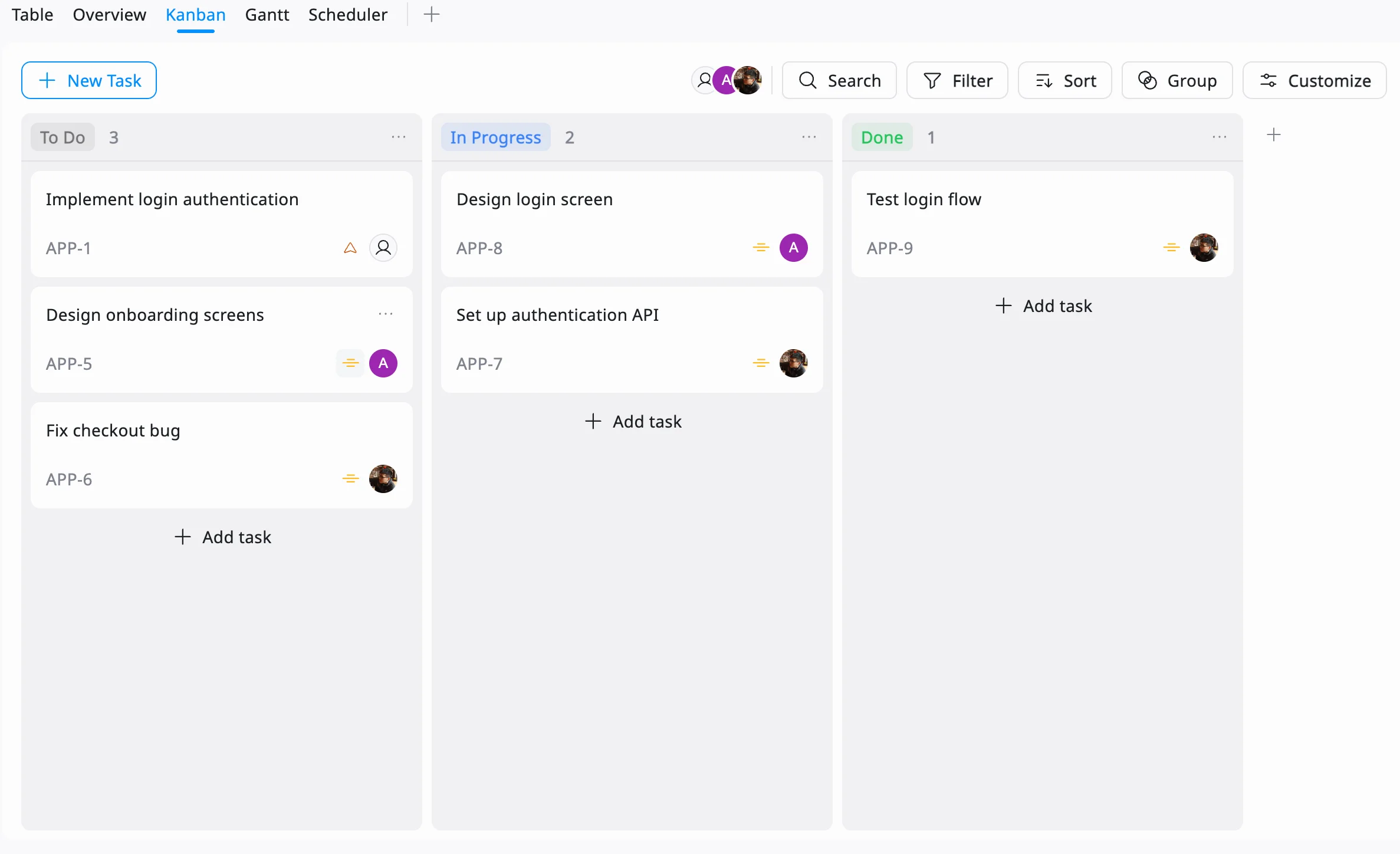
During the sprint, use TaskFord’s Kanban board to move tasks across stages and reflect real-time progress. Team members update their work directly, making blockers and delays visible immediately. This keeps Daily Scrums focused on alignment and problem-solving instead of status reporting.
3. Manage Changes
When new requests or tasks appear, log them in TaskFord instead of handling them informally. Assess their impact on the sprint before taking action. This helps protect the team’s focus and prevents hidden work from disrupting flow.
4. Review Delivered Work with Context
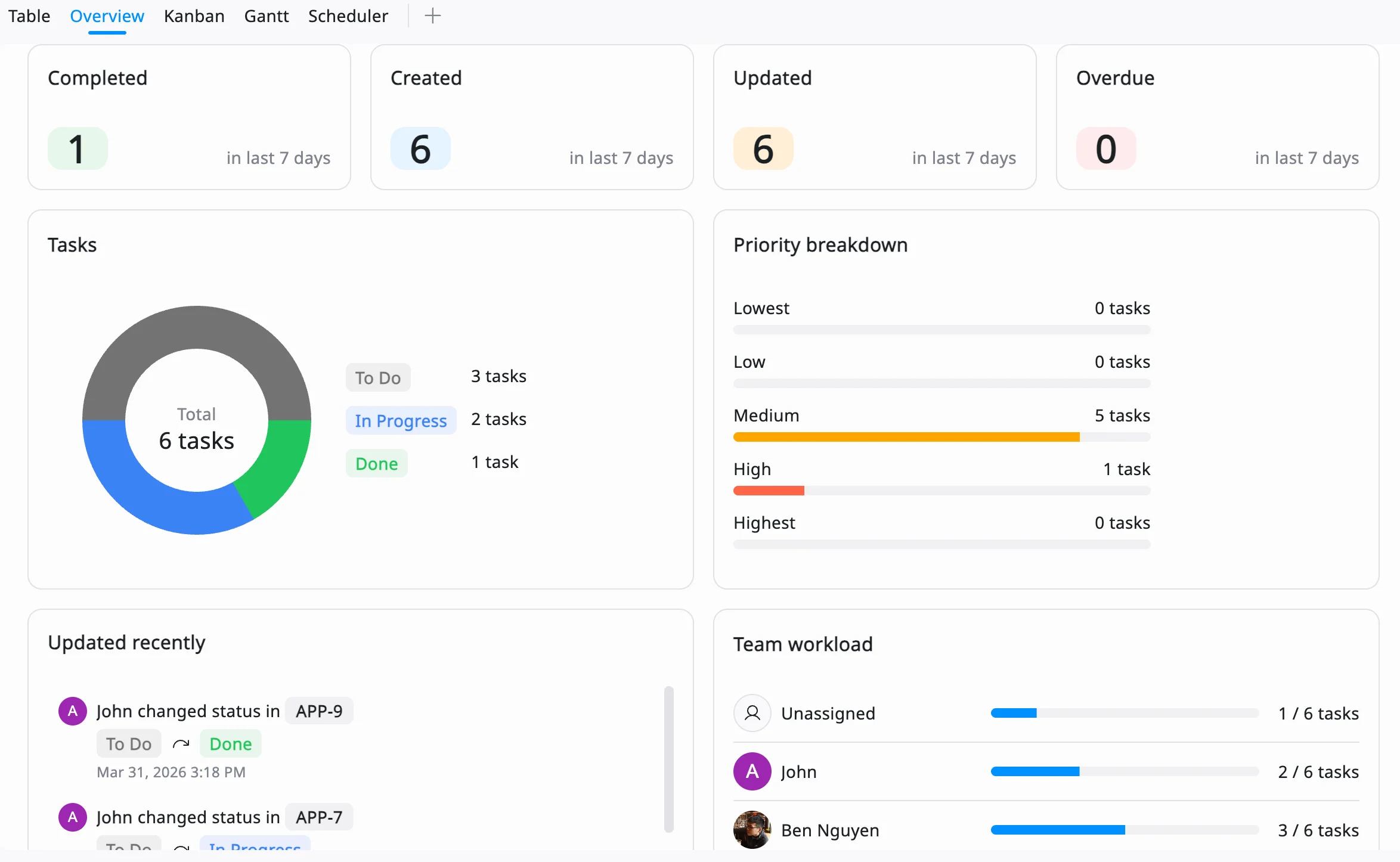
At the end of the sprint, use TaskFord to review completed tasks against the original sprint goal. The platform provides a clear record of what was delivered and how work progressed. This makes Sprint Reviews more structured and ensures feedback is grounded in actual outcomes.
5. Reflect and Improve with Real Data
Use TaskFord’s tracking and history to support your retrospective. Look at what slowed down progress, where bottlenecks occurred, and what improved compared to previous sprints. This turns retrospectives into actionable discussions, helping the team continuously strengthen the Scrum cycle.
Frequently Asked Questions (FAQs)
How do I know if my Scrum cycle is actually broken?
If your team delivers work but struggles to show real impact, that’s a warning sign. Other signals include unstable velocity, frequent scope changes, low engagement in reviews, and silent retrospectives. These usually point to deeper issues, not just process problems.
What is the most common cause of broken Scrum cycles?
The most common cause is misalignment between sprint work and business goals. Teams stay busy, but the work does not connect to clear outcomes. Over time, this leads to low stakeholder interest and unclear priorities.
Should we follow Scrum rules more strictly when things go wrong?
Not always. Adding more rules or meetings often makes things worse. The better approach is to identify root causes, such as unclear goals, hidden work, or weak feedback loops, and fix those directly.
How can we handle unplanned work during a sprint?
Make all unplanned work visible and track it. Review its impact before adding it to the sprint. If it does not support the sprint goal, move it to the backlog. This helps prevent scope creep and keeps the team focused.
How can tools like TaskFord help improve Scrum cycles?
Tools like TaskFord improve visibility and alignment. Features like Kanban boards, backlog views, and reporting dashboards help teams track progress, manage scope, and make better decisions based on real data.
How often should we review and improve our Scrum process?
Teams should reflect every sprint, but also take time every few months to review the overall process. This helps catch long-term issues and ensures Scrum continues to fit the team’s needs.
Conclusion
A broken scrum cycle signals an opportunity for growth, not failure. By identifying early warning signs, diagnosing root causes, and implementing targeted fixes, teams can rebuild trust, enhance delivery, and restore agility. The key to success lies in evolving scrum cycles to fit the team’s unique context, rather than forcing rigid adherence to a process. With intentional diagnosis, prioritized experiments, and data-driven improvements, your Scrum practice can become a resilient engine for delivering consistent value.
Related Articles











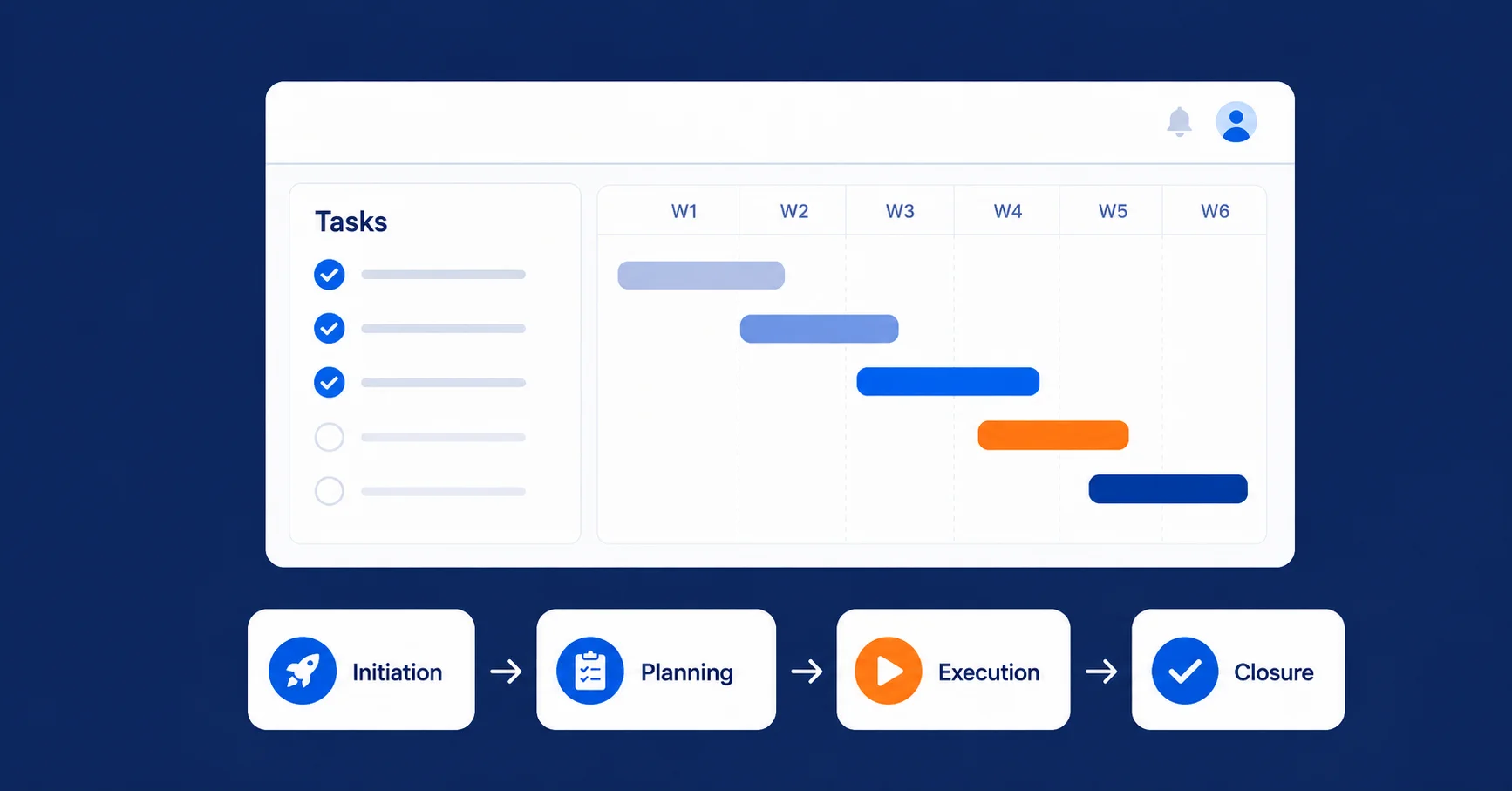






How to Build and Manage a Product Roadmap with TaskFord




















How to Build a Connected Project Timeline in TaskFord
















What Are the Best Jira Alternatives for Scrum Teams?

































How WBS Reveals Delivery Breakdown Before It’s Too Late











![How To Conduct a Profound Stakeholder Analysis [+ Free Template]](/marketing/blog/stakeholder-analysis.webp)





















What to Look for in Scrum Tools (Beyond Kanban Boards)




![Project Management Calendar for Teams and Managers [Free Templates]](/marketing/blog/project-management-calendar.webp)







How to Define Project Deliverables: A Step-by-Step Guide

















![RACI Chart in Project Management: Rules & Examples [Free Download]](/marketing/blog/raci-chart.webp)























![7 Must-Have Project Management Documents Every PO Should Know [Free Templates]](/marketing/blog/project-management-documents.webp)














![How to Create a Winning Project Plan for IT Projects [10 Steps Included]](/marketing/blog/how-to-create-a-project-plan.webp)




![Daily Standup Best Practices: Apply AI to Organize Meetings Successfully [2026 Trends]](/marketing/blog/daily-standup.webp)







![How to Create a Project Communication Plan: Step-by-Step Guide [+Free Template]](/marketing/blog/project-communication-plan.png)


![Master Project Procurement Management in 5 Steps [Download a free plan template]](/marketing/blog/project-procurement-management.webp)












































Subscribe for Expert Tips
Unlock expert insights and stay ahead with TaskFord. Sign up now to receive valuable tips, strategies, and updates directly in your inbox.