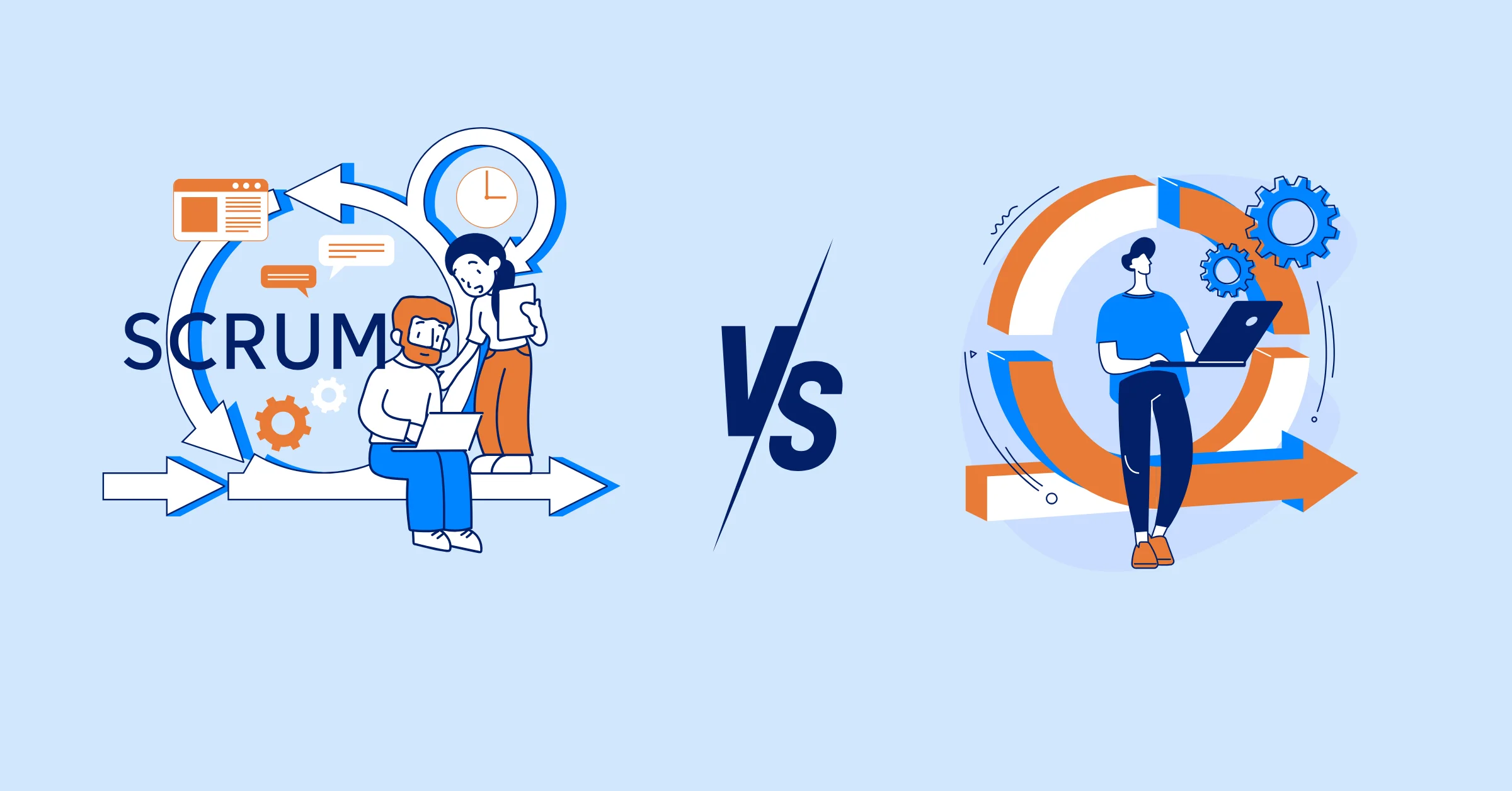
Scrum vs Sprint: Why the Debate Exists and What Teams Really Need to Understand
Discover the truth behind the Scrum and sprints comparison, why the debate exists, and practical tips to help your team deliver value effectively today.
You’re in a project meeting and someone says, “We’re doing sprints, so we’re doing Scrum, right?” Everyone agrees, but something feels off. This confusion is common. Many teams use “sprints” and “Scrum” as if they mean the same thing. Over time, this leads to unclear roles, messy processes, and work that looks Agile but does not deliver real results.
I have seen teams run sprints with no clear ownership. Some skip retrospectives or treat each sprint like a fixed plan. They call it Scrum, but key parts are missing. In this guide, we will break down the difference between Scrum and sprints, why the confusion happens, and how to fix it. You will learn how to apply the right approach and deliver work with confidence.
What Scrum Really Is
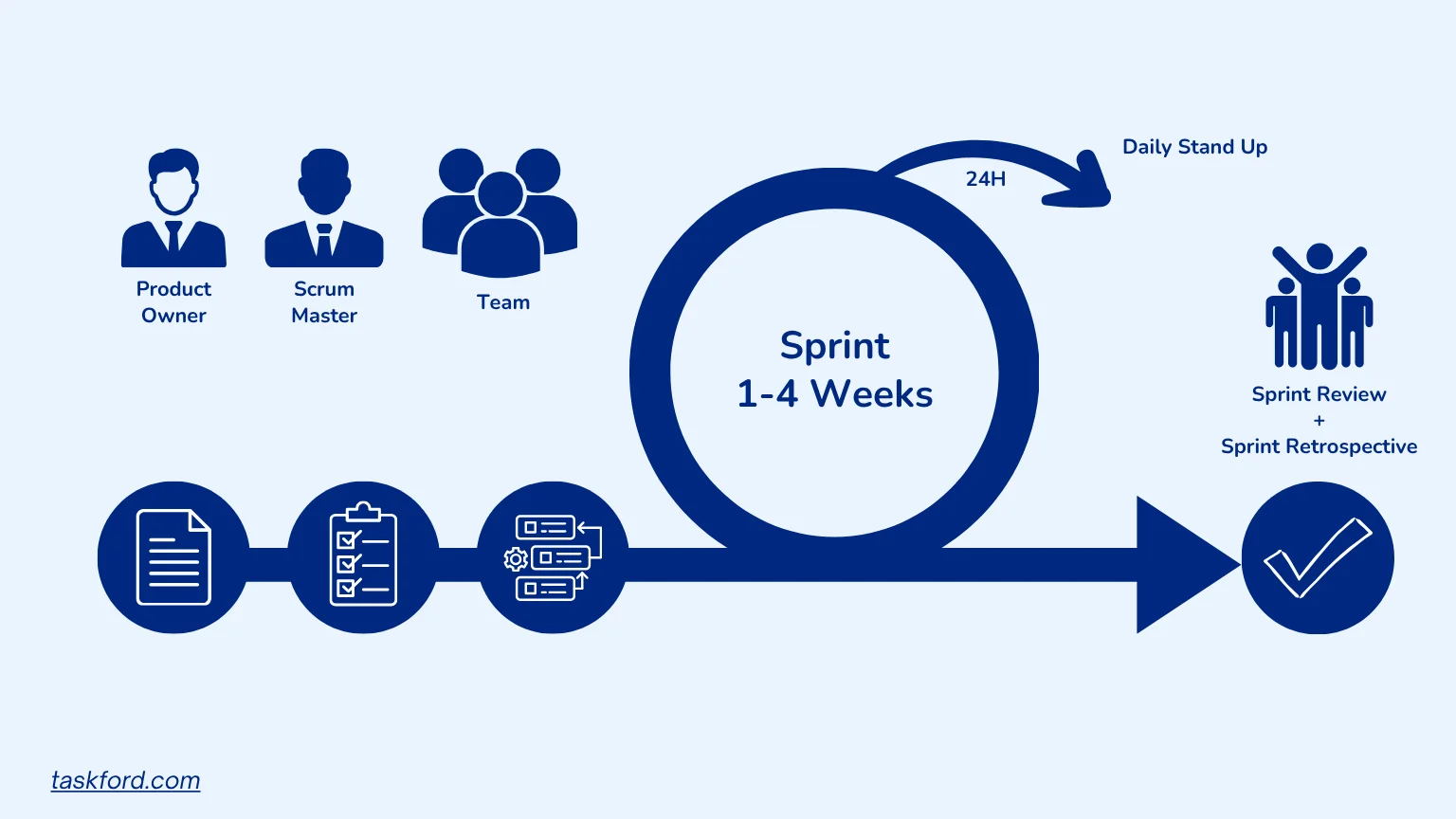
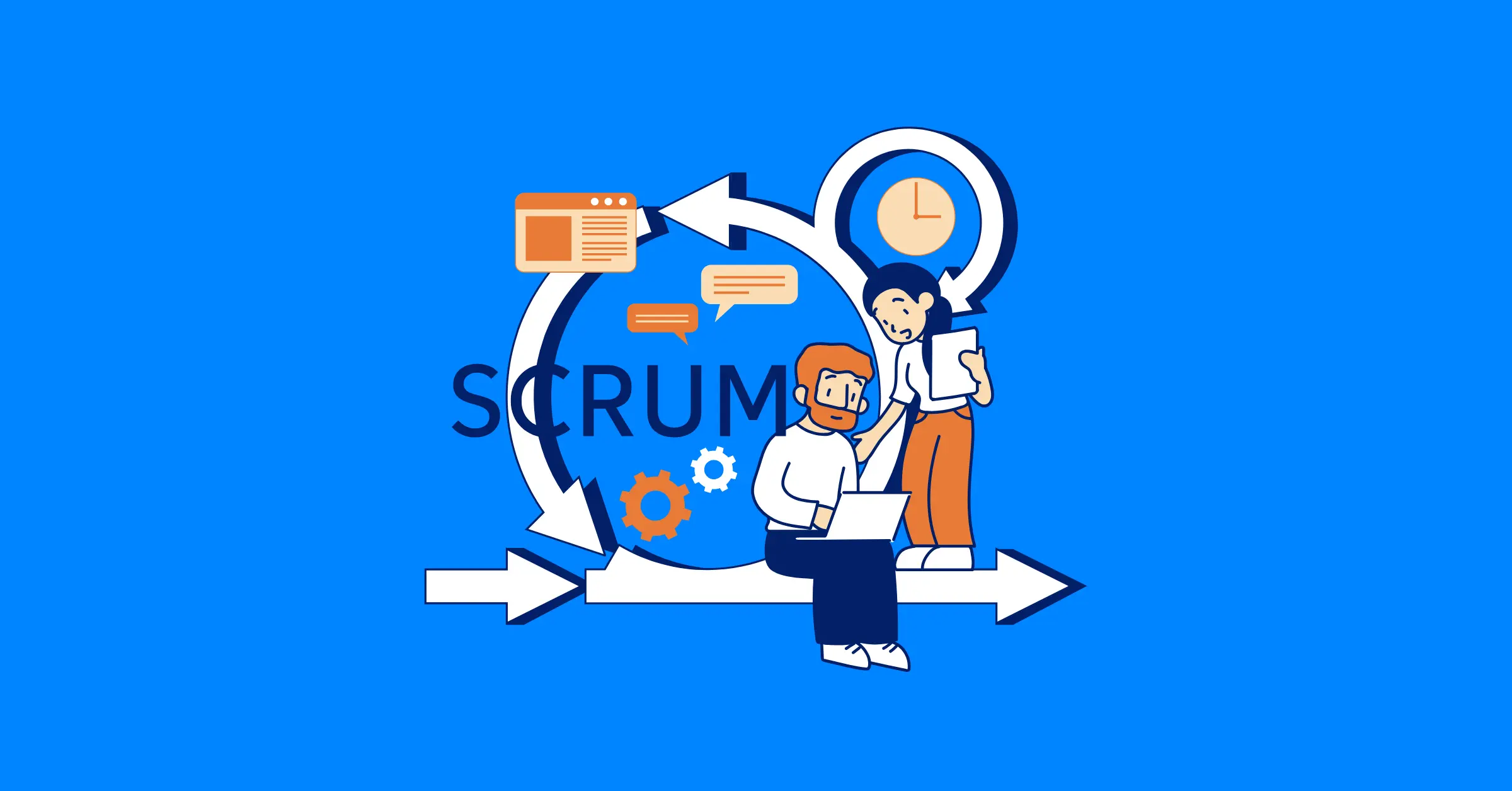
Scrum is a framework used to manage complex work. It is part of Agile, but it is more than just working in short cycles. Scrum defines how a team works together through clear roles, structured events, and shared artifacts.
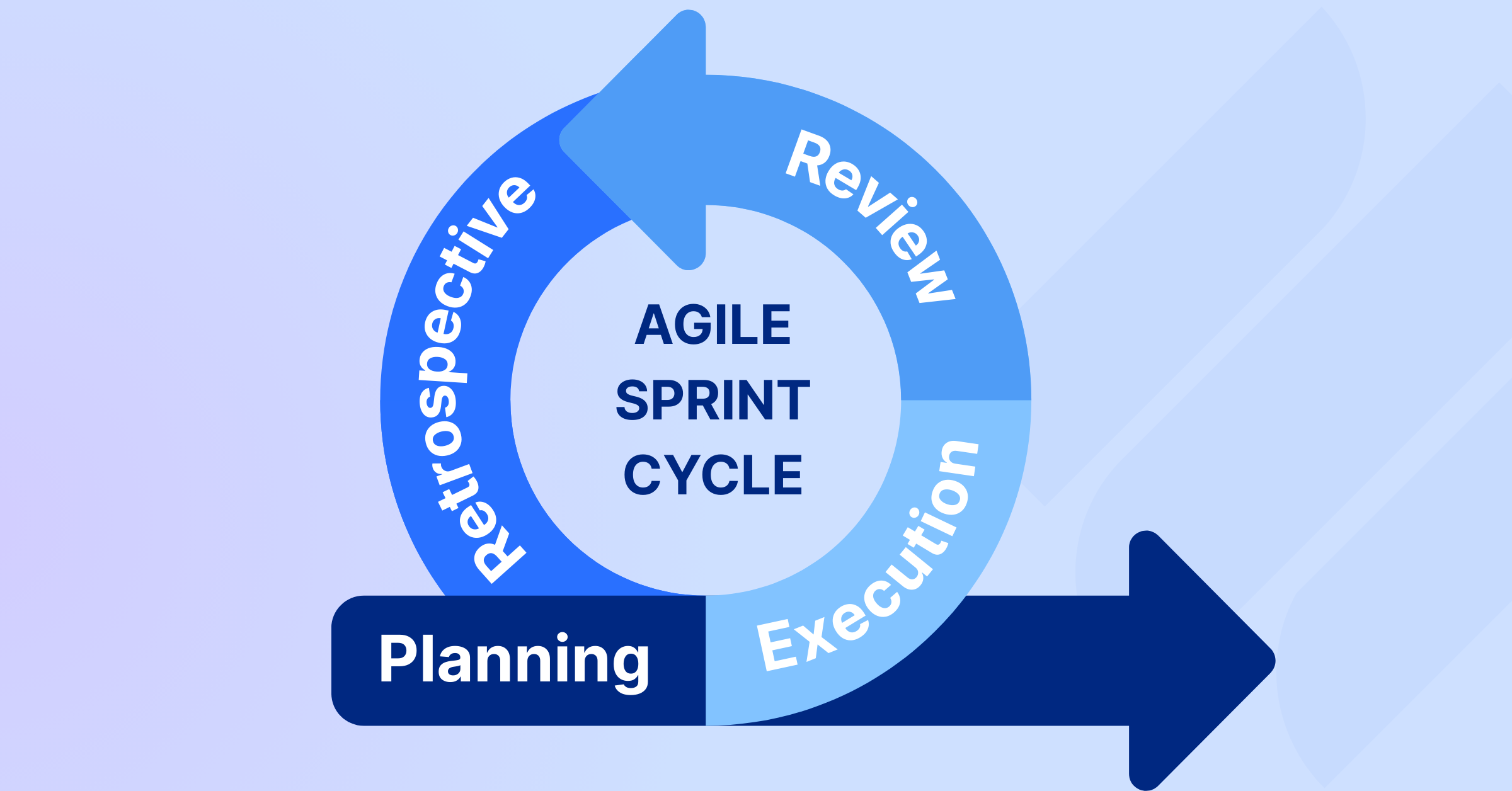
It includes roles like the Product Owner, Scrum Master, and Development Team. It uses tools like the Product Backlog and Sprint Backlog to organize work. It also follows key events such as sprint planning, daily stand-ups, sprint reviews, and retrospectives.
All of these pieces work together to help teams stay focused, adapt to change, and deliver value step by step. Scrum is the full system that guides how work gets done.
What a Sprint Really Is
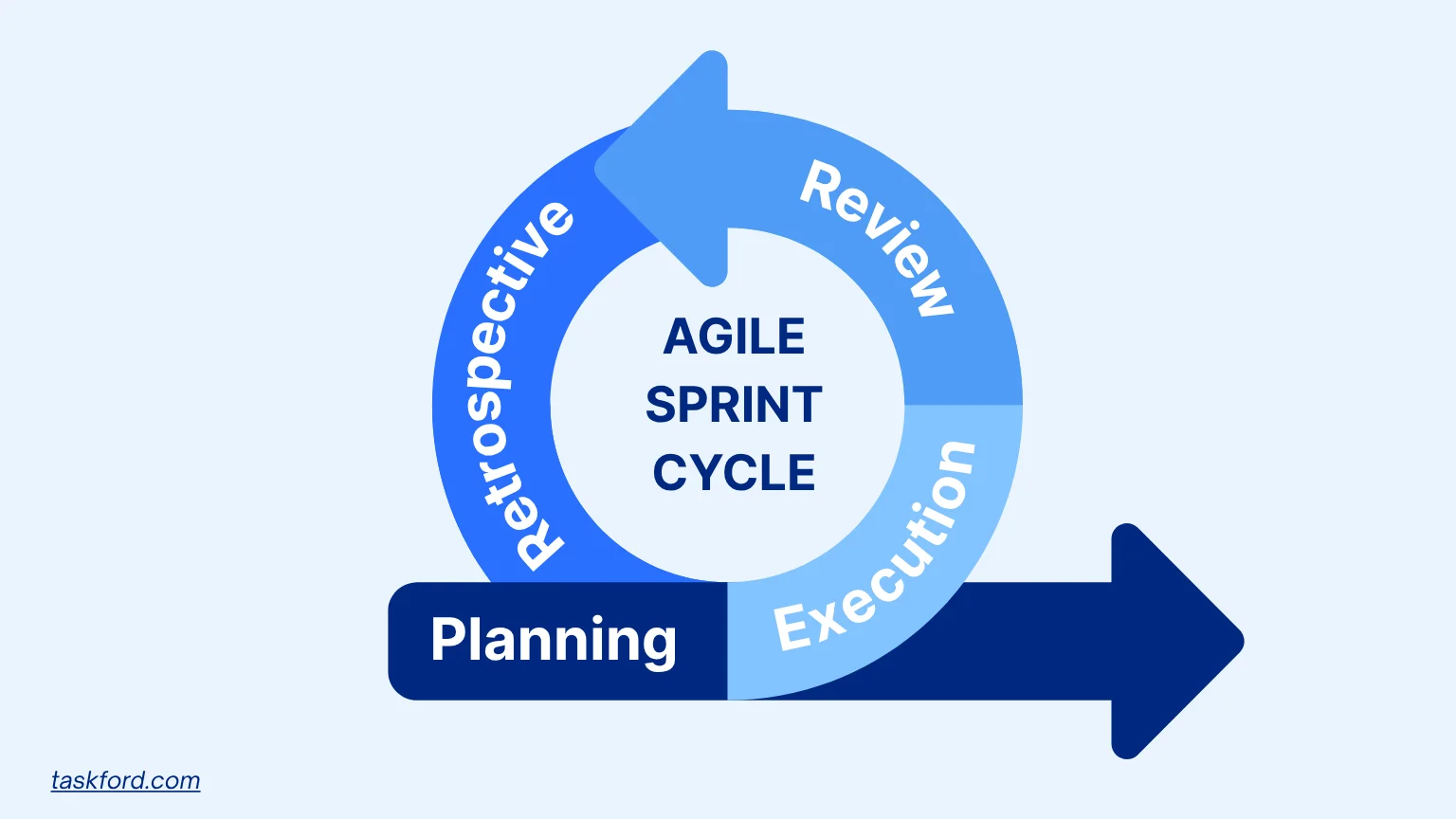
An Agile project management sprint is a fixed period of time where a team completes a set of tasks. It usually lasts one to four weeks. During this time, the team works toward delivering a usable piece of work, such as a feature, update, or campaign.
A sprint is one part of Scrum, not the whole process. It helps teams focus on a clear goal within a short timeframe. At the end of each sprint, the team reviews what was done and looks for ways to improve.
Sprints can also be used outside of Scrum, in other ways of working. The key idea is simple. A sprint is a time-boxed work cycle, while Scrum is the structure around it.
Why the Scrum vs Sprint Debate Exists
The Scrum vs sprint confusion can disrupt your project management. Here’s why it happens and why it matters:
- Oversimplification: Teams adopt sprints, thinking that’s all Scrum is. I saw a marketing team run two-week sprints but skip roles like the Product Owner, causing unclear priorities and delayed campaigns.
- Agile Hype: “Sprints” became a trendy term, pitched to executives as a quick fix. This overshadows Scrum’s depth, making it seem like just fast work cycles.
- Partial Adoption: Some teams run sprints without Scrum’s full framework, ignoring backlog grooming or retrospectives. A development team I worked with ran sprints but skipped reviews, missing stakeholder feedback and delivering off-target features.
- Training Gaps: Newcomers hear “Scrum” and “sprint” used interchangeably in meetings or weak training, leading to confusion.
This debate matters because it creates misaligned expectations and inefficient processes. For example, a startup assuming sprints equal Scrum might overpromise deliverables, frustrating clients. Clarity helps teams focus on delivering value, not just checking boxes.
What Teams Really Need to Understand
To fully understand the difference between Scrum and sprint, here’s what matters most:
- Scrum Requires Sprints: Sprints are the heartbeat of Scrum. Without them, you’re not doing Scrum, just managing tasks without structure. A remote team I worked with tried Scrum without sprints, resulting in endless task lists and no deliverables.
- Sprints Don’t Require Scrum: You can run sprints in Kanban or hybrid models, but without Scrum’s roles and events, you miss its collaborative power. An enterprise used sprints for compliance reports without a Product Owner, causing misaligned priorities.
- No Mini-Waterfalls: Treating sprints like mini-waterfall projects, planning everything upfront and resisting change, defeats Scrum’s iterative nature. A team I saw crammed a website redesign into one sprint, delivering a rushed, error-filled product.
- Value Over Terminology: The goal is delivering usable increments, collaborating, and learning, not debating terms. A startup focusing on customer-driven features or an enterprise aligning with stakeholders will succeed by prioritizing outcomes.
These insights shift focus from jargon to results. Misunderstanding Scrum vs sprint can lead to burnout, missed deadlines, or unhappy stakeholders. Clarity ensures your team delivers what matters.
Comparison Table
Before going further, here’s a clear way to compare the two:
| Aspect | Scrum | Sprint |
|---|---|---|
| What it is | A full Agile framework | A time-boxed work cycle |
| Scope | Covers how the team works end to end | Covers a fixed period of execution |
| Purpose | Enable collaboration and continuous delivery | Focus the team on a short-term goal |
| Components | Roles, events, and artifacts | One event within the process |
| Roles involved | Product Owner, Scrum Master, Development Team | No required roles |
| Structure | Defines workflow and responsibilities | Does not define how teams operate |
| Flexibility | Structured but adaptable | Can be used in different systems |
| Dependency | Requires sprints to function | Does not require Scrum |
| Risk if misused | Becomes rigid or overly ceremonial | Becomes mini-waterfall or task batching |
| Outcome | Continuous delivery of value | A usable increment at the end of the cycle |
How to Use Scrum and Sprints Effectively
Here’s how to apply Scrum and sprints effectively, with actionable advice for startups, remote teams, and enterprises. These tips are straightforward to keep your team focused without feeling overwhelmed.
If You’re Using Scrum
- Commit to the full framework: Scrum is not just about sprints. It requires roles, events, and backlog management working together. Skipping parts like retrospectives or backlog grooming often leads to confusion and weak results.
- Define clear roles: A Product Owner sets priorities and aligns work with business goals. A Scrum Master removes blockers and improves the process. Without clear ownership, decisions slow down and teams lose direction.
- Keep the backlog clean and visible: A well-maintained backlog helps the team focus on what matters most. Regular grooming ensures priorities stay relevant. Tools like TaskFord can help teams organize backlog items and track sprint progress clearly.
- Run all key events with purpose: Sprint planning sets direction, stand-ups keep alignment, reviews gather feedback, and retrospectives drive improvement. Skipping these turns Scrum into just repeated work cycles.
- Deliver usable results: Each sprint should produce something usable, not just completed tasks. This keeps progress meaningful and visible to stakeholders.
If You’re Using Only Sprints
- Be clear about your approach: If you run sprints without Scrum, define your system clearly. You may be using a hybrid or Kanban-style workflow with the best Kanban tools, but it should not be unclear or inconsistent.
- Define how work is prioritized: Without a Product Owner, someone still needs to decide what comes first. Clear prioritization prevents delays and conflicting decisions.
- Set a clear goal for each sprint: Each sprint should aim for a specific outcome. This keeps the team focused and makes progress easier to measure.
- Review results at the end of each sprint: Even without formal Scrum ceremonies, teams should regularly check what was delivered. This helps maintain alignment and improve future work.
- Balance structure and flexibility: Sprints can be flexible, but too much flexibility leads to chaos. Keep enough structure to stay consistent without overcomplicating the process.
Avoid Copying Blindly
Sprints are not a shortcut to being Agile. Many teams adopt them because they are popular or expected, not because they solve a real problem. This creates a process that looks structured but does not improve how work gets done.
The problem grows when teams focus on rituals instead of outcomes. They run sprints and meetings, but still deal with unclear priorities, missed deadlines, or constant rework. In some cases, sprints become mini-waterfalls, where everything is fixed upfront and change is avoided.
Skipping feedback makes it worse. Without proper reviews or retrospectives, the same issues repeat across sprints. Before adopting sprints, teams should ask what they are trying to improve and whether this approach actually helps. The goal is not to follow a method, but to deliver better results for your milestone reviews.
Tailored Tips for Different Teams
- Startups: Use short sprints, one to two weeks, to move fast and test ideas early. Focus only on the most important tasks. A clear Product Owner helps the team stay focused on what really matters.
- Remote teams: Make work easy to see and understand. Use tools like TaskFord to track tasks and keep everyone aligned across time zones. Keep communication simple and avoid too many meetings.
- Enterprises: Focus on alignment and planning. Involve stakeholders in sprint reviews and plan carefully for complex work. Keep a balance between structure and flexibility.
- Hybrid or scaling teams: Add structure step by step as the team grows. Start with clear roles and better task organization, then introduce more Scrum practices over time.
TaskFord: Your Ally in Mastering Scrum and Sprints
TaskFord is an integrated work delivery platform designed for teams of all sizes, including Agile teams. It supports Scrum frameworks and standalone sprints with intuitive features to resolve common debates and boost delivery.
If You’re Using Scrum
Scrum requires a full system, from backlog management to sprint review. TaskFord supports each step in that flow.
- Organize and prioritize your backlog: Start by building and refining your Product Backlog. Keep priorities clear and visible so the team always knows what matters most → Use Table View to create tasks and define priority
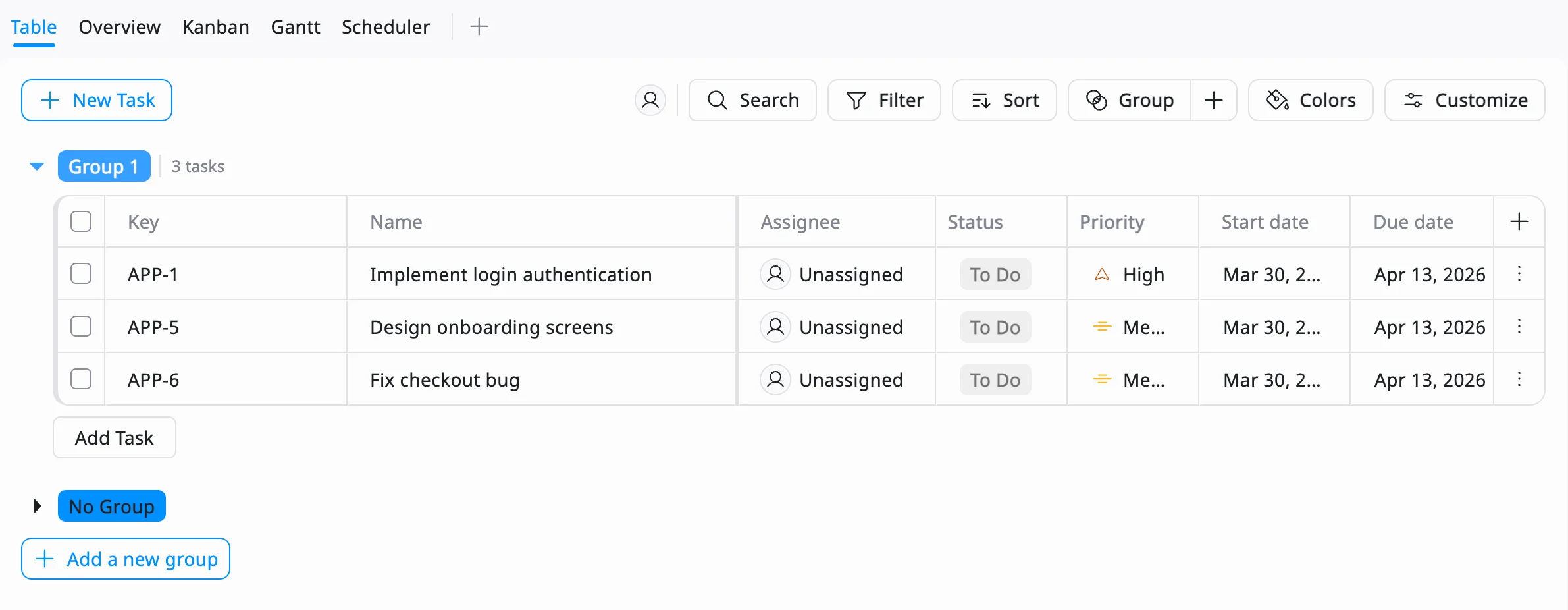
- Plan your sprint with a clear goal: Select backlog items and move them into a sprint. Define what the team should deliver by the end of the cycle.
- Track progress during the sprint: Monitor what is in progress, what is blocked, and what is completed. Keep visibility high to avoid delays → Use Kanban Board to monitor tasks progress and identify task blockers.
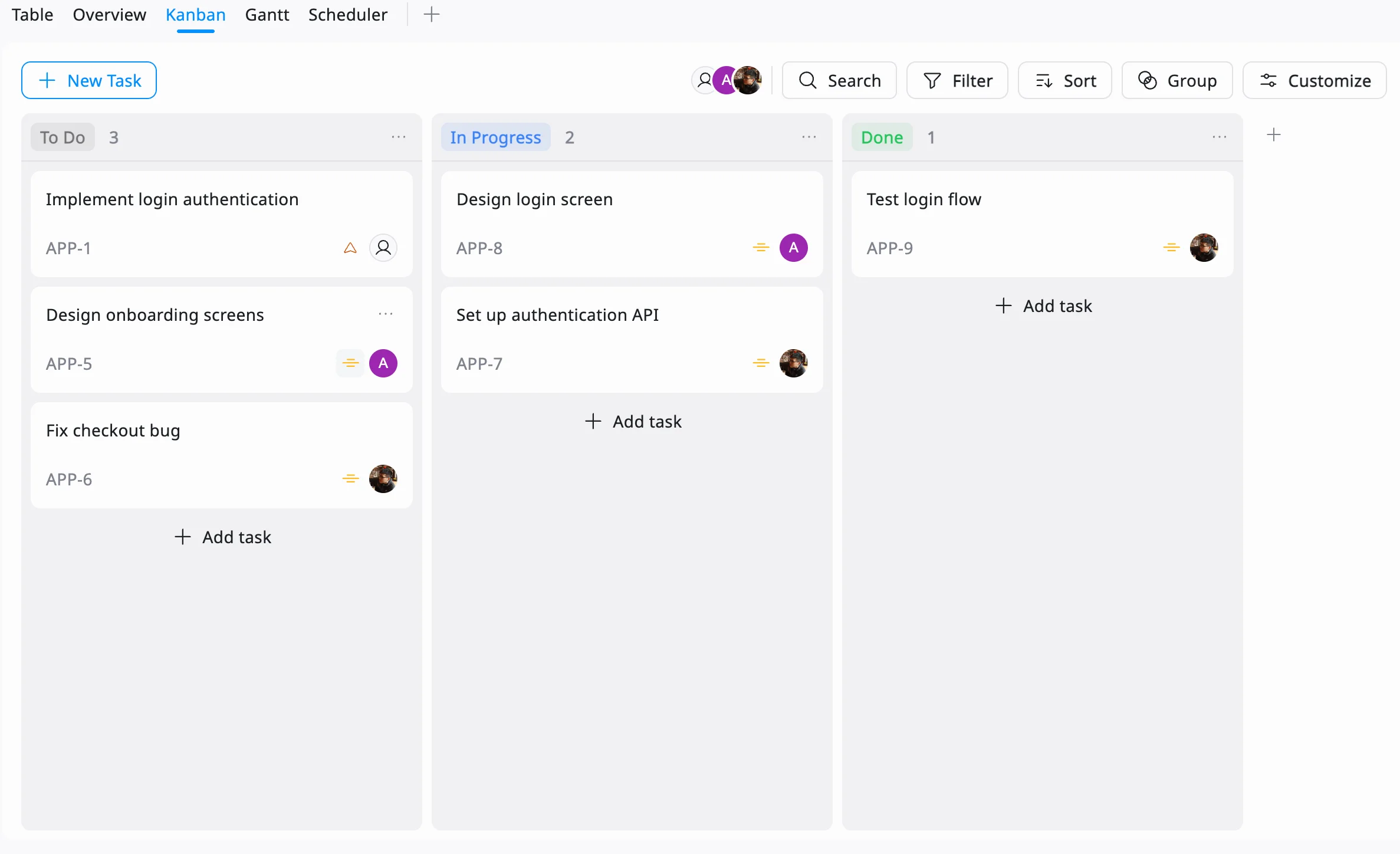
- Balance workload and improve continuously: Make sure tasks are distributed based on team capacity, then review what was delivered at the end of each sprint to identify improvements → Use Dashboard with reports to review performance, team workload and support retrospectives.
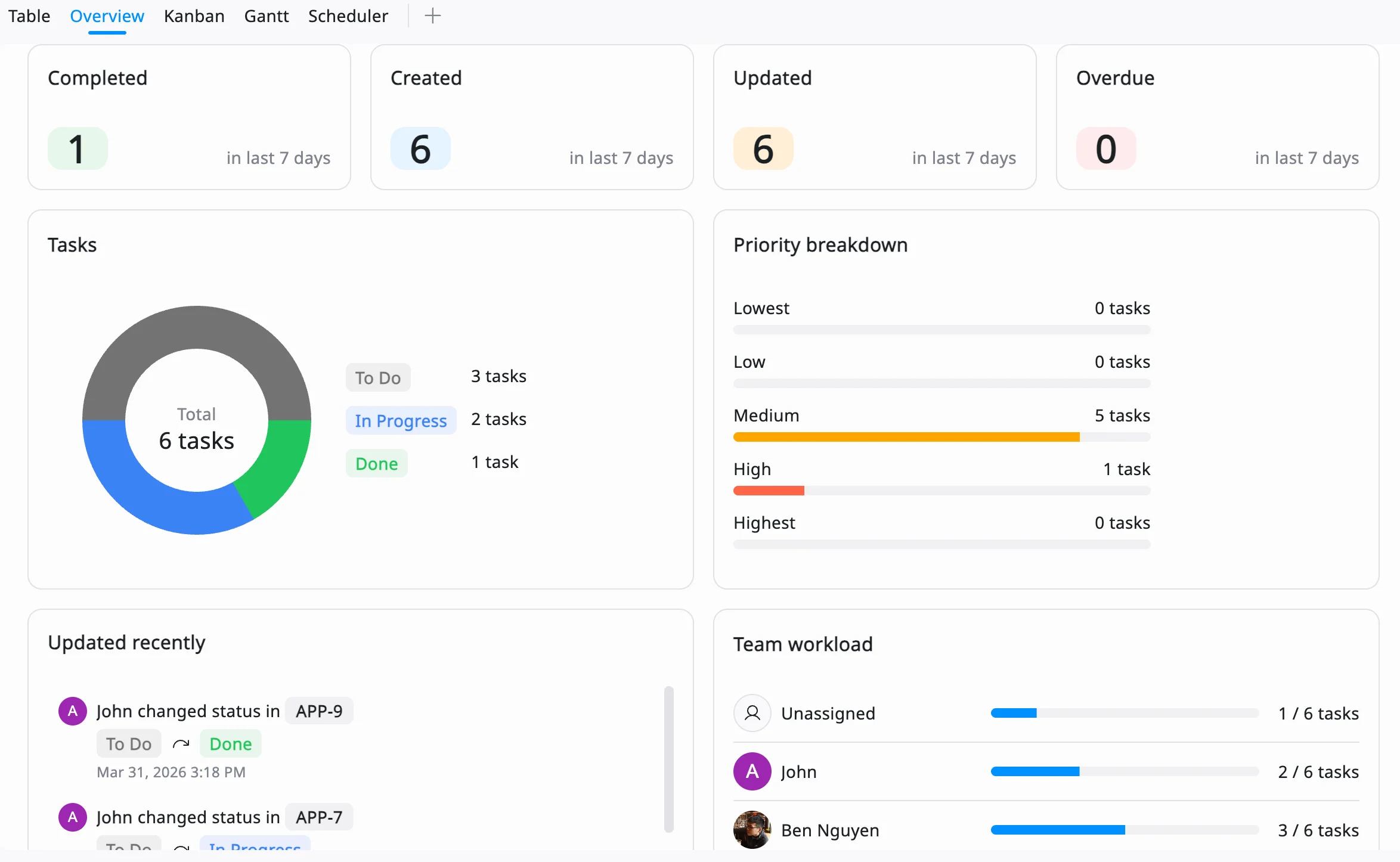
👉 Here, TaskFord supports the full Scrum workflow, not just the sprint itself.
If You’re Using Sprints Without Scrum
If your team uses sprints without the full Scrum framework, keep things simple. Focus on clear goals, visible work, and consistent progress. Use Kanban Board to track tasks, Table View to organize and update them quickly, and Dashboard to review what was completed at the end of each sprint.
👉 Here, TaskFord gives you just enough structure to run effective sprints without adding unnecessary complexity.
Frequently Asked Questions (FAQs)
Is Scrum the same as Agile?
No. Agile is a set of principles, while Scrum is a specific framework used to apply those principles.
Can Scrum work without sprints?
No. Sprints are a core part of Scrum and provide the structure for delivering work in cycles.
Can you have a sprint without Scrum?
Yes. Sprints can be used in other workflows, but teams need their own structure for prioritizing and reviewing work.
What is the difference between Scrum, Agile, and sprints?
Agile is the mindset, Scrum is a framework, and a sprint is a short work cycle used within Scrum or other workflows.
Is Scrum still relevant in 2026?
Yes. Scrum is still widely used, but many teams adapt it to fit their workflow while keeping its core ideas.
Conclusion: Build the House, Not Just the Blocks
The Scrum vs sprint debate stems from oversimplification, hype, and partial adoption. A sprint is a building block, a focused work cycle. Scrum is the house, the full framework of roles, artifacts, and events. Understanding this distinction helps your team avoid wasted effort and deliver value.
Decide what fits your team: the full Scrum framework for structure or time-boxed sprints for flexibility. Commit fully to deliver usable increments, collaborate effectively, and learn continuously. Whether you’re a startup, remote team, or enterprise, focus on outcomes, not labels.
Related Articles













How to Build and Manage a Product Roadmap with TaskFord









How to Build a Connected Project Timeline in TaskFord







What Are the Best Jira Alternatives for Scrum Teams?





















How WBS Reveals Delivery Breakdown Before It’s Too Late







![How To Conduct a Profound Stakeholder Analysis [+ Free Template]](/marketing/blog/stakeholder-analysis.webp)











What to Look for in Scrum Tools (Beyond Kanban Boards)


![Project Management Calendar for Teams and Managers [Free Templates]](/marketing/blog/project-management-calendar.webp)






How to Define Project Deliverables: A Step-by-Step Guide





![RACI Chart in Project Management: Rules & Examples [Free Download]](/marketing/blog/raci-chart.webp)












![7 Must-Have Project Management Documents Every PO Should Know [Free Templates]](/marketing/blog/project-management-documents.webp)








![How to Create a Winning Project Plan for IT Projects [10 Steps Included]](/marketing/blog/how-to-create-a-project-plan.webp)




![Daily Standup Best Practices: Apply AI to Organize Meetings Successfully [2026 Trends]](/marketing/blog/daily-standup.webp)





![How to Create a Project Communication Plan: Step-by-Step Guide [+Free Template]](/marketing/blog/project-communication-plan.png)

![Master Project Procurement Management in 5 Steps [Download a free plan template]](/marketing/blog/project-procurement-management.webp)


























Subscribe for Expert Tips
Unlock expert insights and stay ahead with TaskFord. Sign up now to receive valuable tips, strategies, and updates directly in your inbox.