Inside the Mind of an Agile Project Manager: Skills, Mindsets, and Daily Decisions
Discover the skills, mindset, and daily decisions that make agile project managers successful, and learn how TaskFord helps them deliver projects efficiently.
Agile project management has changed how teams tackle projects, focusing on flexibility, teamwork, and steady progress. The agile project manager is the key player, guiding teams through challenges with practical skills, a clear mindset, and smart daily decisions. This blog dives into what makes an agile project manager successful, covering their core abilities, thought processes, and choices. Whether you’re new to project management or looking to improve, this guide offers clear insights to help you succeed in this dynamic role.
What Is an Agile Project Manager?
An agile project manager is a project leader who guides teams using agile methodologies such as Scrum and Kanban. Unlike traditional project managers who follow rigid plans, they embrace change, encourage collaboration, and help teams deliver value through continuous improvement. This role is especially well-suited to dynamic, fast-paced projects where requirements evolve and flexibility is essential.
They act as coaches, keeping teams focused, removing obstacles, and adapting to changing priorities throughout the project lifecycle. For example, if a client requests a new feature mid-project, they work with the team to adjust priorities without losing momentum while ensuring the project continues to deliver value to customers and stakeholders.
Why Agile Project Managers Matter
In today’s fast-changing business environment, projects rarely follow a perfectly predictable path. Customer expectations evolve, market conditions shift, and new priorities can emerge at any time. Agile project managers help teams navigate these changes while keeping projects focused on delivering value.
- They keep teams adaptable: Agile project managers help teams respond quickly to changing requirements without losing sight of project goals.
- They improve collaboration: By facilitating communication between team members, stakeholders, and customers, they ensure everyone stays aligned and informed.
- They remove obstacles: Agile project managers identify and address roadblocks that could slow progress, helping teams maintain momentum.
- They focus on customer value: Rather than simply completing tasks, they prioritize work that delivers meaningful outcomes for users and stakeholders.
- They support continuous improvement: Through regular feedback, retrospectives, and process refinement, they help teams become more efficient and effective over time.
Without strong agile project management, teams can struggle with shifting priorities, communication gaps, and inefficient workflows. Agile project managers provide the structure and guidance needed to keep projects moving forward while remaining flexible enough to adapt to change.
Key Skills of an Agile Project Manager
Agile project managers need a mix of practical and people skills to keep projects on track. Here’s a breakdown of their core abilities:
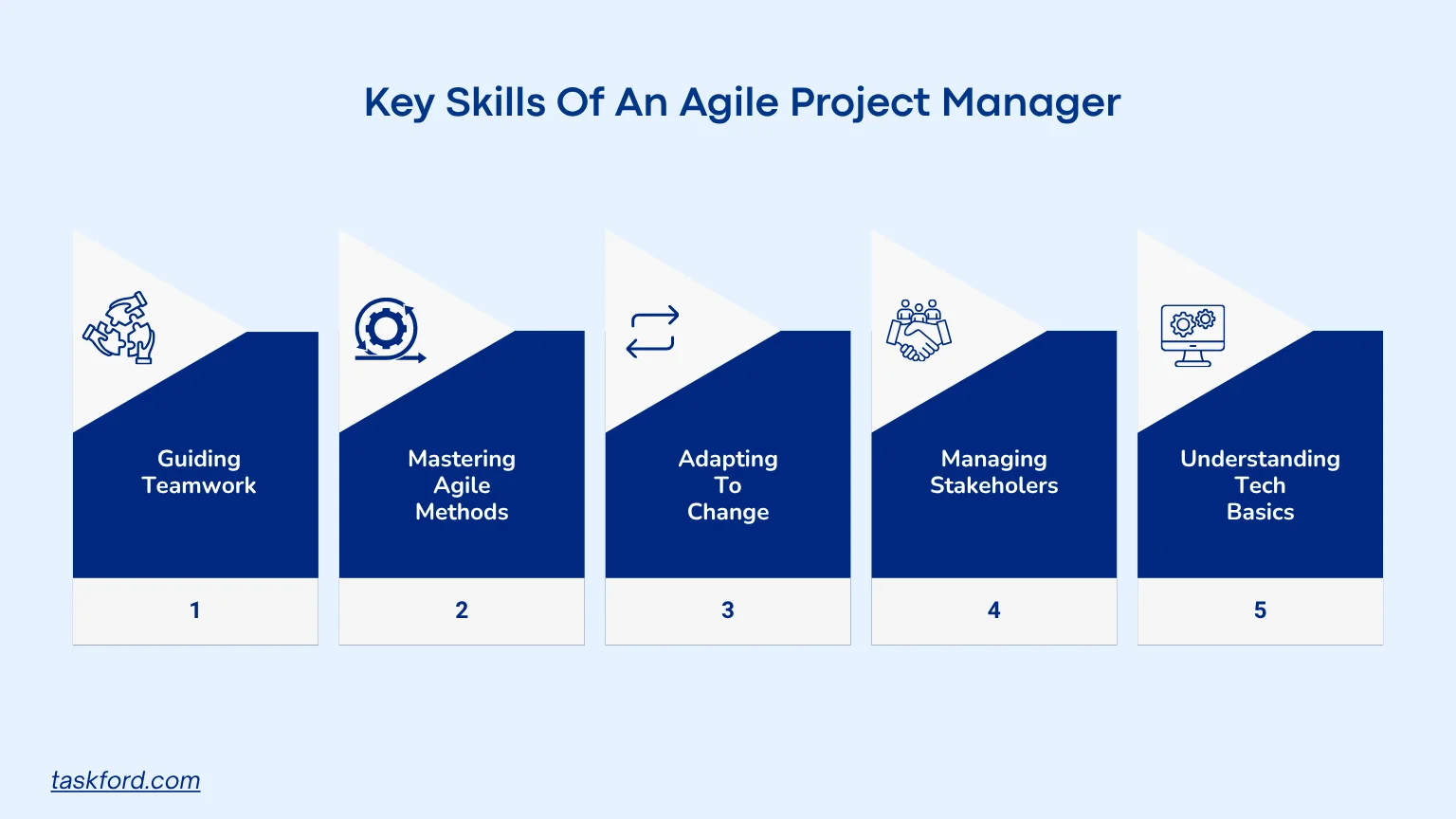
Guiding Teamwork
Agile project managers bring teams together, creating spaces where developers, designers, and stakeholders can share ideas freely.
- During daily stand-ups, they ensure everyone’s voice is heard.
- If someone’s stuck, they listen and help clear obstacles, like connecting a team member with an expert.
- They keep discussions focused, resolving conflicts without taking over.
Mastering Agile Methods
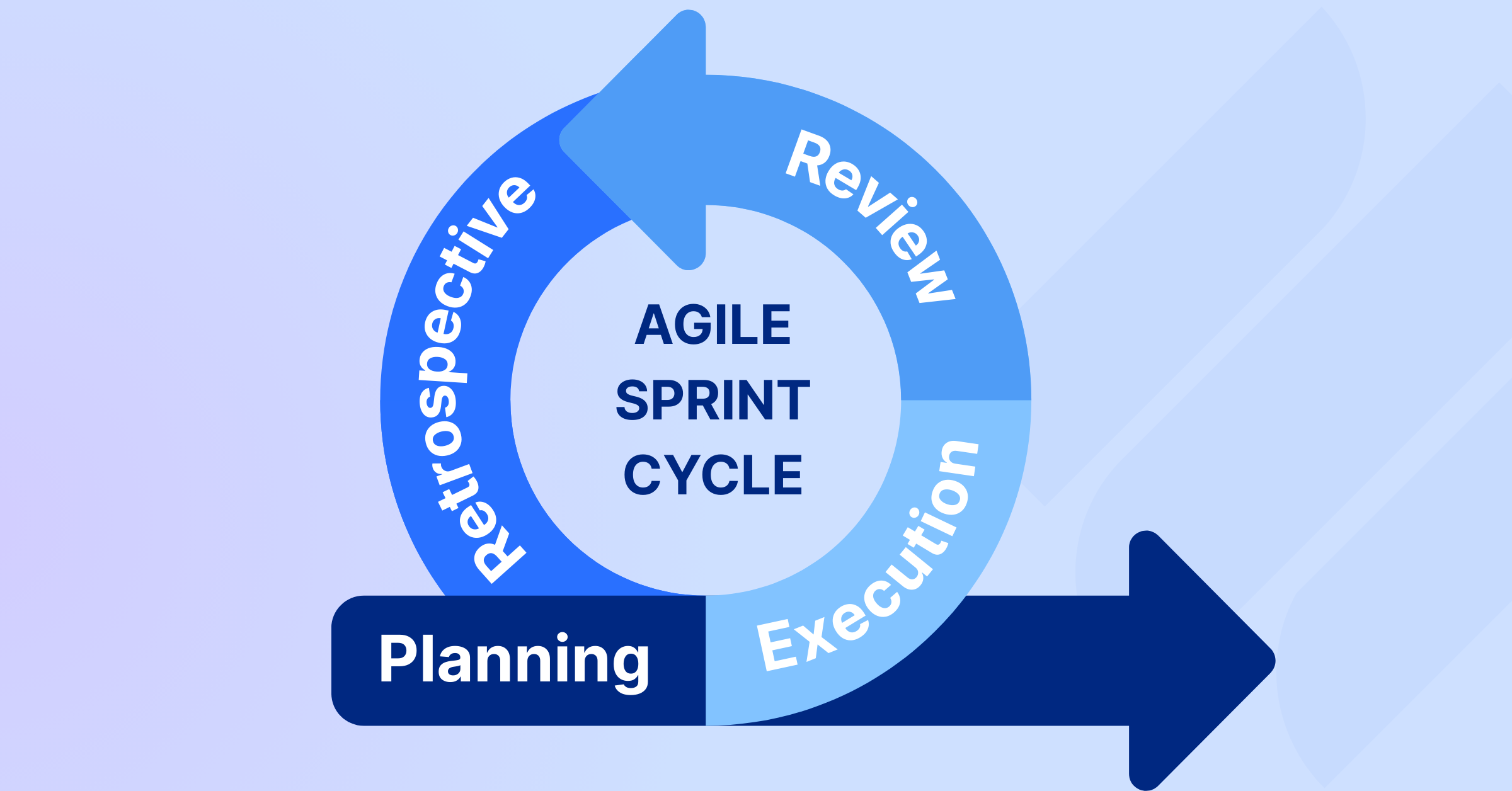
A deep understanding of Agile Methodologies is essential. They use Scrum’s sprints or Kanban’s task prioritization to keep projects moving.
- They might mix methods, like combining Scrum’s structure with Kanban’s flexibility.
- This tailored approach keeps teams aligned with project goals.
- They guide teams through iterative cycles, ensuring steady progress.
Adapting to Change
Change is part of the job, and they handle it with ease.
- If a client adds a new feature, they assess its impact and adjust plans.
- They consult the team to ensure changes don’t disrupt progress.
- Quick thinking keeps projects on track despite surprises.
Managing Stakeholders
Keeping everyone aligned is crucial. They balance the needs of clients, executives, and teams.
- They share updates using visuals like burndown charts.
- They gather feedback to ensure the project meets expectations.
- They manage requests without overwhelming the team.
Understanding Tech Basics
While not always coders, they know enough tech to talk with developers.
- In software projects, they might understand APIs or cloud systems.
- This helps them make smart decisions about tasks and resources.
- It bridges the gap between technical and non-technical team members.
The Agile Project Manager’s Mindset
The way an agile project manager thinks shapes their success. They approach challenges with a mindset that keeps the team and project moving forward.
- Embrace change: Agile project managers see change as an opportunity to improve outcomes rather than a disruption. When customer needs shift, they adjust priorities and help teams adapt while staying focused on delivering value.
- Practice servant leadership: Instead of giving orders, they support their teams by removing obstacles and providing guidance. This approach builds trust, encourages ownership, and creates a collaborative work environment.
- Commit to continuous improvement: Agile project managers regularly review processes, gather feedback, and identify ways to improve team performance. They also invest in their own professional development to stay current with agile best practices.
- Focus on customer value: Every decision is guided by the goal of delivering value to the customer. They work closely with stakeholders and product owners to ensure the team’s efforts solve real problems and meet user needs.
How to Become an Agile Project Manager
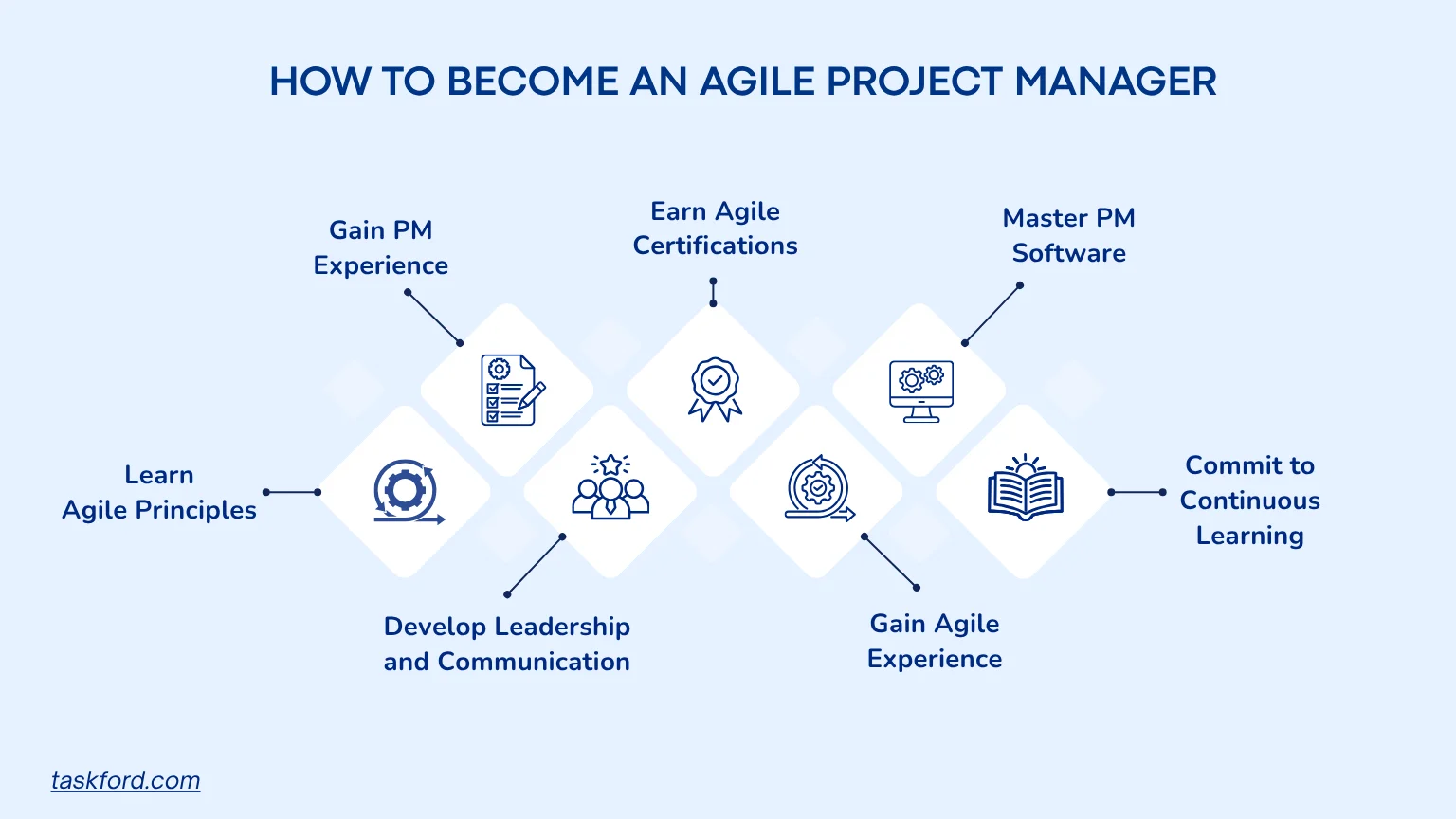
1. Learn Agile Principles and Frameworks
A strong understanding of agile methodologies is the foundation of becoming an agile project manager. Start by learning popular frameworks such as Scrum, Kanban, and Lean, along with the values and principles outlined in the Agile Manifesto. Understanding concepts such as iterative development, continuous feedback, and customer collaboration will help you lead agile teams more effectively and make better project decisions.
2. Gain Project Management Experience
Practical experience is essential for building the skills needed to manage projects successfully. Many agile project managers begin their careers in roles such as project coordinator, business analyst, or team lead before moving into project management positions. These roles provide valuable exposure to planning, stakeholder communication, risk management, and team coordination.
3. Develop Leadership and Communication Skills
Agile project managers spend much of their time helping teams collaborate and overcome challenges. Strong leadership and communication skills enable them to build trust, facilitate discussions, and keep everyone aligned around common goals.
Key areas to focus on include:
- Active listening and effective communication
- Conflict resolution and problem-solving
- Meeting facilitation and stakeholder management
- Servant leadership and team empowerment
4. Earn Agile Certifications
Certifications can strengthen your understanding of agile practices and demonstrate your expertise to employers. Popular options include Certified ScrumMaster (CSM), Professional Scrum Master (PSM), and PMI Agile Certified Practitioner (PMI-ACP). While certifications should not replace practical experience, they can help validate your skills and improve career opportunities.
5. Gain Hands-On Agile Experience
The best way to learn agile project management is by participating in agile teams. Working directly with agile processes allows you to see how teams plan, execute, and improve their work.
Look for opportunities to:
- Participate in sprint planning and retrospectives
- Help manage backlogs and prioritize work
- Facilitate stand-ups and team discussions
- Support continuous improvement initiatives
6. Master Agile Project Management Tools
Modern agile teams rely on project management software to improve visibility and collaboration. Learning platforms such as TaskFord, Jira, Trello, or Asana will help you understand how agile work is organized, tracked, and delivered. Familiarity with these tools is often expected for agile project management roles.
7. Commit to Continuous Learning
Agile project management is built on continuous improvement, and that principle applies to project managers as well. Stay current by reading industry publications, attending workshops, joining agile communities, and learning from experienced practitioners. The most successful agile project managers are always looking for ways to refine their skills and adapt to new challenges.
How Agile Project Managers Differ from Others
Each type of project manager has a unique approach:
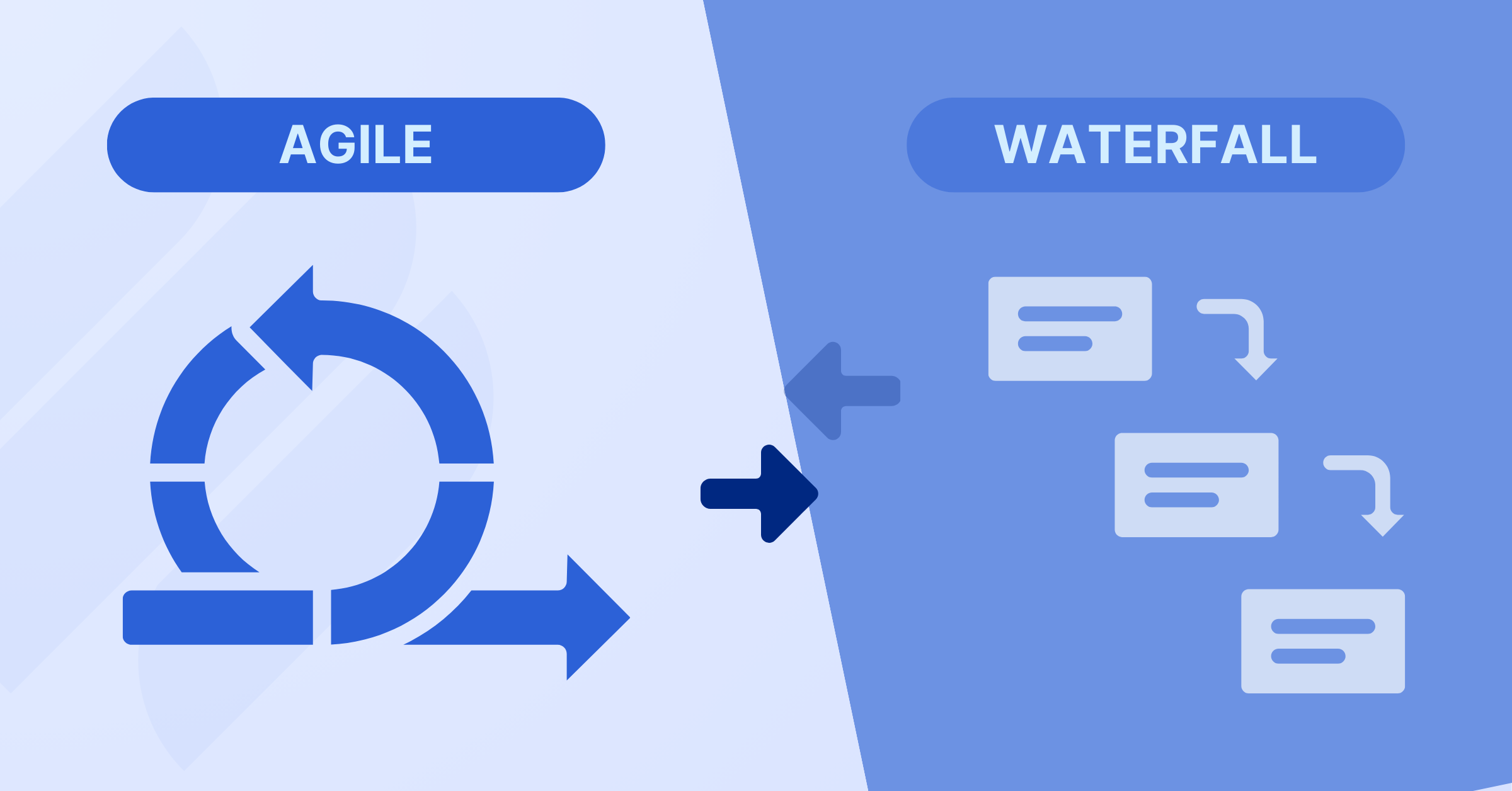
- Waterfall: Plans every step upfront, best for fixed projects like construction.
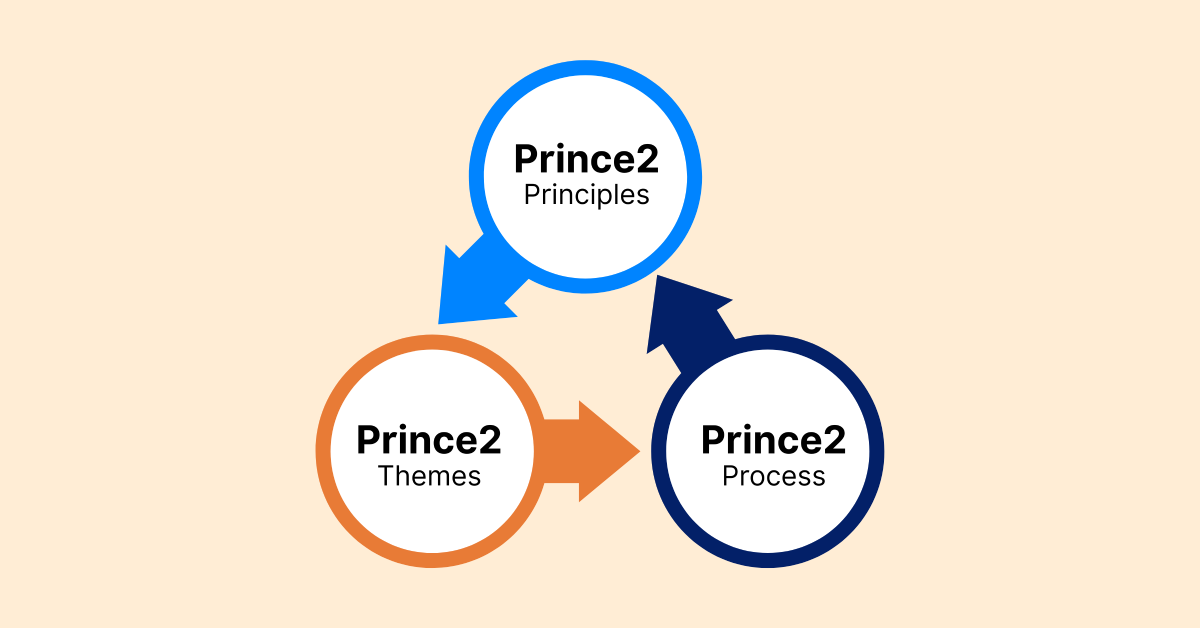
- PRINCE2: Uses strict processes, ideal for regulated industries like finance.
- Lean: Focuses on efficiency, common in manufacturing.
- Agile: Adapts quickly, perfect for tech or creative projects.
Agile project managers stand out for their ability to handle change and empower teams, making them ideal for fast-paced environments.
How TaskFord Supports Agile Project Management
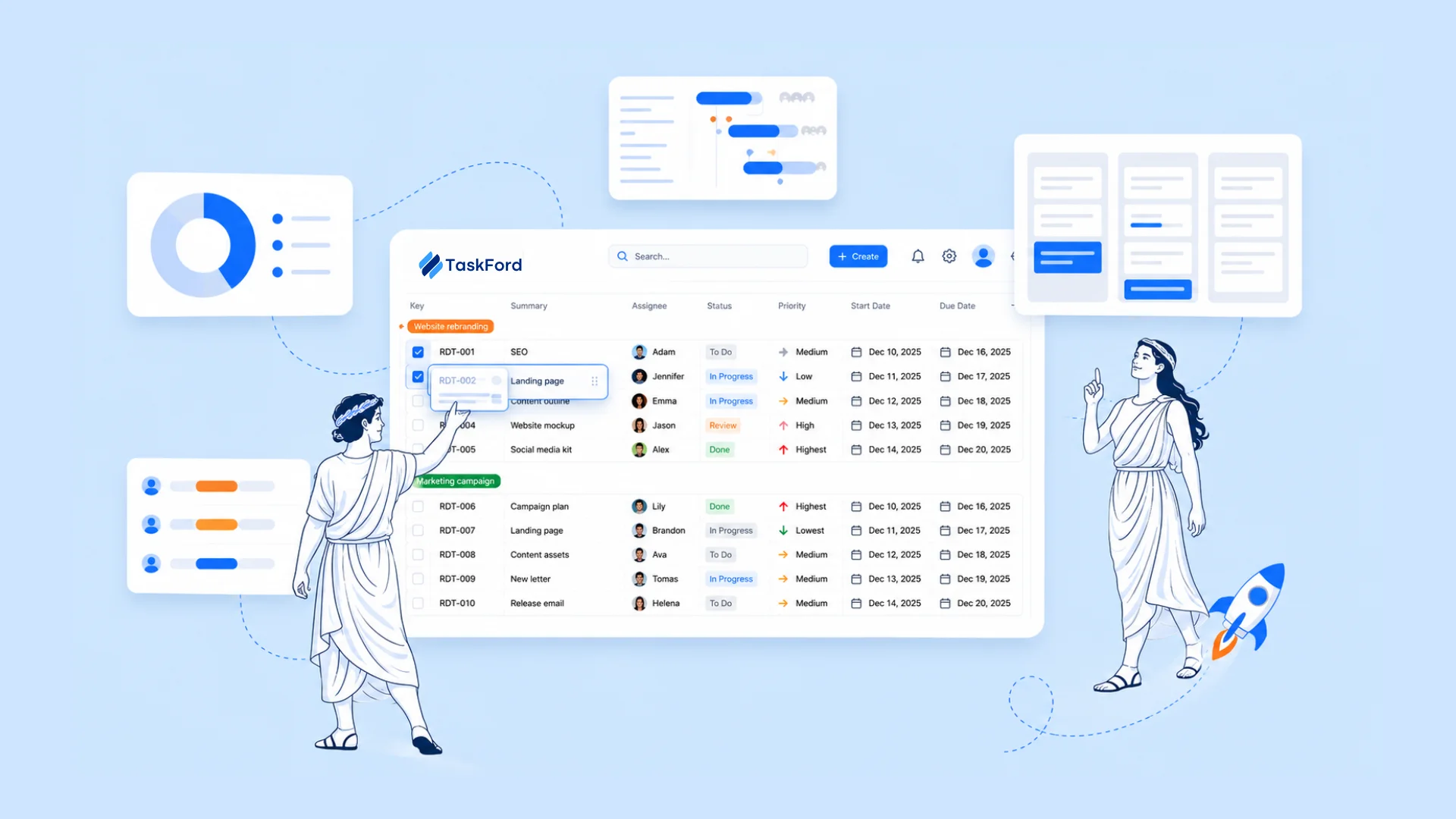
TaskFord is an integrated work delivery platform that empowers agile project managers to keep projects organized and teams aligned. It offers features tailored to agile methodologies like Scrum and Kanban, making it easier to manage tasks, sprints, and resources effectively. Here’s how TaskFord supports agile project management:
-
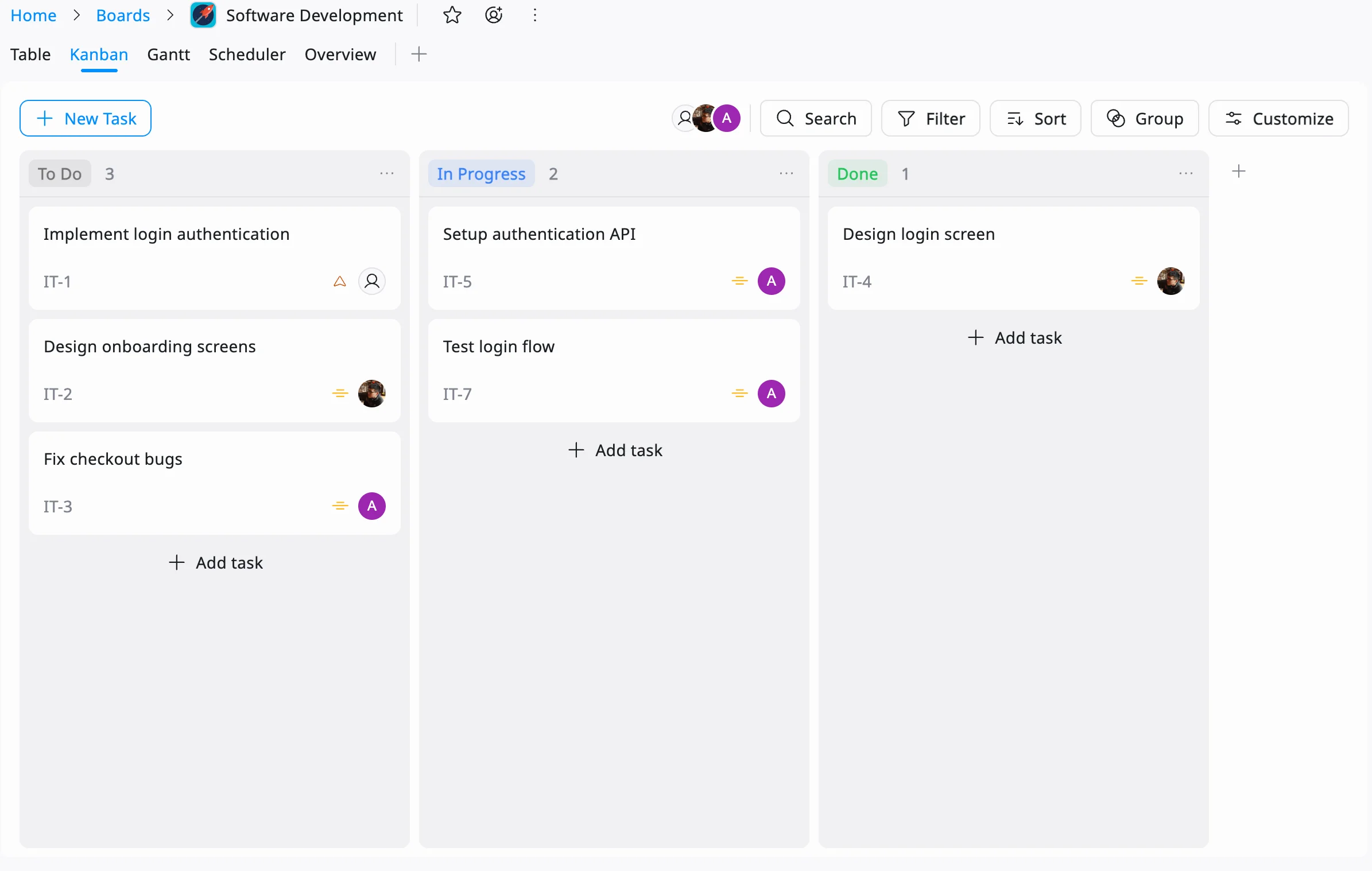
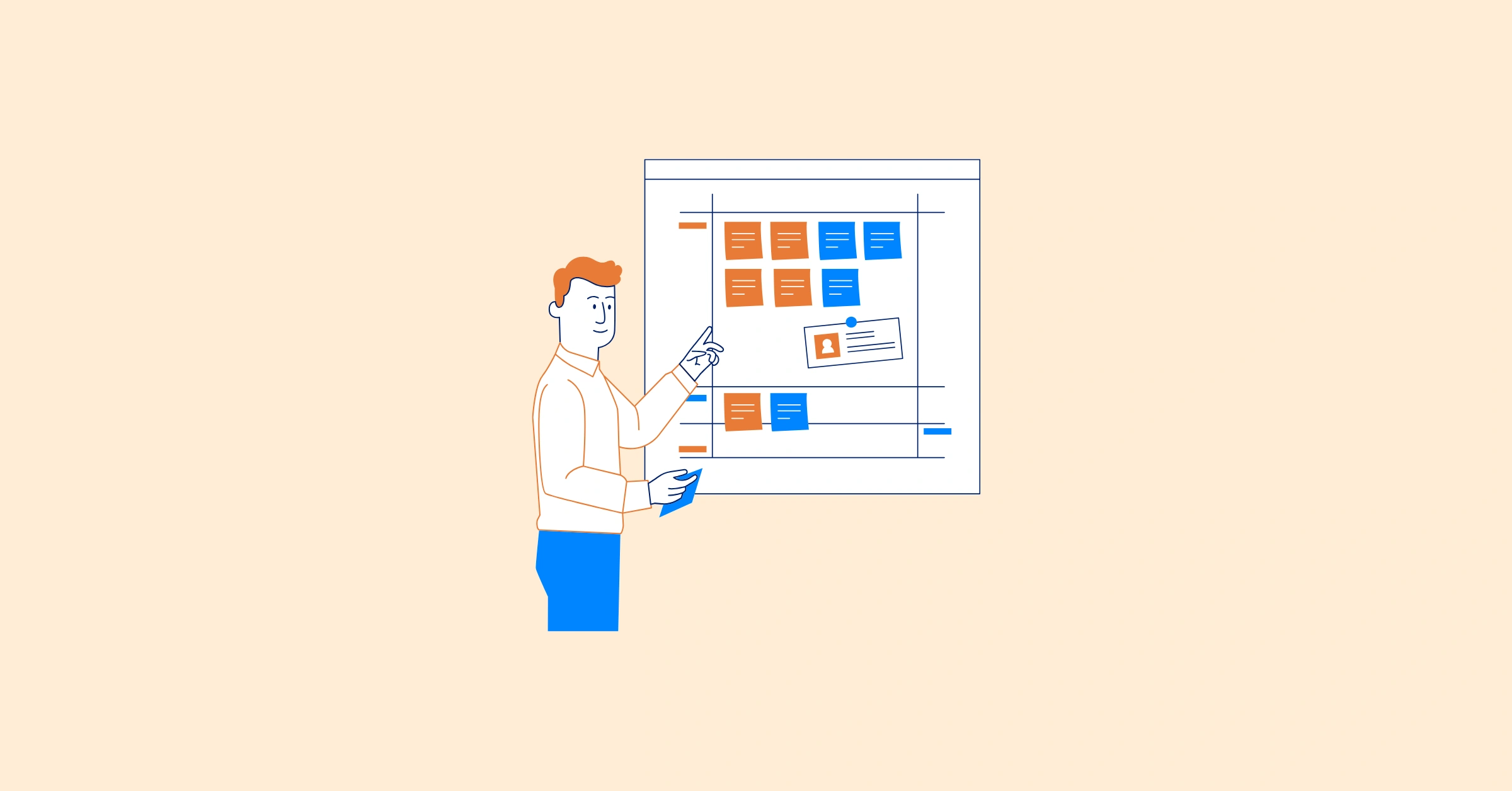
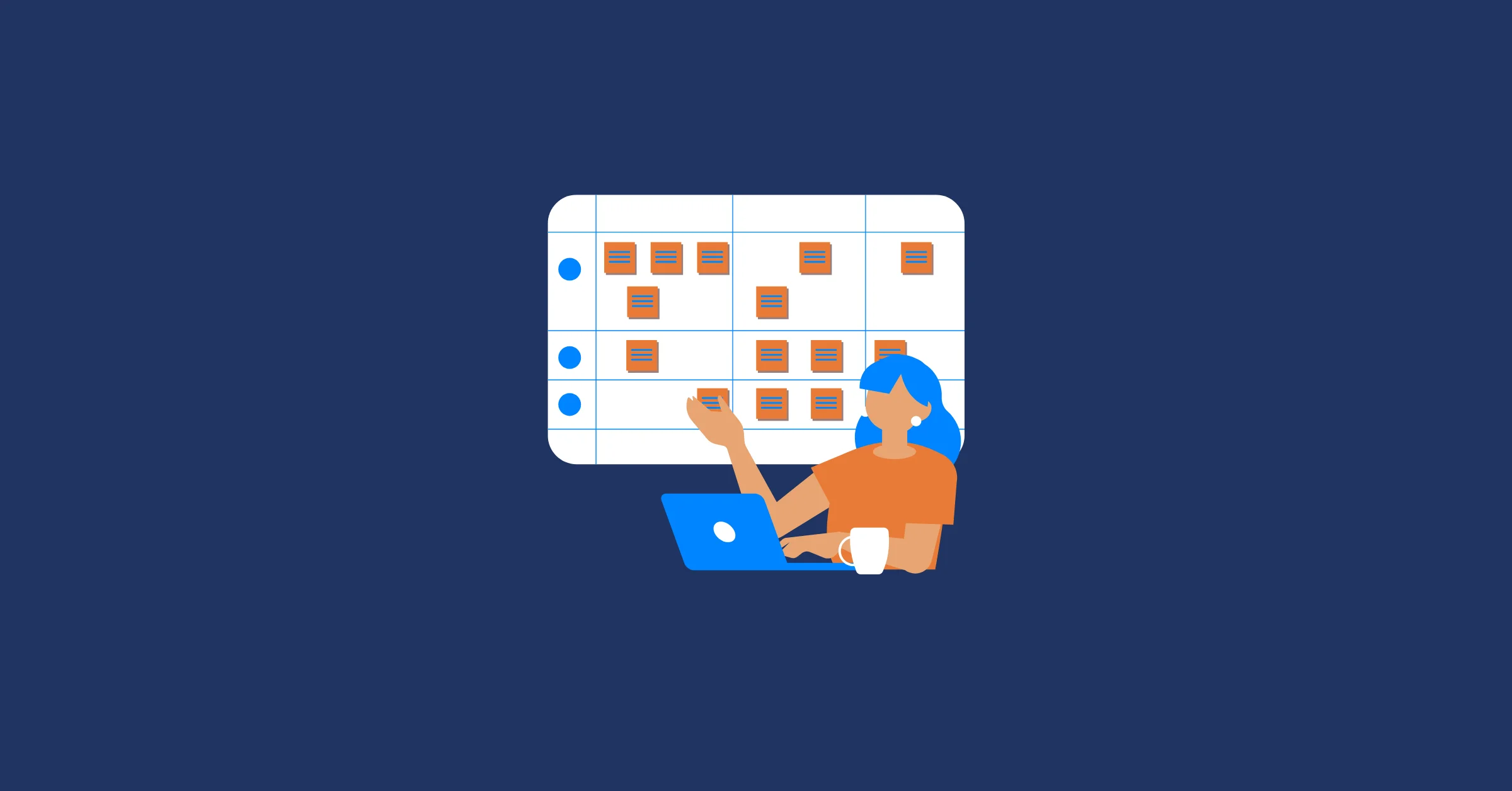
Customizable Kanban Boards: TaskFord’s Kanban boards let teams visualize tasks and track progress in real time. Agile project managers can set up columns to match their sprint or Kanban process, helping everyone see what’s in progress and what’s next. This clarity keeps teams focused and makes it easy to adjust priorities when requirements change.
-
Sprint Planning and Backlog Management: TaskFord simplifies sprint planning with user-friendly tools for creating user stories and prioritizing tasks. Managers can use drag-and-drop features to plan sprints and refine the backlog, ensuring focus on high-priority items. This breaks complex projects into manageable steps, aligning with agile principles.
-
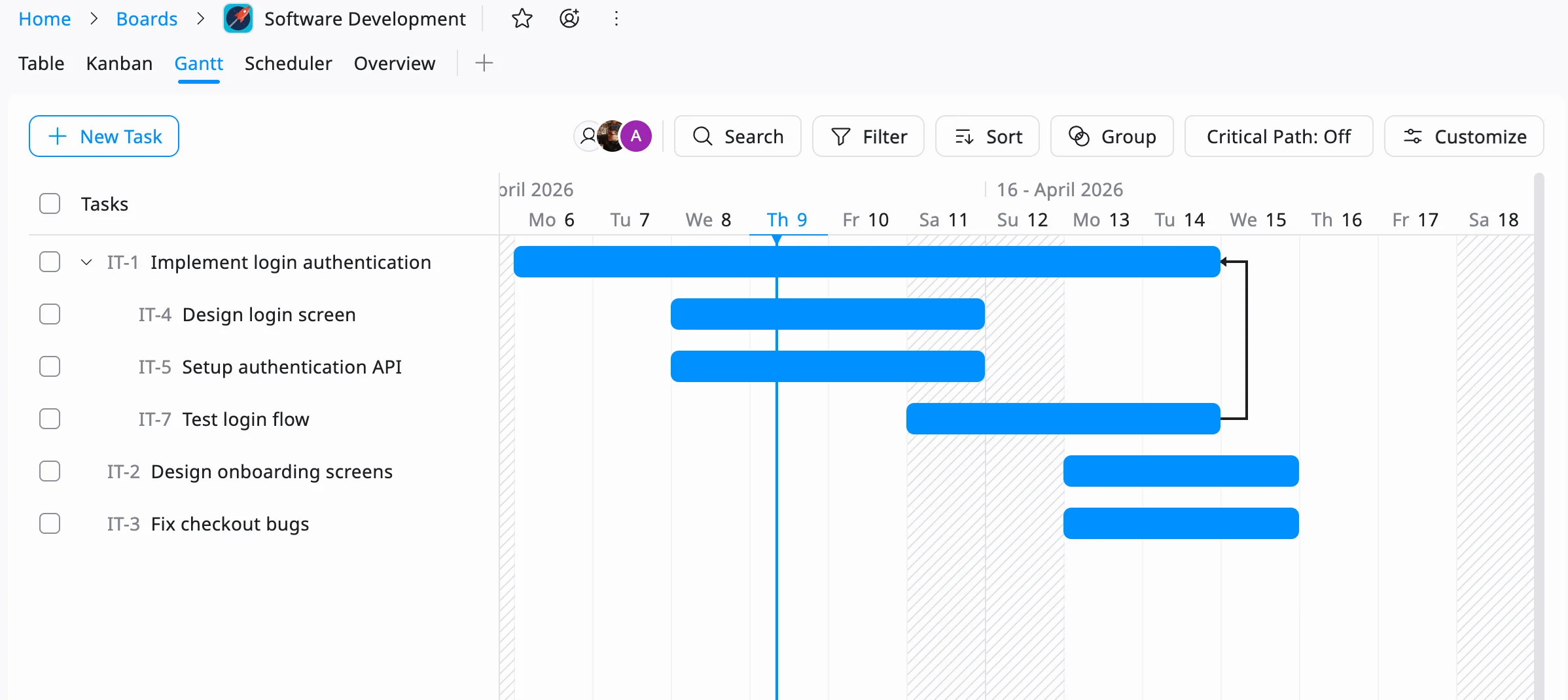
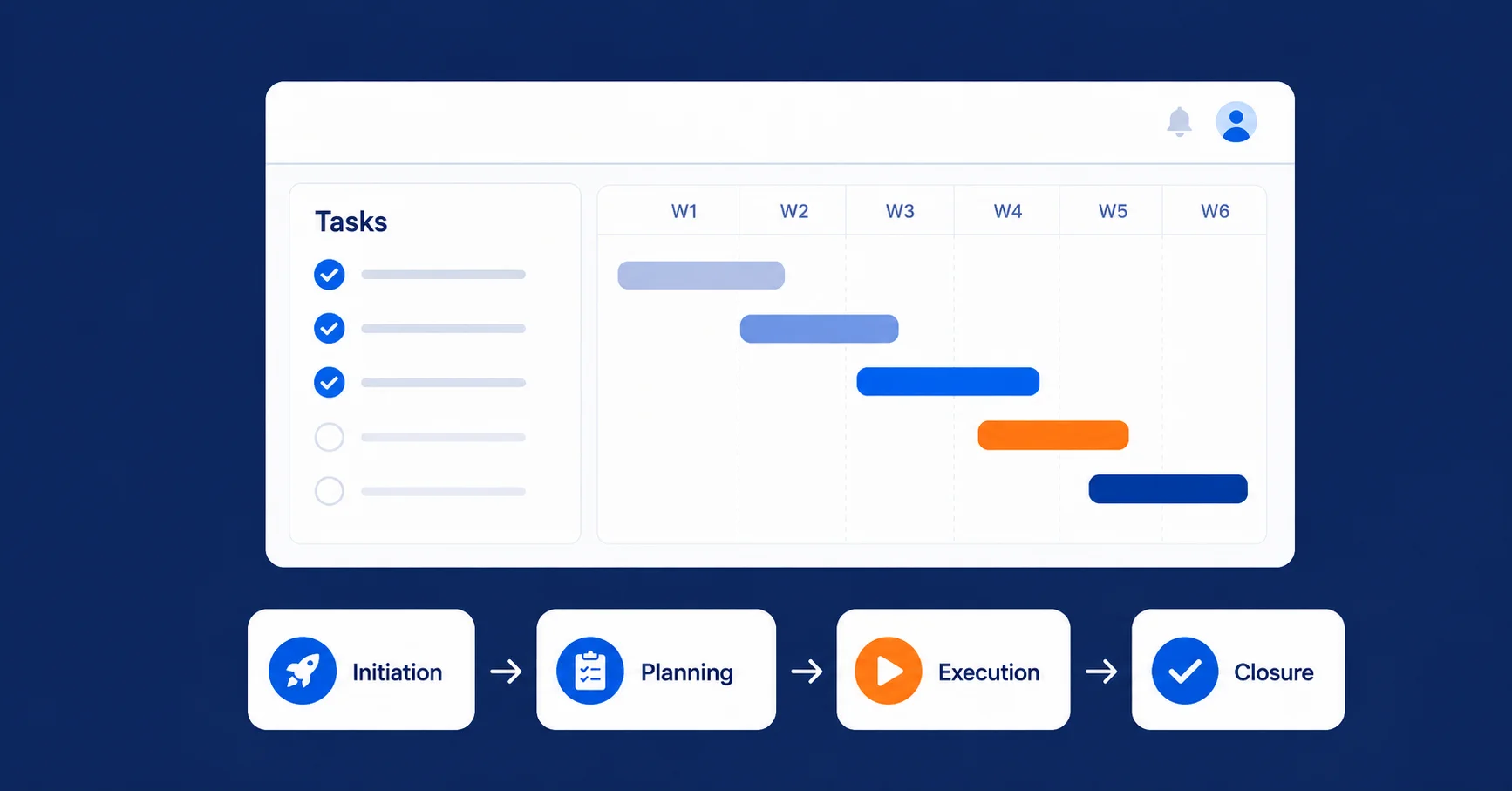
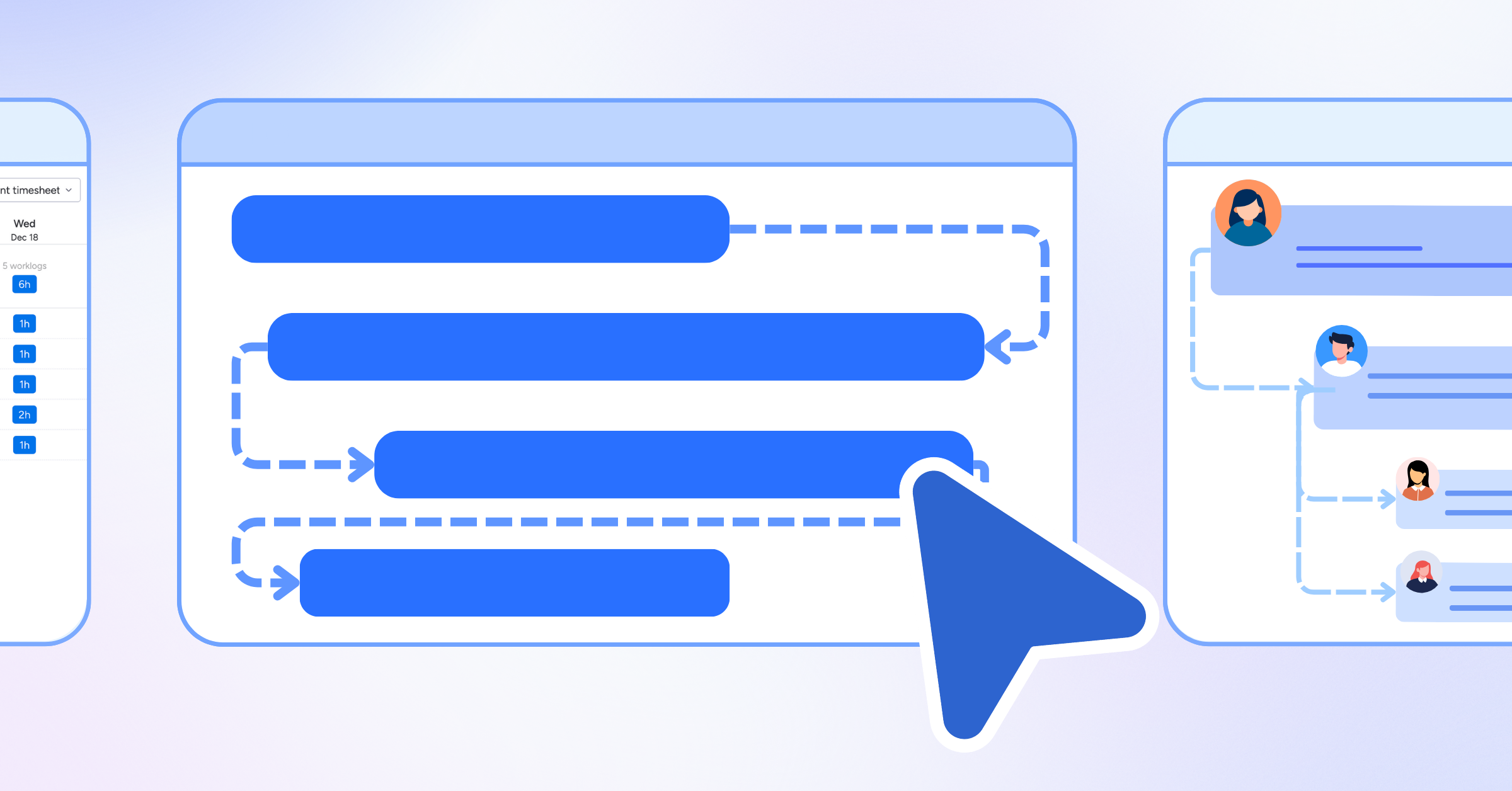
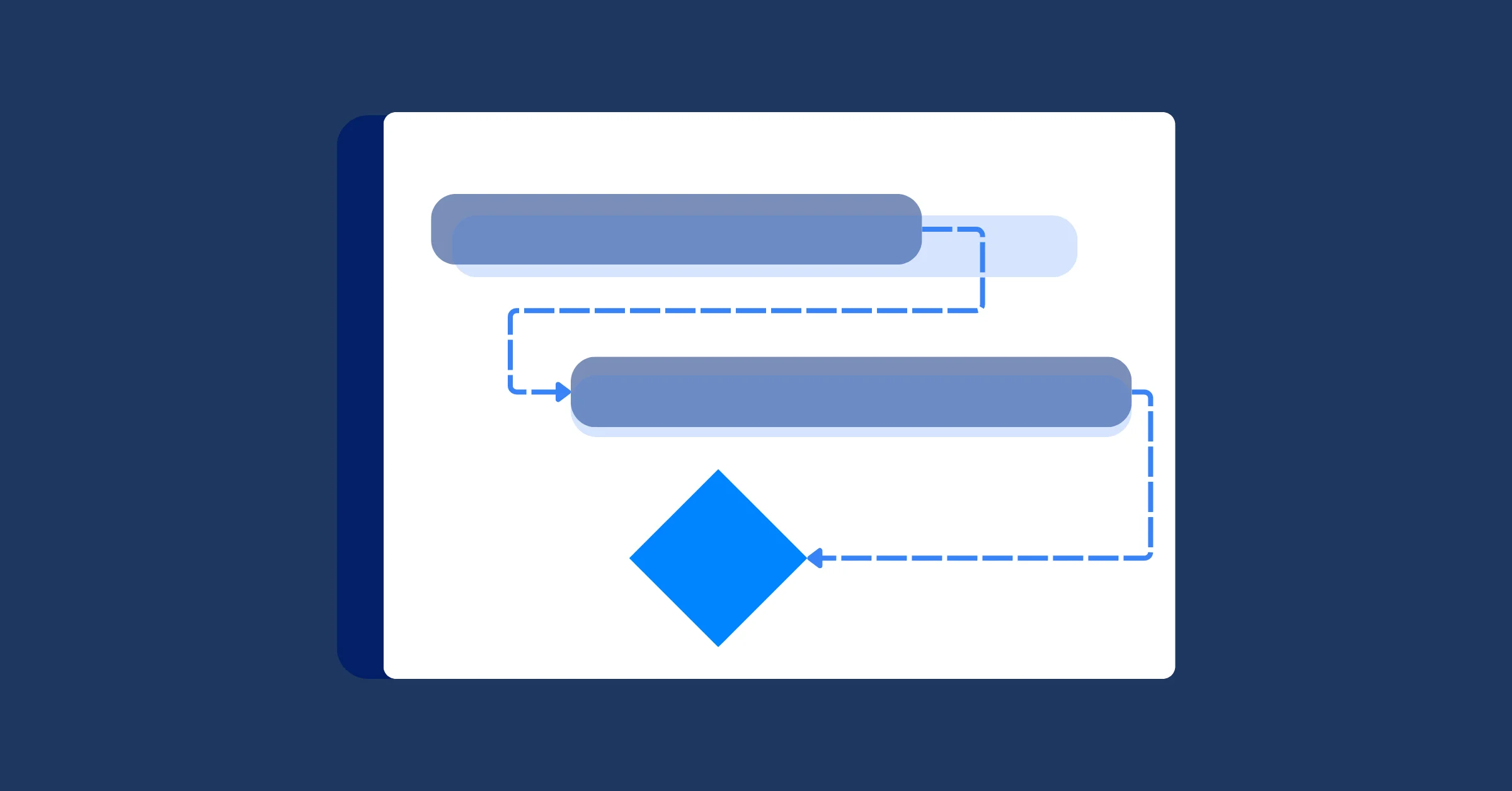
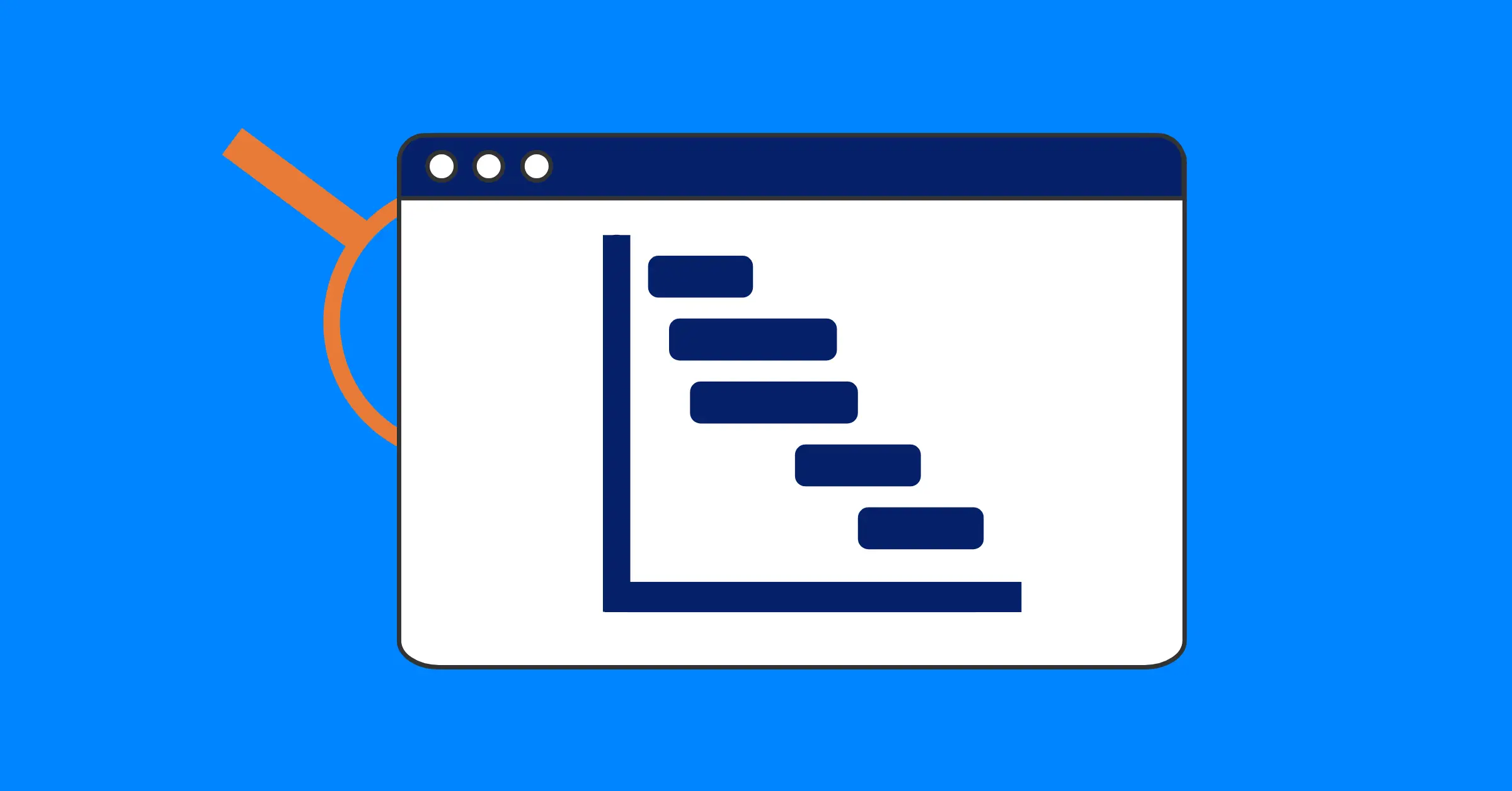
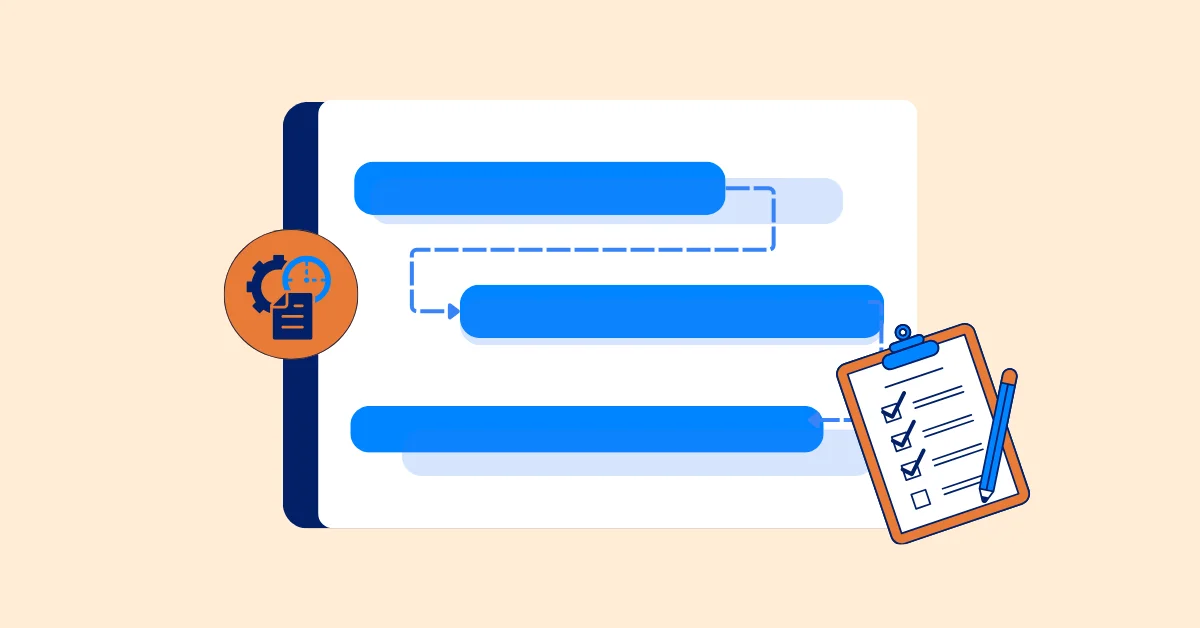
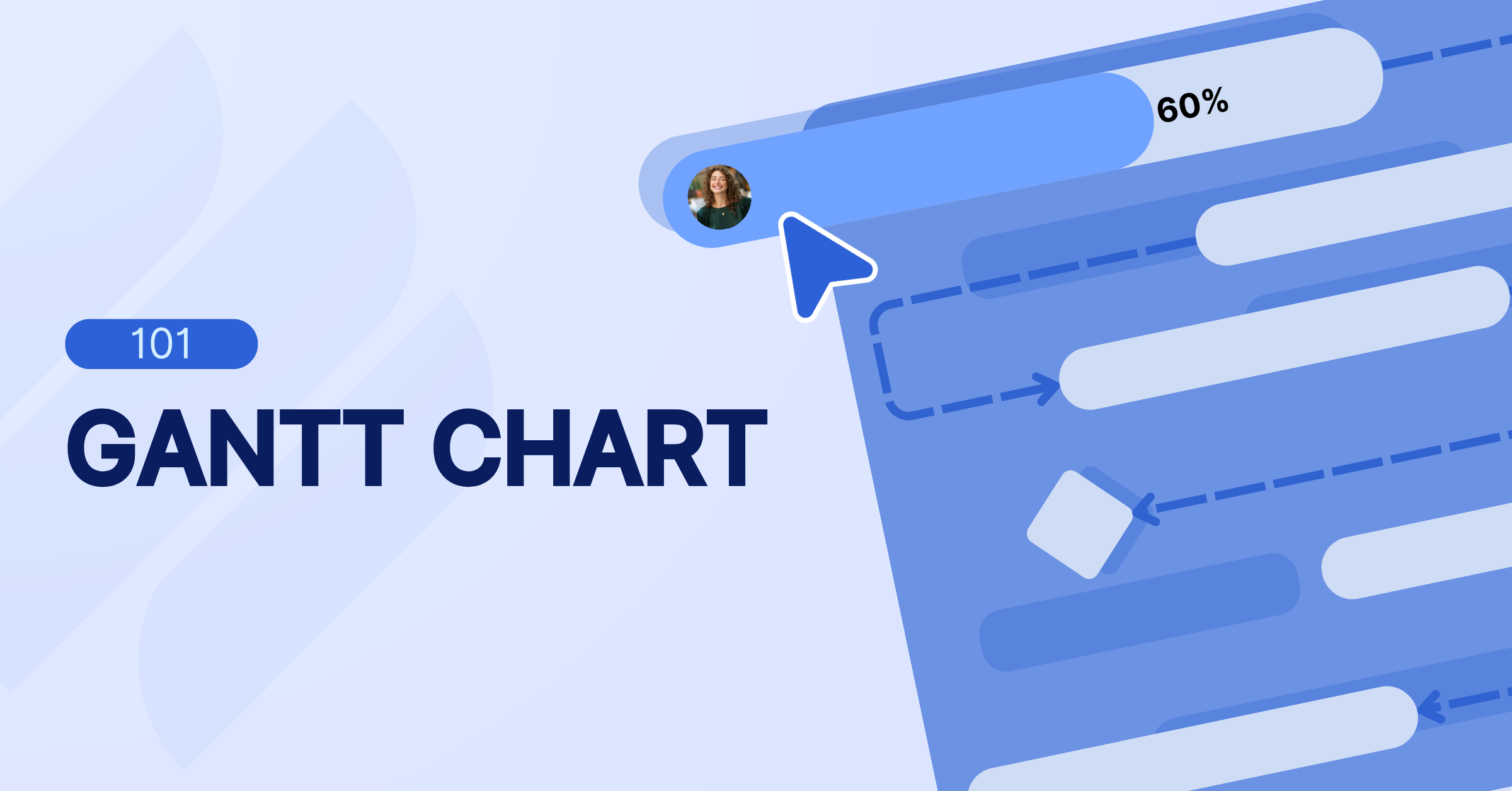
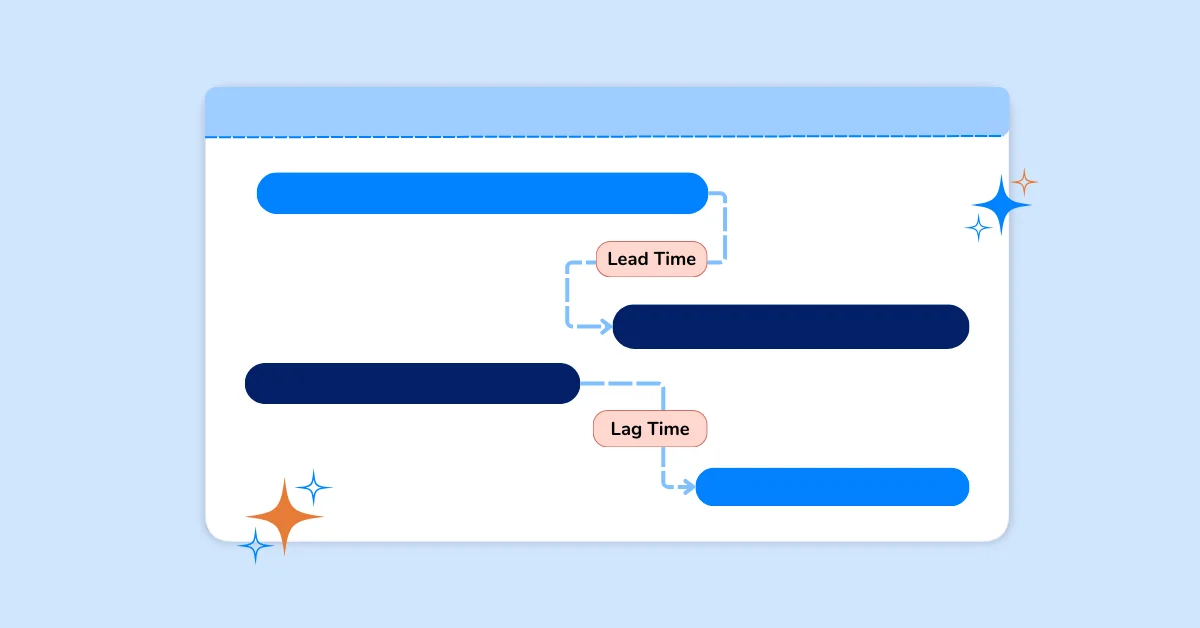
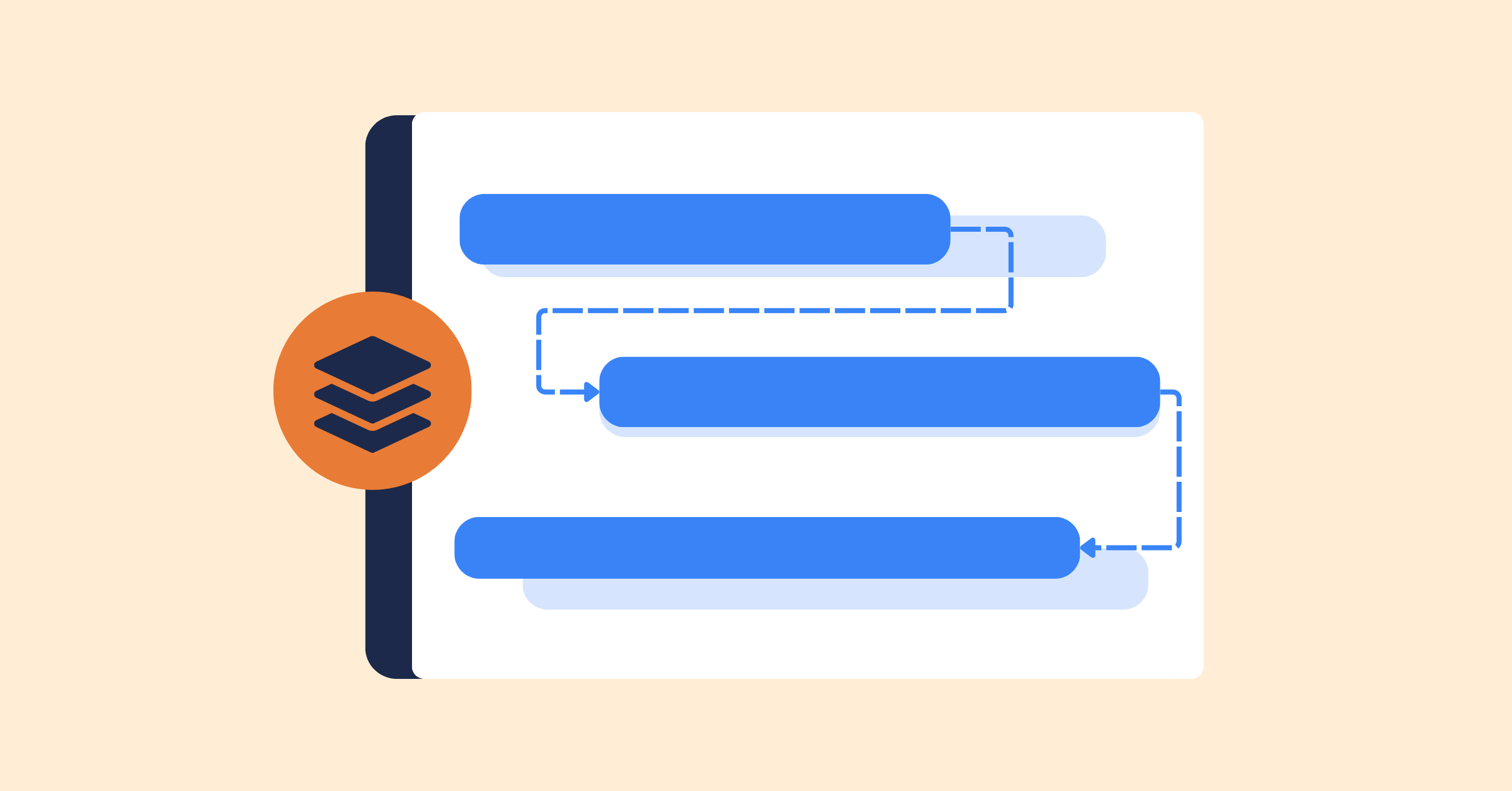
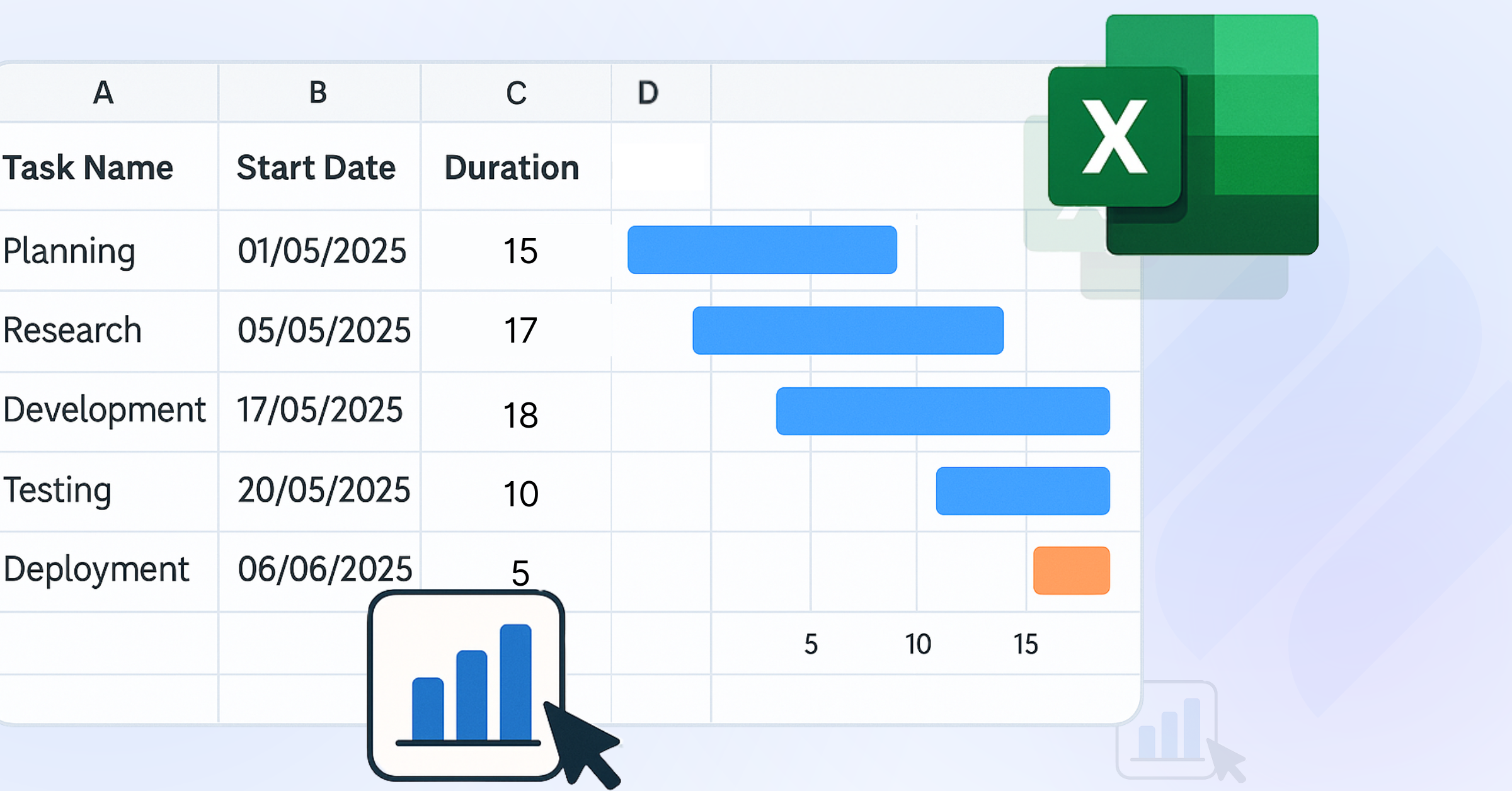
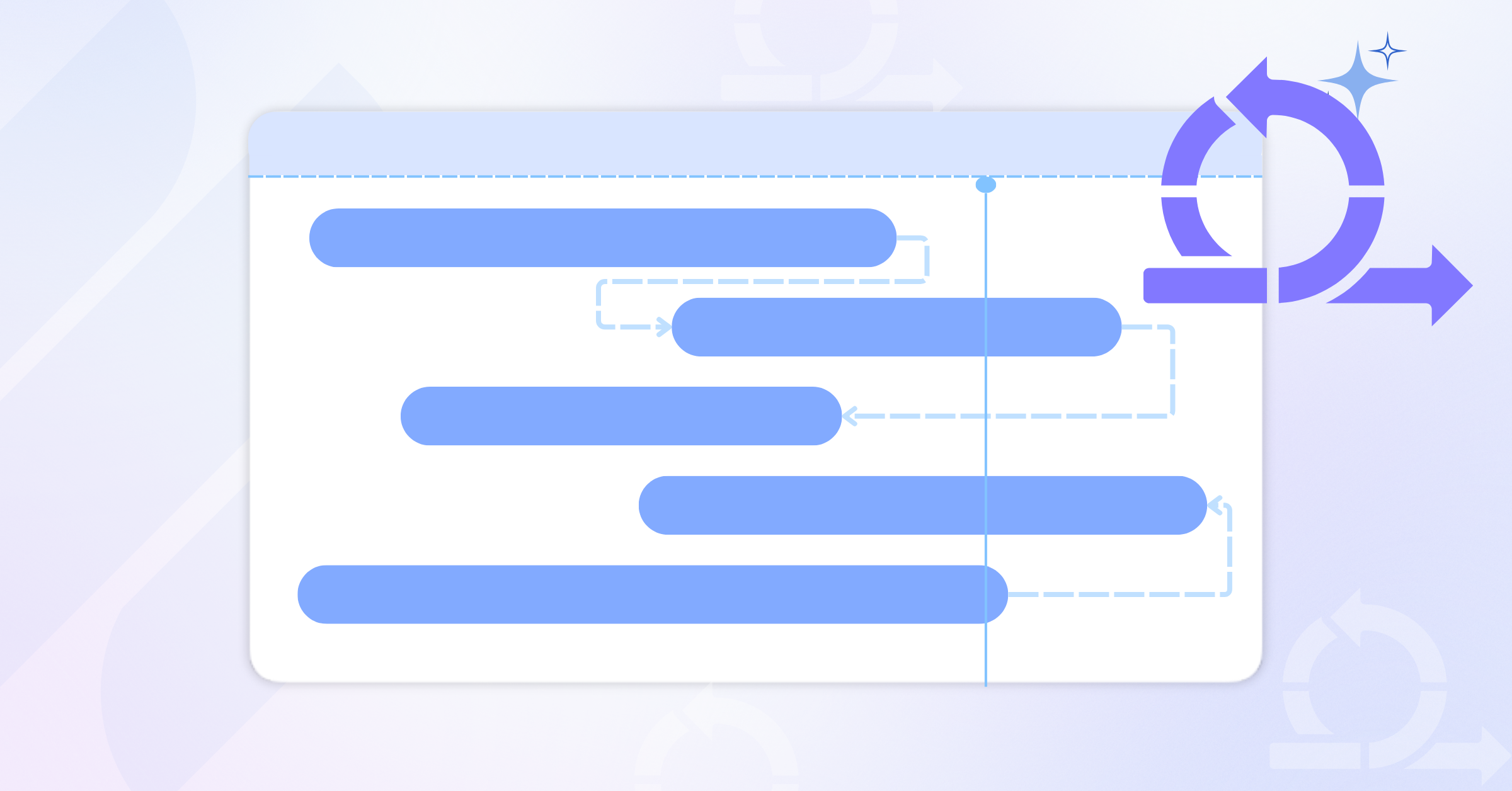
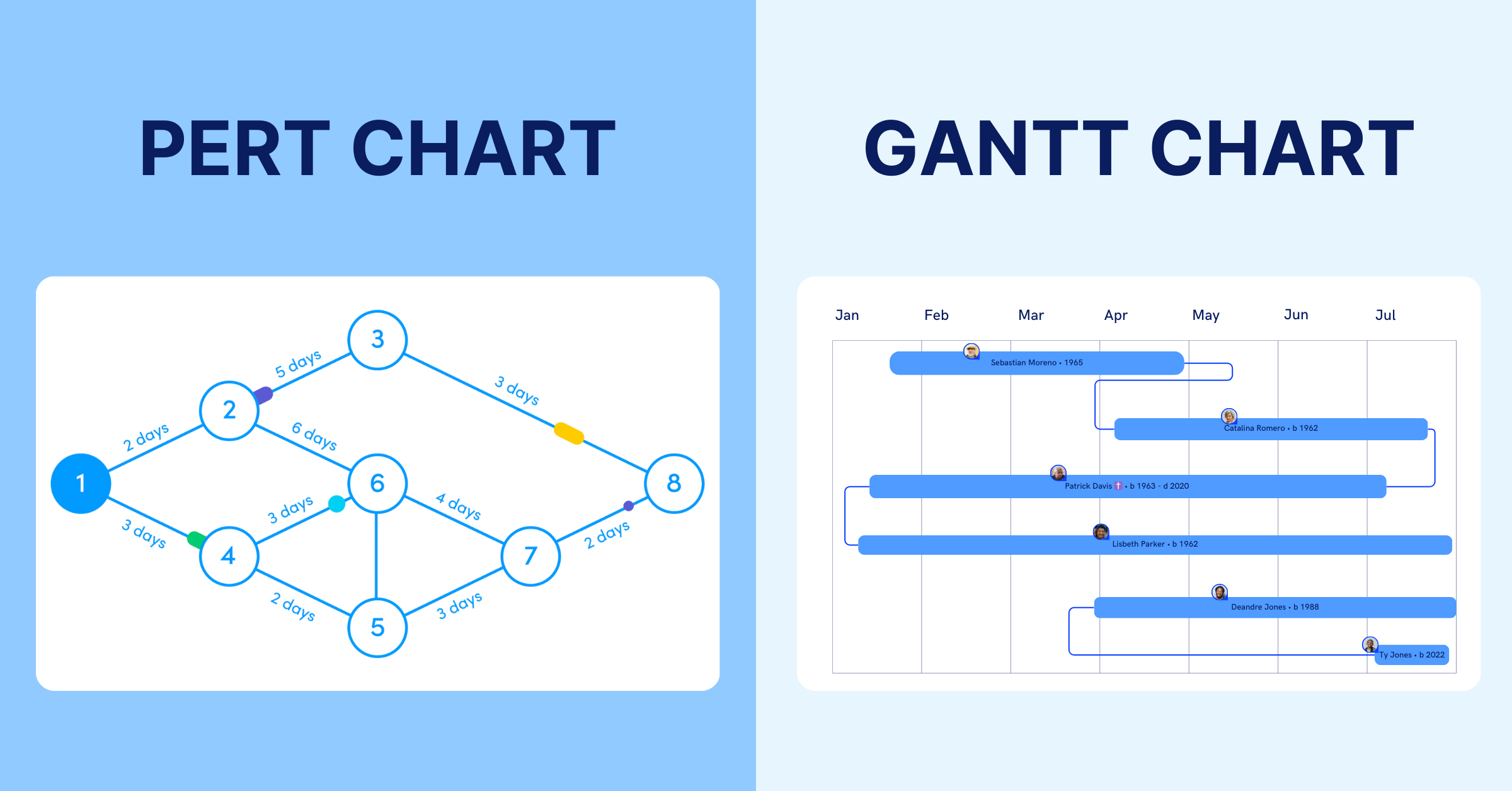
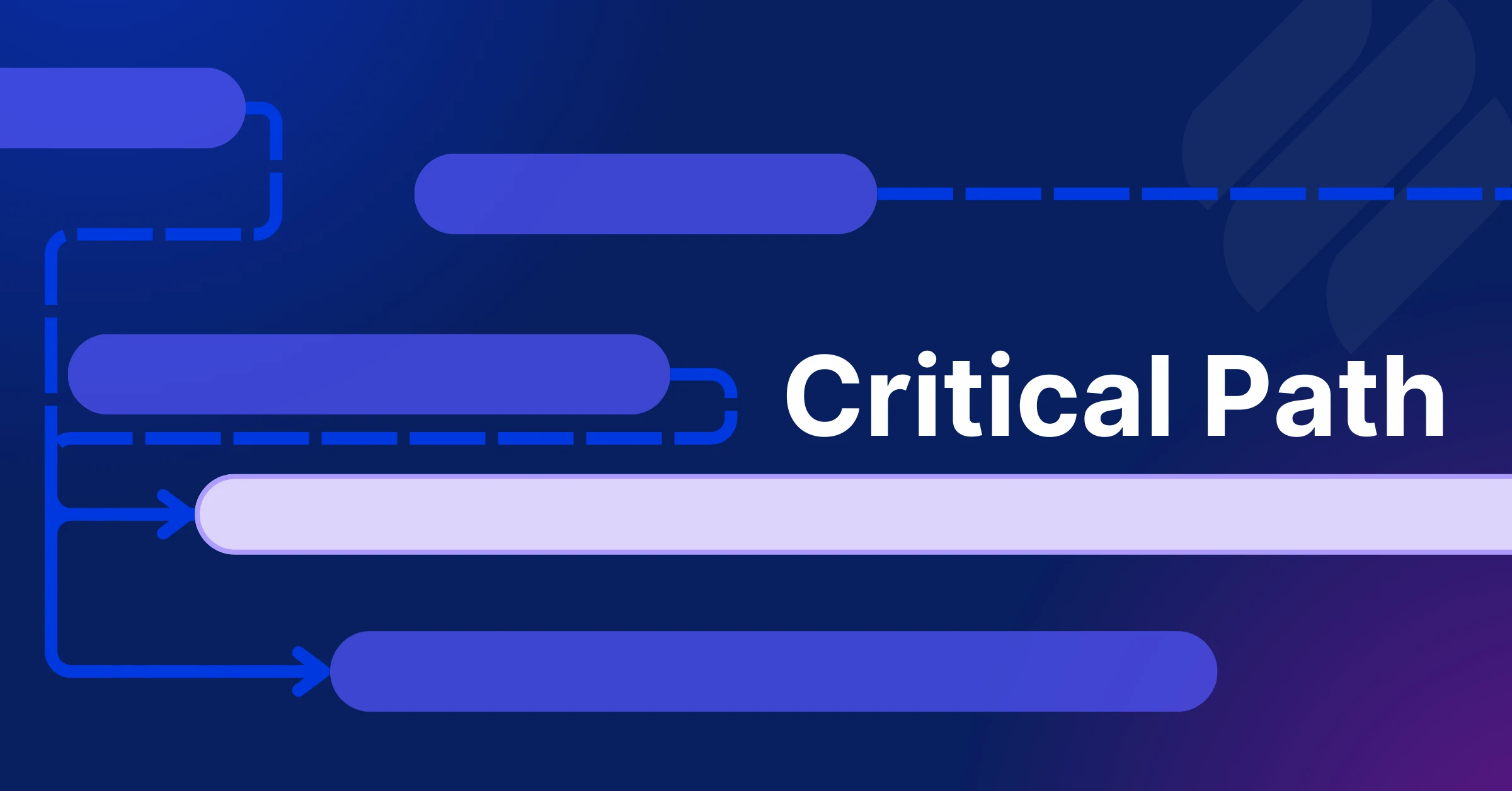
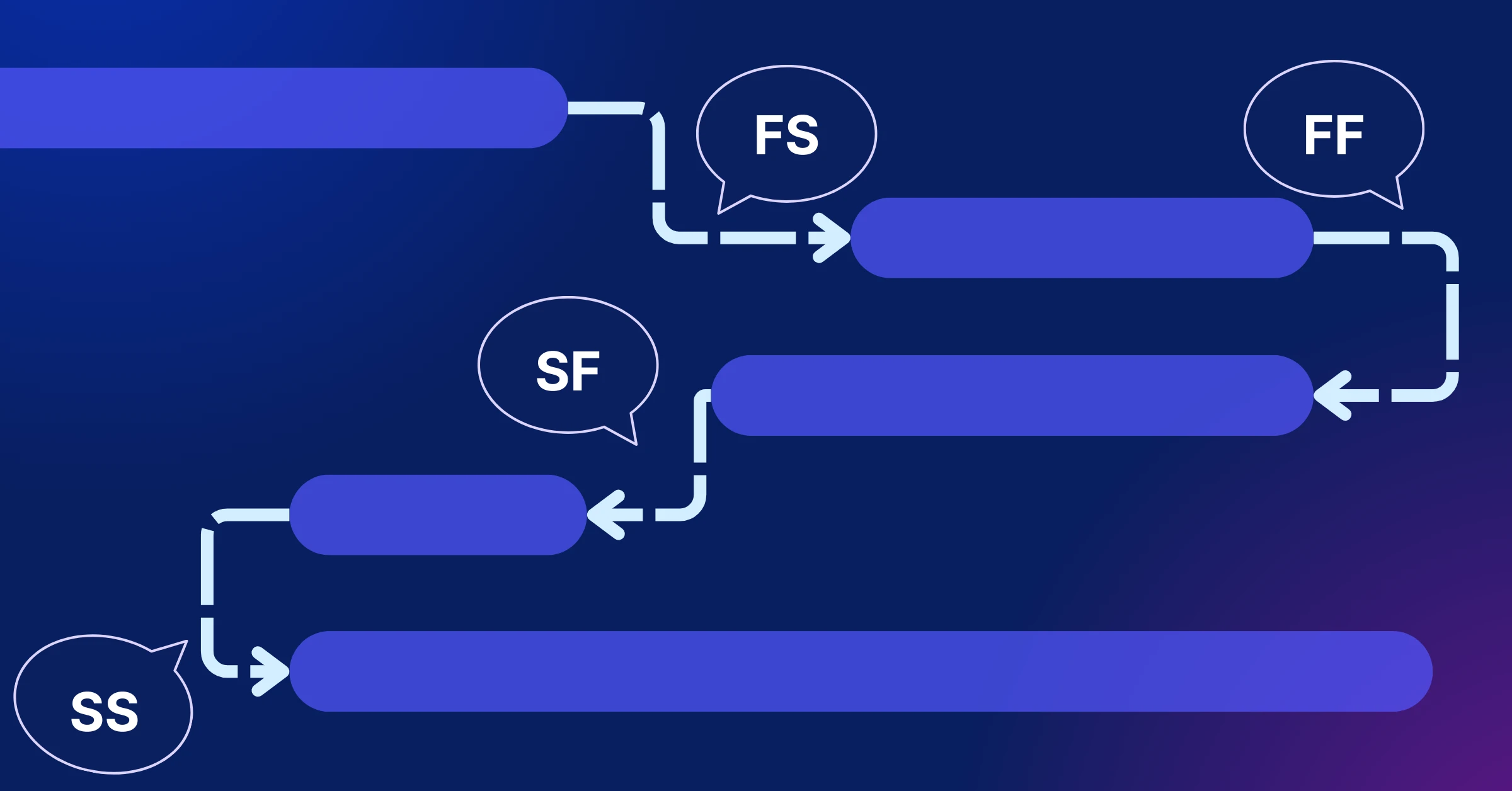
Gantt Charts and Timelines: TaskFord’s Gantt charts and timelines help managers track project progress and set task dependencies. They can monitor critical paths and spot risks early, ensuring sprints align with project goals. These tools provide visibility into both short-term sprints and long-term plans, even when requirements shift.
-
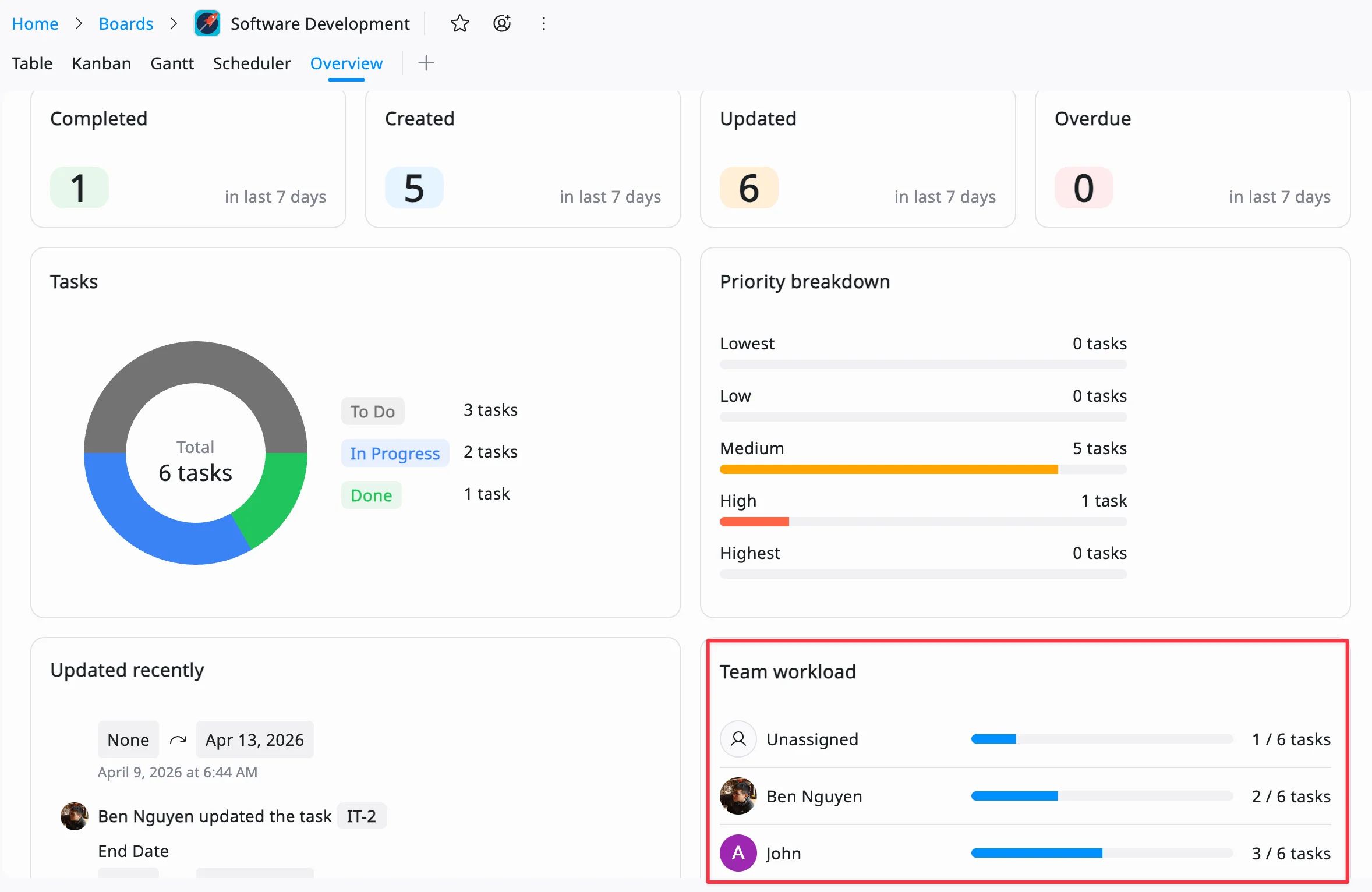
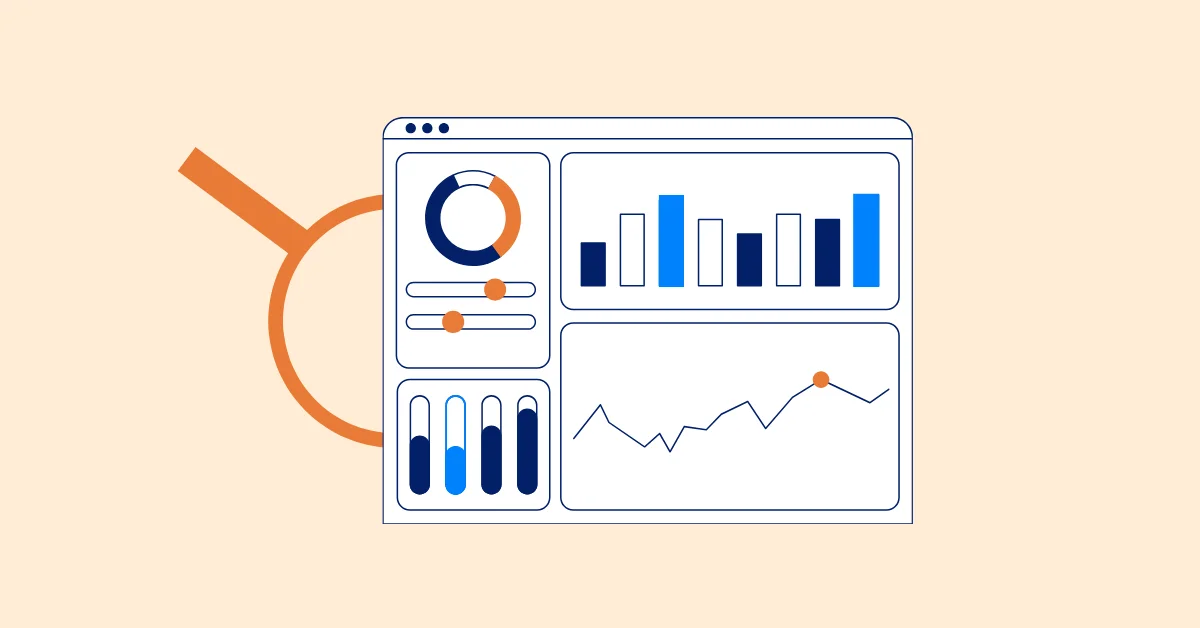
Project Overview Dashboard: TaskFord’s Overview Dashboard gives agile project managers a centralized view of project progress, team workloads, upcoming deadlines, and key metrics. By bringing important project information into a single workspace, it becomes easier to monitor performance, identify bottlenecks, and make informed decisions. This real-time visibility helps teams stay aligned and keeps projects moving forward, even as priorities change.
Challenges Agile Project Managers Face
While agile project management offers flexibility and faster delivery, it also comes with challenges. Agile project managers must balance changing priorities, stakeholder expectations, and team performance while keeping projects on track.
- Managing scope creep: New requests can quickly expand project scope. Agile project managers must prioritize work carefully to prevent teams from becoming overloaded.
- Navigating changing priorities: Customer needs and business goals can shift throughout a project. Agile project managers help teams adapt without losing focus on key objectives.
- Keeping stakeholders aligned: Different stakeholders may have different expectations. Agile project managers ensure clear communication and alignment on priorities and progress.
- Supporting remote teams: Distributed teams can face communication and collaboration challenges. Agile project managers use regular check-ins and collaboration tools to keep everyone connected.
- Balancing speed and quality: Delivering work quickly is important, but not at the expense of quality. Agile project managers help teams maintain a sustainable pace while meeting expectations.
- Overcoming resistance to agile: Some teams and organizations may be reluctant to adopt agile practices. Agile project managers help drive adoption by demonstrating the value of agile ways of working.
Conclusion
Being an agile project manager is both challenging and rewarding. By mastering agile methods, supporting their teams, and making smart daily decisions, they deliver projects that meet customer needs in fast-changing environments. Whether you’re starting out or aiming to improve, understanding this role can help you excel in project management. Check out TaskFord to boost your project management skills and take your projects to the next level.
Learn more
- Agile Project Management - The Basics For Beginners
- Agile Project Management Sprint Cycle - From Planning to Retrospective
- Real-World Agile Project Management with Scrum - Lessons from the TaskFord Team
Related Articles








How to Build and Manage a Product Roadmap with TaskFord














How to Build a Connected Project Timeline in TaskFord








What Are the Best Jira Alternatives for Scrum Teams?



















How WBS Reveals Delivery Breakdown Before It’s Too Late








![How To Conduct a Profound Stakeholder Analysis [+ Free Template]](/marketing/blog/stakeholder-analysis.webp)












What to Look for in Scrum Tools (Beyond Kanban Boards)


![Project Management Calendar for Teams and Managers [Free Templates]](/marketing/blog/project-management-calendar.webp)





How to Define Project Deliverables: A Step-by-Step Guide




![RACI Chart in Project Management: Rules & Examples [Free Download]](/marketing/blog/raci-chart.webp)












![7 Must-Have Project Management Documents Every PO Should Know [Free Templates]](/marketing/blog/project-management-documents.webp)






![How to Create a Winning Project Plan for IT Projects [10 Steps Included]](/marketing/blog/how-to-create-a-project-plan.webp)



![Daily Standup Best Practices: Apply AI to Organize Meetings Successfully [2026 Trends]](/marketing/blog/daily-standup.webp)





![How to Create a Project Communication Plan: Step-by-Step Guide [+Free Template]](/marketing/blog/project-communication-plan.png)


![Master Project Procurement Management in 5 Steps [Download a free plan template]](/marketing/blog/project-procurement-management.webp)
























Subscribe for Expert Tips
Unlock expert insights and stay ahead with TaskFord. Sign up now to receive valuable tips, strategies, and updates directly in your inbox.