Lean Project Management: Cutting Waste and Delivering Real Value
Discover how lean project management transforms projects by cutting waste, optimizing workflows, and delivering maximum value to customers for lasting results.
What Is Lean Project Management
Lean project management is a way of working that focuses on delivering real value to customers while cutting out anything unnecessary. The idea is simple: give customers what they need, when they need it, using as few resources as possible, including time, effort, and materials.
Key characteristics of lean project management:
- Focus on value: Every task should clearly support what the customer actually needs. If it does not add value, it should be questioned.
- Remove waste: Teams look for steps that slow things down or do not contribute to the end result, then work to eliminate them.
- Keep improving: Processes are regularly reviewed and adjusted so teams can work smarter and deliver better results over time.
With this approach, teams can reduce costs, work more efficiently, and deliver a better experience for customers and improve project management.
Why Lean Project Management Matters
Today, businesses are dealing with tight budgets, high customer expectations, and constant change. Lean project management helps teams stay efficient and competitive. Here’s why it matters:
- Lower costs: By cutting out unnecessary work like too many meetings, repeated tasks, or unused resources, teams can save money.
- Faster delivery: Lean focuses on working efficiently, so projects get done quicker without lowering quality.
- Better customer satisfaction: Since the focus is always on what the customer actually needs, the final result is more likely to meet their expectations.
- Happier teams: When people spend less time on pointless tasks, they can focus on meaningful work, which improves motivation and engagement.
- More flexibility: Lean allows teams to adjust quickly when plans or market conditions change.
For example, a software team using lean might remove slow approval steps for small code changes. This lets developers spend more time building and testing, leading to faster releases and more satisfied customers.
Types of Waste Lean Project Management Eliminates
Lean project management focuses on removing eight common types of waste. These can appear in any team or industry:
- Defects: Mistakes that need to be fixed later. This includes bugs, errors in deliverables, or miscommunication that forces teams to redo work.
- Overproduction: Doing more work than needed or doing it too early. For example, building features no one asked for or creating excessive documentation.
- Waiting: Time lost when work is delayed. This could be waiting for approvals, feedback, or input from other teams.
- Unused talent: Not making full use of people’s skills or ideas. This happens when team members are not given ownership or the chance to contribute.
- Transportation: Moving information or materials more than necessary, such as passing documents through too many tools or systems.
- Inventory: Having too much unfinished work. Large backlogs or too many tasks in progress can slow everything down.
- Motion: Unnecessary effort in how people work. This includes switching between too many tools or sitting through meetings that are not useful.
- Extra processing: Doing more work than needed to meet requirements. For example, overcomplicating a solution or adding features that do not bring value.
By spotting and reducing these types of waste, teams can work more smoothly, save time and money, and deliver better results.
The 5 Principles of Lean Project Management
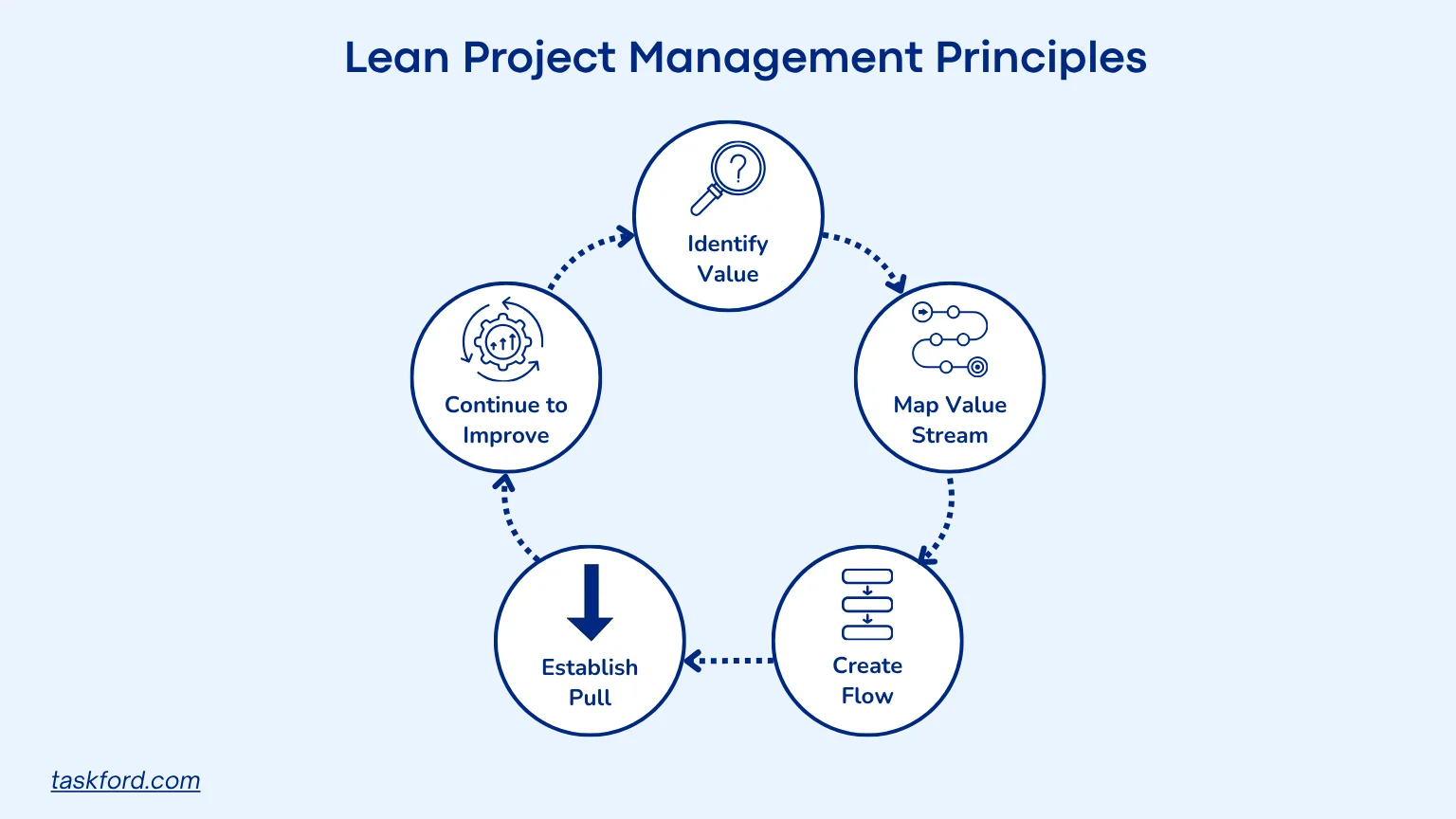
Lean project management is based on five simple principles that help teams work more efficiently and deliver better results:
1. Identify Customer Value
Start by clearly defining what success looks like from the stakeholder and customer’s point of view. This goes beyond assumptions. You need real input to understand what outcomes matter most.
- Talk to customers or stakeholders through interviews, surveys, or feedback sessions
- Identify the main goal of the project, such as increasing conversions, reducing costs, or improving user experience
- Prioritize outcomes over outputs, meaning focus on results instead of just completing tasks
To keep the team aligned, create a clear value statement. For example: “Launch a mobile app that reduces onboarding time by 20%.” This acts as a reference point for every decision and helps avoid distractions.
2. Map The Value Stream
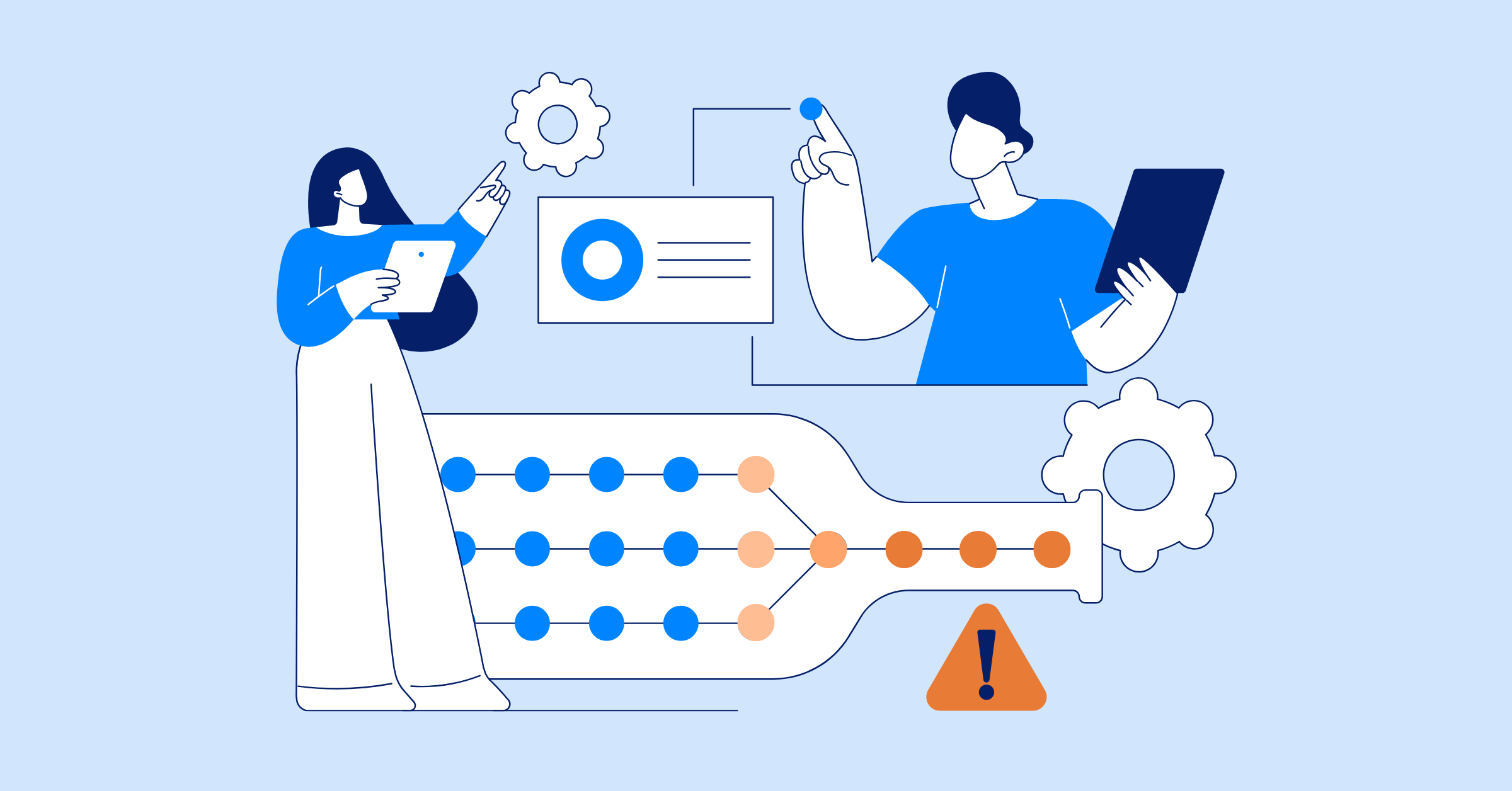
Once value is clear, the next step is to map the value stream, not just the process. This means looking at how work flows end-to-end, from idea to delivery, and identifying where time is actually spent. Pay attention to:
- Handoffs: Where work moves between people or teams, often causing delays or miscommunication
- Waiting time: Time lost between steps, such as waiting for approvals or dependencies
- Work in progress (WIP): Too many tasks happening at once can slow everything down
- Lead time vs process time: Total time to deliver vs actual time spent working on the task
- Waste percentage: How much time is spent waiting or doing non-value work
The goal is simple: reduce delays, limit WIP, and make value flow faster from start to finish.
Did you know: In most projects, a large portion of lead time is actually waiting. Mapping the value stream helps you see this clearly and shift focus from optimizing individual steps to improving the overall flow of work.
3. Create Smooth Flow
After removing unnecessary steps, focus on making work move smoothly from one stage to the next without delays.
- Limit work in progress (WIP) so teams are not overloaded and tasks can move faster
- Break large tasks into smaller, manageable pieces to improve visibility and speed
- Define responsibilities and reduce unnecessary handoffs between teams to avoid delays and confusion
- Use visual tools like Kanban boards to track progress and spot bottlenecks early
A steady flow means fewer delays, faster delivery, and more predictable outcomes.
4. Establish Pull
Instead of pushing work based on fixed plans, lean teams focus on starting tasks only when there is actual demand.
Prioritize work based on current needs and avoid building features or deliverables too early. This helps reduce WIP, prevent unnecessary work and keeps the team focused on what matters most.
For example, a team might wait for user feedback before adding new features, ensuring their effort is aligned with real demand.
5. Continuous Improvement
Lean is an ongoing process, not a one-time change. Regularly review how the team works, identify improvements, and make small adjustments. By tracking metrics like lead time and bottlenecks, teams can reduce waste, improve flow, and become more efficient over time.
These principles help teams reduce waste, stay focused, and deliver high-quality results more consistently.
Real-World Applications of Lean Project Management
Software Development
Context: A software team was preparing a new onboarding feature, but releases kept getting delayed. Developers were waiting on design approvals, and many features had to be reworked due to unclear acceptance criteria.
What they did: They introduced clearer user stories with defined acceptance criteria before development started, reduced approval layers for minor changes, and limited work in progress to avoid overload.
Result: The team reduced rework, shortened release cycles, and delivered a more stable onboarding experience on time.
Marketing Campaigns
Context: A B2B marketing team was running multiple campaigns at once, producing blogs, emails, and reports, but most content was not driving qualified leads. A lot of time was spent on detailed reports that stakeholders rarely reviewed.
What they did: They shifted to focusing only on campaigns tied to lead generation goals, used performance data to decide which content to produce, and simplified reporting to highlight only key metrics.
Result: This helped the team reduce unnecessary work, improve lead quality, and spend more time on high-impact campaigns.
Applying Lean Project Management with TaskFord
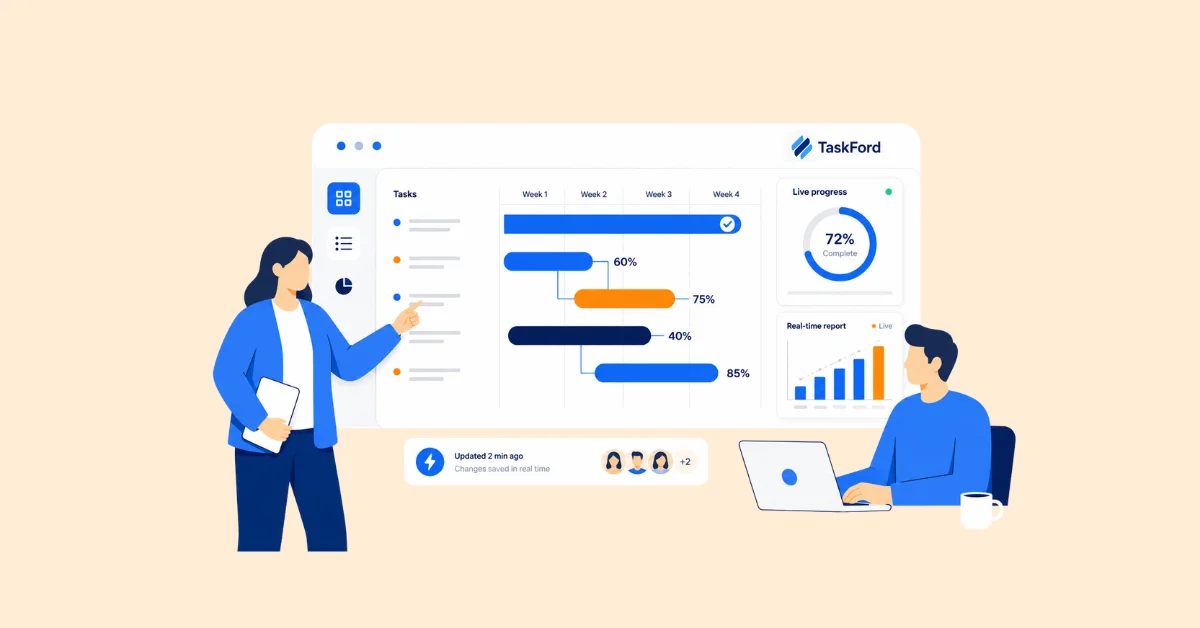
TaskFord, an integrated work delivery platform, gives teams practical ways to apply lean principles in their daily work, from planning to execution and continuous improvement.
Create Start-To-Finish Project Plans
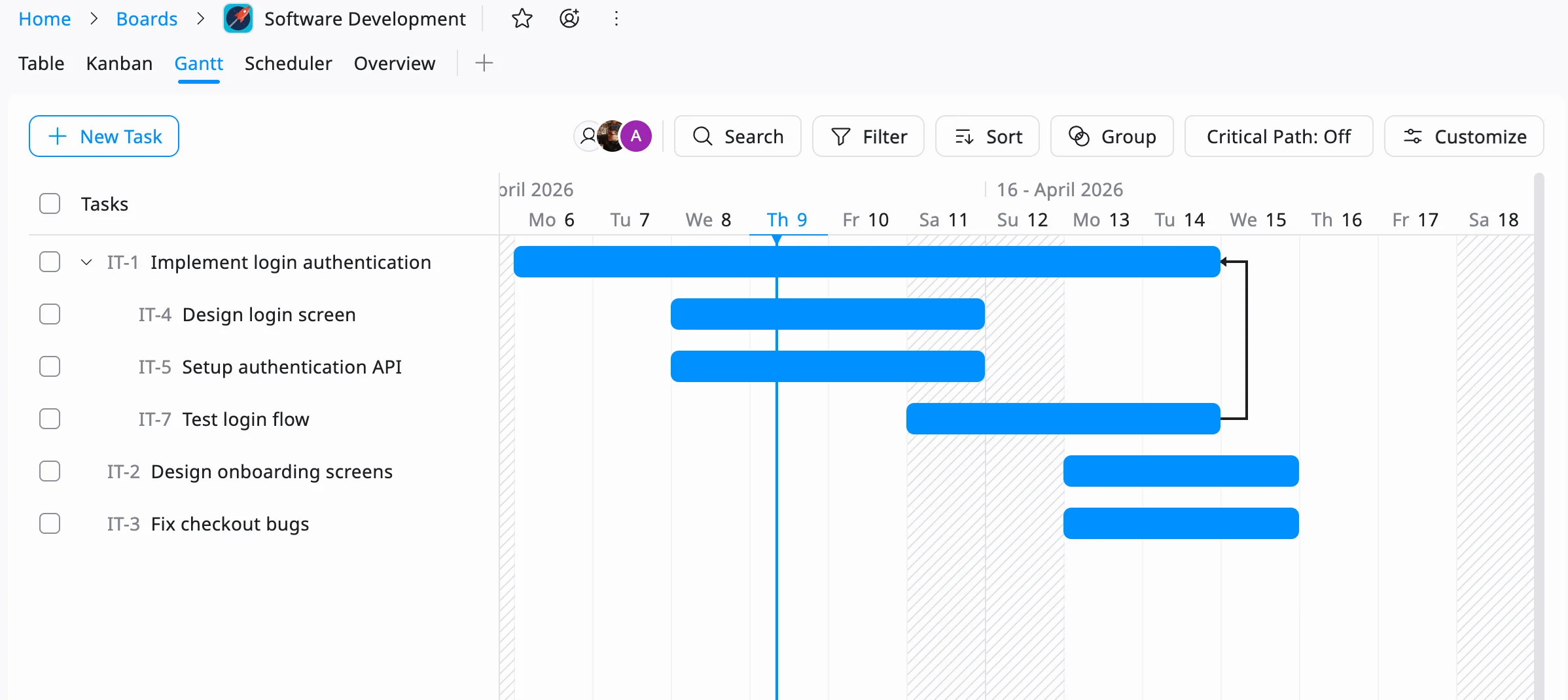
Use Table View to create and break your project down into clear, actionable tasks. This is where you define scope, assign owners, and set priorities based on customer value.
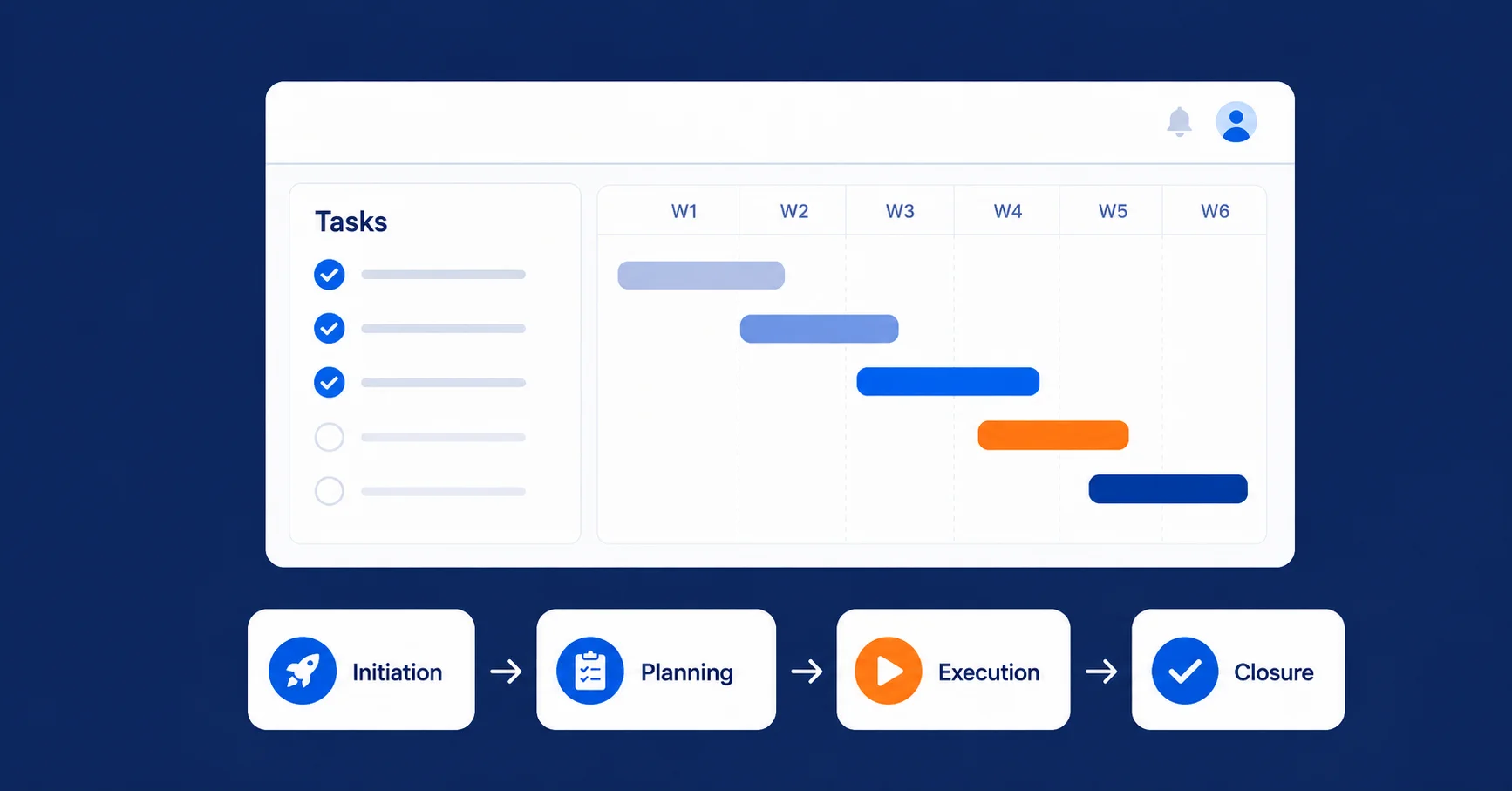
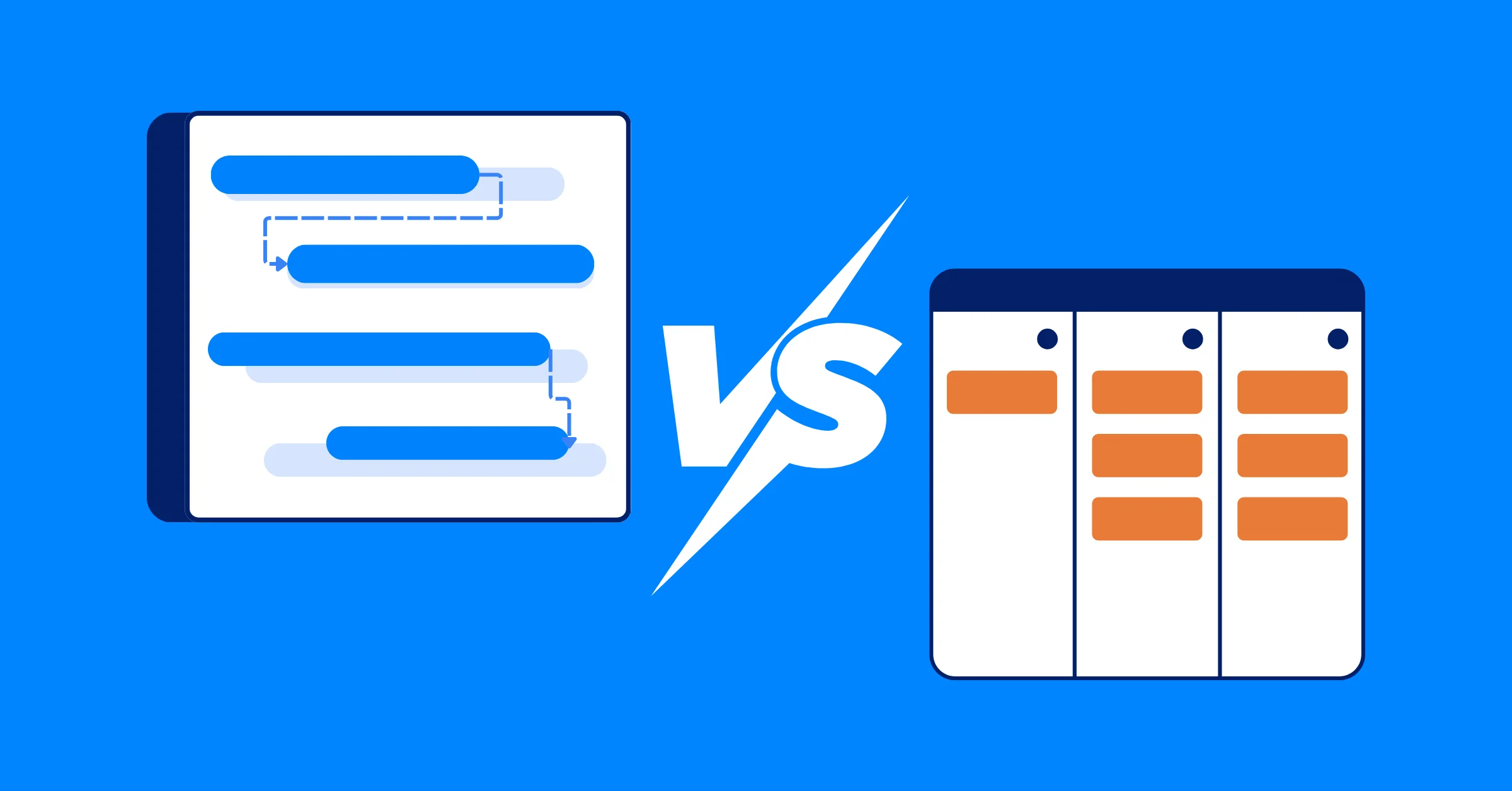
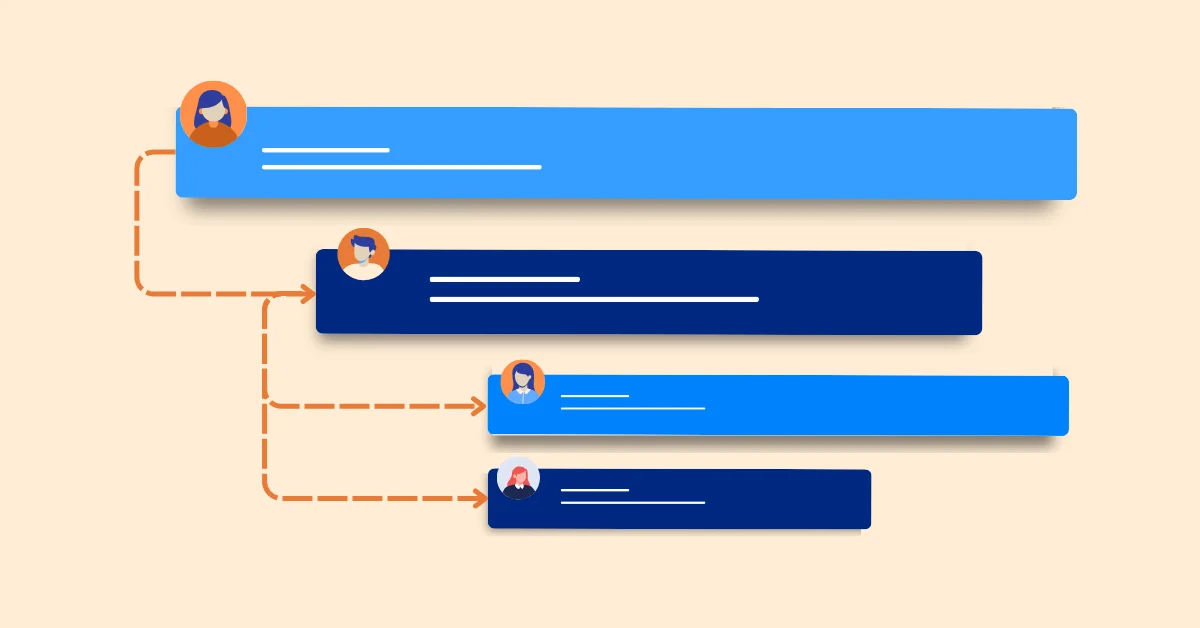
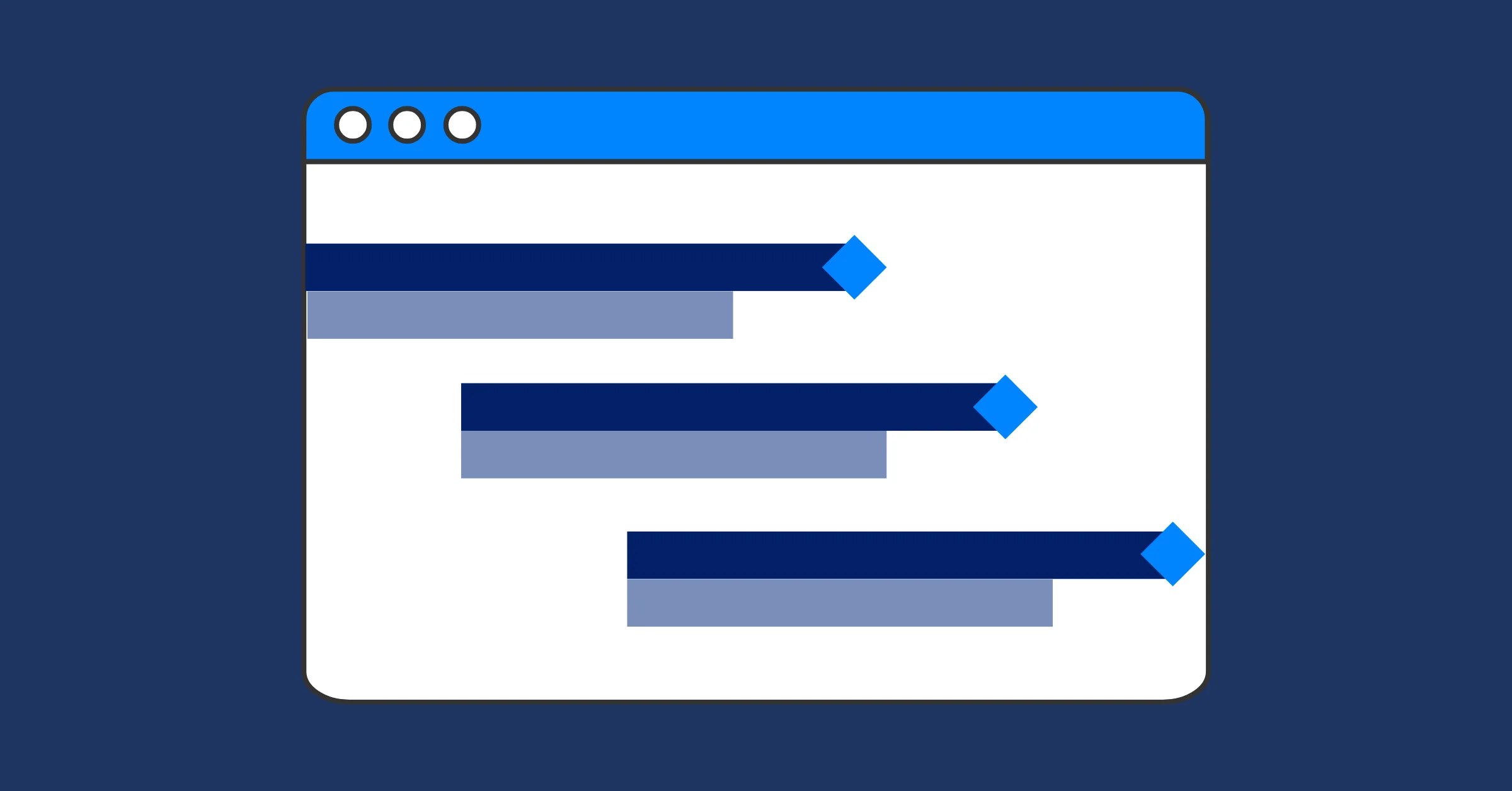
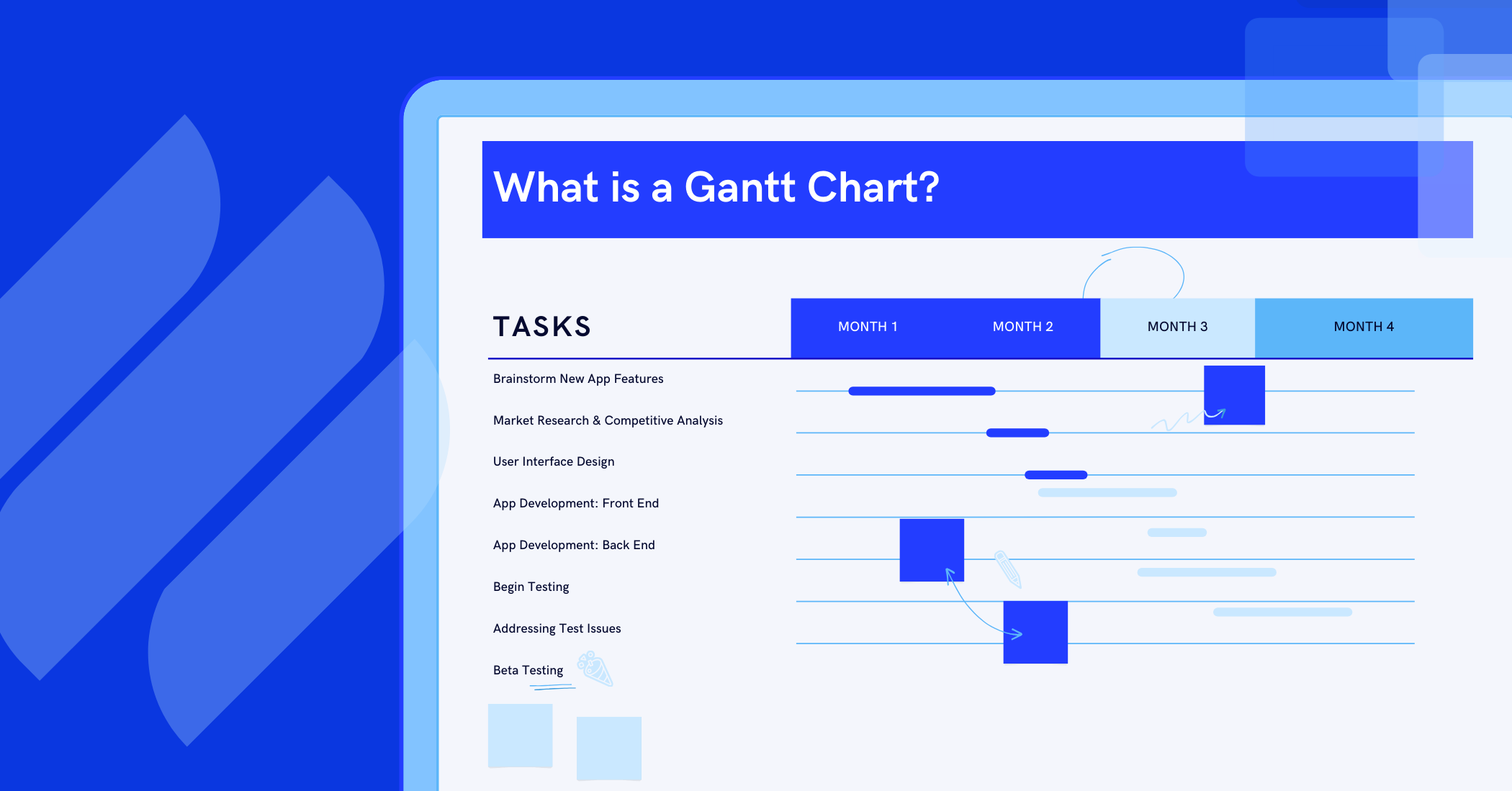
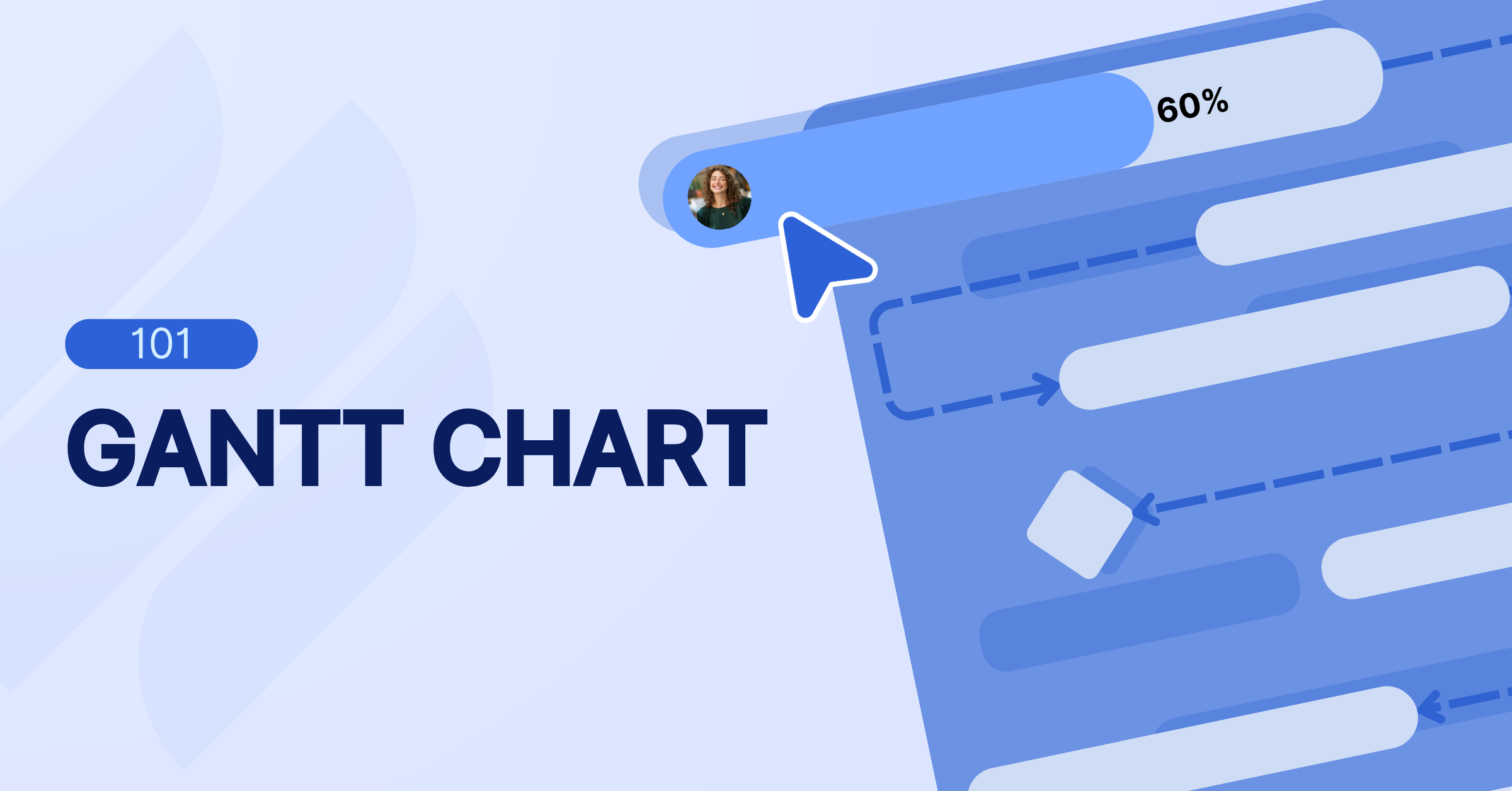
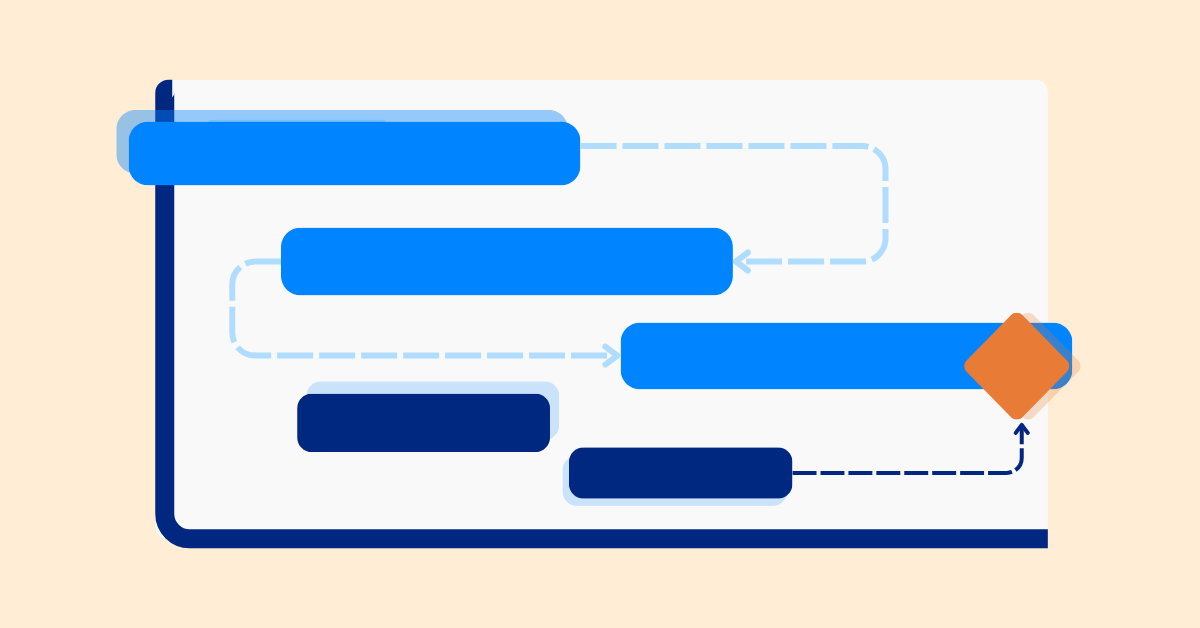
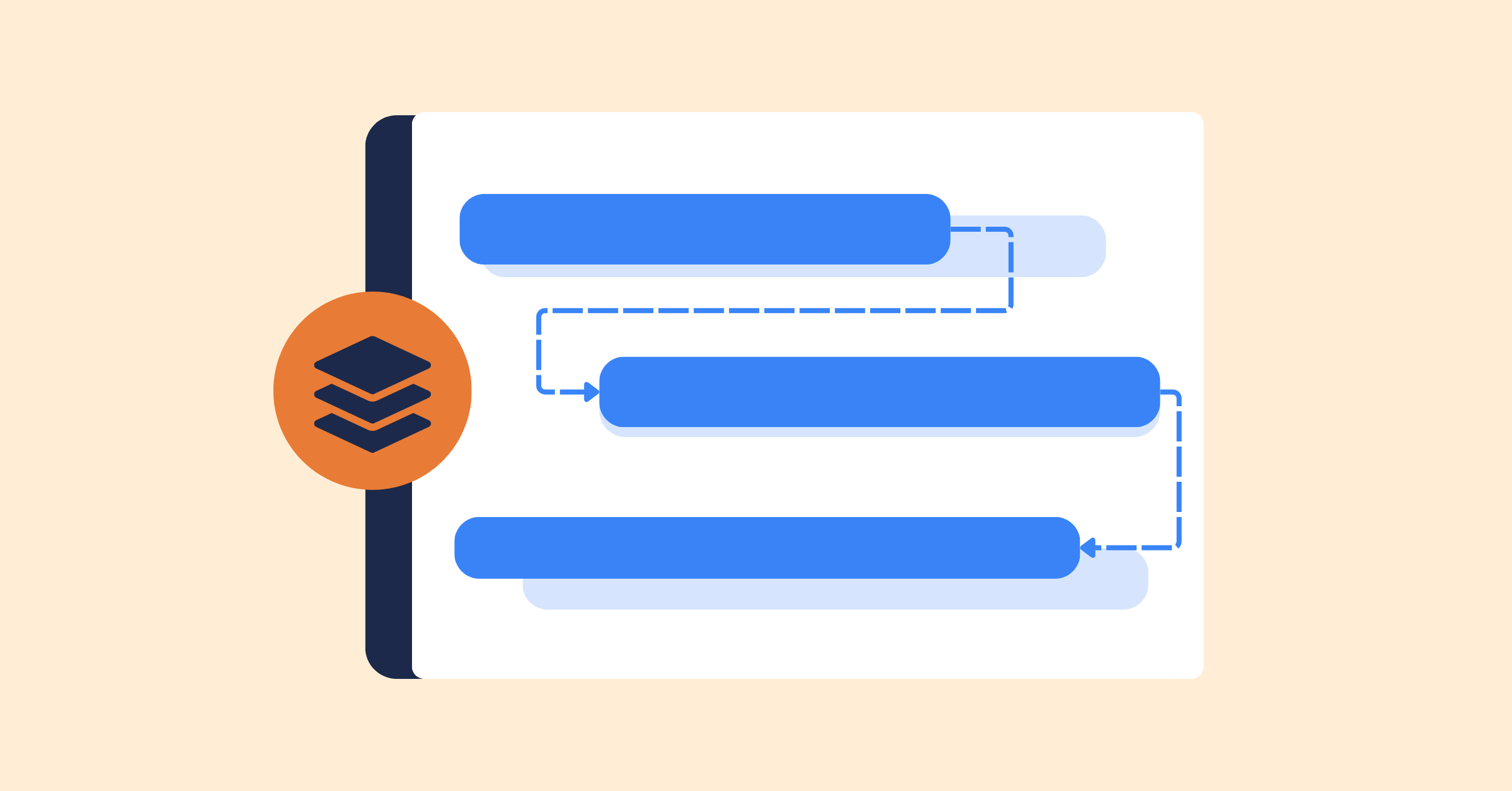
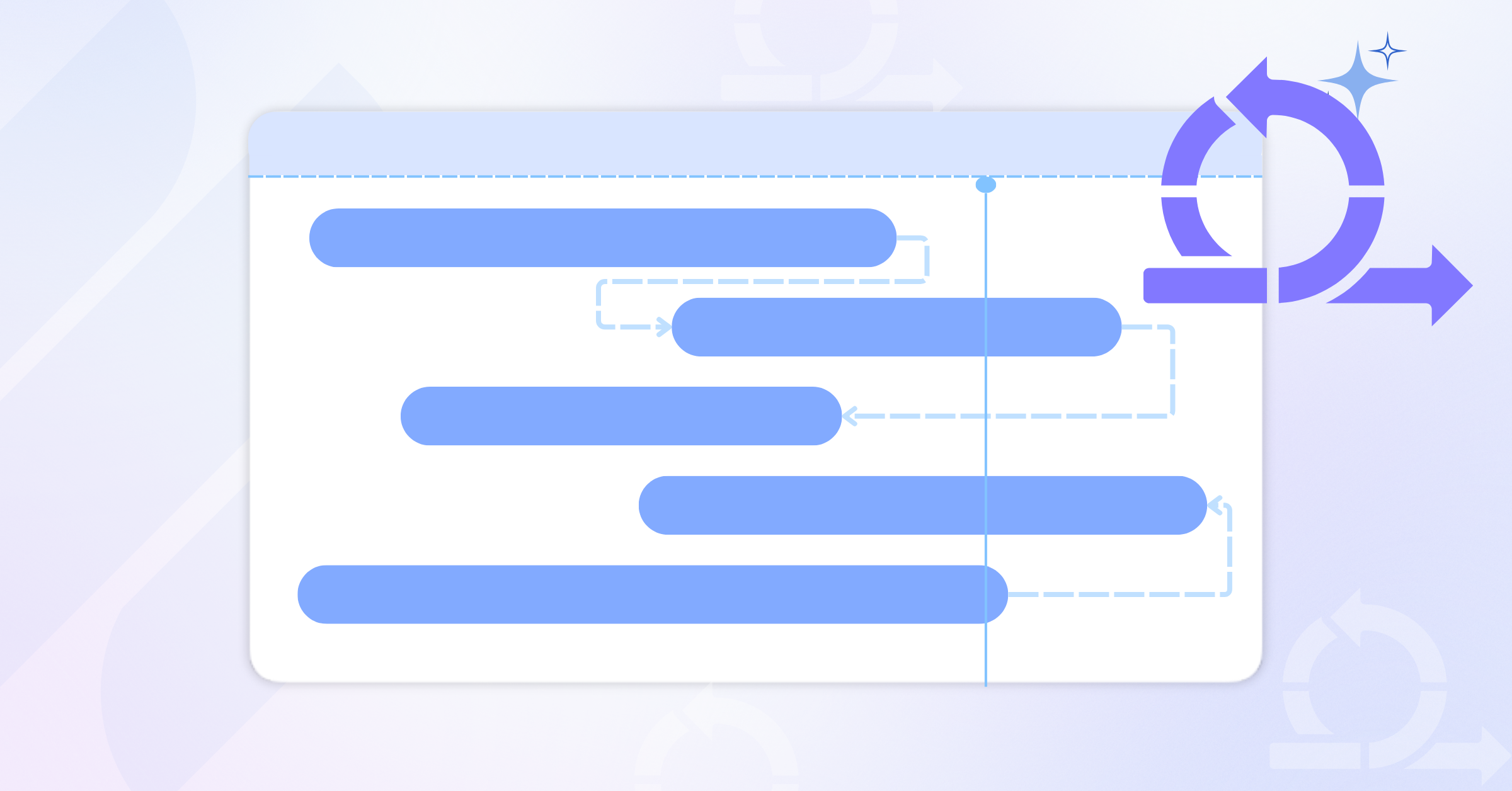
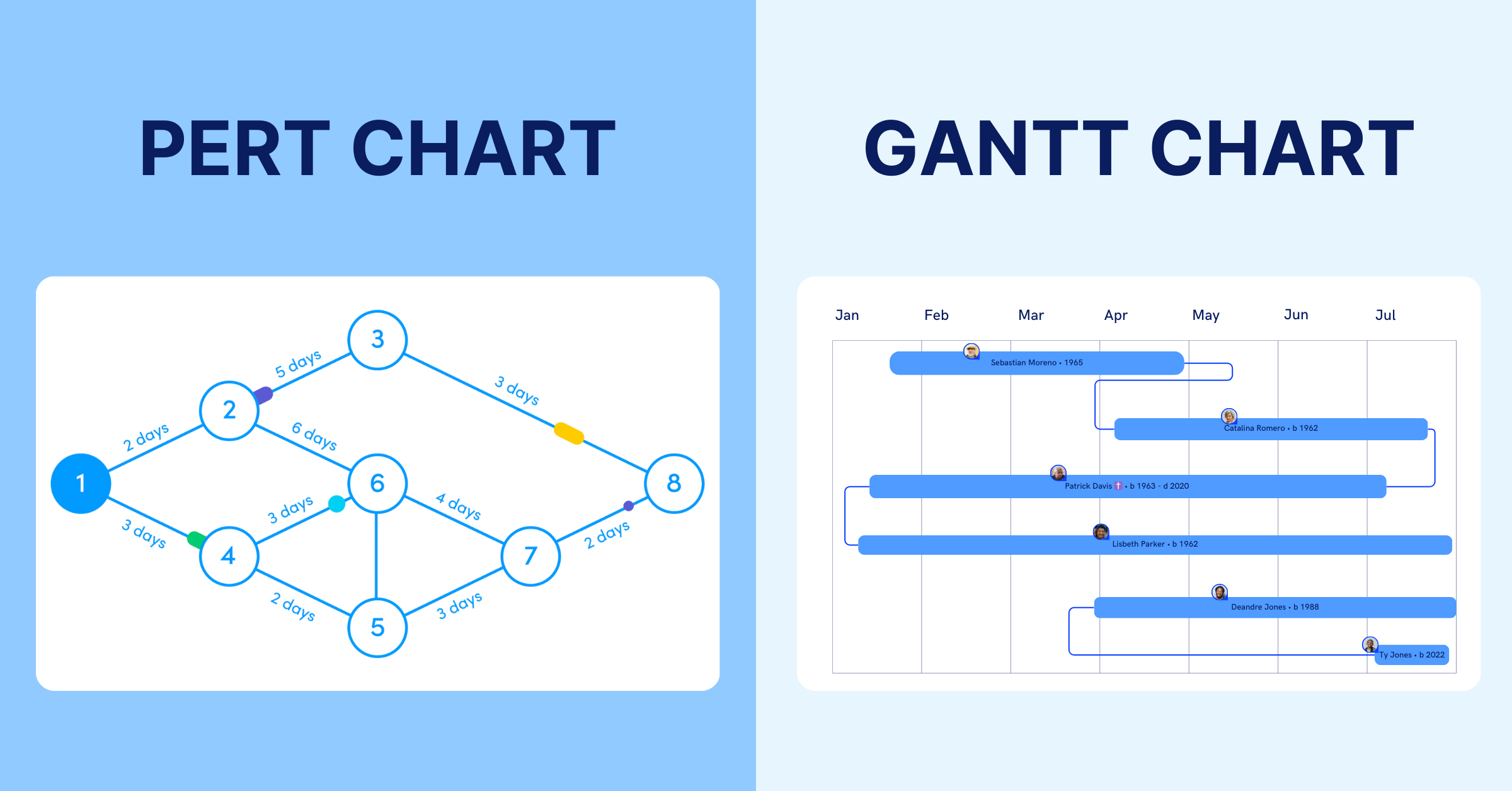
Then, map the value stream by switching to the Gantt Chart when outlining the timeline. You can visualize task dependencies, identify long lead times, and spot where delays are likely to happen. This makes it easier to see how work flows across the entire project, not just within isolated steps.
Create Flexible Workflows
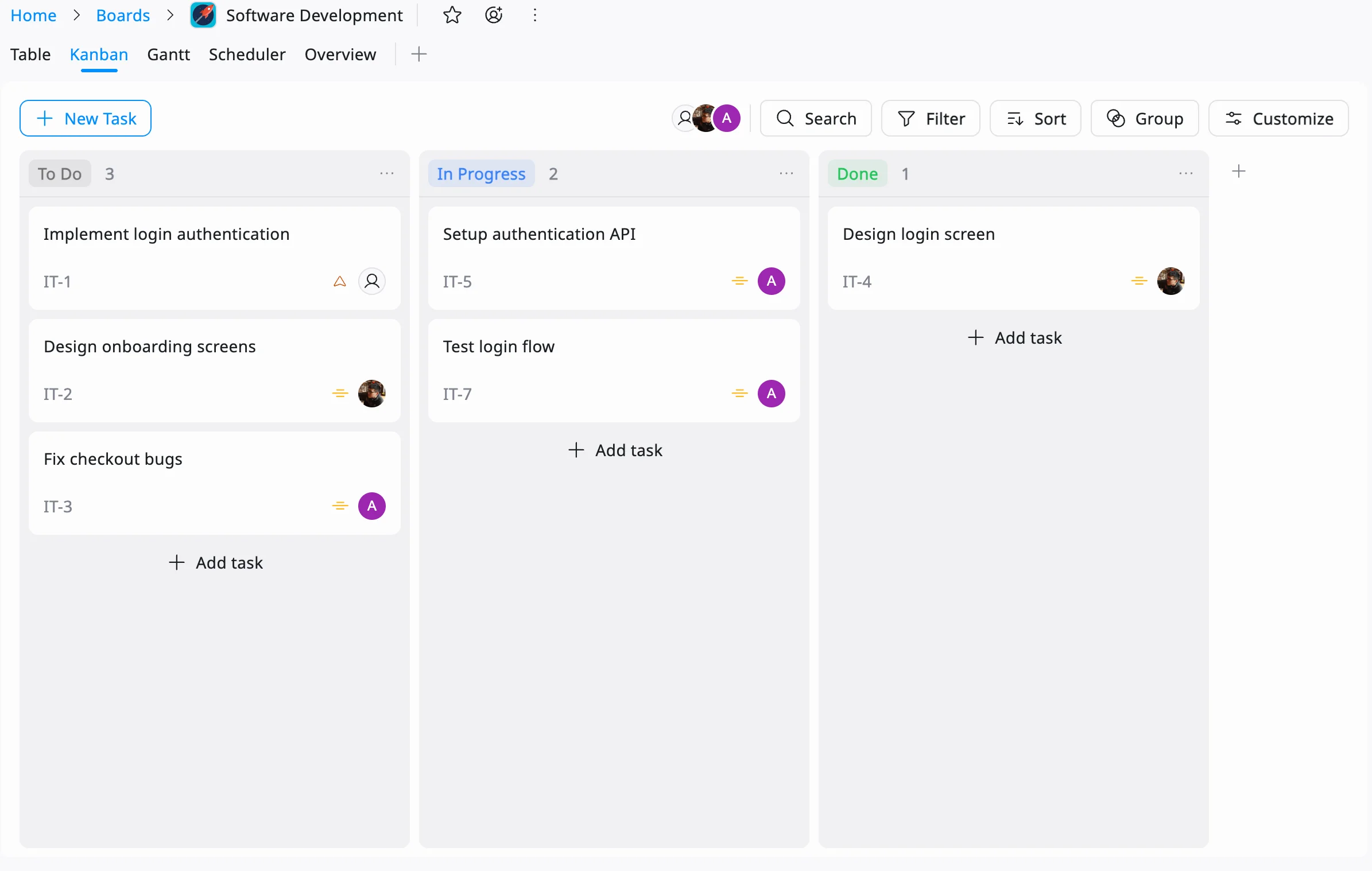
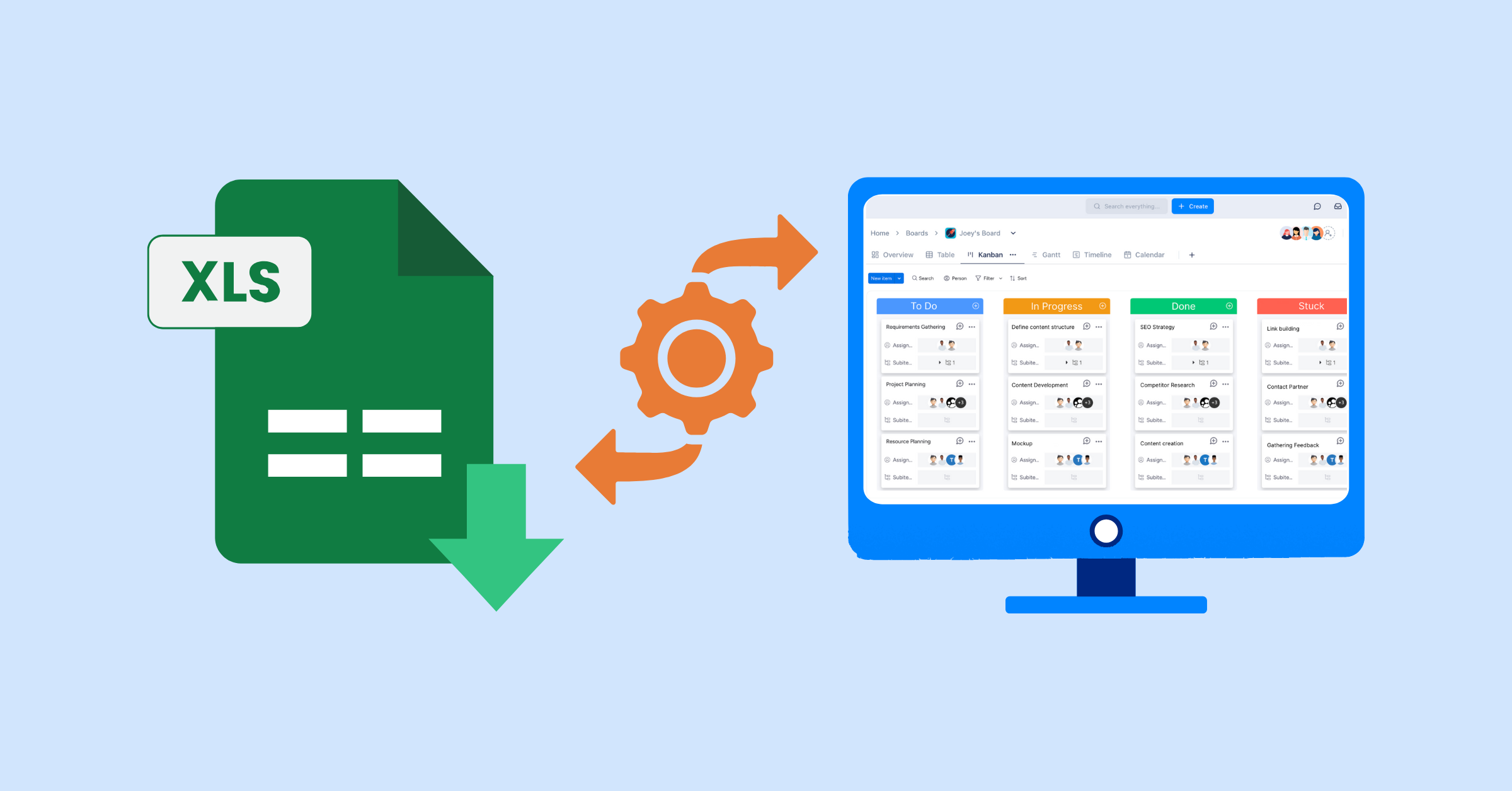
With Kanban Boards, teams can manage work using a pull-based system. Tasks move through stages like “To Do,” “In Progress,” and “Done,” making it easy to see how work is progressing in real time.
By limiting WIP, teams avoid overload and improve flow. Bottlenecks become visible immediately, especially when tasks start piling up in one stage.
Balance Your Team’s Workload
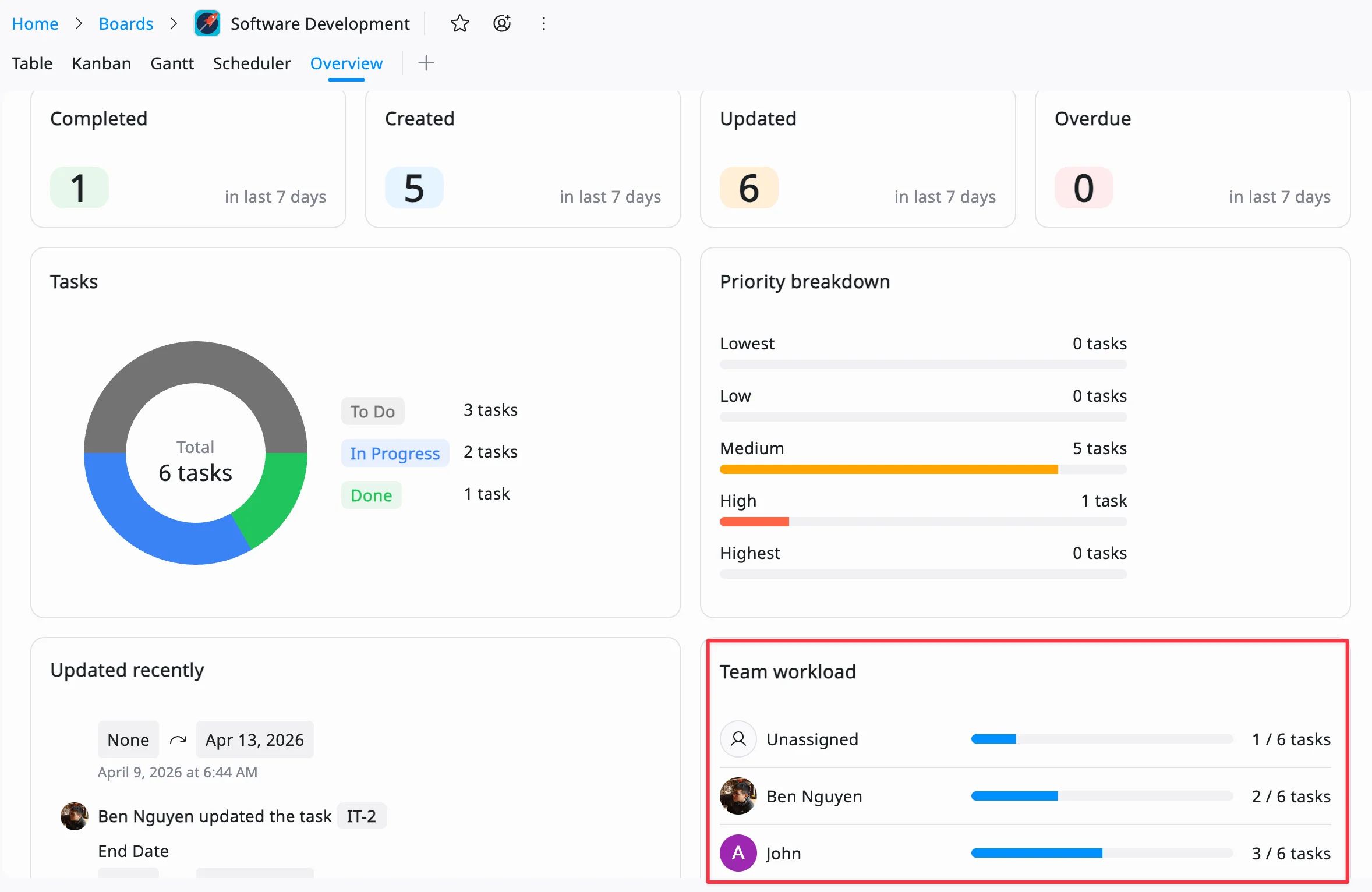
The Reporting Dashboard helps you understand how work is distributed across your team. You can see who is overloaded and where adjustments are needed.
By seeing how work is distributed, teams can avoid overloading individuals, reduce context switching, and maintain a steady flow of work. Balanced workloads make it easier to keep tasks moving without delays.
Ensure Efficiency with Dashboards
Dashboards provide visibility into key flow metrics such as task progress and delays. This allows teams to understand patterns like frequent waiting, long lead times, or recurring bottlenecks. With this insight, teams can continuously improve their processes and reduce waste over time.
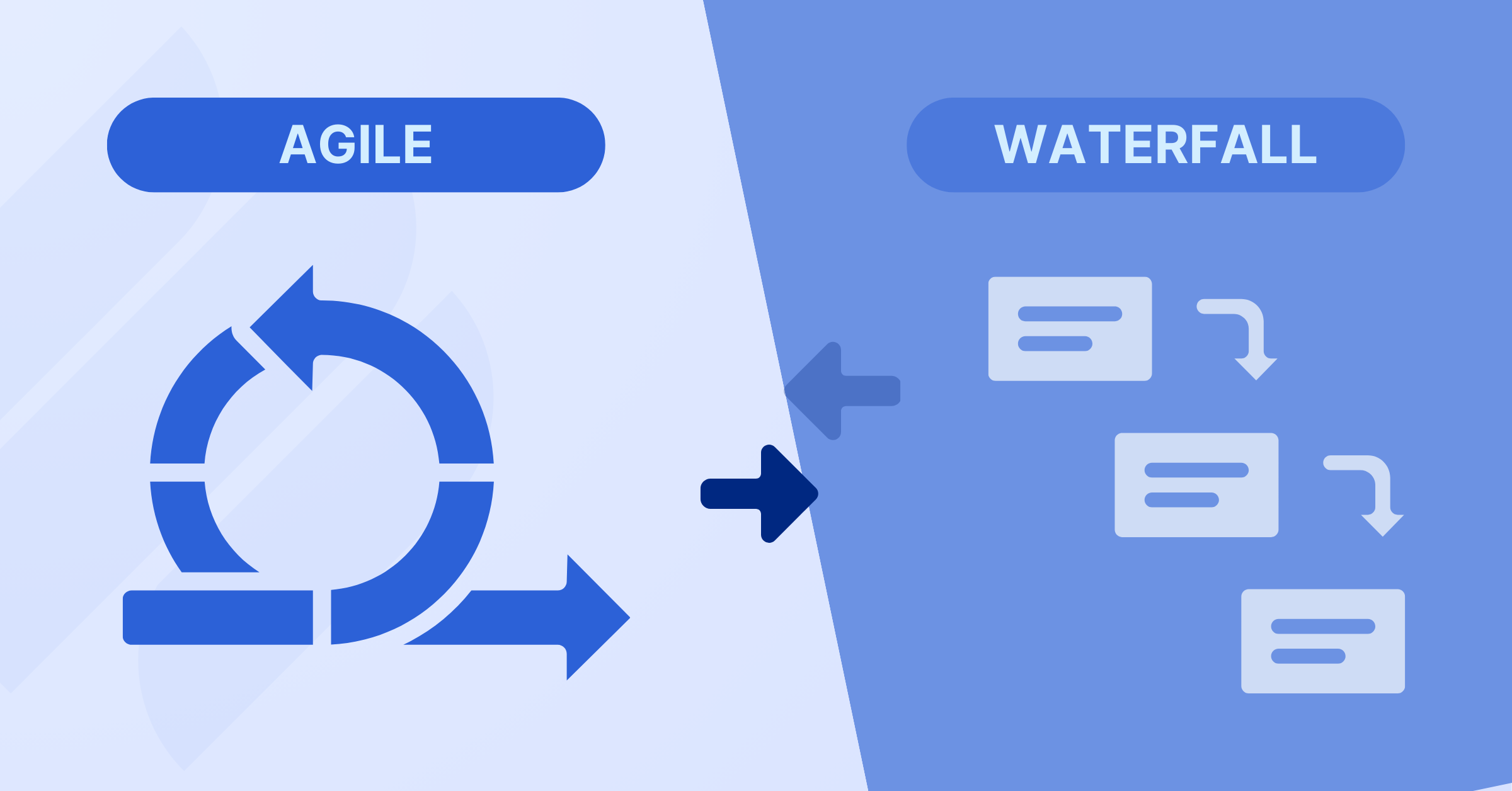
Agile vs Lean: What’s the Difference?
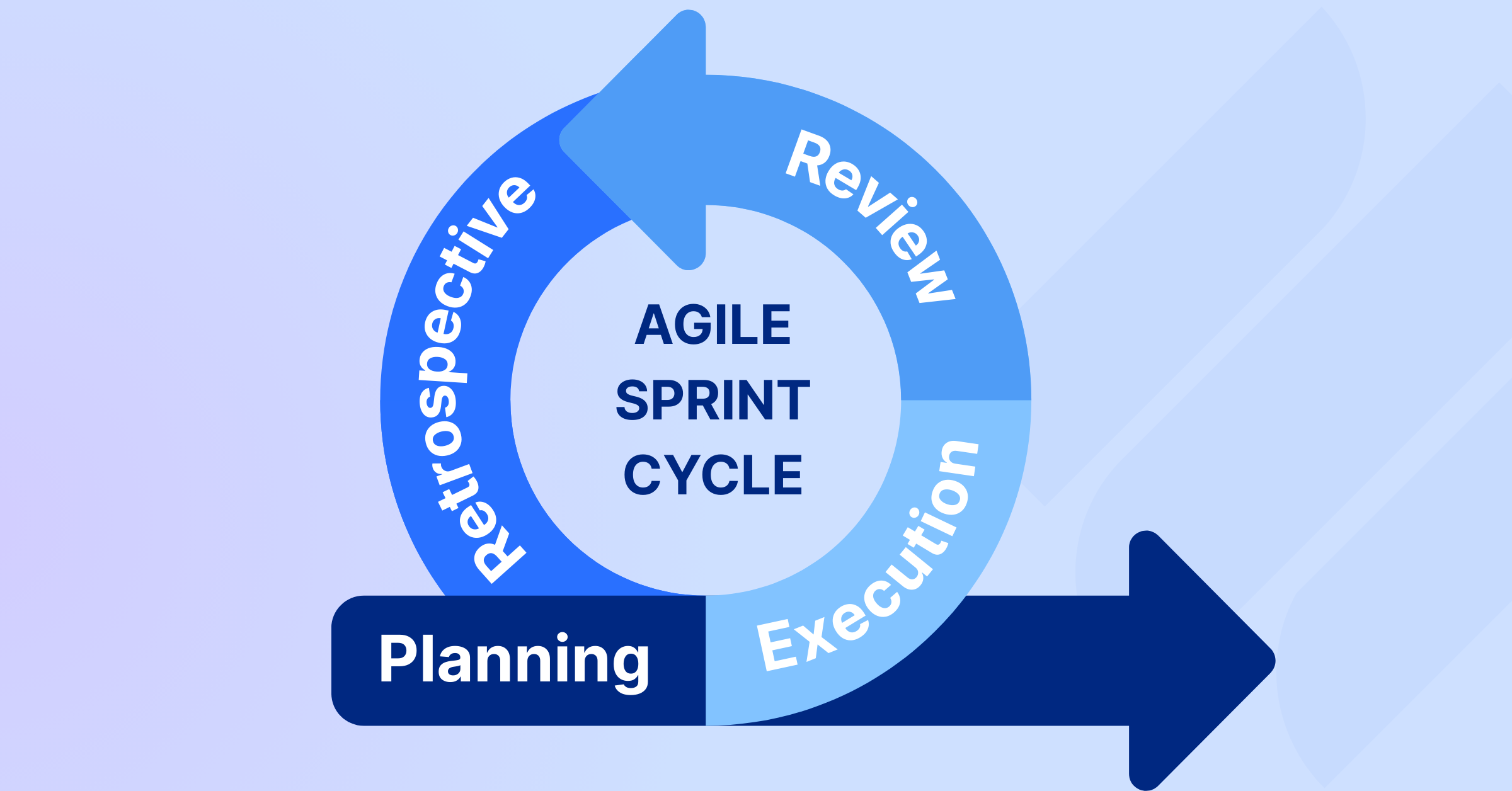
Agile and lean are often used together, but they are not the same. Both aim to improve how teams work and deliver value, but they focus on different things.
| Aspect | Lean | Agile |
|---|---|---|
| Main focus | Efficiency and waste reduction | Flexibility and adaptability |
| Goal | Deliver maximum value with minimal waste | Deliver value through continuous iterations |
| Approach | Streamline processes and remove unnecessary work | Work in short cycles and adapt based on feedback |
| Planning style | Focus on optimizing the overall workflow | Iterative planning with frequent adjustments |
| Handling change | Reduce disruption by improving systems | Embrace change as part of the process |
| Best for | Improving efficiency and reducing costs | Managing evolving requirements and uncertainty |
In practice, the two work well together. Lean helps teams cut out what is unnecessary, while agile helps them stay flexible and improve continuously.
Methods to Use with Lean Project Management
Deming Cycle (PDCA)
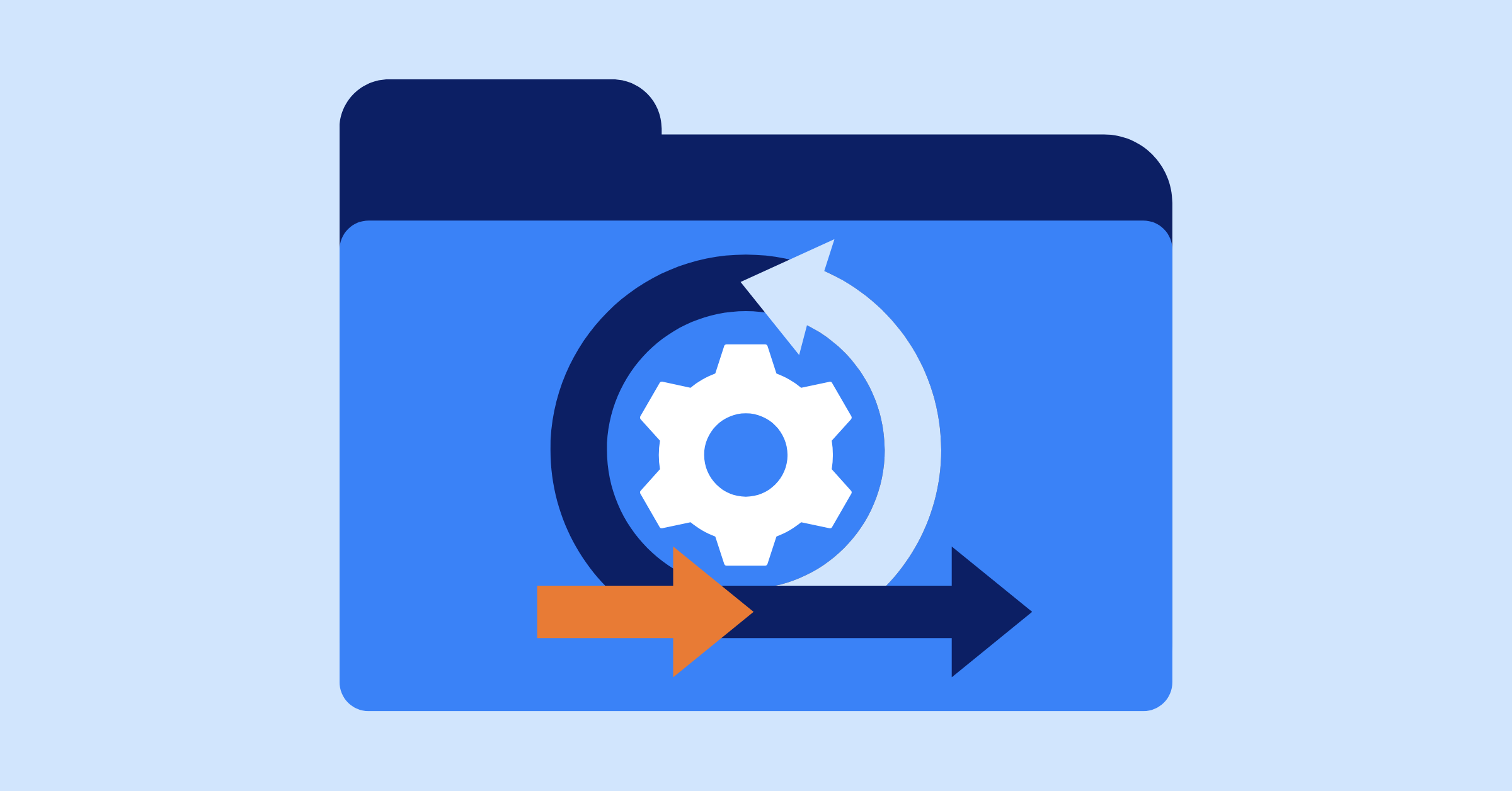
The Deming Cycle, also known as PDCA (Plan, Do, Check, Act), is a simple method for solving problems and improving processes over time.
- Plan: Identify issues in your workflow and decide what needs to be improved
- Do: Test potential solutions, often by collaborating with your team or using data
- Check: Review the results and see if the solution is working
- Act: Apply what works, refine the process, and repeat the cycle
This cycle is useful for continuous improvement and can be applied to almost any project or workflow.
Lean Six Sigma (DMEDI)
Lean Six Sigma combines lean principles with structured analysis to improve processes and reduce inefficiencies. One common framework is DMEDI:
- Define: Set clear project goals and scope
- Measure: Decide how success will be tracked
- Explore: Look for different ways to improve the process
- Develop: Build a clear and effective plan
- Implement: Execute the plan and monitor results
Lean Six Sigma is especially useful for complex projects where deeper analysis is needed to identify problems and improve outcomes.
FAQs
What tools are used in lean?
Lean teams use tools that help visualize work and improve efficiency, such as Kanban boards, value stream mapping, and dashboards. Project management tools like TaskFord can also support planning, tracking, and continuous improvement.
Is Scrum agile or lean?
Scrum is part of agile, not lean. It focuses on working in short iterations and adapting based on feedback, while lean focuses on improving efficiency and removing waste.
When should I use lean?
Lean is useful when your team is dealing with delays, unnecessary steps, or inefficiencies. It helps streamline processes, reduce costs, and improve overall workflow.
What does lean mean in project management?
In project management, lean means focusing on delivering value while removing anything that does not contribute to the final result. It is about working more efficiently and continuously improving how work gets done.
Conclusion
Lean project management is about focusing on what truly matters and cutting out the rest. When teams remove waste and stay focused on value, work becomes simpler, faster, and more effective.
You do not need to change everything at once. Start by identifying what slows your team down, make small improvements, and keep refining over time.
With a consistent approach, lean helps teams deliver better results, adapt more easily, and create more value for customers.
Related Articles




How to Build and Manage a Product Roadmap with TaskFord







How to Build a Connected Project Timeline in TaskFord






What Are the Best Jira Alternatives for Scrum Teams?
















How WBS Reveals Delivery Breakdown Before It’s Too Late







![How To Conduct a Profound Stakeholder Analysis [+ Free Template]](/marketing/blog/stakeholder-analysis.webp)









What to Look for in Scrum Tools (Beyond Kanban Boards)

![Project Management Calendar for Teams and Managers [Free Templates]](/marketing/blog/project-management-calendar.webp)




How to Define Project Deliverables: A Step-by-Step Guide



![RACI Chart in Project Management: Rules & Examples [Free Download]](/marketing/blog/raci-chart.webp)







![7 Must-Have Project Management Documents Every PO Should Know [Free Templates]](/marketing/blog/project-management-documents.webp)




![How to Create a Winning Project Plan for IT Projects [10 Steps Included]](/marketing/blog/how-to-create-a-project-plan.webp)

![Daily Standup Best Practices: Apply AI to Organize Meetings Successfully [2026 Trends]](/marketing/blog/daily-standup.webp)




![How to Create a Project Communication Plan: Step-by-Step Guide [+Free Template]](/marketing/blog/project-communication-plan.png)


![Master Project Procurement Management in 5 Steps [Download a free plan template]](/marketing/blog/project-procurement-management.webp)

















Subscribe for Expert Tips
Unlock expert insights and stay ahead with TaskFord. Sign up now to receive valuable tips, strategies, and updates directly in your inbox.