Project Governance for Large-Scale and Complex Projects
Learn what project governance is, why it matters, and how roles, decision-making, risk management, and communication help keep complex projects on track.
What is Project Governance?
Project governance is the framework of roles, responsibilities, processes, and decision-making structures that ensure a project is properly directed and controlled.
While project management focuses on executing tasks and delivering outputs, project governance ensures the project is justified, properly controlled, and aligned with organizational priorities throughout its lifecycle.
Why Project Governance Matters
Large-scale projects involve multiple stakeholders, significant resources, and intricate timelines. Without governance, risks like miscommunication, scope creep, or resource mismanagement can spiral. The 2024 PMI Pulse of the Profession report highlights that 94% of highly agile organizations have a formal governance body, such as a Project Management Office (PMO), which contributes to better project performance. This shows governance’s direct impact on success. Project governance delivers:
- Strategic Alignment: Links project goals to the organization’s big-picture objectives.
- Accountability: Clarifies who’s responsible for what, reducing confusion.
- Risk Mitigation: Identifies and addresses potential issues early.
- Efficient Decision-Making: Ensures decisions are timely and made by the right people.
- Resource Optimization: Allocates time, money, and talent effectively.
By addressing these areas, governance transforms chaotic projects into well-oiled machines.
Project Governance vs. Project Management
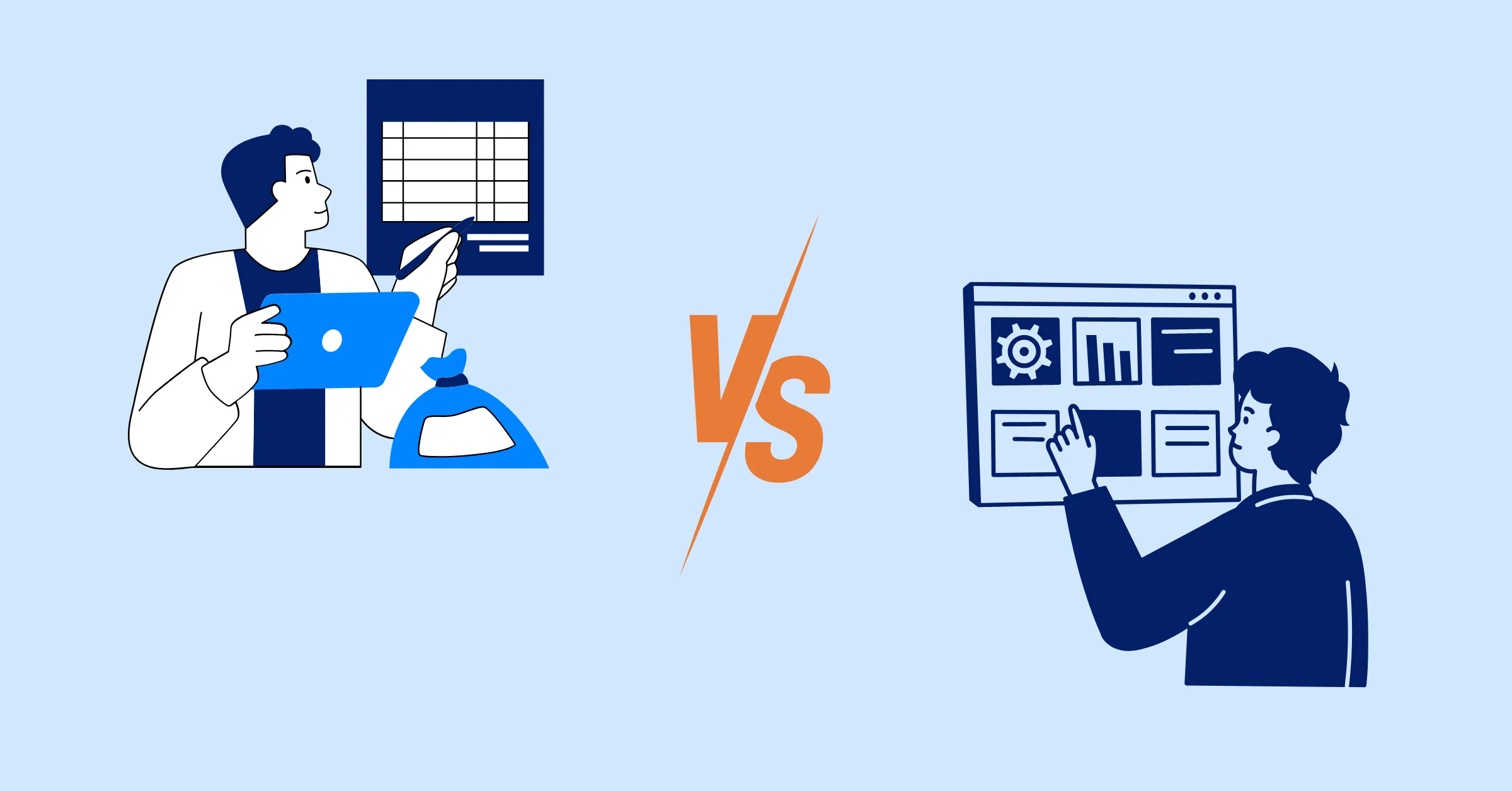
While project governance and project management are closely related, they serve distinct purposes. Understanding their differences is key to leveraging both effectively in large-scale projects.
(Learn more: What is Project Management)
Key Differences
- Project Governance: Focuses on the strategic oversight of a project, setting the framework for how it’s directed and controlled. It answers “what” and “why,” ensuring alignment with organizational goals, clear decision-making processes, and accountability.
- Project Management: Centers on the execution of the project, handling day-to-day operations to deliver results. It answers “how” and “when,” focusing on tasks, timelines, and resource coordination.
Think of governance as the architect designing the blueprint and management as the builder bringing it to life. Governance provides the rules, while management follows them to achieve objectives.
Comparison Table: Project Governance vs. Project Management
| Aspect | Project Governance | Project Management |
|---|---|---|
| Focus | Strategic oversight, direction, and alignment with organizational goals. | Tactical execution, task coordination, and delivery of project outcomes. |
| Scope | Defines the framework, policies, and decision-making processes. | Manages tasks, schedules, budgets, and resources within the governance framework. |
| Key Responsibilities | Sets roles, establishes KPIs, ensures accountability, and mitigates risks. | Plans, tracks, and executes tasks, ensuring deliverables meet quality and time goals. |
| Primary Questions | What are we doing? Why are we doing it? Who makes decisions? | How do we do it? When will it be done? Who does what tasks? |
| Key Deliverables | Project charter, governance plan, risk registers, decision-making protocols. | Project plans, schedules, budgets, status reports, and completed deliverables. |
| Stakeholder Involvement | Engages senior stakeholders (e.g., sponsors, steering committees) for oversight. | Engages operational teams and stakeholders for task execution and coordination. |
| Example in Action | A steering committee approves a budget increase for a global product launch. | A project manager assigns tasks to ensure the product launch meets its deadline. |
Why Both Matter
In large-scale projects, governance and management are complementary. Governance ensures the project stays aligned with strategic goals, while management drives the day-to-day progress. For example, in a multinational software rollout, governance might define compliance requirements, while management ensures the IT team meets those standards on schedule. Together, they create a robust system for success.
Core Components of Project Governance
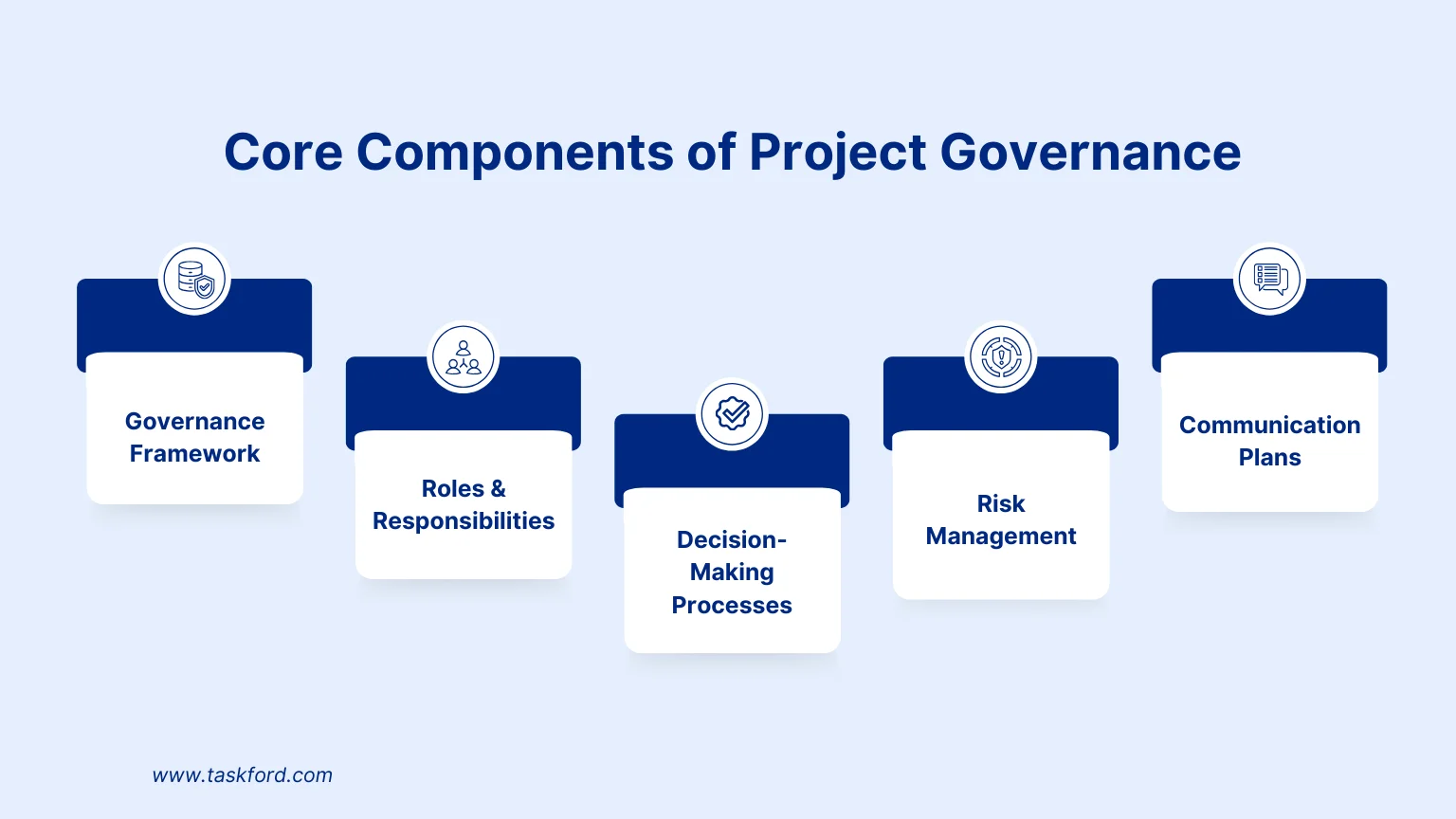
Effective project governance hinges on five key components. Let’s break them down:
1. Governance Framework
The foundation of governance is a clear framework that includes:
- Project Charter: Defines the project’s purpose, scope, and objectives.
- Governance Plan: Details decision-making processes, reporting structures, and escalation paths.
- Performance Metrics: Tracks progress with KPIs like budget adherence or milestone completion.
For example, a multinational infrastructure project might need a framework that accounts for local regulations and stakeholder diversity.
(Learn more: How the Project Charter Helps Identify and Mitigate Risks from the Start)
2. Roles and Responsibilities
Clear roles prevent overlap and confusion. Common roles include:
- Project Sponsor: Secures funding and provides strategic oversight.
- Project Manager: Handles daily operations and team coordination.
(Learn more: What Does A Project Manager Do?)
- Steering Committee: Makes high-level decisions and resolves conflicts.
- Project Team: Executes tasks, from engineers to analysts.
In a software implementation, the project manager might oversee technical teams, while the steering committee approves budget changes.
3. Decision-Making Processes
Large projects demand clear decision-making protocols to avoid delays. This includes:
- Decision Rights: Who approves budgets or scope changes?
- Escalation Paths: How are issues escalated when they exceed authority?
- Approval Processes: How are decisions documented and shared?
For instance, in a construction project, minor schedule tweaks might be approved by the project manager, but budget overruns go to the steering committee. Partnering with trusted construction industry consultants can further streamline governance for complex construction projects, ensuring every phase from planning to completion meets safety standards, cost efficiency, and regulatory compliance.
4. Risk Management
Complex projects are inherently risky. Governance includes:
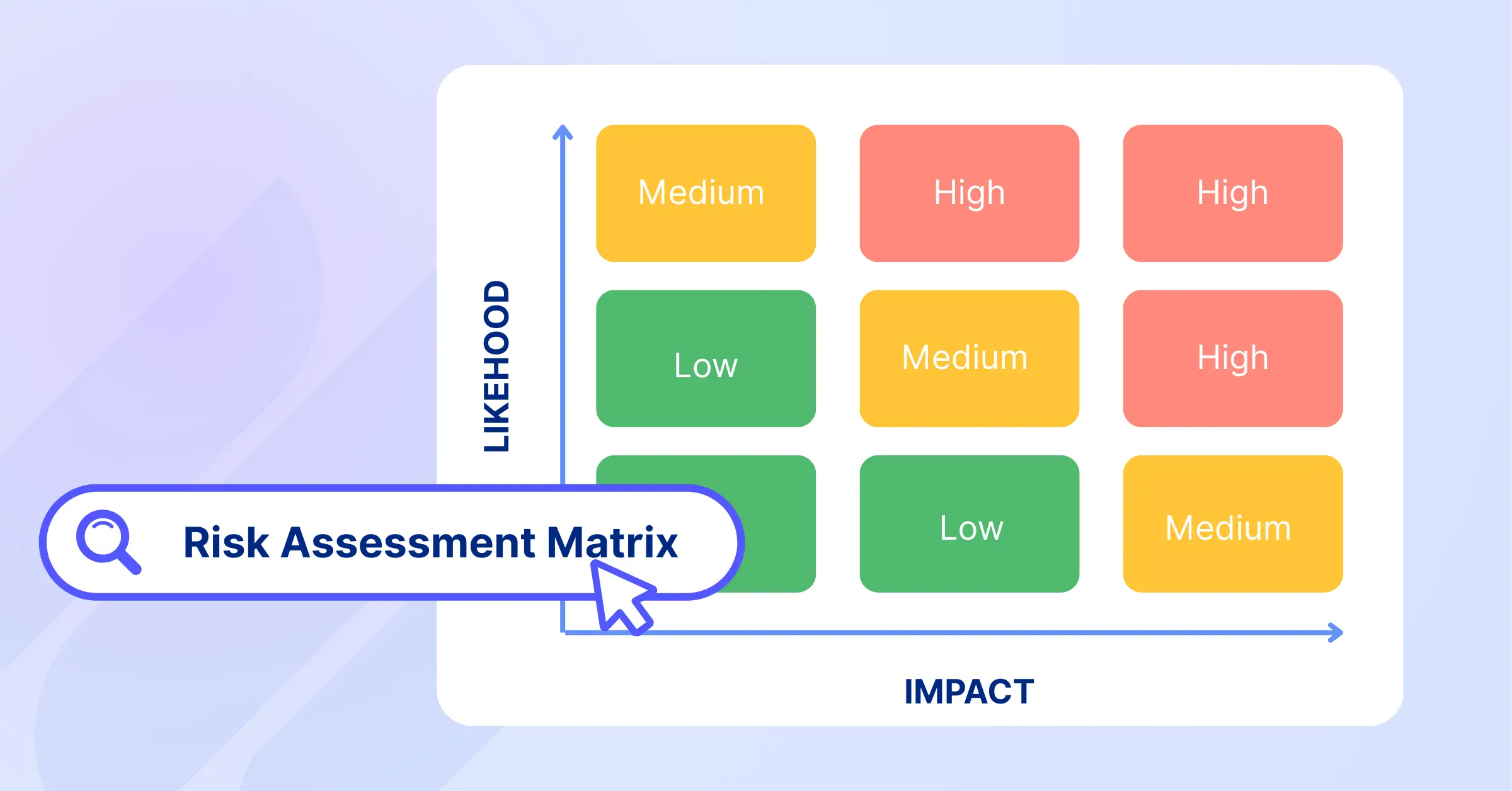
- Risk Registers: Logs potential risks, their likelihood, and impact.
- Mitigation Plans: Strategies like contingency budgets or backup timelines.
- Regular Reviews: Ongoing assessments to stay proactive.
A global supply chain project might track risks like geopolitical issues or supplier delays.
(Learn more: How To Build and Maintain a Risk Register)
5. Communication Plans
Communication is the lifeline of large projects. Governance defines:
- Reporting Structures: Weekly status reports or monthly executive updates.
- Stakeholder Engagement: Town halls or dashboards to keep everyone aligned.
- Feedback Loops: Channels for teams to raise concerns or ideas.
A healthcare system rollout might use dashboards to keep clinicians, IT, and executives on the same page.
(Learn more: Communication Plan - Key Steps for Project Success)
This framework can apply at different levels, from individual projects to program management, where multiple related projects need coordinated oversight.
How to Implement Project Governance
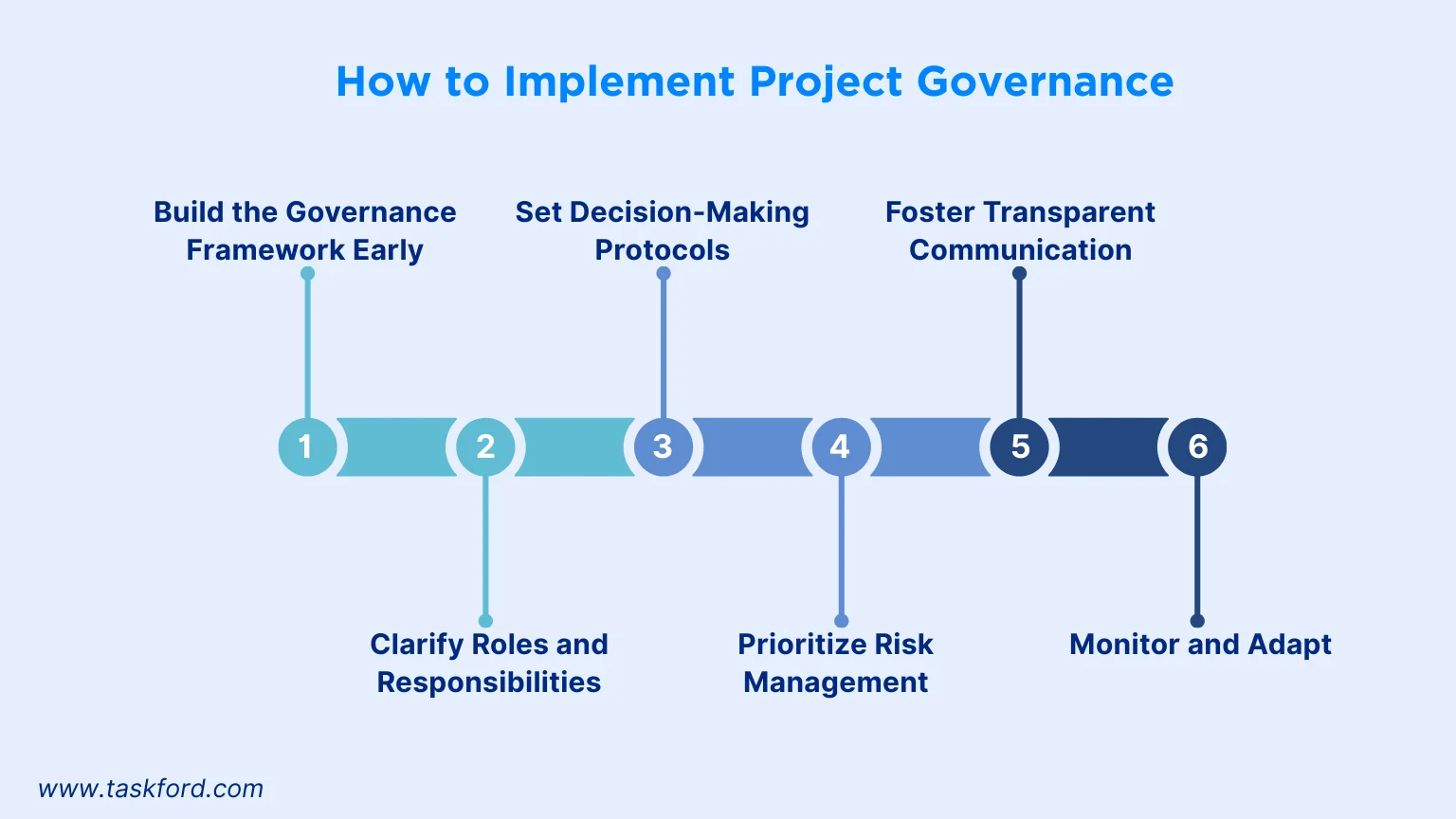
Ready to put governance into action? Follow these steps tailored for large-scale project management:
Step 1: Build the Governance Framework Early
Start during the project’s initiation phase. Involve key stakeholders to ensure alignment and buy-in. For a government infrastructure project, this might mean consulting public officials and contractors. Include:
- A project charter with clear objectives and scope.
- A governance plan outlining processes and roles.
- KPIs to measure success, like on-time delivery.
Step 2: Clarify Roles and Responsibilities
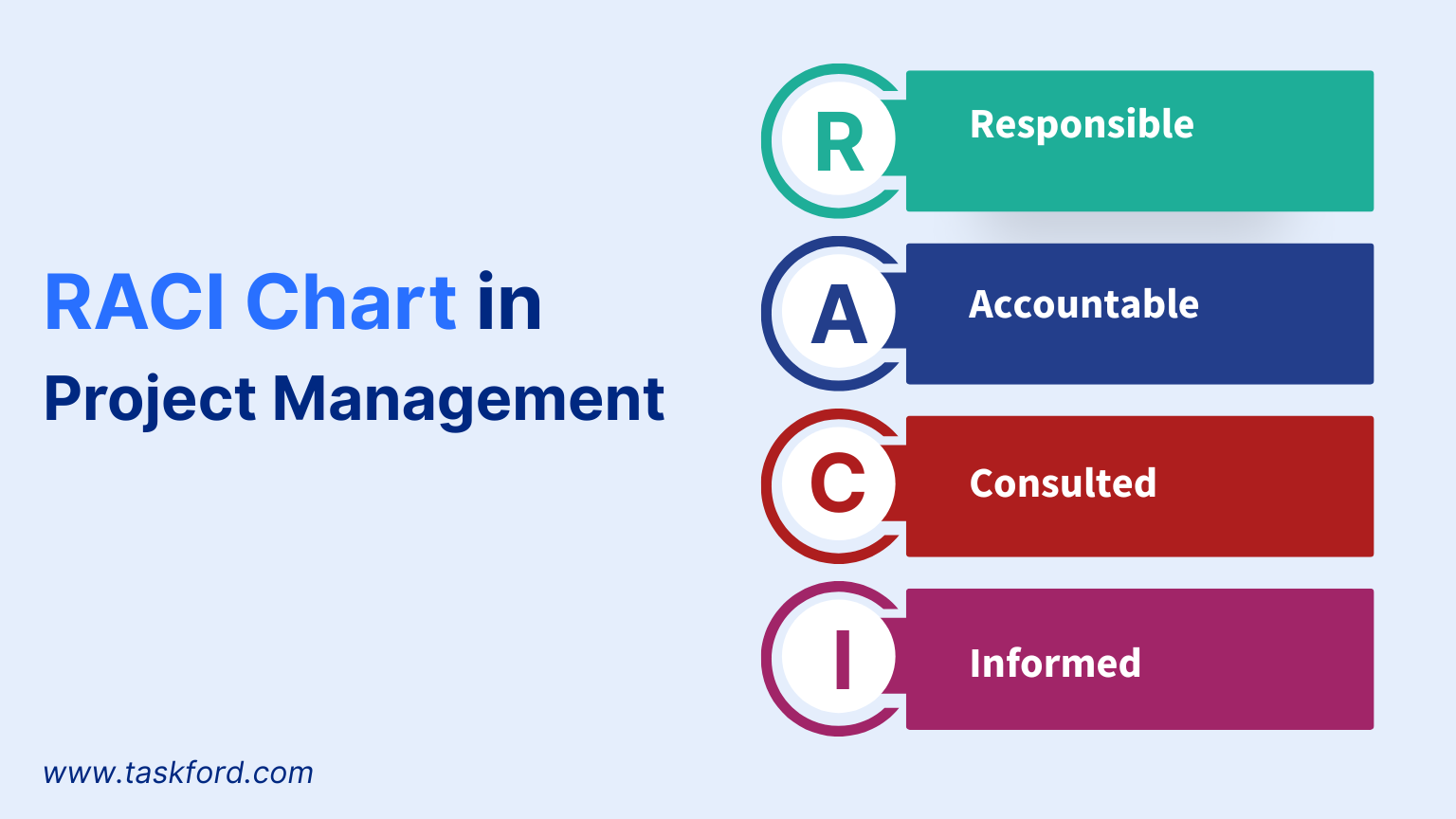
Use a RACI chart in project management (Responsible, Accountable, Consulted, Informed) to define roles. For an IT project, the project manager might assign tasks, while the CIO oversees strategy. Reinforce roles through onboarding and regular check-ins.
Step 3: Set Decision-Making Protocols
Create a hierarchy that balances speed and oversight. For a global marketing campaign, regional teams might handle local decisions, but budget changes need global approval. Document decisions in tools like TaskFord for transparency.
Step 4: Prioritize Risk Management
Conduct a risk assessment early to identify issues like regulatory hurdles or supply chain disruptions. Develop mitigation plans and assign owners. For a pharmaceutical project, regular audits might ensure FDA compliance.
Step 5: Foster Transparent Communication
Define how information flows. Specify:
- Update frequency (e.g., weekly team meetings).
- Tools (e.g., project management software).
- Escalation processes for conflicts.
In a multi-site construction project, daily reports and weekly virtual meetings keep teams aligned.
Step 6: Monitor and Adapt
Governance isn’t set in stone. Review the framework regularly to adjust KPIs, roles, or risks as needed. For a tech rollout, onboarding new vendors might require governance updates. Use data from project management tools to guide adjustments.
Overcoming Common Governance Challenges
Even the best governance plans face hurdles. Here’s how to tackle them:
- Stakeholder Misalignment: Diverse stakeholders often have competing priorities. Engage them early, set shared goals, and maintain open communication through regular updates or meetings.
- Scope Creep: New requirements can derail projects. Use a change management process to evaluate and approve scope changes. For a software project, new features might need steering committee approval.
- Resource Constraints: Large projects strain resources. Governance prioritizes allocation based on project needs. Track usage with project management tools to stay on course.
- Resistance to Governance: Some teams see governance as red tape. Highlight its benefits like clarity and accountability and involve teams in shaping the framework to build ownership.
The Role of Technology in Governance
Technology turns project governance from a set of guidelines into something teams actually use day to day.
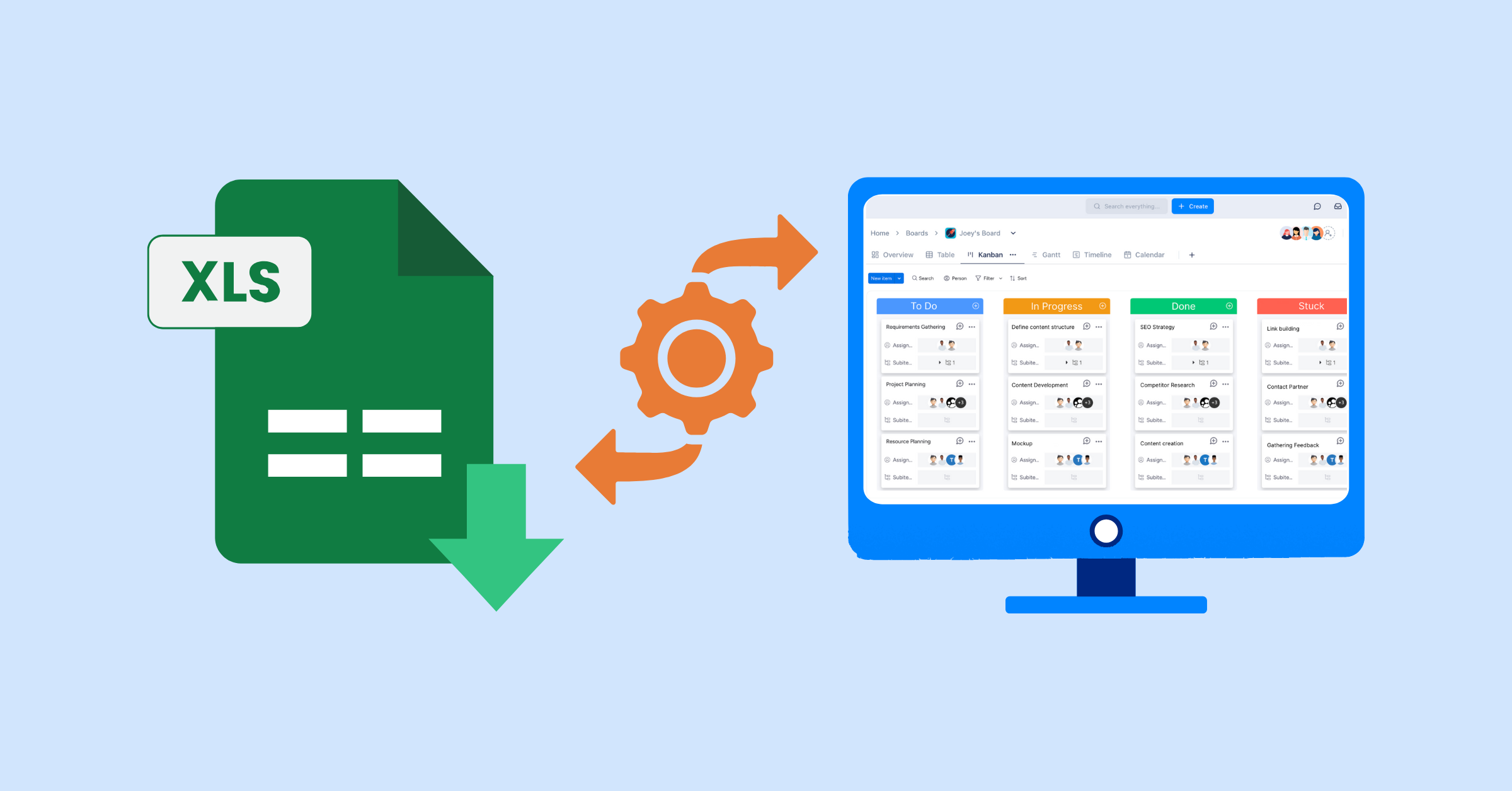
Instead of tracking progress in spreadsheets or scattered tools, platforms like TaskFord centralize work into one system. Tasks, owners, timelines, and priorities are all visible in real time, so it’s clear what’s happening and who is responsible.
This makes governance more practical:
- Decisions are based on live data, not status updates
- Ownership is visible at the task level, not just at the project level
- Work follows consistent workflows instead of ad hoc processes
- Risks show up earlier through delays, dependencies, or workload issues
TaskFord supports this by connecting planning with execution. As work moves across statuses, updates automatically reflect in dashboards, giving managers a real-time view of progress, blockers, and team capacity without extra reporting.
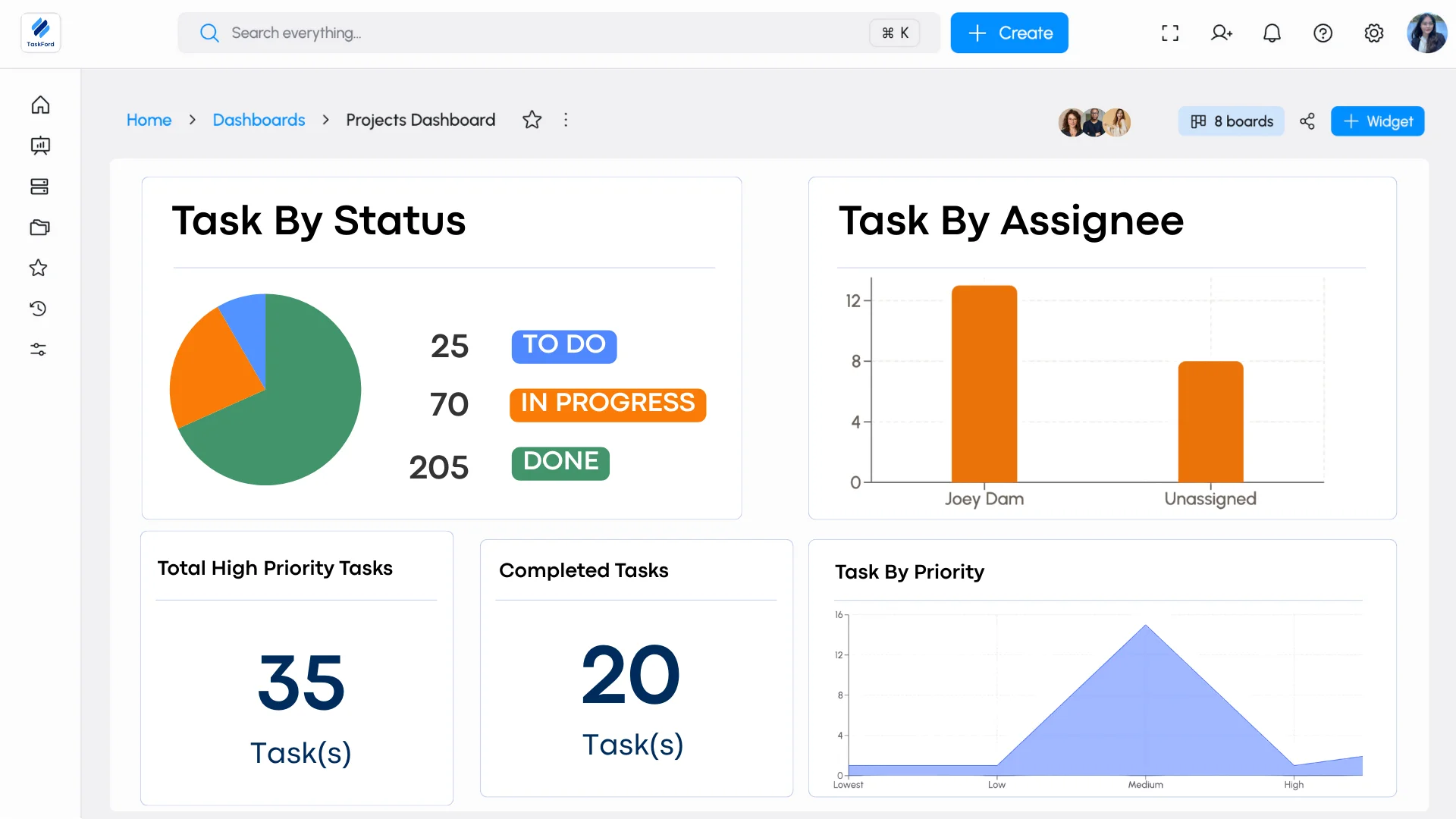
In practice, this means less time chasing updates and more control over how work is delivered. Governance becomes part of the workflow, not something separate from it.
Case Study: Governance in a Global Product Launch
Imagine a multinational company launching a product across 20 countries, with a $50 million budget and a 12-month deadline. Without strong governance, this kind of rollout can quickly become fragmented. Here’s how governance keeps everything on track:
- Clear structure: A project charter aligns all teams around a single launch goal, while a governance plan defines how work is managed, tracked, and reported.
- Defined roles: A global project manager oversees the entire launch, regional leads handle local execution, and a steering committee reviews and approves major decisions.
- Controlled decision-making: Regional teams can adapt campaigns to fit local markets, but any major changes—like budget adjustments—require approval from the steering committee.
- Active risk management: A centralized risk register tracks issues such as supply chain delays, with clear mitigation plans ready to reduce impact.
- Consistent communication: Weekly updates and a shared dashboard give stakeholders real-time visibility into progress, risks, and performance across all regions.
With this structure in place, the company delivers the launch on time, within budget, and in full compliance, showing how effective governance turns complexity into coordinated execution.
Conclusion
Project governance is the linchpin of successful project management for large-scale and complex initiatives. By defining clear frameworks, roles, and processes, it ensures alignment, accountability, and risk mitigation. Whether you’re managing a global product launch or a major infrastructure project, governance turns complexity into opportunity.
Ready to elevate your project management? Explore TaskFord to implement robust governance and drive your projects to success.
Frequently Asked Questions
What is project governance?
Project governance is the framework of roles, responsibilities, processes, and decision-making structures that guides how a project is directed and controlled. It ensures projects remain aligned with business objectives, resources are used effectively, risks are managed, and stakeholders have clear oversight throughout the project lifecycle.
What is the difference between project governance and project management?
Project governance focuses on strategic oversight by defining policies, decision-making processes, accountability, and alignment with organizational goals. Project management focuses on executing the project by planning tasks, coordinating resources, managing schedules, and delivering project outcomes within the governance framework.
Who is responsible for project governance?
Project governance is typically shared among project sponsors, steering committees, executives, PMOs, and other senior stakeholders. While project managers are responsible for day-to-day delivery, governance bodies provide strategic direction, approve major decisions, oversee risks, and ensure the project continues to support organizational priorities.
Why is project governance important for large projects?
Large projects involve multiple teams, stakeholders, budgets, and risks that require consistent oversight. Effective project governance improves accountability, supports faster decision-making, reduces scope creep, strengthens risk management, and helps ensure projects are completed on time while remaining aligned with business goals.
How can project management software support project governance?
Project management software supports governance by centralizing project data, task ownership, approvals, progress tracking, and reporting in one place. With real-time visibility into project performance, managers and stakeholders can make informed decisions, monitor risks, maintain accountability, and ensure governance processes are consistently followed.
Further Reading
Related Articles













How to Build and Manage a Product Roadmap with TaskFord











How to Build a Connected Project Timeline in TaskFord







What Are the Best Jira Alternatives for Scrum Teams?





















How WBS Reveals Delivery Breakdown Before It’s Too Late








![How To Conduct a Profound Stakeholder Analysis [+ Free Template]](/marketing/blog/stakeholder-analysis.webp)













What to Look for in Scrum Tools (Beyond Kanban Boards)

![Project Management Calendar for Teams and Managers [Free Templates]](/marketing/blog/project-management-calendar.webp)





How to Define Project Deliverables: A Step-by-Step Guide







![RACI Chart in Project Management: Rules & Examples [Free Download]](/marketing/blog/raci-chart.webp)















![7 Must-Have Project Management Documents Every PO Should Know [Free Templates]](/marketing/blog/project-management-documents.webp)








![How to Create a Winning Project Plan for IT Projects [10 Steps Included]](/marketing/blog/how-to-create-a-project-plan.webp)


![Daily Standup Best Practices: Apply AI to Organize Meetings Successfully [2026 Trends]](/marketing/blog/daily-standup.webp)





![How to Create a Project Communication Plan: Step-by-Step Guide [+Free Template]](/marketing/blog/project-communication-plan.png)


![Master Project Procurement Management in 5 Steps [Download a free plan template]](/marketing/blog/project-procurement-management.webp)


























Subscribe for Expert Tips
Unlock expert insights and stay ahead with TaskFord. Sign up now to receive valuable tips, strategies, and updates directly in your inbox.