Agency Forecasting for Seasonal Client Demand: How to Plan Resources Before the Peak
Seasonal peaks show up in your pipeline too late to staff for. Learn how to forecast agency resources by role, months before the busy season.
You’ve said it. I’ve said it. Usually right after agreeing to another holiday campaign.
Yet Q4 comes at the same time every year, with mostly the same clients and the same kind of work. It’s the most predictable season an agency has. We just plan for it too late.
The forecast only looked a few weeks ahead, so the peak didn’t show up until the work was signed. Several clients launched campaigns in the same week. The team’s total hours looked fine, but the senior people everyone needed were overbooked. And some of the team had leave booked for December.
That’s the gap in most agency forecasting. We plan what we’ll sell, but not whether the team can deliver it.
This guide shows you how to forecast resourcing for your busy season before it starts, so you can spot the crunch while there’s still time to fix it.
What is Agency Forecasting?
Agency forecasting is the process of predicting how much client work is coming, when it will arrive, and whether your team can deliver it. It uses your past delivery data and sales pipeline to plan staffing before the work lands.
Most agencies already do part of this. They forecast revenue, meaning which deals will close and how much they’re worth.
The part that gets skipped is resource forecasting. It asks whether you’ll have the right people available at the right time to do the work you’re selling.
The difference shows up fast. A revenue forecast tells you Q4 will be a strong quarter. A resource forecast tells you your two senior strategists will be over capacity for three weeks in November.
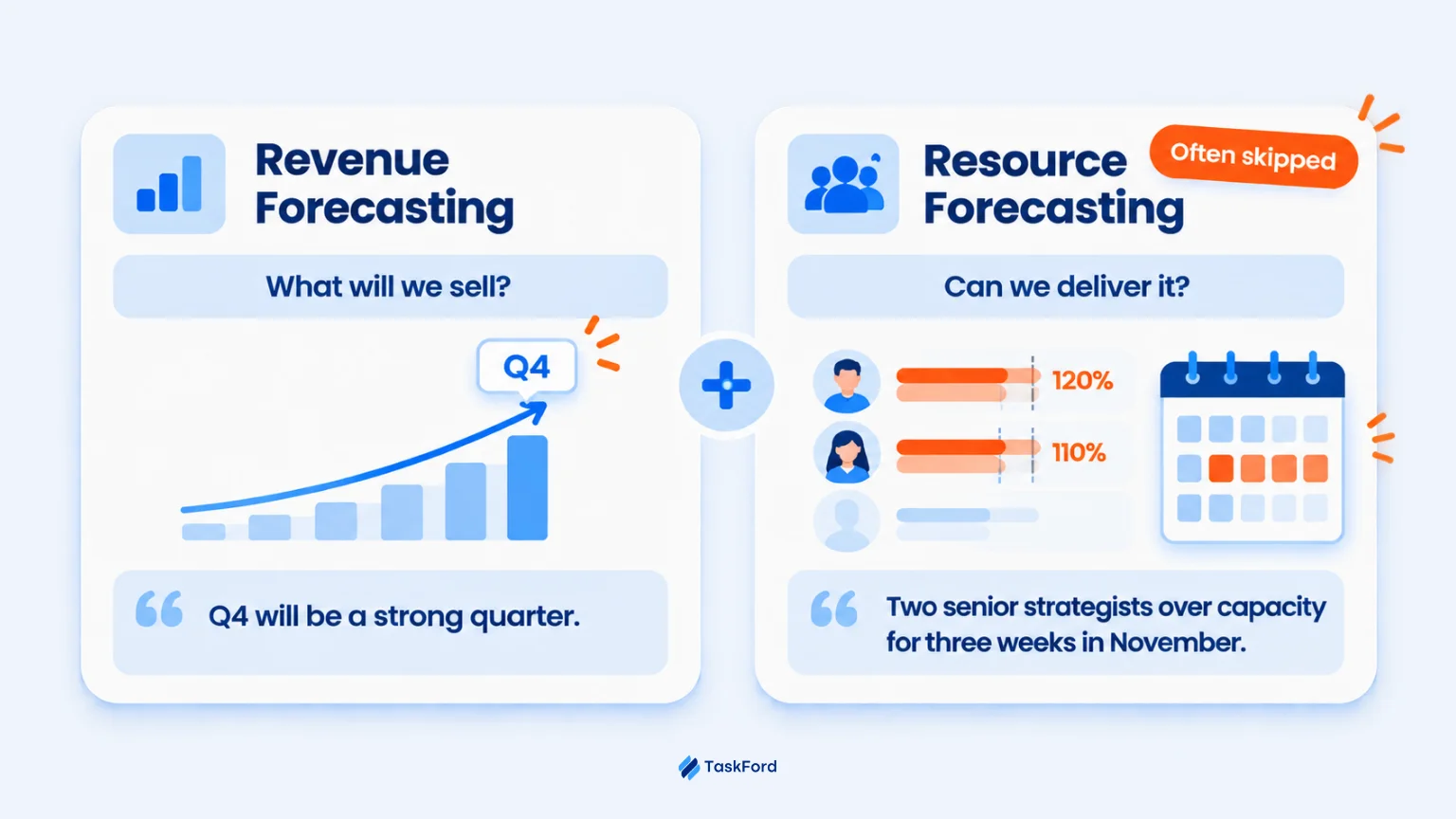
You need both. This guide focuses on the second, because it’s the one that decides whether your busy season runs smoothly or turns into weeks of overtime.
Why Most Agency Forecasts Miss the Busy Season
Most agencies do forecast. The problem is that their forecast often does not reveal the busy season until it is already happening. Two habits cause most of it.
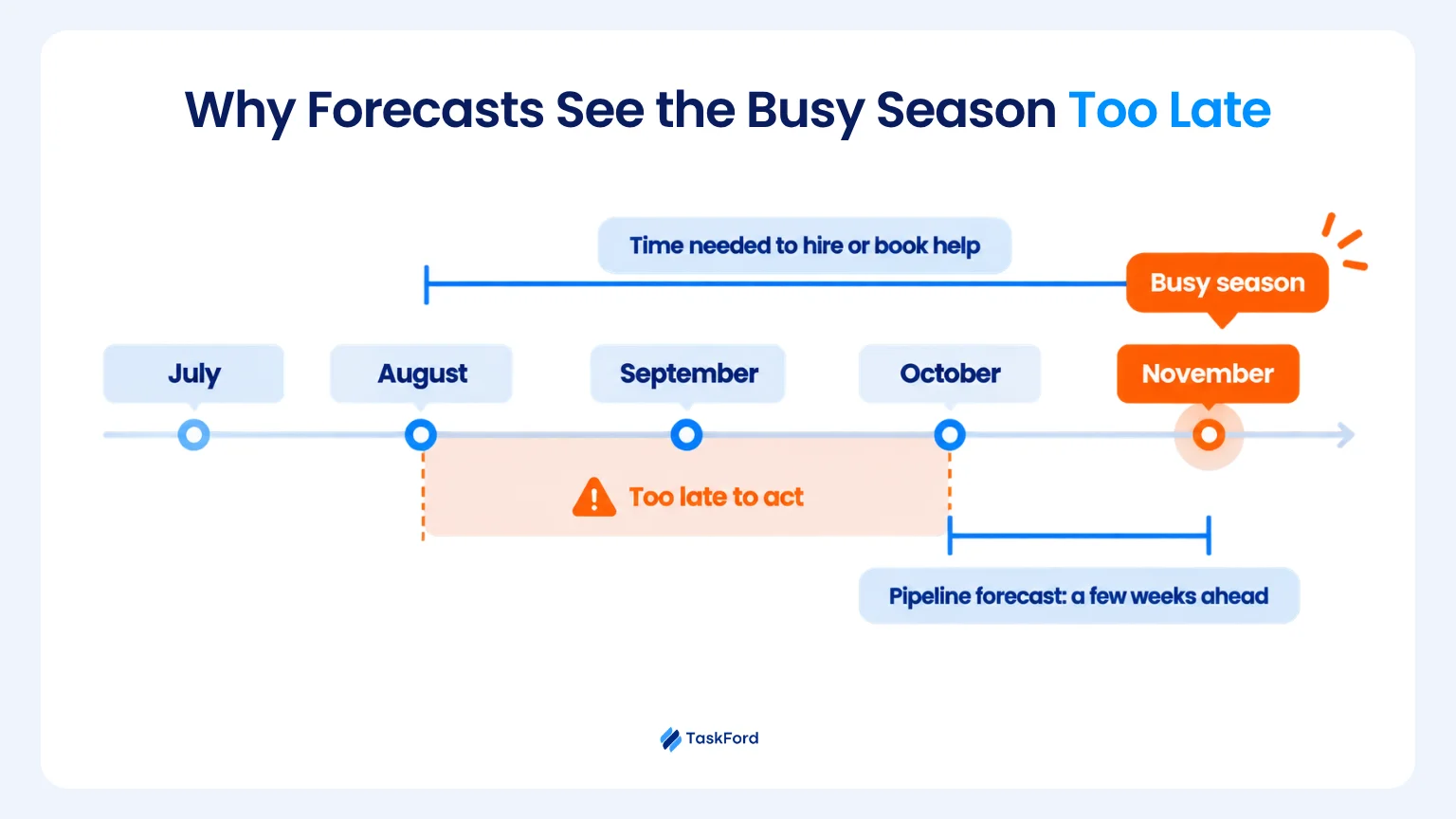
Reason 1: The Forecast Only Looks a Few Weeks Ahead
Many agencies plan resources from what’s in the pipeline right now. That’s fine for planning next week. It’s not enough for a busy season.
Say your clients approve holiday campaigns in October. By the time that work shows up in your pipeline, the window to hire, train, or book freelancers has mostly closed. You’re stuck with the costly options: Overtime, last-minute contractors, or asking clients to wait.
A short forecast answers “who’s free next week?” A seasonal agency also needs to answer “what will we need a few months from now?”
Reason 2: The Forecast is Built on Hope Instead of History
The second problem is harder to spot. When teams estimate upcoming work, they picture how the project should go, not how similar projects actually went.
Psychologists call this the planning fallacy. In a well-known 1994 study, researchers Roger Buehler, Dale Griffin, and Michael Ross asked students to predict when they’d finish their theses. On average, students expected to need about 34 days. They actually took about 56, and only around 30% finished by the date they predicted.
The researchers also found a fix. When people looked back at how long similar work took before, their guesses became much more accurate.
For agencies, the takeaway is simple: Use last year’s busy season to plan this year’s. If your team worked far more hours than planned last November, expect the same this year, unless something has really changed.
Why Seasonal Client Demand Makes Forecasting Harder
Busy seasons would be easy to plan for if the extra work spread out evenly. It doesn’t. Seasonal demand arrives all at once, and it hits your team in three ways.
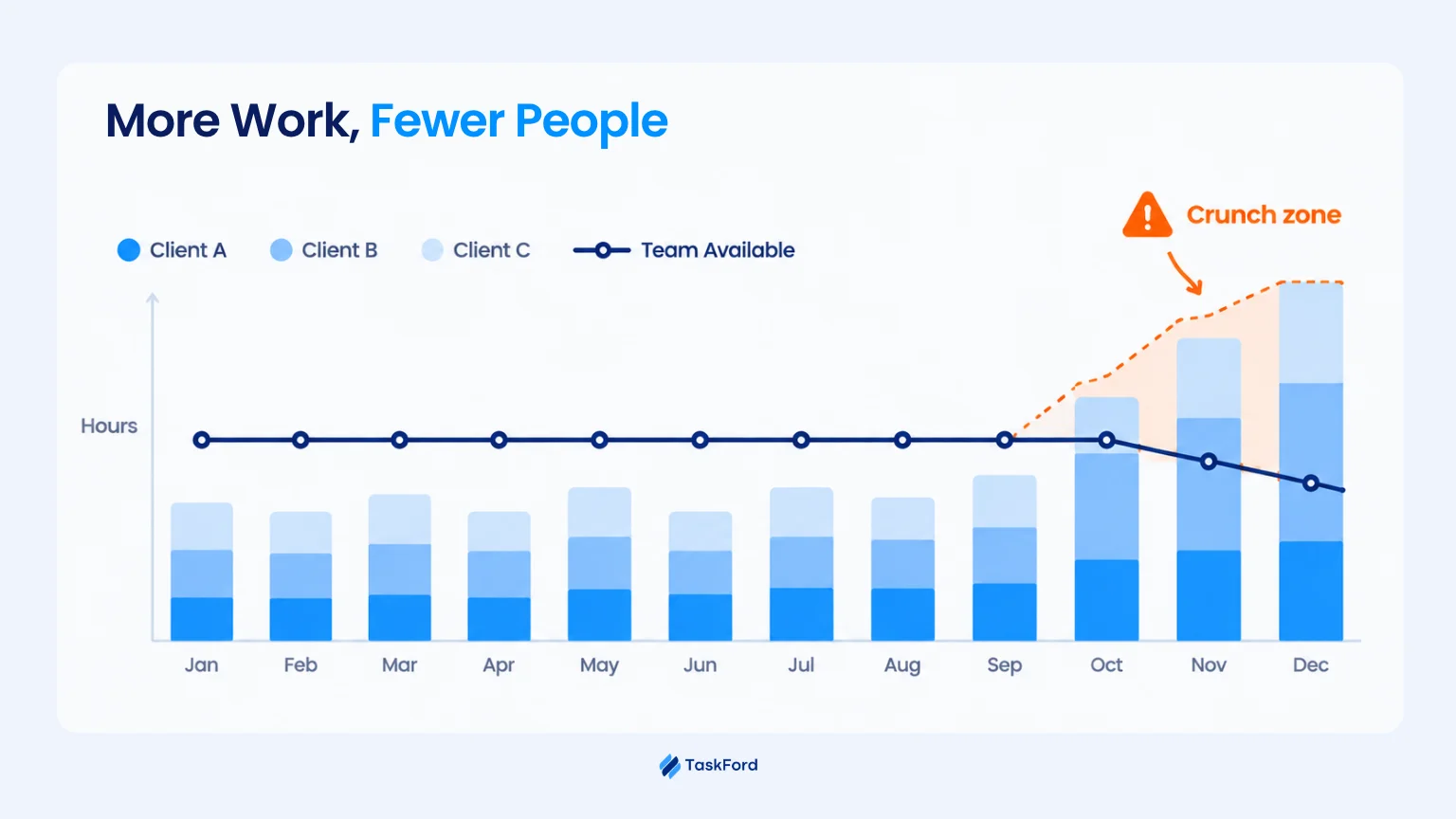
1. You Can’t Save Hours for Later
A factory can make extra products in a slow month and store them for the busy months. An agency can’t do that.
If your designer has a quiet week in January, those hours are gone. You can’t save them and use them in November.
Harvard Business School professor W. Earl Sasser pointed this out back in 1976: Service businesses can’t stock up ahead of time, so they have to match their team to demand as it happens.
Timing matters so much because you can’t store your team’s time, so you have to plan it before the work shows up.
2. Client Busy Seasons Pile on Top of Each Other
Each client has its own calendar. One has a product launch in spring. Another runs a big holiday campaign. A third needs to spend its yearly budget before the year ends.
Many companies set budgets by calendar year, so money that isn’t spent by December is often lost. That pushes a lot of client work into Q4.
On their own, these deadlines look manageable. The problem starts when several clients get busy in the same few weeks, and they all need the same people on your team.
3. Your Team Gets Smaller When You Need It Most
Many forecasts also miss this part. The busiest months are often the same months people take time off.
In many markets, the end of the year brings holidays and planned leave. So just as client work goes up, the number of people available to do it goes down. A forecast that counts incoming work but not who will actually be available will always look better than reality.
What Data You Need Before You Forecast
A forecast is only as good as the information behind it. You don’t need a complex system to start, but you do need the right data in one place.
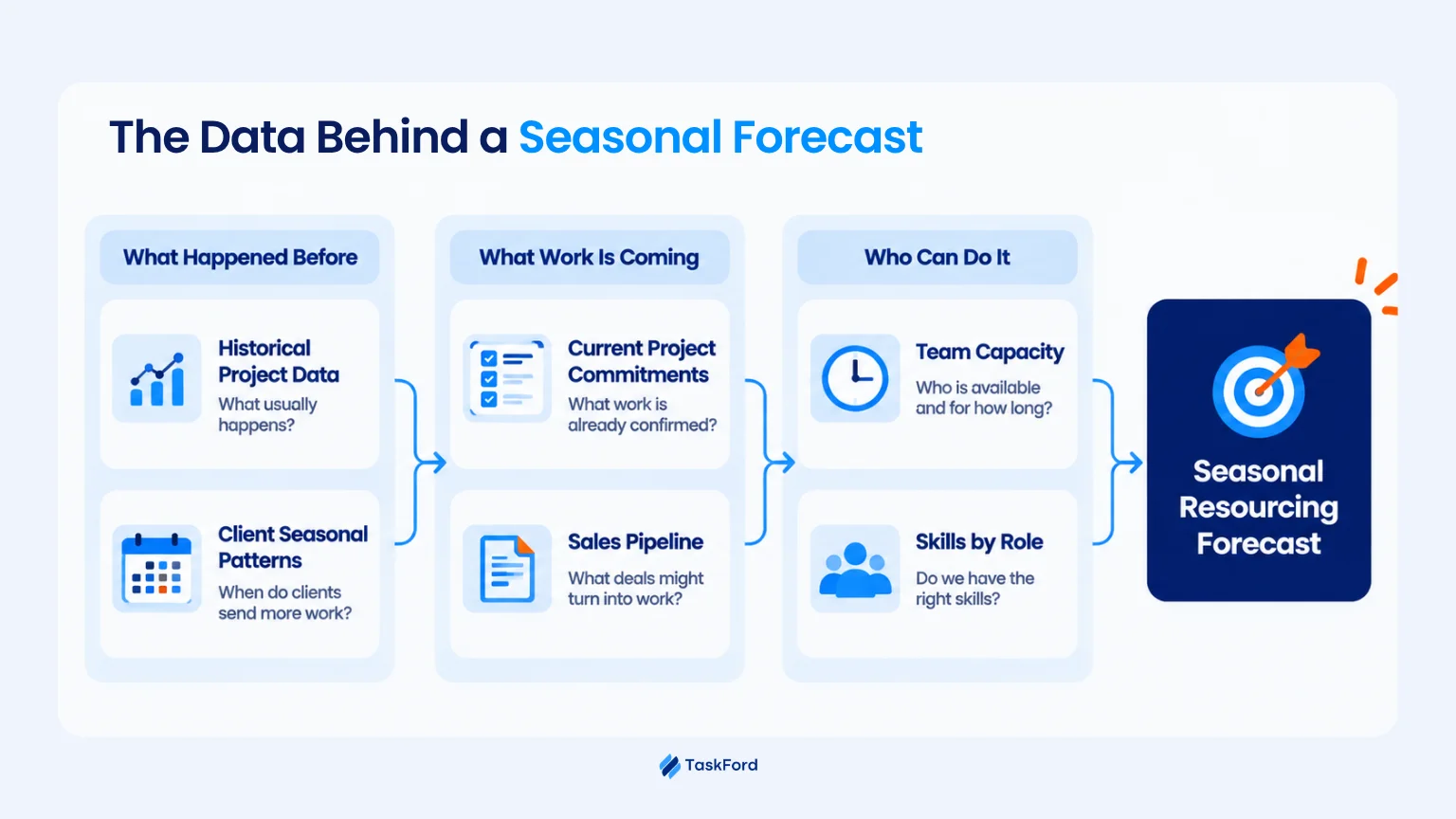
1. Historical Project Data: What Usually Happens?
Start with what really happened, not what was planned. Pull the hours your team spent on client work each month, ideally for the last two or three years.
Compare planned hours with actual hours. If projects in your busy months regularly ran over, your forecast should expect that again.
If you don’t have clean time records, use invoices, project start and end dates, or timesheet exports as a rough guide. Start tracking hours by month and role now, so next year’s forecast has better data.
2. Client Seasonal Patterns: When Do Your Clients Get Busy?
Look at when each major client usually needs the most from you. Note their product launches, campaigns, and budget deadlines.
Your account managers often know this already, even if it’s not written down. Put every client’s busy months on one calendar so you can see where they overlap.
3. Current Project Commitments: What Is Already Taking Your Team’s Time?
List the work that’s already confirmed: signed projects, active retainers, and ongoing support. Note how many hours each one needs and when.
Count this work first, before adding anything that hasn’t been confirmed yet.
4. Sales Pipeline: What Work Might Be Coming?
List the deals and projects that could still come in. For each one, note the size of the work, when it would start, and how likely it is to go ahead.
Keep this separate from confirmed work. A project that’s 50% likely to close is useful for planning, but you can’t assign half a person to it.
5. Team Capacity: How Much Work Can Your Team Actually Handle?
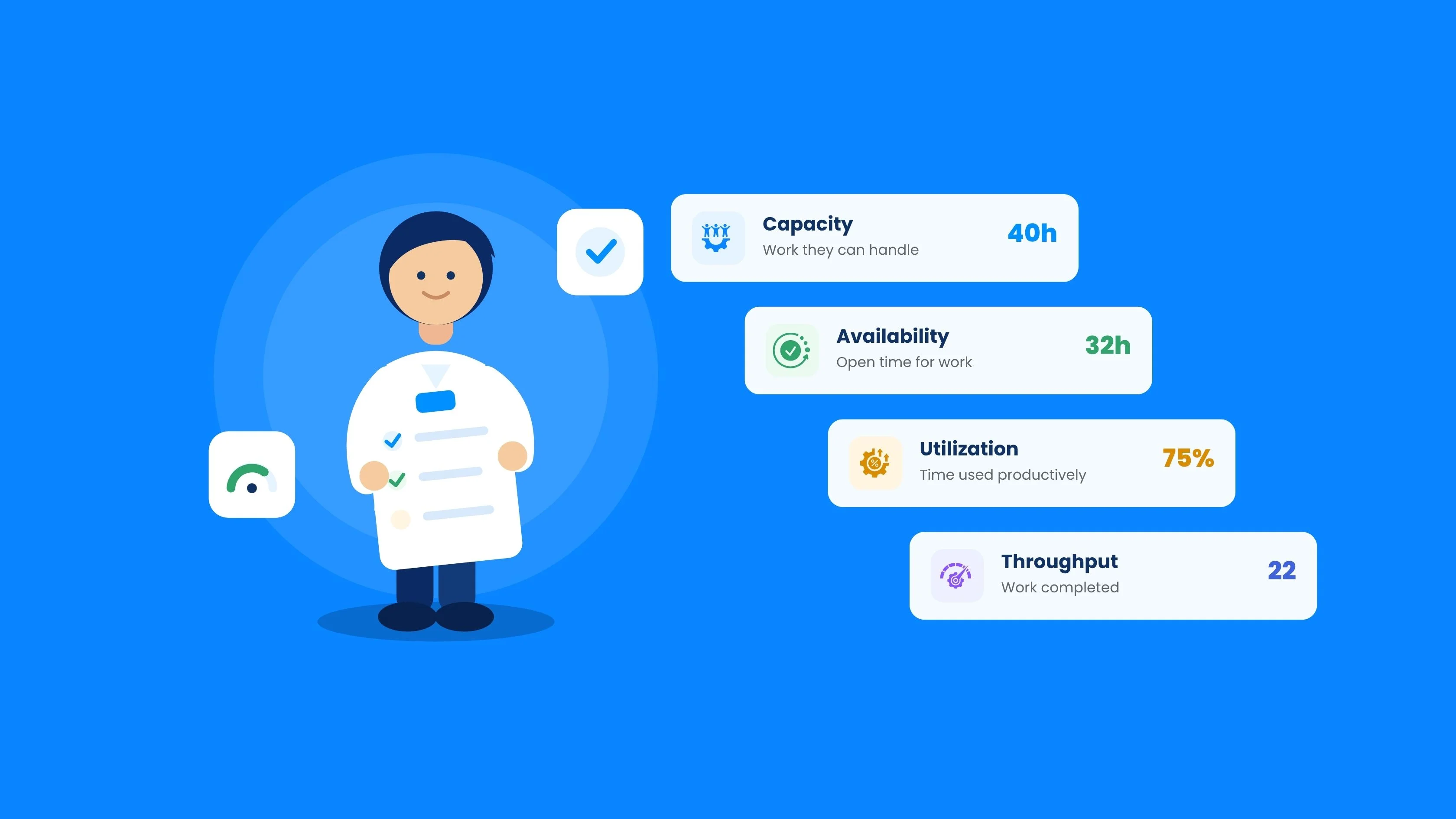
Count the hours your team can actually spend on client work. Understanding resource utilization helps agencies see where available hours are being used and where capacity may exist. Take out holidays, planned leave, internal meetings, and other non-client tasks.
This number is always lower than the hours in people’s contracts. Check it month by month, because leave often lands in the same months as your busiest client work.
6. Skills by Role: Do You Have the Right People for the Work?
Total hours don’t tell you enough. You also need to know who can do which type of work.
Your team might have plenty of hours in November, but if most of them belong to junior designers and the work needs senior strategists, you’re still short. Map your capacity by role so you can see exactly where the gaps will be.
How to Forecast Resourcing for an Agency With Seasonal Client Demand
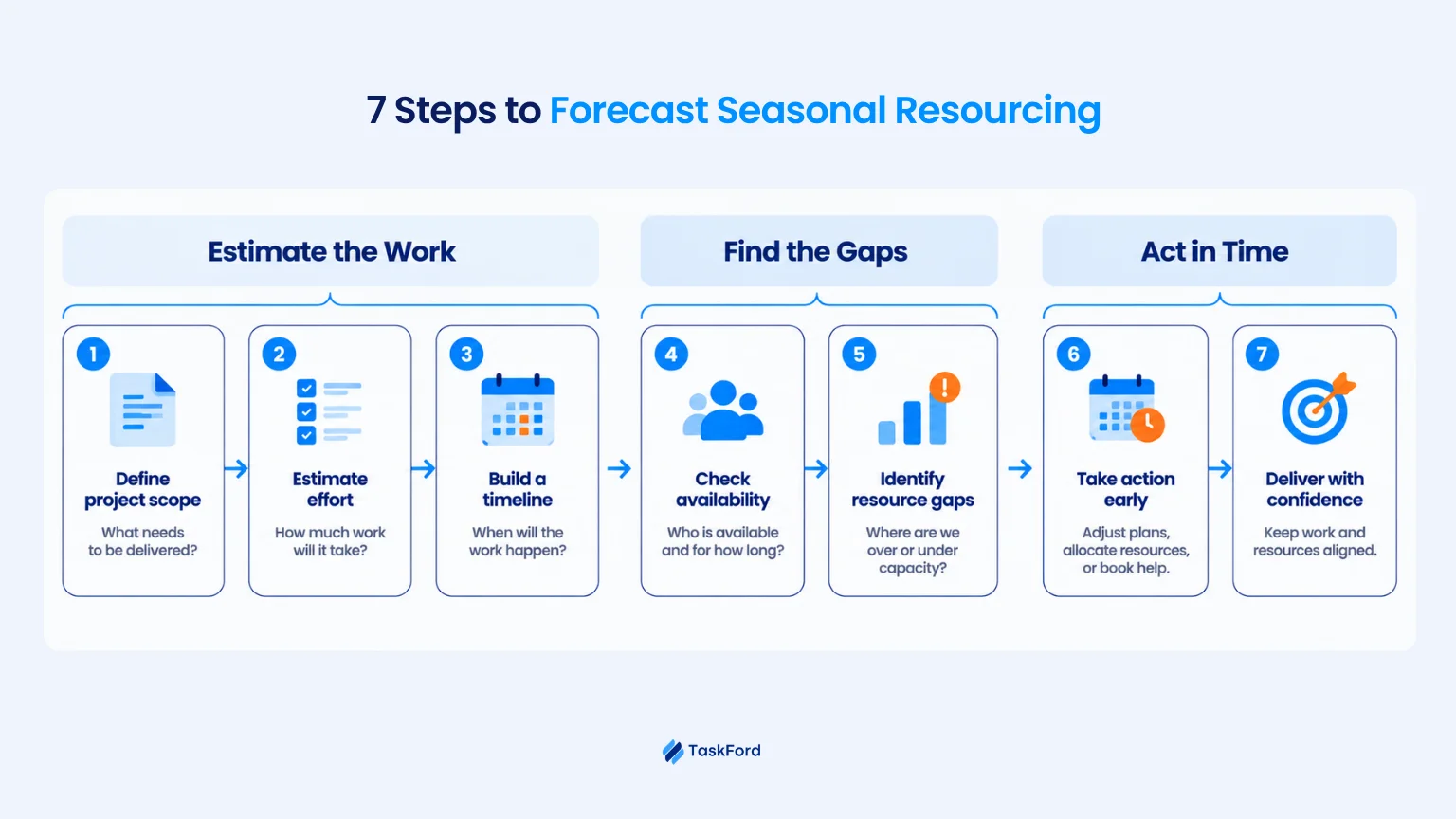
Once you have your data, you can build your forecast. The goal is to spot your busy season early, so you have time to prepare. Here are 7 simple steps.
Step 1: Start With Confirmed Work
Begin with the work you know is coming: Signed projects, active retainers, and ongoing support. Spread the hours across the months when the work will happen.
This gives you a solid base. Everything you add after this is an estimate, so keep confirmed work clearly marked.
Step 2: Look at Last Year’s Busy Months
Some clients come back every year but haven’t signed yet. Last year’s numbers help you plan for them.
Check how many hours your team worked each month last year, find your busiest months and compare what actually happened:
- How many client hours did your team deliver?
- Which months were above normal?
- Which roles became overloaded?
For example, if your team usually works 2,000 hours a month but worked 2,600 last November, November was about 30% busier than normal.
Expect a similar jump this year, unless something has changed. Maybe a client left, or a campaign moved to another month.
Be careful not to count the same work twice. If a client’s holiday campaign is already signed, it’s in Step 1. Only use the pattern for work that isn’t confirmed yet.
Step 3: Add Likely New Work From Your Pipeline
Next, add new work that might come in. Multiply each deal’s hours by how likely it is to close.
For example, a project requiring 200 hours with a 60% chance of closing adds 120 expected hours to your forecast.
Keep these hours in a separate layer so you can see how much of your busy season depends on deals that haven’t closed.
Step 4: Break It Down by Role
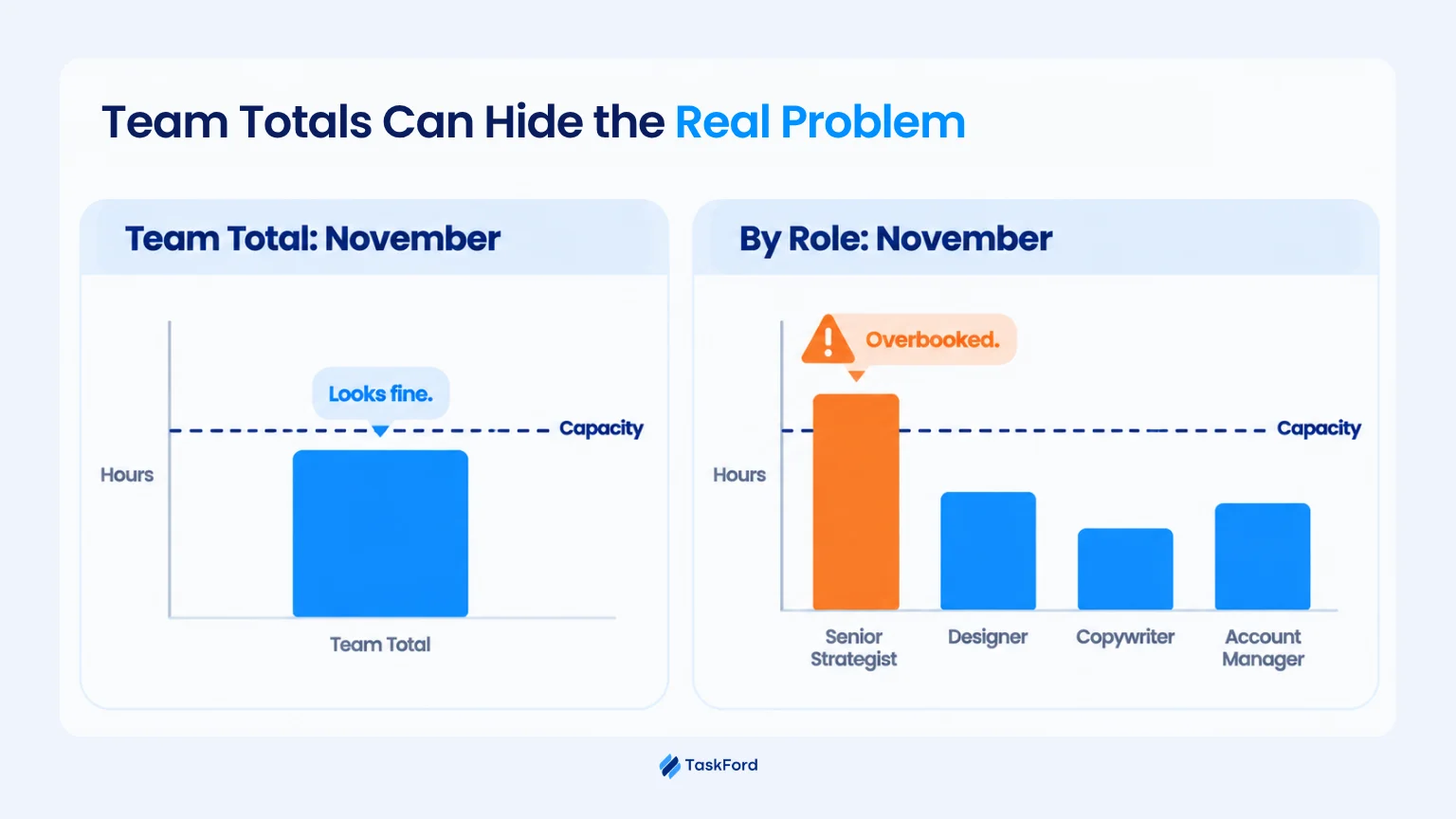
Now split your forecast by role. Total hours can hide the real problem.
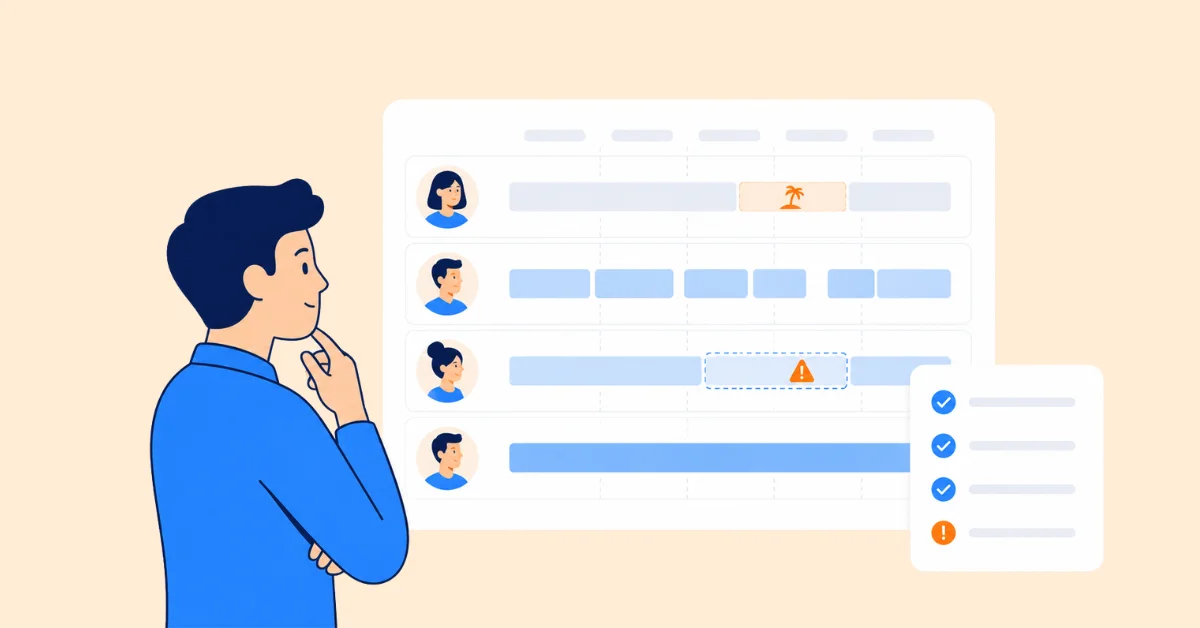
For example, take Tracy, a senior strategist on a team that looks fine on paper for November. The team has spare hours overall, but most of the new campaigns need strategy work first. Tracy’s calendar is overbooked for three weeks, while the team total says everything is fine. You only see this when the forecast is split by role.
Step 5: Compare Demand With Capacity
For each role and each month, compare the hours you’ll need with the hours your team actually has. Use the real capacity numbers from your data, with leave and holidays taken out.
Mark every month where a role is over capacity. Mark the quiet months too, since those are your chance to move work earlier or plan internal projects.
Step 6: Set Decision Dates by Working Backward
A gap in November is only useful if you spot it in time to fix it. For each gap, ask how long each fix takes.
If hiring a new person takes you three months, and the gap starts in November, you need to decide by August. If booking a good freelancer takes a few weeks, that decision can come later. Put each decision date on the calendar, with a named owner.
Step 7: Update the Forecast as the Season Goes On
A forecast isn’t a one-time task. Review it monthly in the lead-up to your busy season, then weekly once it starts.
After the season, compare what you forecast with what actually happened. Those differences become your starting point for next year, which makes each forecast more accurate than the last.
To summarize, Steps 1 to 3 help you estimate how much work is coming. Steps 4 and 5 show you which roles will be short of people, and when. Steps 6 and 7 help you act in time and make your forecast more accurate each year.
How to Close the Gap Once You See It
So your forecast shows a problem. Maybe you’ll need more strategist hours in November than you have, or your designers will be overbooked for three weeks. Now you need to decide how to fill it. Most agencies use one of a few options, and each one works best in different situations.
Bring In Extra Help for the Busy Season
The quickest fix is to add people for a short time. You can hire freelancers or contractors, or ask your team to work extra hours.
This works well for short peaks, but it has costs. Freelancers need time to learn your clients and processes, so book them early and plan a proper handover. Overtime can look like free capacity, but it has a real cost. Too many late nights and weekends lead to mistakes and burnout. Use it for a few days, not a few months.
Keep Your Team Steady and Move the Work
Another option is to keep your team the same size and change when the work happens.
You can start some projects earlier, during quieter months. You can also talk to clients about start dates. Some clients are happy to begin in October instead of November if you explain why.
This is easier on your team, but it takes planning. You need to spot the gap early and have those client conversations before the busy season starts.
Use a Mix of Both
Most agencies don’t pick just one option. They keep a steady core team, move what work they can, and bring in extra help only for the busiest weeks.
The right mix depends on how big the gap is and how long it lasts. A two-week spike might only need a freelancer. A gap that lasts all of Q4 might mean it’s time to hire.
Plan Your Quiet Months Too
Gaps don’t only happen in busy months. Quiet months are gaps too, just in the other direction.
Don’t wait for slow periods to happen. Plan them. Use them for training, internal projects, and fixing processes. You can also offer clients earlier start dates in these months, which takes pressure off your peak.
Where Resource Planning Software Helps (and Where It Doesn’t)
Most agencies I’ve worked with start forecasting in a spreadsheet. That works when you have a few clients and a small team. But once you add more clients, more roles, and a busy season on top, keeping the spreadsheet up to date becomes a job of its own.. Resource planning software can help here, as long as you know what it can and can’t do.
| What Software Does Well | What Software Can’t Do for You | |
|---|---|---|
| See workload | Shows team capacity and overload risks in one place | Can’t predict client changes or unexpected work |
| Keep plans current | Updates visibility when projects or deadlines change | Can’t stay accurate without updated data |
| Support decisions | Shows who is overloaded, what is at risk, and where capacity exists | Can’t decide whether to hire, outsource, or change scope |
Related read: Capacity Planning software vs Spreadsheet
How TaskFord Helps
TaskFord helps agencies turn resource forecasting from a manual exercise into an ongoing planning process.
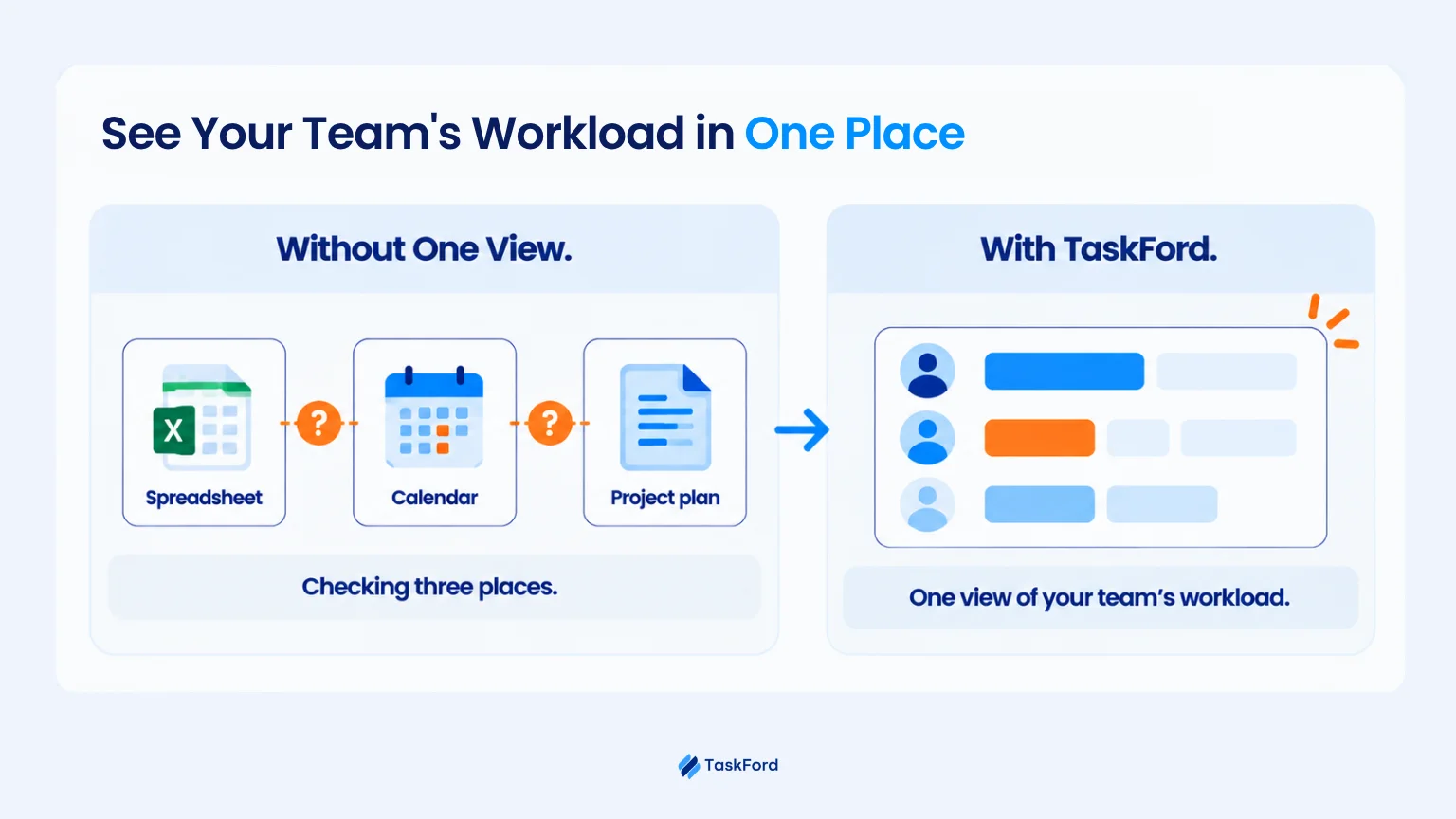
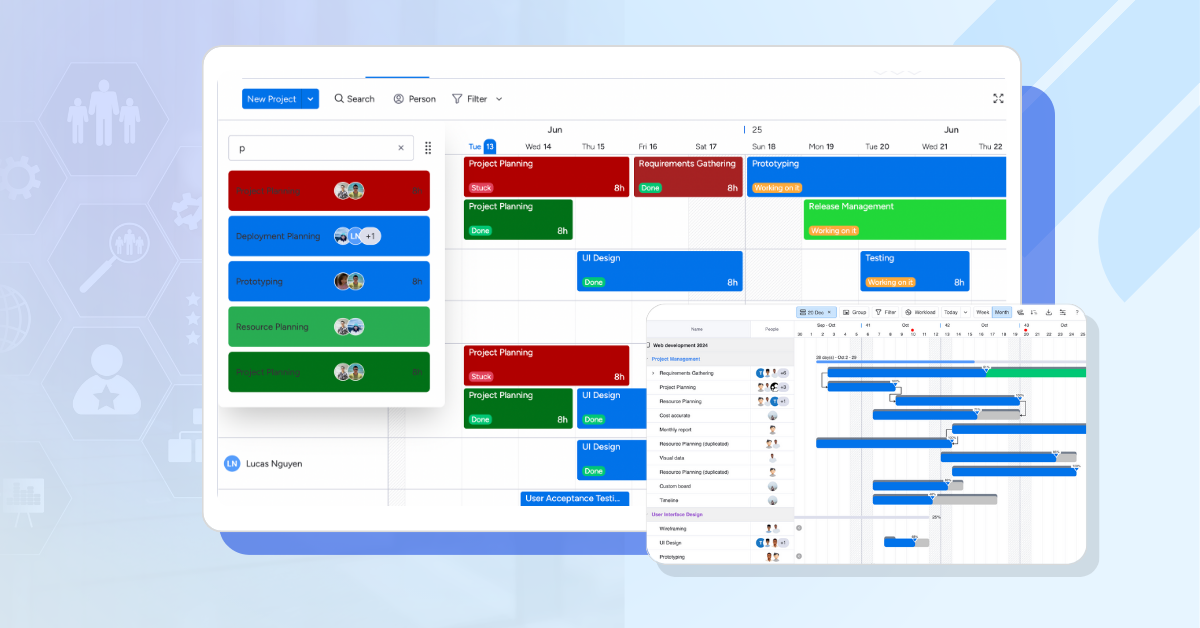
Instead of checking separate spreadsheets, project plans, and calendars, teams can see how upcoming work affects their actual capacity in one place.
With TaskFord, agencies can:
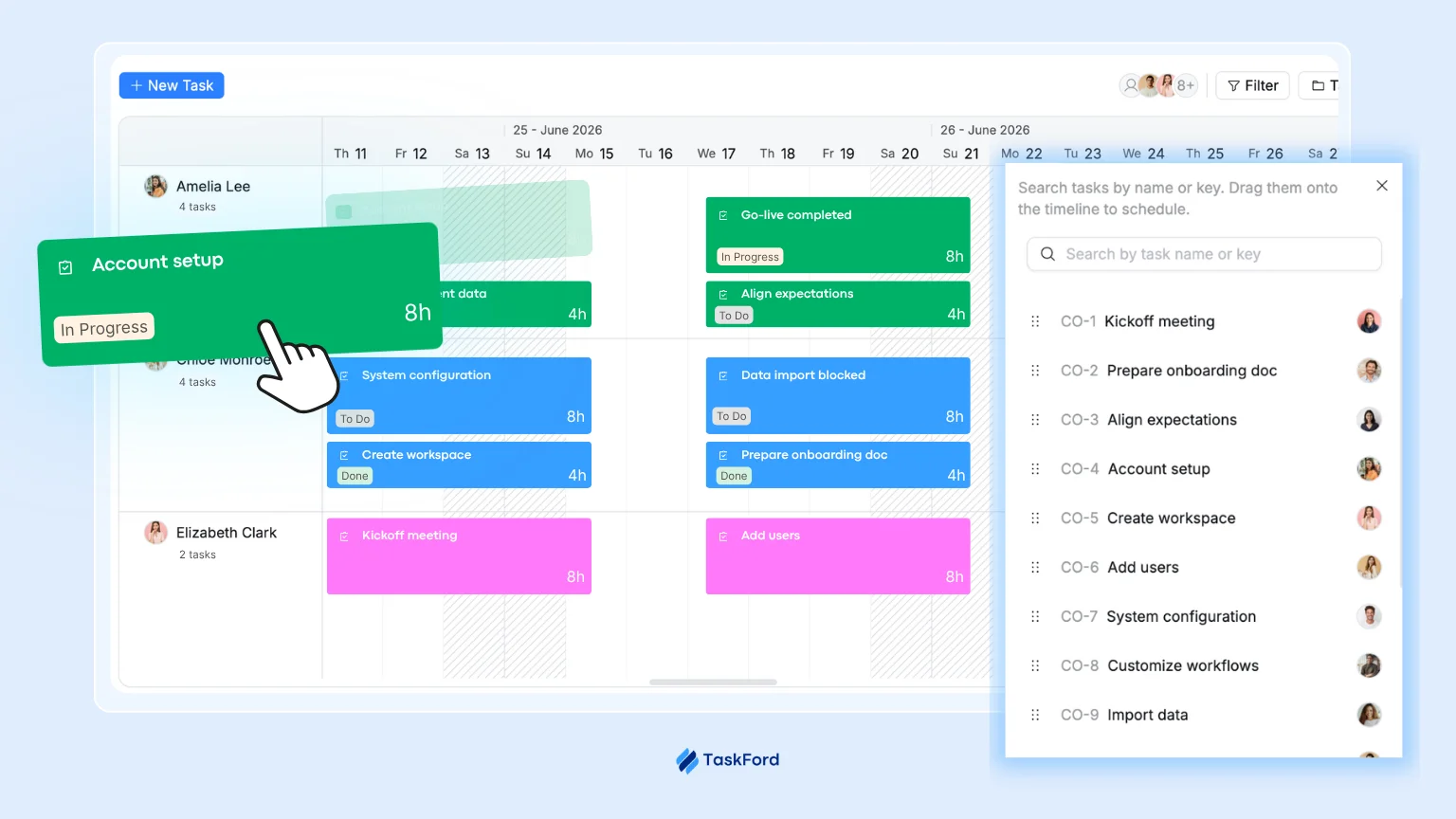
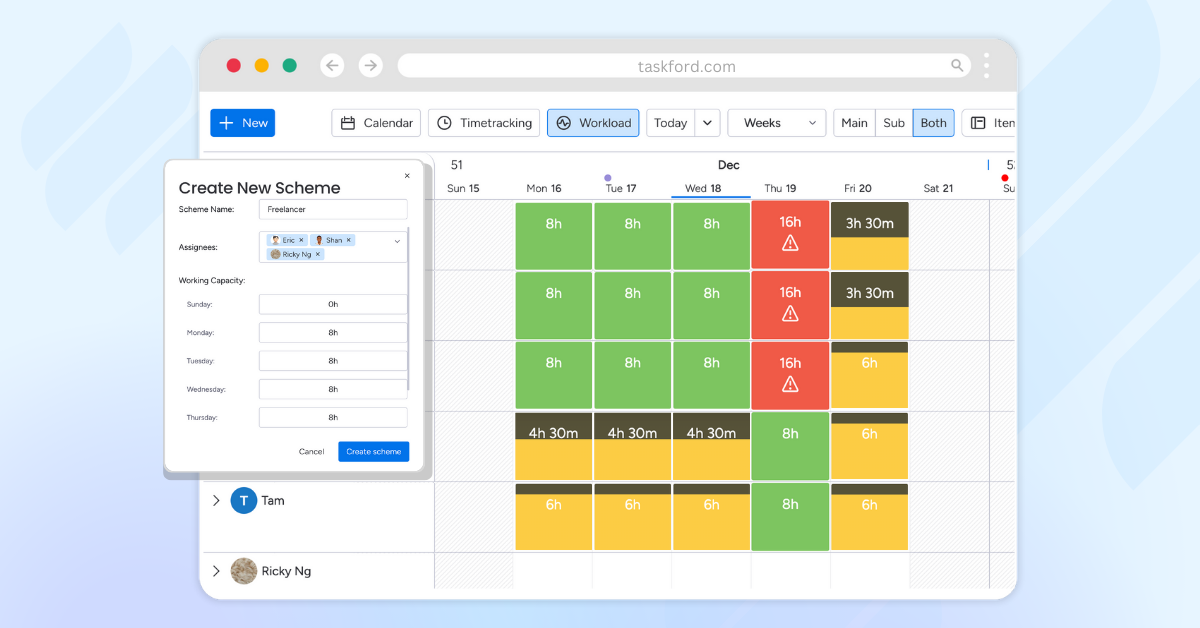
- See future workload before it becomes a problem: Plan upcoming projects, assign resources, and identify overloaded periods before deadlines are at risk.
- Understand capacity by person and role: See who is available, who is overallocated, and which skills may become bottlenecks during busy seasons.
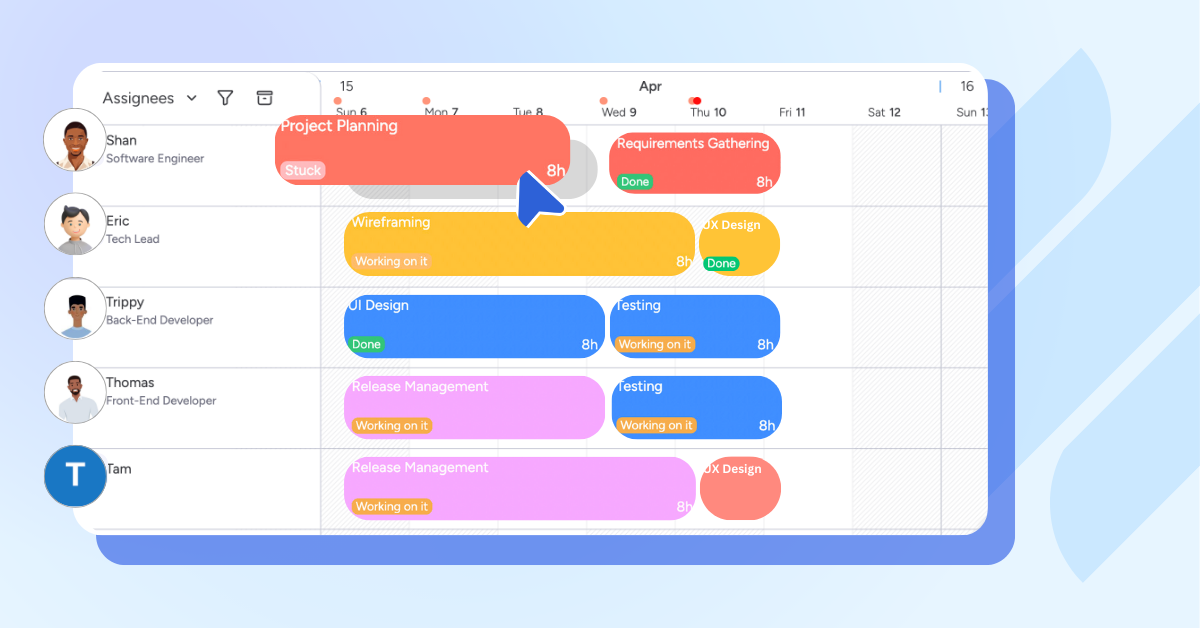
- Adjust plans as projects change: When deadlines move or priorities shift, teams can update schedules and understand the impact on resources.
- Make better staffing decisions: Use workload visibility to decide when to hire, bring in contractors, rebalance work, or adjust timelines.
If your busy season keeps turning into weeks of overtime, see how TaskFord helps you plan your team’s workload.
Conclusion
“Q4 is always crazy” doesn’t have to be true for your team. The busy season will still come, with the same clients and about the same amount of work. The only question is whether you plan for it in July or react to it in November.
Start small. Pull last year’s hours, mark your busiest months, and check which roles ran short. That alone gives you a better starting point than most agencies have.
You don’t need a perfect forecast to start. You need one that’s a little better than last year’s, based on what really happened. Every busy season you track makes the next one easier to see coming.
Related Articles
















































































![What is an Effective Resource Management Plan Template [Free Download]](/marketing/blog/resource-management-plan-template.webp)




Subscribe for Expert Tips
Unlock expert insights and stay ahead with TaskFord. Sign up now to receive valuable tips, strategies, and updates directly in your inbox.