How to Promote Teamwork in the Workplace: 6 Practical Strategies
Discover 6 practical strategies to promote teamwork in the workplace, boosting collaboration, productivity, and morale with actionable team management tip.
Teamwork isn’t just a nice-to-have; it’s the engine that powers a thriving workplace. When employees collaborate with purpose, projects hum along, creativity ignites, and morale skyrockets. But building a team that clicks takes effort, smart team management tips, and thoughtful resource management. In this comprehensive guide, we unpack 6 practical strategies to promote teamwork, each loaded with actionable steps, real-world examples, and insights to help managers and leaders foster a culture of collaboration.
These strategies will help you transform your workplace into a hub where trust, communication, and shared goals drive success. Ready to supercharge your team’s synergy? Let’s dive in!
What Is Teamwork?
Teamwork is the ability of individuals to work together toward a shared goal by combining their skills, knowledge, and efforts. Effective teamwork goes beyond simply completing tasks alongside one another. It involves communication, trust, accountability, and a shared commitment to achieving results.
Successful teamwork is built on several key elements:
- Clear Goals: Everyone understands what the team is working toward and how their work contributes to the team’s success.
- Open Communication: Team members freely share ideas, feedback, and updates to keep work moving forward.
- Trust and Respect: Employees value each other’s contributions and collaborate effectively to solve challenges.
- Accountability: Individuals take ownership of their responsibilities while supporting overall team objectives.
- Collaboration Tools and Processes: Teams have the resources, systems, and workflows needed to work efficiently together.
When these elements are in place, teams can collaborate more effectively, overcome challenges faster, and achieve better outcomes than individuals working alone.
Why Teamwork Is a Game-Changer
Effective teamwork delivers measurable benefits that improve both team performance and business outcomes:
- Higher Productivity: Team members can share workloads, combine strengths, and complete tasks more efficiently than working alone.
- Creative Solutions: Different perspectives encourage new ideas and help teams solve problems more effectively.
- Stronger Employee Morale: Collaboration creates a sense of belonging, helping employees feel more engaged and motivated, enhancing team’s momentum.
- Better Resource Management: Teams can distribute work more effectively, reducing bottlenecks and preventing employee burnout.
- Improved Adaptability: Well-connected teams can respond faster to changing priorities and unexpected challenges.
Challenges like miscommunication, mistrust, or vague goals can stall progress. The strategies and team management tips below offer a roadmap to overcome these hurdles and build a collaborative powerhouse.
6 Proven Strategies to Promote Teamwork
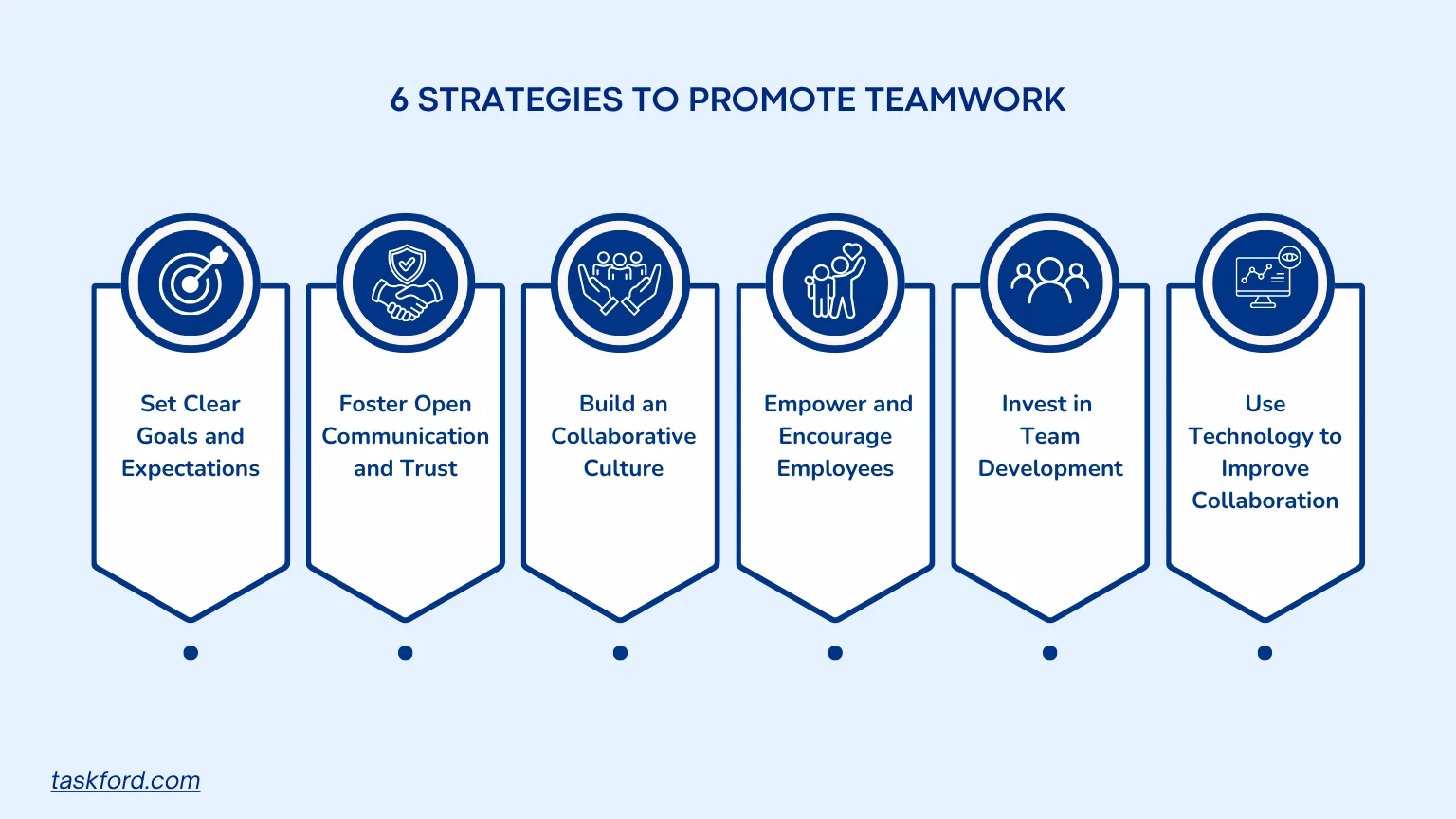
1. Set Clear Goals and Expectations
Successful teamwork starts with a shared understanding of what the team is trying to achieve. When goals, priorities, and responsibilities are clearly defined, employees can focus their efforts in the same direction and avoid confusion.
How to Do It
- Set clear and measurable goals: Establish specific objectives that provide direction and make it easier for everyone to track progress.
- Define roles and responsibilities: Ensure each team member understands their tasks and how they contribute to the team’s success.
- Review progress regularly: Schedule check-ins to discuss achievements, address challenges, and adjust priorities when needed.
- Connect work to larger objectives: Help employees understand how their individual efforts support team and organizational goals.
Example
A customer support team set a goal to reduce average response times by 20% within three months. By clearly assigning responsibilities and tracking progress weekly, the team improved efficiency and exceeded its target.
Why It Works: Clear goals align team efforts, improve accountability, and reduce misunderstandings that can slow down progress.
2. Foster Open Communication and Trust
Strong communication and trust form the foundation of effective collaboration. Team members are more likely to share ideas, raise concerns, and work together when they feel heard and respected.
How to Do It
- Encourage open discussions: Create opportunities for employees to share ideas, feedback, and concerns in meetings and everyday conversations.
- Practice active listening: Give team members your full attention and acknowledge different perspectives to improve understanding.
- Provide regular feedback: Offer constructive feedback that helps employees grow while recognizing their contributions.
- Address conflicts early: Resolve disagreements quickly and professionally before they affect teamwork and morale.
Example
A remote project team introduced weekly check-ins to discuss progress and challenges. Improved communication reduced misunderstandings and helped projects move forward more smoothly.
Why It Works: Open communication builds trust, strengthens relationships, and helps teams solve problems more effectively.
3. Build an Inclusive and Collaborative Culture
Teams perform better when employees feel valued and included. Creating an environment where different perspectives are welcomed encourages participation, innovation, and stronger working relationships.
How to Do It
- Encourage participation from everyone: Create opportunities for all team members to contribute ideas and feedback during discussions.
- Promote cross-functional collaboration: Bring together employees from different departments to share knowledge and solve problems.
- Organize team-building activities: Strengthen relationships through activities that encourage connection and teamwork.
- Recognize diverse perspectives: Show appreciation for different experiences, skills, and viewpoints that contribute to better outcomes.
Example
A product development team brought together employees from marketing, sales, and engineering. Their combined perspectives helped launch a new feature that better addressed customer needs.
Why It Works: Inclusive teams benefit from broader perspectives, leading to better decisions, stronger creativity, and improved collaboration.
4. Empower Employees and Encourage Ownership
Employees are more engaged when they have the freedom to make decisions and take responsibility for their work. Empowerment builds confidence, accountability, and a stronger commitment to team success.
How to Do It
- Delegate responsibilities effectively: Assign work based on individual strengths, skills, and expertise.
- Give employees decision-making authority: Allow team members to make appropriate decisions within their roles without unnecessary approvals.
- Provide support without micromanaging: Offer guidance and resources while trusting employees to manage their responsibilities.
- Encourage initiative and innovation: Create an environment where employees feel comfortable proposing ideas and improvements.
Example
A design team was given the flexibility to choose how they approached a client project. The increased ownership led to faster delivery and stronger results.
Team Management Tip: Focus on outcomes rather than controlling every step. Employees are often more motivated when they are trusted to manage their work.
5. Invest in Learning and Team Development
Continuous learning helps teams adapt to new challenges and improve performance. Developing employee skills not only benefits individuals but also strengthens the team’s ability to collaborate effectively.
How to Do It
- Provide ongoing training opportunities: Offer workshops, courses, or learning resources that help employees develop new skills.
- Encourage knowledge sharing: Create opportunities for team members to exchange expertise and learn from one another.
- Support mentoring and coaching: Pair experienced employees with newer team members to encourage growth and development.
- Promote cross-training: Help employees learn different roles and responsibilities to increase flexibility across the team.
Example
A healthcare organization cross-trained employees in multiple administrative functions, allowing teams to maintain productivity during staff absences and busy periods.
Why It Works: Well-trained teams are more adaptable, confident, and prepared to support one another when challenges arise.
6. Use Technology to Improve Collaboration
The right technology helps teams stay connected, organized, and productive. Collaboration tools provide visibility into projects, streamline communication, and make it easier to manage resources effectively.
How to Do It
- Implement project management software: Use tools that help teams organize tasks, track deadlines, and monitor progress.
- Centralize information and documents: Store files, updates, and resources in a shared location that everyone can access.
- Use communication tools effectively: Enable quick collaboration through messaging, video conferencing, and team discussions.
- Monitor workloads and resources: Use resource management tools to balance workloads and identify potential bottlenecks before they impact productivity.
Example
A marketing team used a centralized project management platform to coordinate campaign activities, reducing delays and improving collaboration across departments.
Team Management Tip: Choose collaboration tools that combine task management, communication, and resource planning to improve visibility and reduce information silos.
Use TaskFord to Enhance Team Collaboration
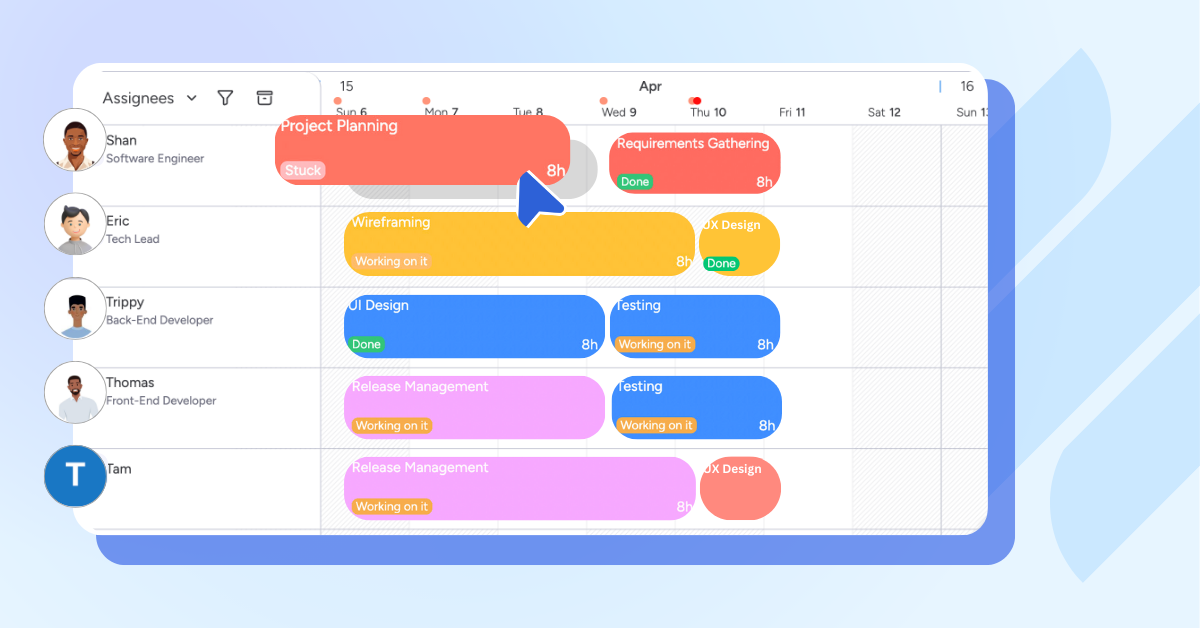
Technology plays an important role in supporting teamwork, but the biggest impact comes from using a platform that brings communication, task management, and resource planning together. TaskFord helps teams stay aligned by providing a centralized workspace where employees can collaborate, track progress, and manage workloads more effectively.
Kanban Boards for Better Task Visibility
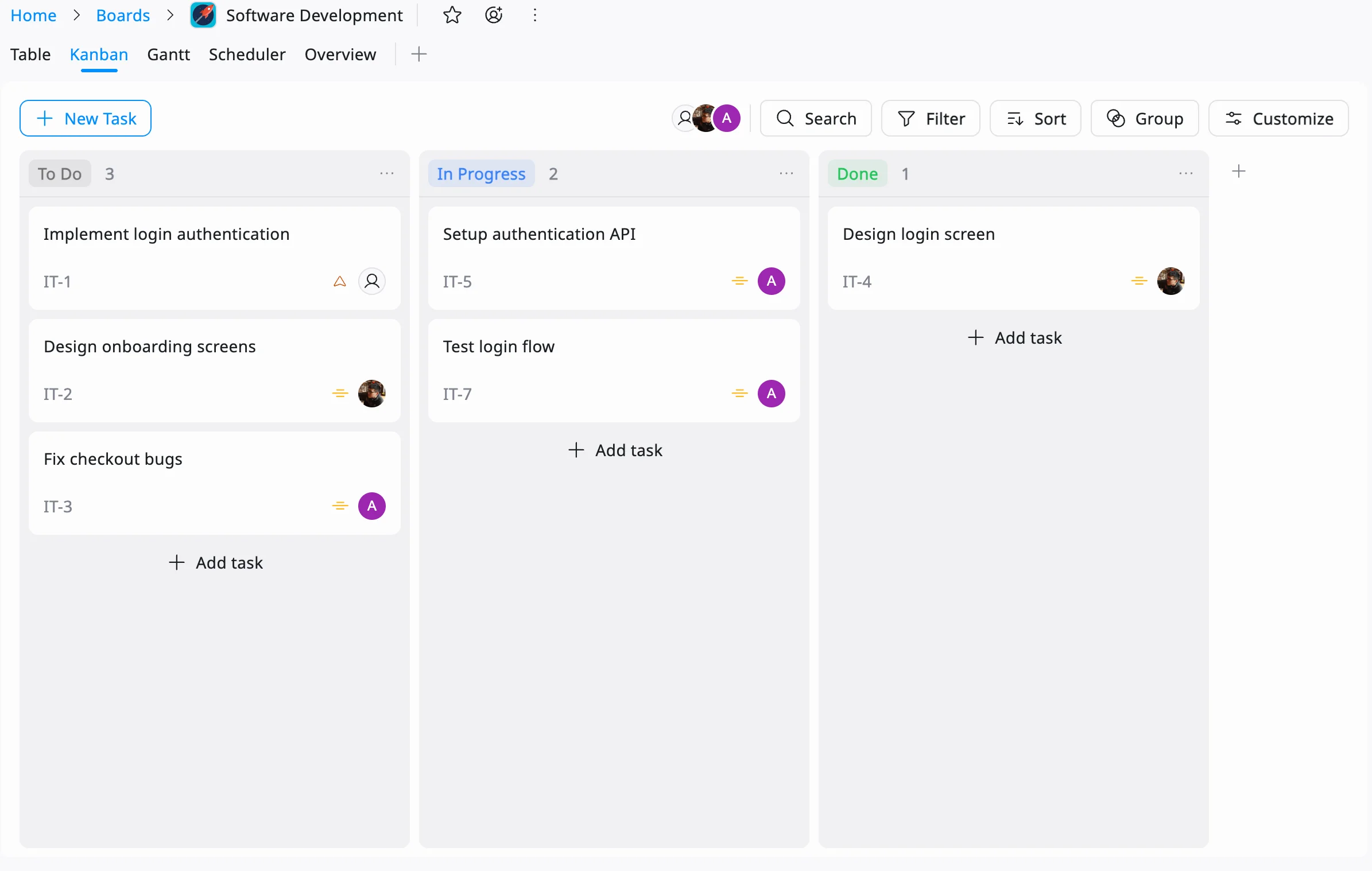
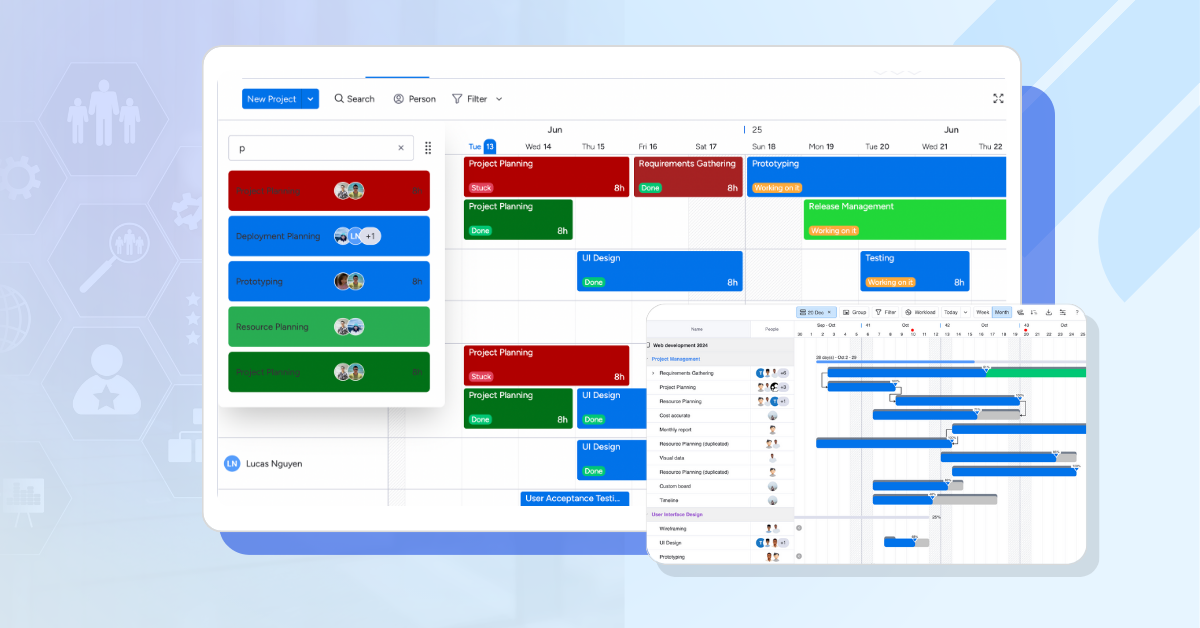
TaskFord’s drag-and-drop Kanban boards help teams visualize work, track progress, and understand project priorities at a glance. Clear task visibility reduces confusion, improves accountability, and keeps everyone aligned on what needs to be done next.
Gantt Charts for Project Coordination
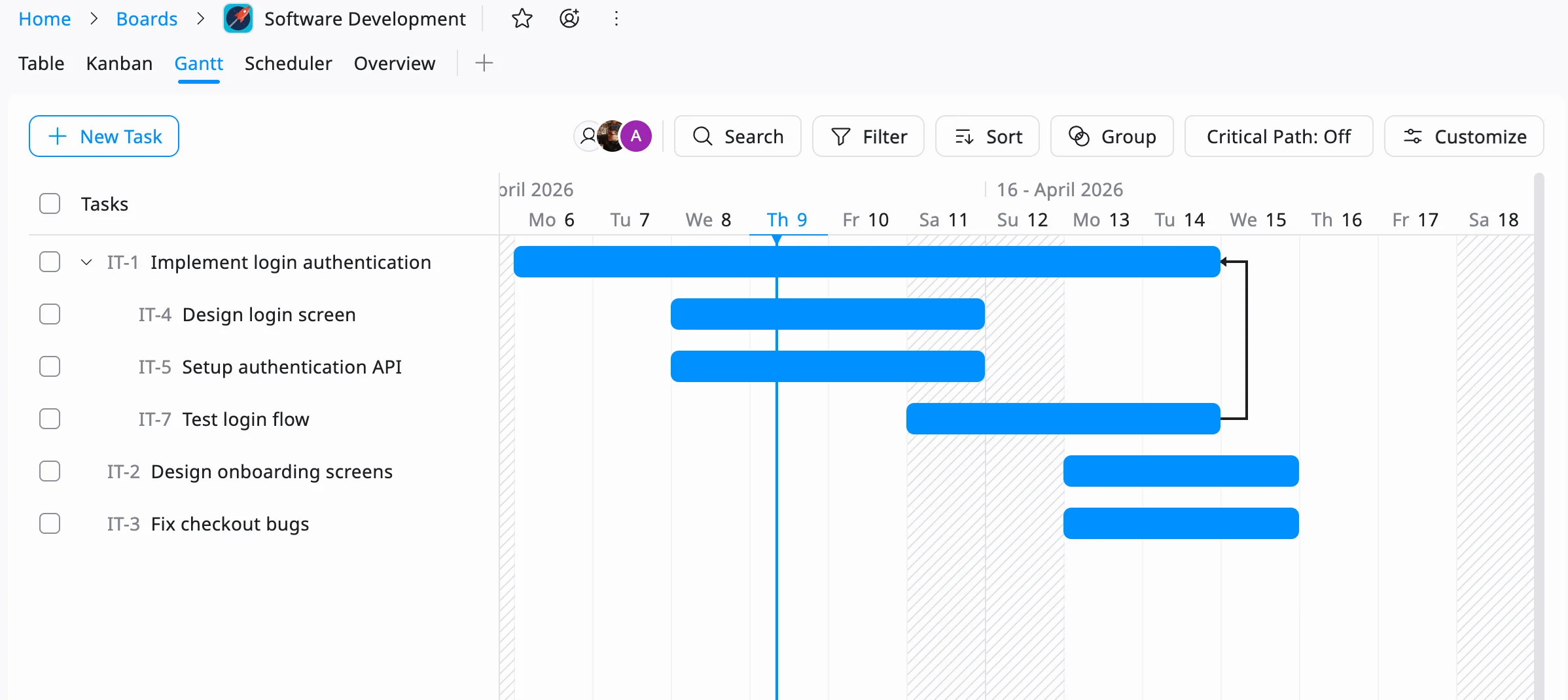
Gantt charts provide a timeline view of projects, helping teams understand deadlines, dependencies, and milestones. This makes it easier to coordinate work across multiple team members and ensure projects stay on schedule.
Better Visibility for Hybrid and Remote Teams
TaskFord provides a shared view of project progress, workloads, and priorities, helping remote and hybrid teams stay aligned regardless of location. Increased transparency makes collaboration easier and improves team accountability.
By combining project management, team collaboration, and resource planning in a single platform, TaskFord helps organizations build stronger teamwork, improve productivity, and manage resources more effectively.
Common Teamwork Challenges and How to Overcome Them
Even the most capable teams can face obstacles that affect collaboration and productivity. Recognizing these challenges early can help leaders address issues before they impact team performance.
- Communication Breakdowns: Misunderstandings and lack of information sharing can lead to delays, errors, and duplicated work. Establish clear communication channels, encourage regular updates, and use collaboration tools to keep everyone informed.
- Lack of Trust: Employees may hesitate to share ideas or ask for help when trust is low. Foster transparency, encourage open conversations, and address conflicts fairly to strengthen relationships.
- Unclear Roles and Responsibilities: When ownership is unclear, tasks can be duplicated or overlooked. Clearly define responsibilities and ensure everyone understands their role within the team.
- Uneven Workload Distribution: Overloaded employees can experience burnout while others may be underutilized. Regularly review workloads and use resource planning tools to distribute work more effectively.
- Resistance to Change: New processes or technologies may be met with hesitation. Communicate the benefits of change, provide training, and involve employees in the transition process.
- Low Employee Engagement: Disengaged employees are less likely to collaborate and contribute ideas. Recognize achievements, support professional development, and encourage participation in decision-making.
(Learn more: Top 5 Challenges Teams Face Without Collaborative Project Management Software)
Leadership’s Role in Teamwork Success
Leaders play a critical role in creating an environment where teamwork can thrive. Their actions influence how employees communicate, collaborate, and work toward shared goals.
- Lead by Example: Demonstrate collaboration, accountability, and open communication to set the standard for the rest of the team.
- Build Trust and Transparency: Share information openly, follow through on commitments, and create a culture where employees feel comfortable speaking up.
- Encourage Cross-Team Collaboration: Break down silos by promoting communication and cooperation between departments and teams.
- Provide the Right Resources: Ensure employees have access to the tools, training, and support needed to work effectively together.
- Recognize and Support Employees: Celebrate achievements, provide constructive feedback, and invest in employee growth to maintain motivation and engagement.
- Align Teams Around Shared Goals: Regularly communicate organizational objectives so employees understand how their contributions support broader business success.
Strong leadership helps teams stay focused, connected, and motivated, creating the conditions for effective collaboration and better results.
Conclusion: Unleashing Teamwork’s Full Potential
Promoting teamwork transforms workplaces into vibrant hubs of creativity and productivity. By setting clear goals, nurturing communication, building trust, and leveraging technology, you can create a culture where collaboration shines. These 6 strategies, infused with team management tips and resource management practices, provide a roadmap to success.
Start with one strategy, test it, and build from there. With dedication, you’ll foster a workplace where teams unite, innovate, and drive your organization forward. Ready to spark teamwork? Take action today and watch your team soar!
Learn more
- Understanding The Role Of A Team Manager: Key Skills And Strategies
- How You Can Be A Good Manager: 8 Key Characteristics to Lead a Successful Team
- Top 7 Leadership Mistakes That Can Destroy Team Trust
Related Articles














































































![What is an Effective Resource Management Plan Template [Free Download]](/marketing/blog/resource-management-plan-template.webp)




Subscribe for Expert Tips
Unlock expert insights and stay ahead with TaskFord. Sign up now to receive valuable tips, strategies, and updates directly in your inbox.