How to Manage a Team: Team Management Tricks for Modern Leaders
Explore how to manage a team effectively with practical team management tips that strengthen communication, motivation, and leadership across project teams.
Team management is the art of turning individual strengths into collective success. It’s how leaders create clarity, build trust, and help their teams stay focused even when challenges arise. A well-managed team doesn’t just get work done; it communicates openly, takes ownership, and grows stronger with every project.
This article explores what team management really means, the difference between a team manager and a leader, and the skills that help managers lead effectively. You’ll also find practical ways to manage your team, build collaboration, and develop your management style to support long-term success.
What is Team Management?
Team management is the process of guiding a group of people toward shared goals through clear communication, organization, and leadership. It’s how managers bring structure to teamwork — making sure every member understands their role, feels supported, and works efficiently with others.
Strong team management isn’t about control; it’s about coordination. A good team manager creates balance — giving people enough direction to stay aligned while allowing room for initiative and growth. This balance helps teams build trust, stay productive, and deliver consistent results.
In simple terms, managing a team means connecting people, tasks, and priorities so that everyone moves in the same direction. It’s what turns individual effort into collective achievement and keeps projects moving forward smoothly.
Benefits of Effective Team Management
When a team is managed well, the difference shows in how people work and how they feel about their work. Good team management creates an environment where everyone knows what’s expected, communicates clearly, and feels motivated to reach the same goal.
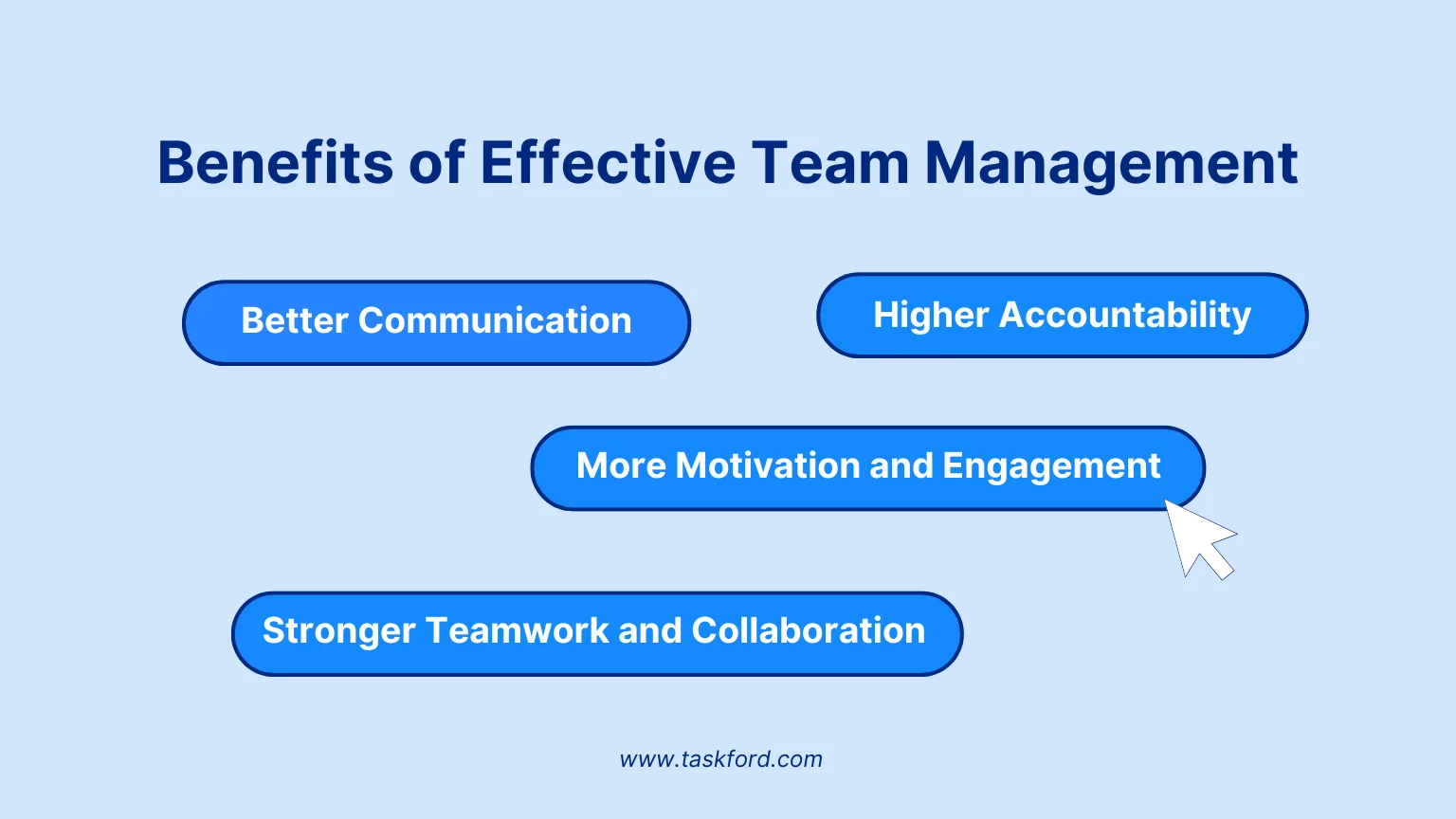
1. Better Communication
Good communication is the backbone of teamwork. When managers encourage open conversations, updates, and feedback, everyone stays informed and aligned. It reduces misunderstandings, prevents delays, and helps team members feel heard — especially in cross-functional or remote settings.
2. Higher Accountability
When roles and expectations are clear, people naturally take more ownership of their work. Team members understand what they’re responsible for and how their part contributes to the whole. This kind of accountability keeps projects moving forward and builds trust across the team.
Read also: Hold Employees Accountable - What Works and What Doesn’t.
3. Stronger Teamwork and Collaboration
Effective team management helps individuals work as one unit rather than as separate contributors. It creates an atmosphere where sharing ideas, helping each other, and solving problems together become the norm. Over time, this kind of collaboration improves creativity and team relationships.
4. More Motivation and Engagement
When people feel supported, recognized, and trusted, they’re more motivated to give their best. A good manager celebrates progress, not just results, and takes time to appreciate individual efforts. This approach strengthens engagement and reduces burnout — two key factors in long-term team success
Read also: Top 10 Employee Engagement Strategies That Actually Work.
In short, effective team management keeps communication open, builds trust through accountability, and inspires people to stay motivated.
Team Manager vs Team Leader: The Key Differences
The terms team manager and team leader are often used interchangeably, but they play different roles in how a team operates. Both are important for success, yet their focus and approach can differ in subtle but meaningful ways.
- A team manager is mainly responsible for structure — organizing the work, setting timelines, and ensuring goals are met. Their strength lies in coordination and accountability. They make sure tasks are completed on time, resources are used wisely, and everyone understands what needs to be done.
- A team leader, on the other hand, focuses more on people — guiding, motivating, and inspiring the team. Leadership is about influence, not authority. A strong leader connects with team members, builds trust, and helps them grow both professionally and personally.
A great team needs both the structure of a manager and the inspiration of a leader. When these two roles work together, teams perform better, stay motivated, and deliver consistent results.
Real also: How You Can Be a Good Manager – 8 Key Characteristics to Lead a Successful Team
Types of Team Management
Every manager has their own way of guiding a team, but most management styles fall into a few key types. Understanding these styles can help you recognize your natural approach and adjust it when your team or situation needs something different.
Here are some of the most common types of team management:
- Authoritative Management The manager makes most decisions and gives clear instructions. This style works well when quick decisions are needed or with new, inexperienced teams. However, it can stifle creativity if overused.
- Democratic Management The manager encourages input from the team and often involves them in decision-making. This approach fosters trust, teamwork, and collaboration, making it ideal for teams that can contribute ideas and share ownership of results.
- Coaching Management A coaching manager focuses on developing people and their skills, offering feedback and guidance to help them grow. This style is effective for teams that value long-term development and continuous improvement.
- Laissez-Faire Management In this hands-off approach, the manager gives the team full autonomy to plan and execute their work. It works best with highly skilled and experienced teams, but may lead to confusion without clear roles and expectations.
- Transformational Management A transformational manager motivates and inspires the team by connecting their work to a larger purpose. This style works well when teams need to stay engaged during periods of change or innovation.
Each management style has its strengths, and effective managers know how to adjust their approach depending on the team’s needs and the situation at hand.
Essential Team Management Skills Every Manager Should Have
Managing a team requires more than just assigning tasks — it takes a set of core skills that allow you to guide, motivate, and support your team toward success. Here are the essential skills every manager should have to lead their team effectively:
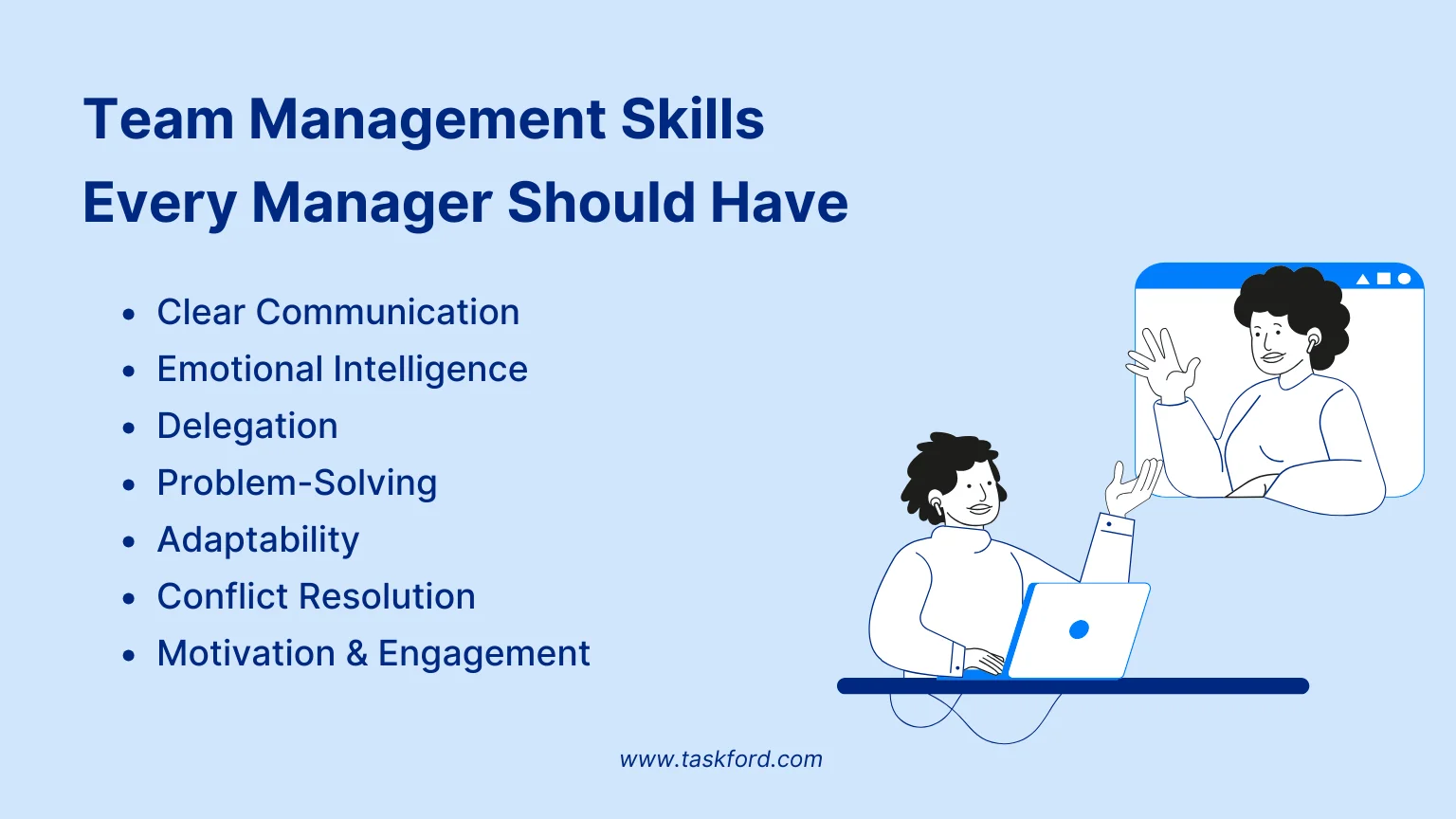
- Clear Communication: Convey expectations and feedback consistently to keep everyone aligned.
- Emotional Intelligence: Understand and manage emotions to build trust and resolve conflicts.
- Delegation: Assign tasks based on strengths, empowering team members to take ownership.
- Problem-Solving: Tackle challenges quickly and creatively to keep projects on track.
- Adaptability: Adjust your approach based on team needs and changing situations.
- Conflict Resolution: Address conflicts fairly to maintain a positive team environment.
- Motivation and Engagement: Keep the team motivated with recognition and opportunities for growth.
You also may like: Skills Matrix - How to Build It to Improve Team Utilization
How to Manage a Team Effectively
Managing a team effectively goes beyond simply overseeing work — it’s about creating an environment where everyone feels supported, accountable, and motivated to do their best. By focusing on key practices, you can help your team stay aligned, overcome challenges, and consistently deliver results. Here are the crucial steps to manage your team effectively:
Step 1: Set Clear Goals and Expectations
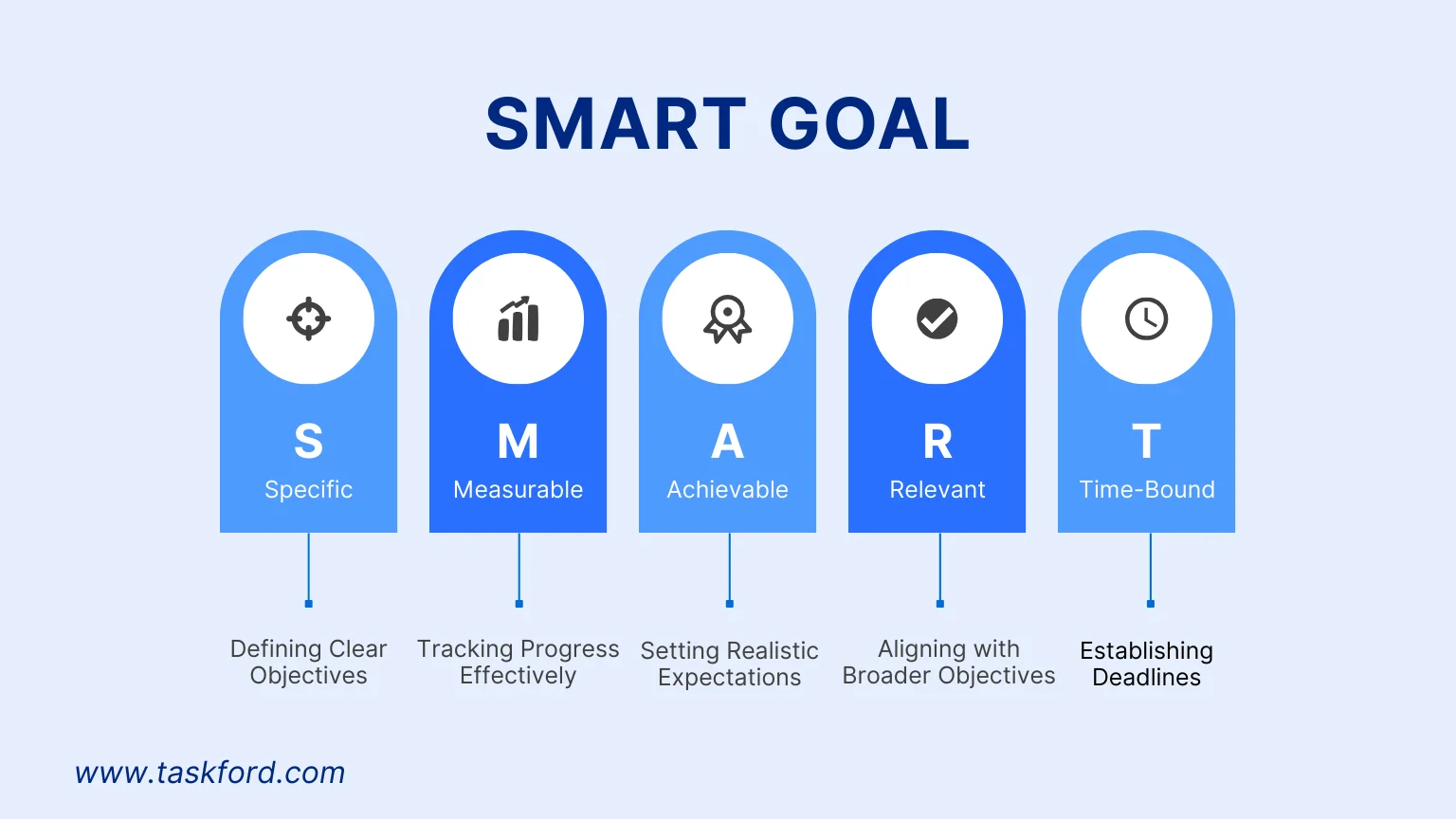
Start by defining the overall goal and breaking it down into clear, actionable tasks for each team member. Everyone should know what is expected of them and how their work contributes to the larger objective. Having specific, measurable, achievable, relevant, and time-bound Smart goals keeps everyone focused and aligned.
Step 2: Build Trust and Open Communication
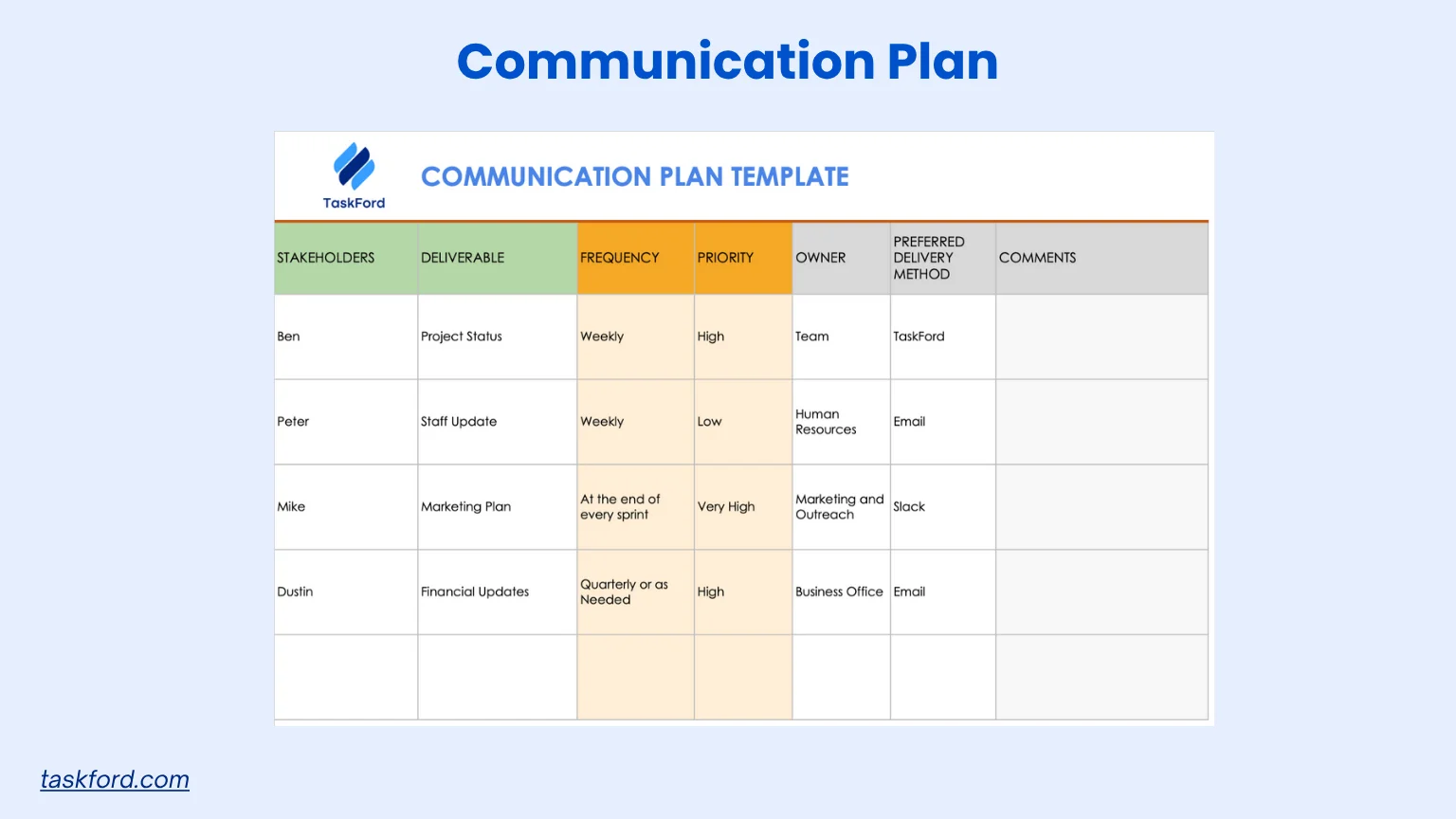
Trust is the foundation of effective teamwork. Foster an environment where team members feel comfortable sharing ideas, asking questions, and voicing concerns. One key to building trust and communication is having a well-structured communication plan in place. A communication plan outlines how, when, and what information will be shared, ensuring that everyone is on the same page.
Step 3: Delegate Wisely
Don’t try to do everything yourself. Delegate tasks based on the strengths and skills of your team members. Ensure that everyone is clear about their responsibilities and the expectations for each task. Trust your team to handle their tasks, and avoid micromanaging. Delegation not only empowers team members but also frees you up to focus on higher-level tasks.
Step 4: Encourage Collaboration
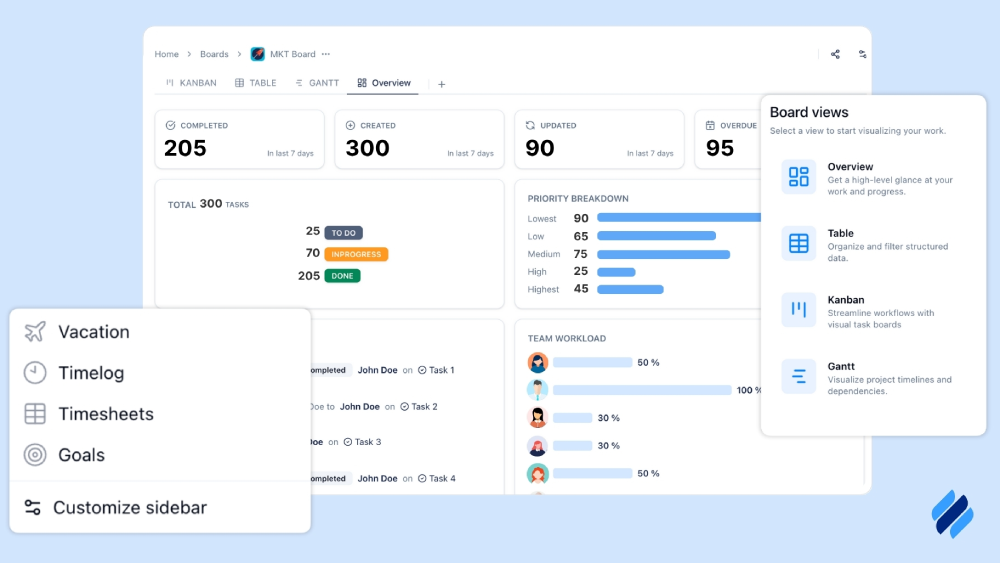
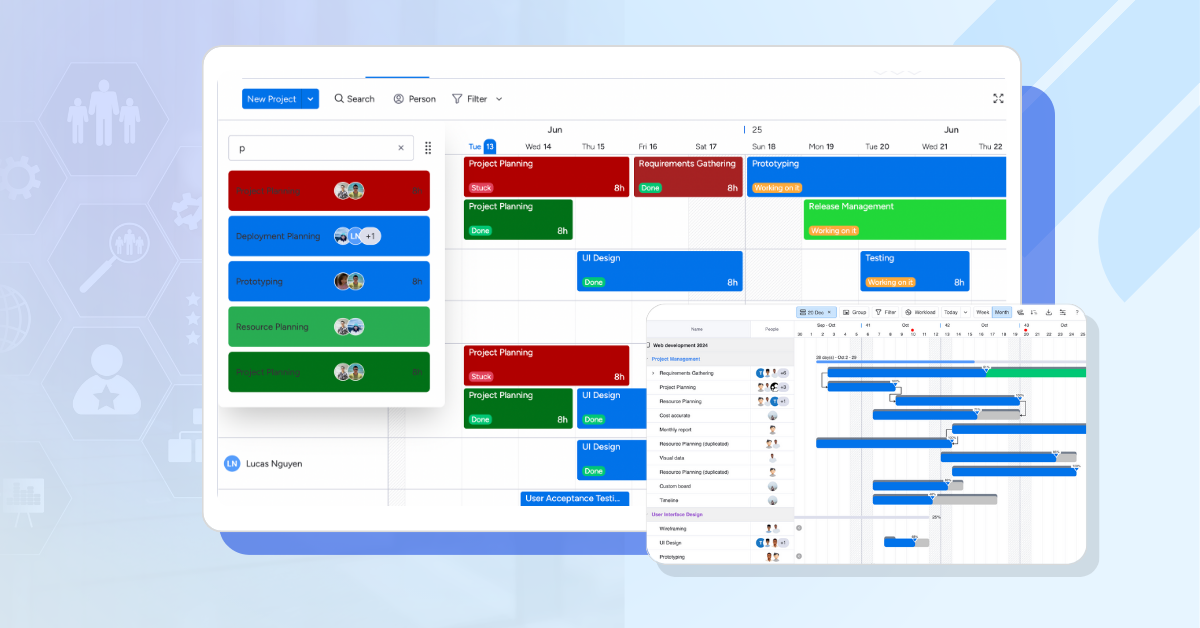
A collaborative team is often more creative and efficient. Encourage team members to work together on projects, share ideas, and support each other. Using comprehensive work management platforms like TaskFord can help keep everyone on the same page by organizing tasks, tracking progress, and fostering better communication in real time. A platform like TaskFord makes collaboration easier, especially for remote or cross-functional teams, by centralizing all communication and project management in one place.
Step 5: Monitor Progress and Provide Feedback
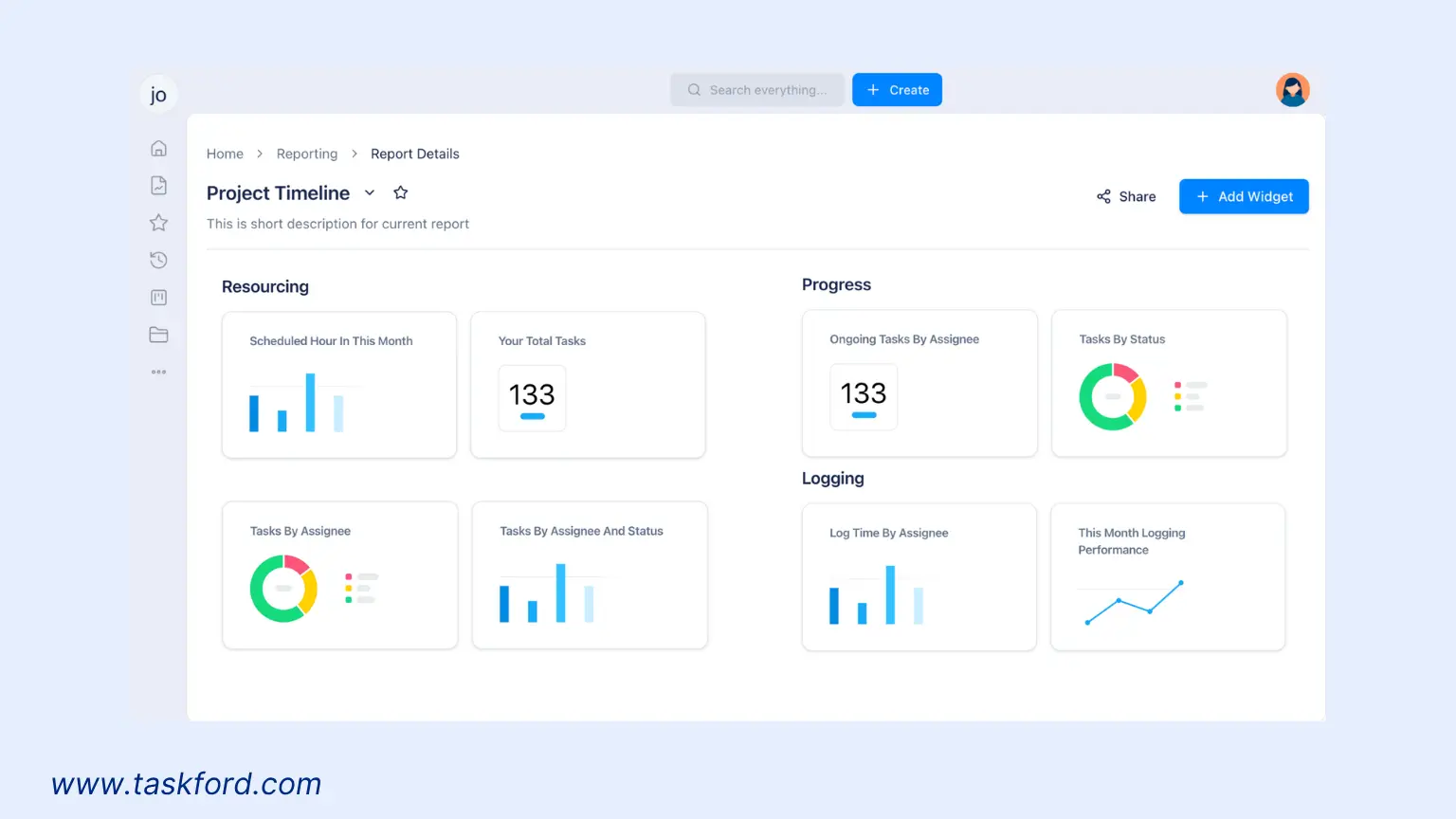
Regularly check on your team’s progress through meetings, updates, or project management tools. Monitor both individual and team performance to ensure everything is on track. Offer constructive feedback that focuses on areas of improvement and also acknowledge achievements. Giving feedback regularly helps your team stay motivated and improves performance.
Step 6: Recognize and Reward Effort
People want to feel valued for their hard work. Acknowledge individual and team achievements, both big and small. Recognizing effort boosts morale and encourages continued success. Simple recognition, whether it’s through verbal praise, rewards, or public acknowledgment, can go a long way in maintaining high motivation.
Key Tips to Develop Your Team Management Skills
Improving your team management skills takes time, but there are simple ways to make steady progress. Start by asking your team for feedback. Regularly check in with them to understand what’s working and where you can improve. Be open to criticism — it’s a great way to learn and adjust your approach.
Next, invest in learning. Whether it’s reading books, taking courses, or attending workshops, continually building your knowledge about leadership, communication, and team dynamics will make you a stronger manager.
Another key tip is to practice active listening and empathy. By listening carefully to your team’s concerns and ideas, you build trust and stronger relationships. When people feel heard, they’re more likely to stay engaged and motivated.
It’s also important to reflect on your own management style. Take time to think about what’s working and what isn’t. Self-reflection helps you spot areas where you can improve before issues arise.
Learn from other leaders around you, too. Observe how others manage their teams and pay attention to what works for them. This can help you discover new strategies and approaches that might suit your team.
Lastly, foster a growth mindset. Encourage your team to see challenges as opportunities to learn, and model that attitude yourself. When you embrace change and growth, your team will be more likely to do the same.
Final Thoughts
Effective team management is about more than just overseeing tasks — it’s about leading with purpose, building trust, and fostering collaboration. By setting clear goals, encouraging open communication, and developing key leadership skills, you can guide your team to achieve great results while keeping them motivated and engaged. Remember, great managers are always learning and adapting, so take the time to reflect, grow, and support your team every step of the way.
With the right balance of structure, empathy, and feedback, you’ll create a team that works well together and performs at its best. Keep these tips in mind, and you’ll be on your way to becoming a more effective and inspiring team manager.
You may also like:
- Resource Manager: A Key Player in Effective Resource Management.
- Explain Resource Management: Key Definition, Must-Know Terms & Proven Techniques.
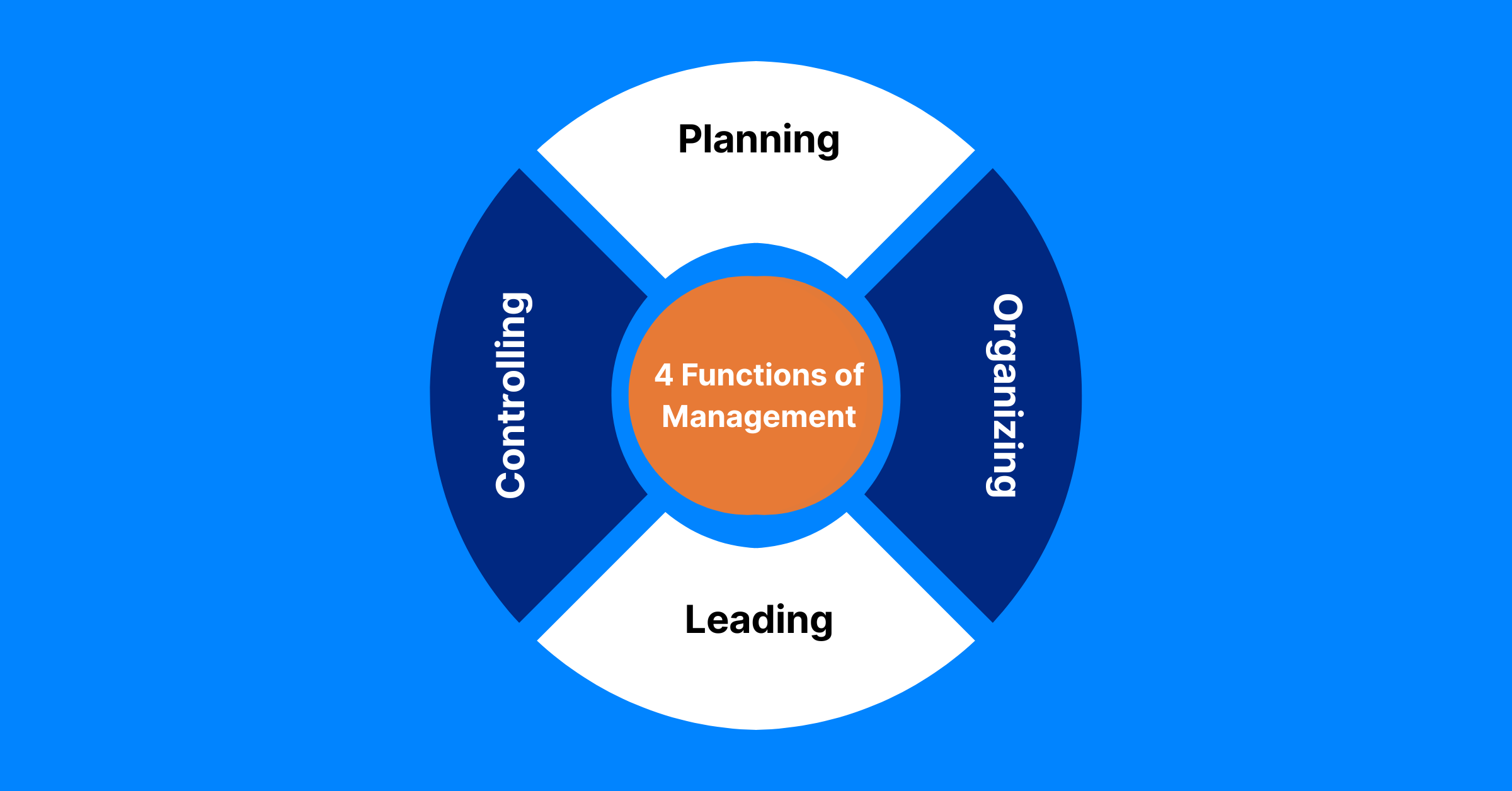
- 4 Functions of Management: What Managers Need to Know.
- Types of Project Managers: Roles, Skills, and Work Environments.
Frequently Asked Questions
What is team management?
Team management is the process of organizing, guiding, and supporting a group of people to achieve shared goals. It involves setting clear expectations, coordinating work, communicating effectively, resolving challenges, and helping team members perform at their best.
What is the difference between a team manager and a team leader?
A team manager focuses on planning, organizing, allocating resources, and ensuring work is completed on time. A team leader focuses more on motivating, coaching, and inspiring team members. In many organizations, successful managers combine both management and leadership skills.
What skills are essential for effective team management?
Effective team managers need strong communication, delegation, emotional intelligence, problem-solving, adaptability, conflict resolution, and decision-making skills. These abilities help managers build trust, improve collaboration, and keep projects moving toward their goals.
How can managers improve team performance?
Managers can improve team performance by setting clear goals, assigning work based on individual strengths, providing regular feedback, encouraging collaboration, recognizing achievements, and removing obstacles that prevent the team from working efficiently.
Why is effective team management important?
Effective team management improves communication, accountability, collaboration, and employee engagement. It helps teams complete projects more efficiently, adapt to change, reduce conflicts, and achieve better business outcomes while maintaining a positive work environment.
Related Articles







































































![What is an Effective Resource Management Plan Template [Free Download]](/marketing/blog/resource-management-plan-template.webp)




Subscribe for Expert Tips
Unlock expert insights and stay ahead with TaskFord. Sign up now to receive valuable tips, strategies, and updates directly in your inbox.