Client Management 101: Building Stronger Business Relationships
Discover how effective client management can transform your business relationships and drive long-term success with these practical strategies and tools.
What is Client Management?
Client management is how a business builds, maintains, and improves relationships with its clients so work runs smoothly and clients stay satisfied.
Client management involves overseeing and nurturing relationships with your clients. It combines communication, organization, and strategic planning to meet client expectations while aligning with your business goals. Think of it as a blend of relationship-building and project coordination.
Why is it important? Strong client management leads to repeat business, referrals, and a solid reputation. A 2025 report by DemandSage found that a 5% increase in customer retention can boost profits by 25% to 95%, highlighting the financial impact of keeping clients engaged. It’s not just about delivering a product or service. It’s about creating an experience that makes clients feel valued and understood.
Core Pillars of Client Management
To master client management, you need a clear framework. Below are the key pillars to focus on, each designed to strengthen relationships and optimize your operations.
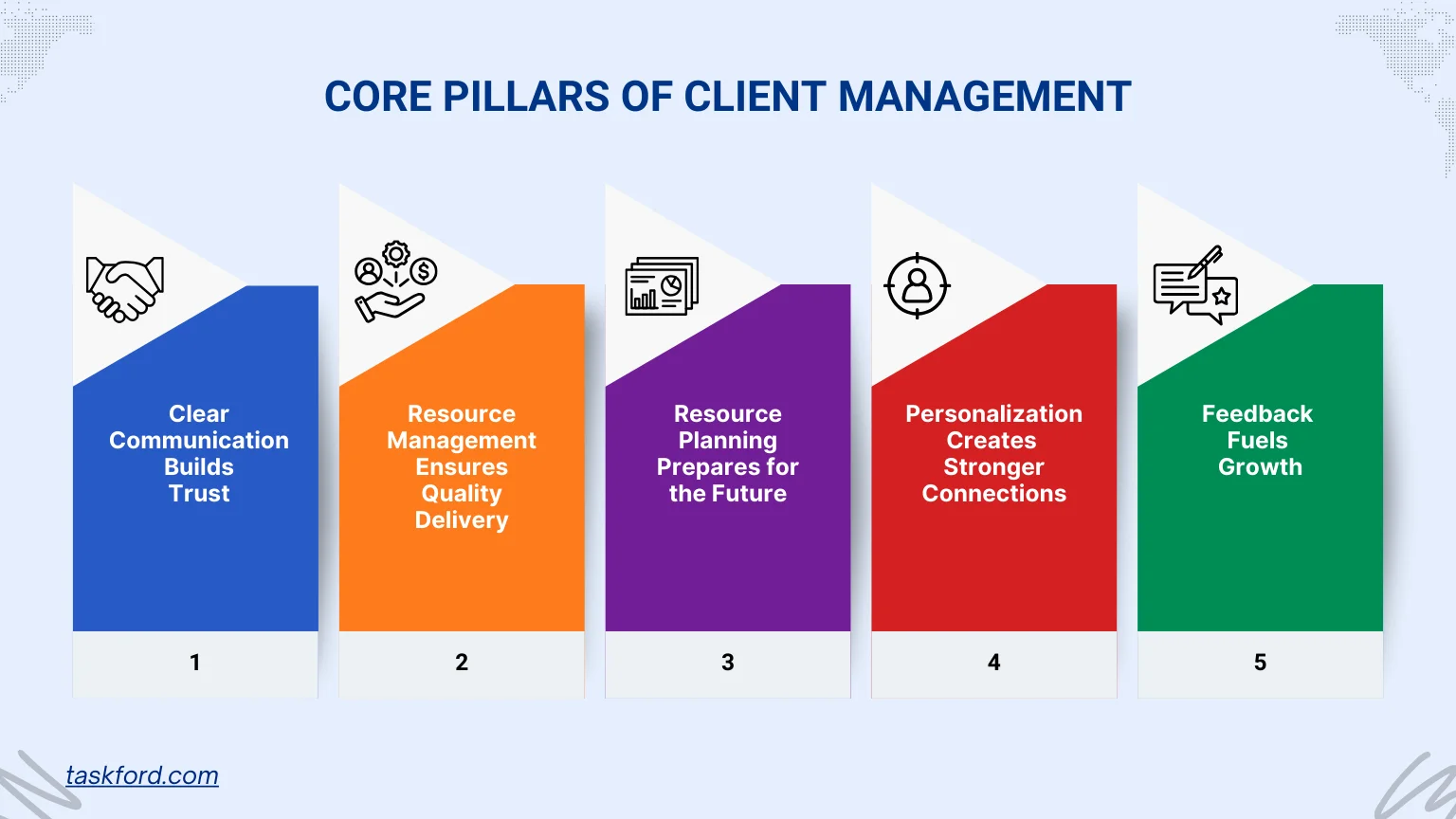
Pillar 1. Clear Communication Builds Trust
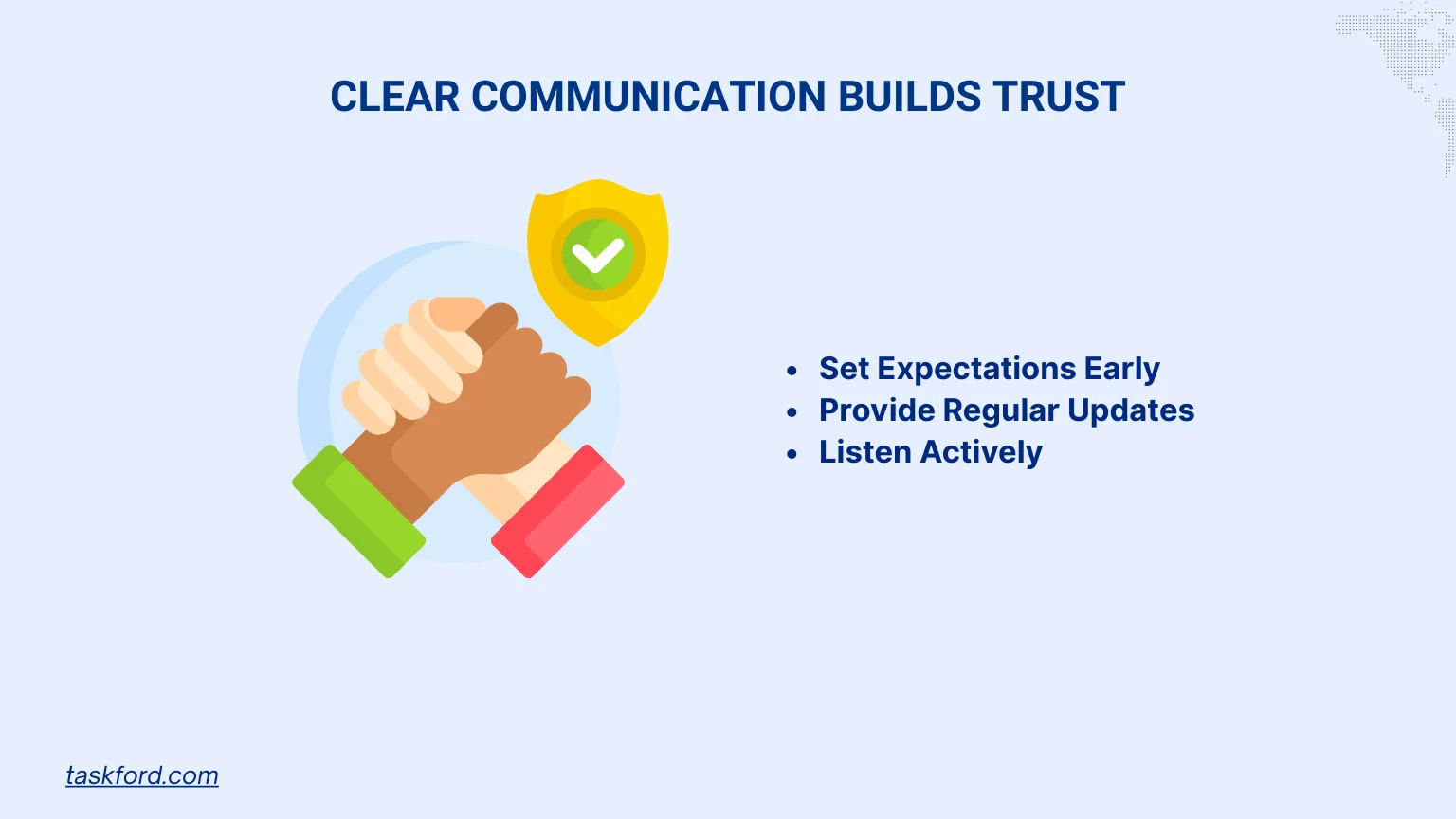
Communication is the heart of client management. Without it, misunderstandings arise, expectations falter, and relationships suffer. Clear, consistent communication fosters trust and keeps projects on track.
- Set Expectations Early: Outline project scopes, timelines, and deliverables from the first interaction. Use tools like project charters or client onboarding documents to ensure clarity.
- Provide Regular Updates: Schedule weekly or bi-weekly check-ins to share progress, address concerns, and gather feedback.
- Listen Actively: Pay attention to what clients say and what they don’t. Ask clarifying questions to uncover their true needs, such as whether they prioritize speed or quality.
Pro Tip: Use a client portal to centralize communication. Clients can track progress, view updates, and provide feedback in one place, reducing email clutter and miscommunication.
Pillar 2. Resource Management Ensures Quality Delivery
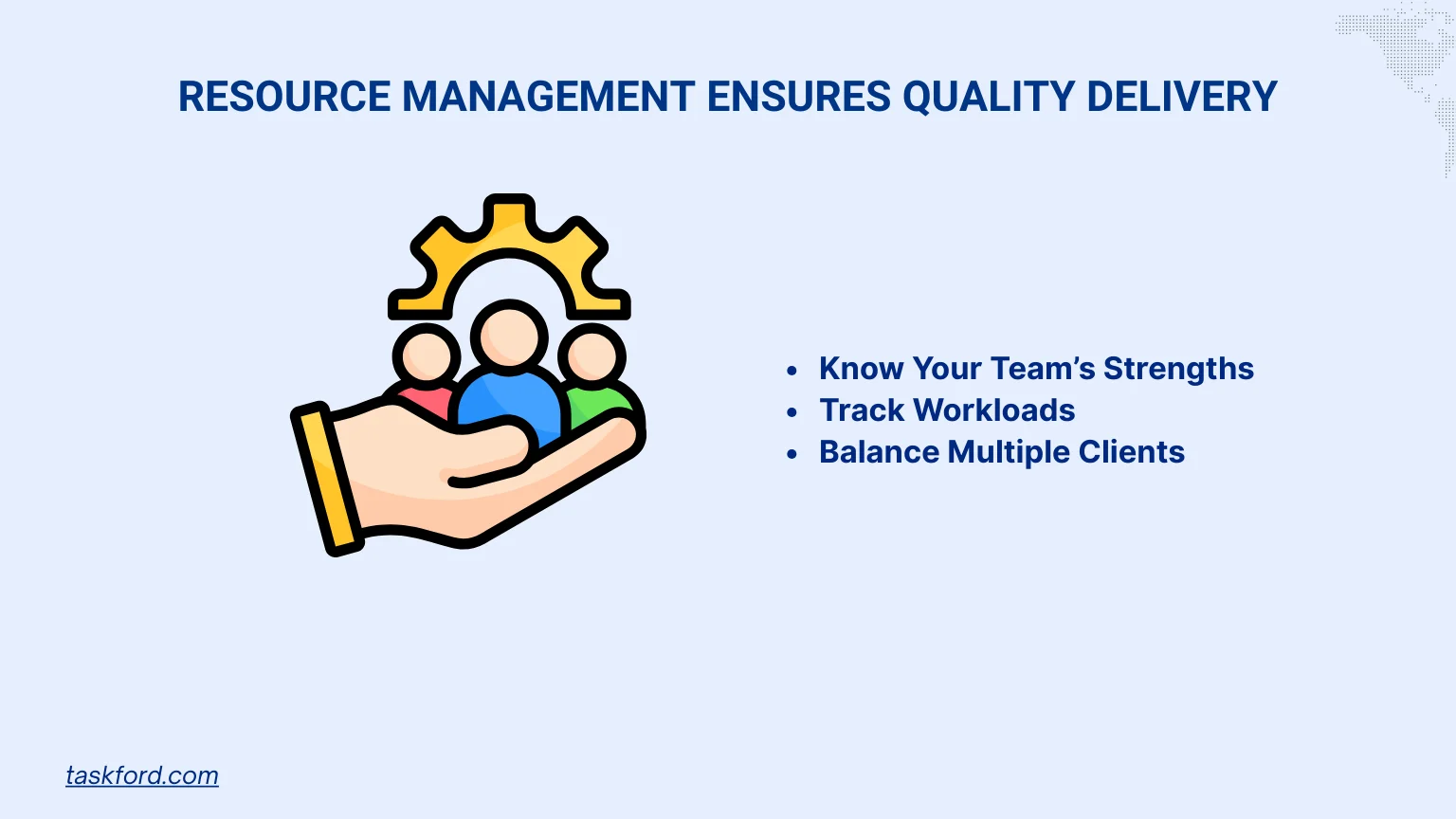
Resource management is key to meeting client expectations. It involves allocating your team’s time, skills, and tools effectively to deliver projects without overextending your capacity.
- Know Your Team’s Strengths: Assign tasks based on expertise. For example, if a client needs advanced graphic design, pair them with a skilled designer.
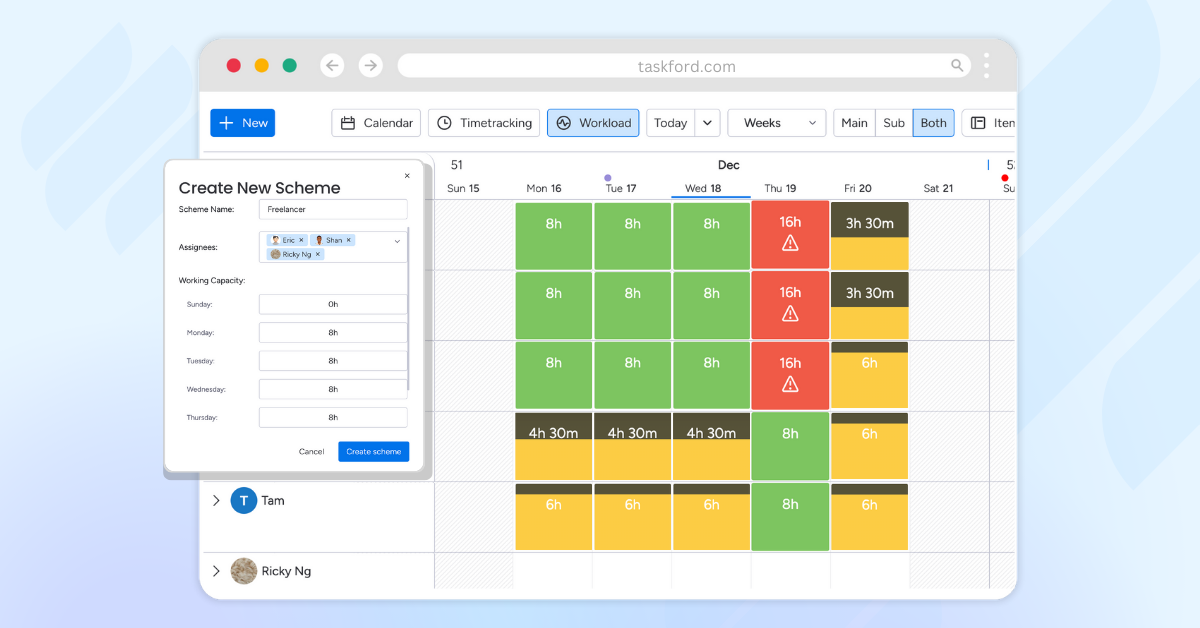
- Track Workloads: Monitor team availability and prevent burnout.
- Balance Multiple Clients: Prioritize tasks based on deadlines and client importance to ensure no one feels neglected.
Effective resource management leads to on-time, high-quality deliverables, which builds client confidence and trust.
(Learn more: What is Resource Management)
Pillar 3. Resource Planning Prepares for the Future
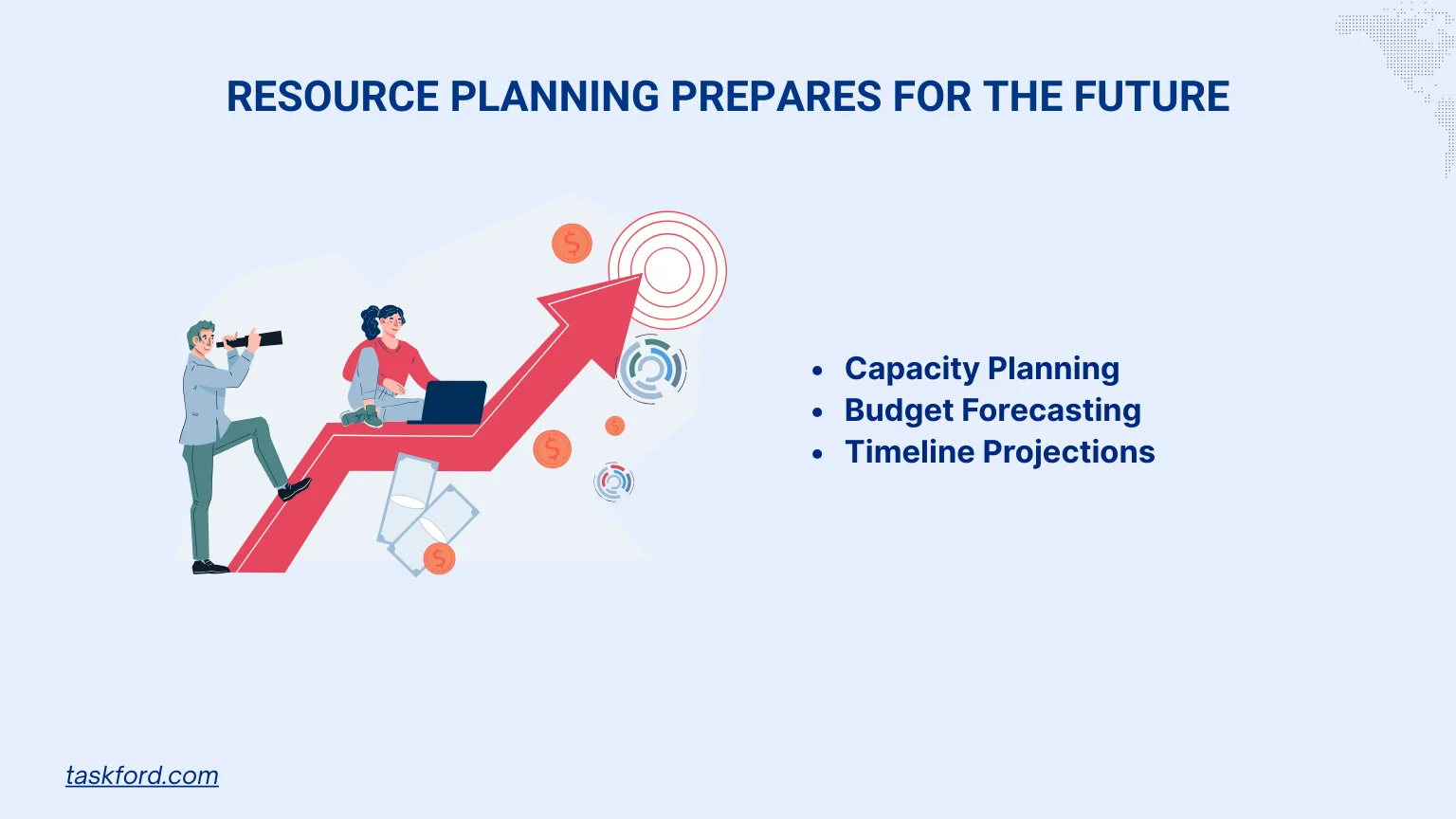
Resource planning complements resource management. It’s about forecasting what you’ll need to meet client demands, whether it’s hiring talent, investing in tools, or adjusting schedules.
- Capacity Planning: Analyze upcoming projects to determine if you have enough staff. If a client requires specialized skills, plan to hire or outsource.
- Budget Forecasting: Estimate costs for labor, tools, and unexpected expenses to provide accurate quotes.
- Timeline Projections: Use resource planning software like TaskFord to map out project timelines and identify potential bottlenecks early.
Proactive resource planning ensures you’re ready for client needs, even when challenges arise.
(Learn more: What is Resource Planing?)
Pillar 4. Personalization Creates Stronger Connections
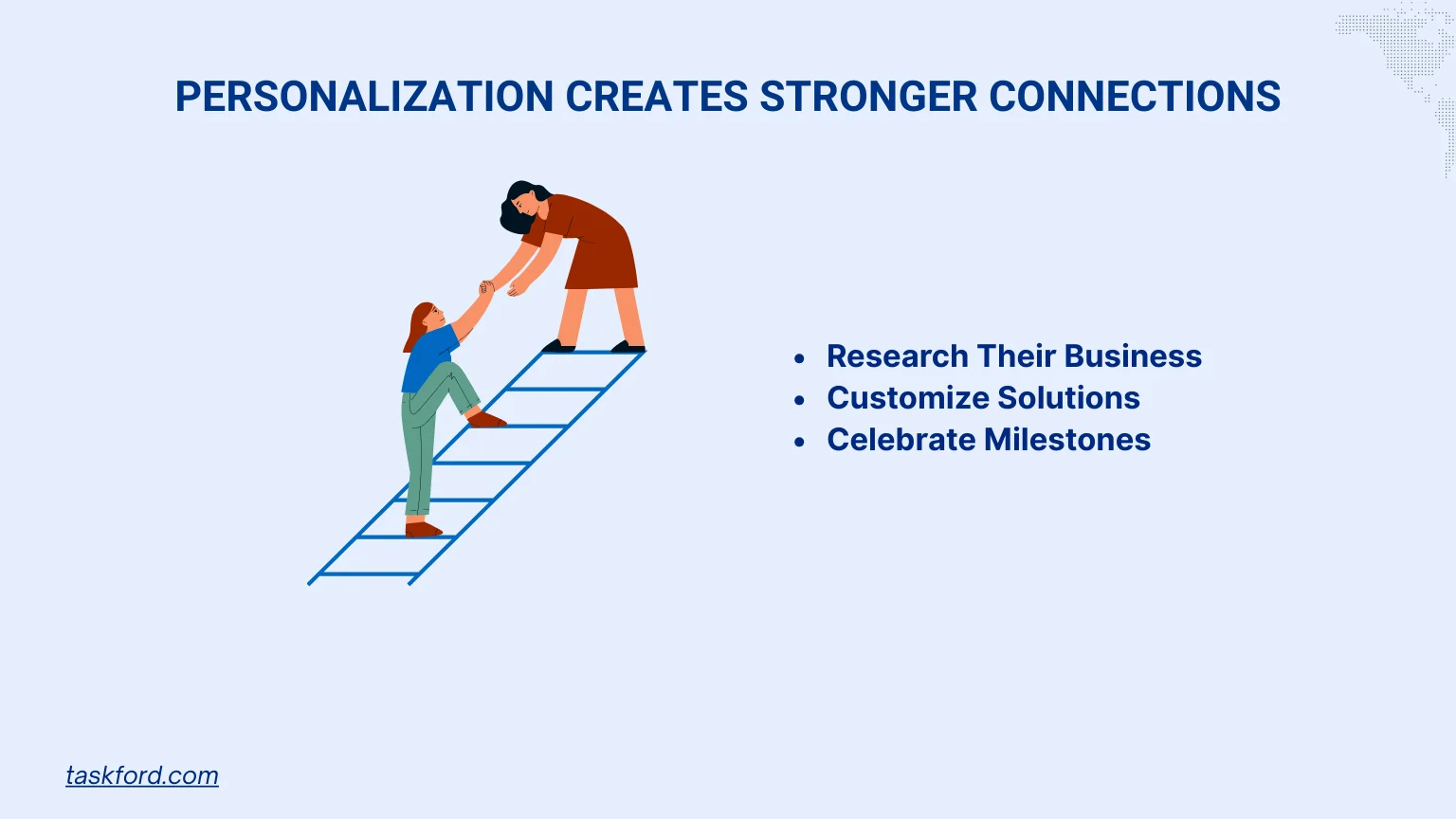
Every client is unique. Tailoring their experience shows you understand their specific goals and challenges, setting you apart from competitors.
- Research Their Business: Learn about their industry, competitors, and pain points. For a retail client, understand their seasonal trends to offer relevant solutions.
- Customize Solutions: Avoid one-size-fits-all approaches. If a client values eco-friendly practices, highlight how your processes align with sustainability.
- Celebrate Milestones: Acknowledge client achievements, like anniversaries or product launches, with a personalized email or small gesture.
Personalization builds loyalty and makes clients feel like partners, not just customers.
Pillar 5. Feedback Fuels Growth
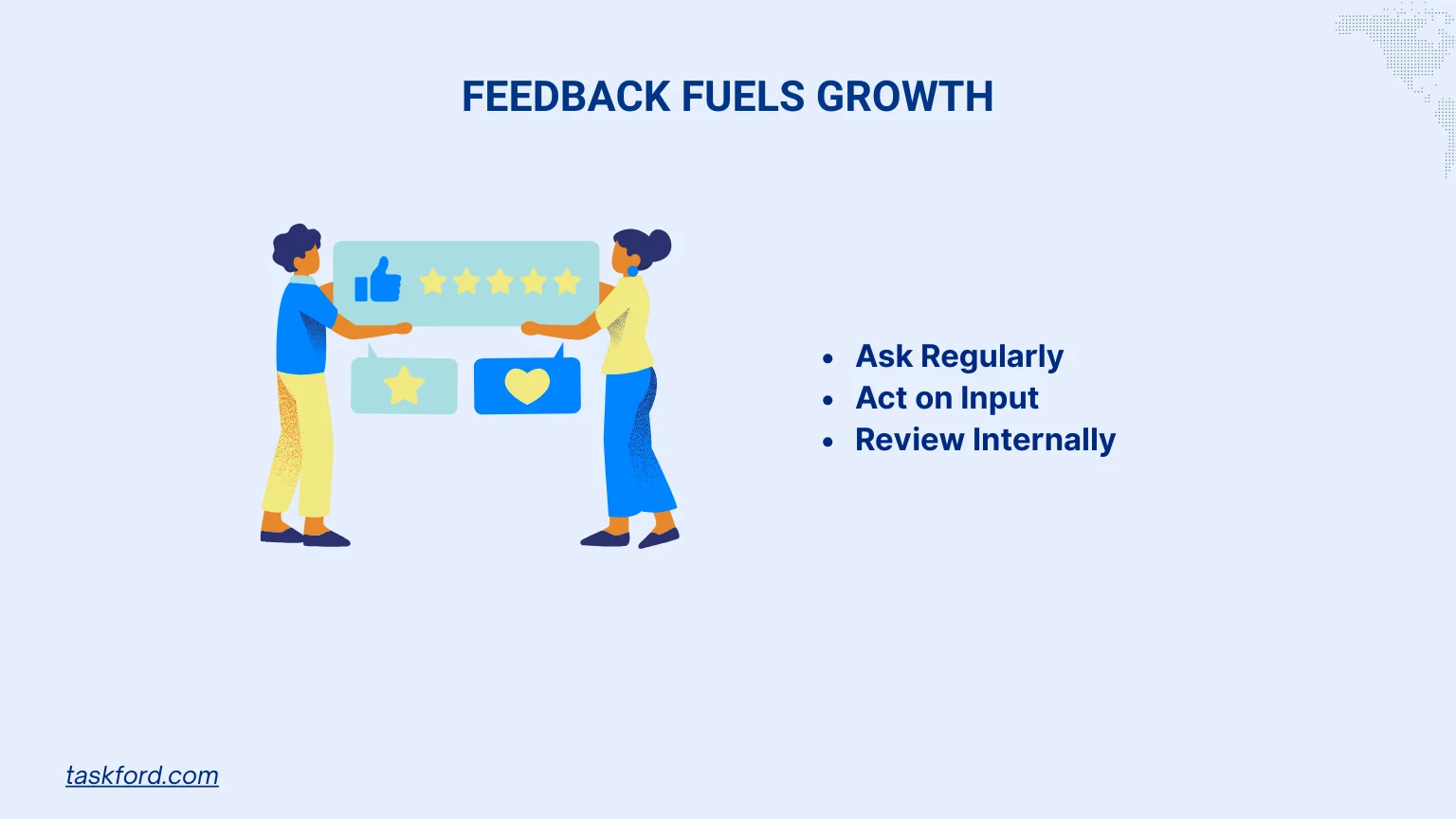
Feedback is a powerful tool for improving client management. It helps you understand what’s working and what needs improvement.
- Ask Regularly: Send short surveys after project milestones or schedule feedback calls. Tools like SurveyMonkey simplify this process.
- Act on Input: If a client suggests faster response times, adjust your communication process to show their feedback matters.
- Review Internally: After a project, hold a team debrief to discuss successes and areas for improvement.
Embracing feedback demonstrates your commitment to client success and willingness to adapt.
How to Keep Client Work on Track with TaskFord
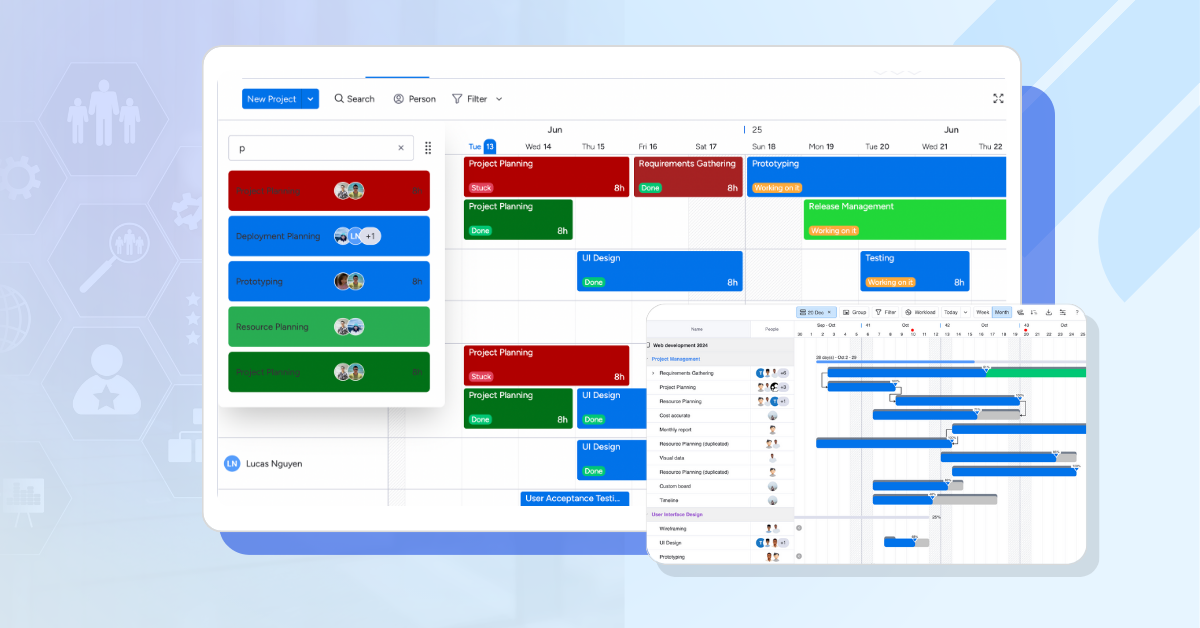
TaskFord stands out as an integrated work delivery platform that brings all client work into one place. From planning and execution to tracking and follow-up, teams get shared visibility and realistic control over what’s being delivered.
Instead of juggling spreadsheets, emails, and disconnected tools, teams manage all client delivery in one place—from planning and execution to tracking and follow-up.
Here’s how TaskFord can help team manage client works:
1. Plan client work with realistic timelines
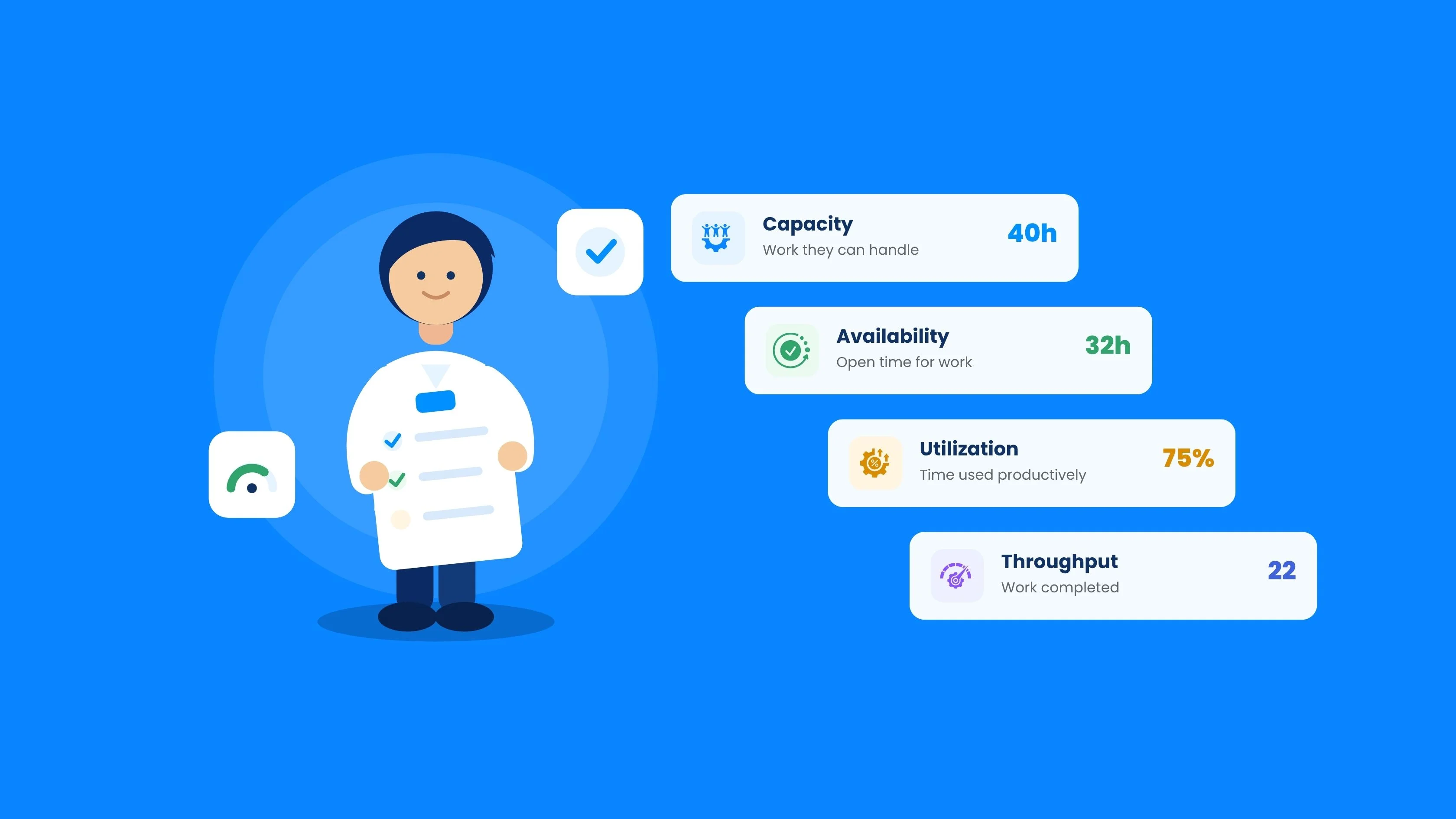
TaskFord helps teams plan based on actual capacity, not assumptions. Teams can:
- See who is available and when
- Balance workloads across client projects
- Set delivery timelines they can confidently commit to
This reduces overpromising and keeps client expectations aligned with reality.
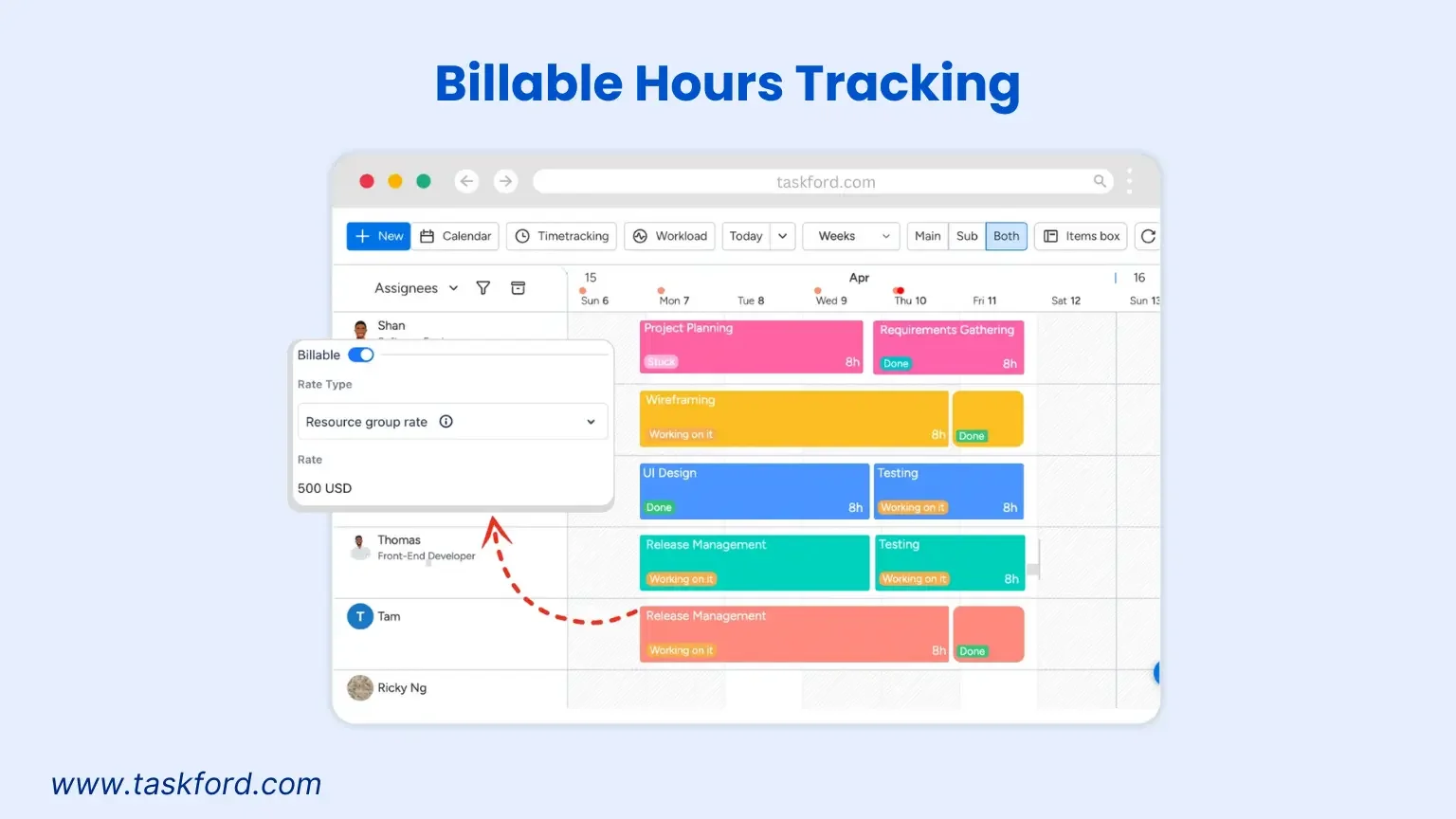
2. Track billable hours by client and project
TaskFord makes it easy to track billable hour by clients, projects or teams so:
- Time spent on client work is clearly recorded
- Teams understand where effort is going
- Billing is accurate and transparent
This connects delivery work directly to revenue.
3. Keep all client work visible in one place
All client projects, tasks, milestones, and time entries live together, helping teams:
- See progress and effort at a glance
- Identify delays or scope creep early
- Reduce time spent switching between tools
Tackling Common Client Management Challenges
Even with strong strategies, challenges can arise. Here’s how to handle common issues:
- Misaligned Expectations: Clients may have unrealistic ideas about timelines or deliverables. Create detailed project proposals and review them thoroughly before starting work. Include specifics on scope, deadlines, and costs to prevent surprises.
- Overcommitted Resources: Taking on too many clients can strain your team and lead to missed deadlines. Use resource management tools to track capacity and politely decline projects that exceed your limits. Quality over quantity keeps clients satisfied.
- Difficult Clients: Some clients are hard to please. Stay professional, listen to their concerns, and offer solutions. If a client becomes unreasonable, evaluate whether the relationship is worth continuing to protect your team’s morale.
- Time Management: Balancing client meetings, project work, and internal tasks can be overwhelming. Use time-blocking techniques to allocate specific hours for each. Google Calendar can help you stay organized.
- Efficient Secure Data Sharing: When projects involve sensitive files, performance matters. Reviewing sftp vs ftps speeds helps you pick secure transfer methods without slowing delivery.
The Role of Emotional Intelligence in Client Management
Technical skills and tools are vital, but emotional intelligence (EQ) sets exceptional client managers apart. EQ involves understanding and managing emotions, both yours and your clients’.
- Empathy: Put yourself in your client’s shoes. If they’re stressed about a tight deadline, acknowledge their concerns and offer solutions.
- Adaptability: Be flexible when client needs change. Adjust resource planning to accommodate shifts without compromising quality.
- Conflict Resolution: Stay calm during disagreements. Ask specific questions to understand concerns and propose clear solutions.
High EQ helps you navigate tricky situations and build stronger, more trusting relationships.
Measuring Client Management Success
How do you know your efforts are paying off? Track these key metrics:
- Client Retention Rate: Calculate the percentage of clients who return for repeat business. High retention signals strong relationships.
- Net Promoter Score (NPS): Ask clients how likely they are to recommend you on a scale of 1-10. A high NPS indicates satisfaction.
- Project Delivery Time: Measure how often you meet or beat deadlines. Consistent delivery reflects effective resource management.
- Client Feedback: Collect qualitative input through surveys or conversations to gauge satisfaction and identify improvements.
Regularly reviewing these metrics helps you refine your approach and ensure long-term success.
Creating a Client-Centric Culture
Client management isn’t just for account managers. It’s a company-wide effort. Foster a client-centric culture with these steps:
- Train Your Team: Educate employees on the importance of client satisfaction. Provide training on communication and resource management.
- Empower Employees: Give your team authority to solve client issues quickly, such as offering small discounts for dissatisfaction.
- Celebrate Success: Recognize team members who go above and beyond for clients to reinforce a client-focused mindset.
A client-centric culture ensures everyone prioritizes client success, leading to better business outcomes.
Conclusion: The Power of Client Management
Mastering client management transforms projects into partnerships. By focusing on clear communication, effective resource management, and strategic resource planning, you can exceed client expectations and build lasting relationships. Use technology, personalize experiences, and embrace feedback to keep improving.
Ready to elevate your client management? Assess your current processes, invest in the right tools, and commit to a client-first mindset. Your business and your clients will thrive as a result.
Learn more
- Agile Capacity Planning: How to Match Team Velocity with Real-World Workloads
- 8 Resource Optimization Skills Your Teams Will Thank You For
- Crafting a Resource Management Plan: A Project Manager’s Handbook
Related Articles












































































![What is an Effective Resource Management Plan Template [Free Download]](/marketing/blog/resource-management-plan-template.webp)



Subscribe for Expert Tips
Unlock expert insights and stay ahead with TaskFord. Sign up now to receive valuable tips, strategies, and updates directly in your inbox.