What Is a Leave Management System and How Does It Work?
Discover how a leave management system simplifies absence tracking, improves efficiency, and enhances resource planning across all modern organizations.
Effective employee leave management is a cornerstone of organizational success, directly impacting productivity, employee morale, and compliance with labor regulations. A leave management system is a software solution designed to automate and optimize the process of tracking, approving, and managing employee absences. By integrating leave management with resource management and resource planning, businesses can ensure operational continuity while fostering a supportive work environment.
This in-depth guide explores the mechanics of leave management systems, their transformative benefits, implementation strategies, and how TaskFord’s solution leads the way. It provides actionable insights and serves as a foundational resource for modern HR practices.
What Is a Leave Management System?
A leave management system is software that helps organizations track, manage, and automate employee leave requests. It allows employees to apply for time off, managers to approve requests, and HR teams to monitor leave balances and records in one centralized platform.
By replacing manual processes like spreadsheets and emails, a leave management system improves accuracy, saves time, ensures compliance with company policies, and supports better resource management by providing visibility into employee availability for workforce planning and scheduling.
Core Components of a Leave Management System
A robust leave management system is built on key functionalities that create an efficient, transparent process:
- Leave Request and Approval Process: Employees submit requests through a user-friendly portal, specifying dates and leave types. Managers receive automated notifications to review requests, considering team schedules and operational needs before approving or denying.
- Real-Time Leave Balance Tracking: The system automatically updates leave balances, providing employees with clear visibility into their entitlements and reducing disputes over accruals or miscalculations.
- Calendar and Resource Planning: Shared calendars display approved absences, enabling managers to align leave schedules with project timelines and optimize resource allocation for operational continuity.
- Compliance and Reporting: The system tracks mandatory leave entitlements and generates detailed reports to ensure compliance with labor laws and provide insights into absence trends for strategic planning.
These components form a cohesive framework that enhances efficiency, transparency, and alignment with organizational goals.
Benefits of a Leave Management System
A leave management system delivers transformative benefits that extend beyond administrative efficiency. Here’s an in-depth exploration:
1. Operational Efficiency and Cost Savings
Automating tasks like balance calculations and approval tracking frees HR teams from repetitive work. A mid-sized company with 200 employees might save 25-35 hours monthly on leave-related tasks, allowing HR to focus on strategic initiatives like talent development. By reducing errors such as overpaying for unearned leave, organizations can save thousands annually. For instance, a single payroll error across 50 employees could cost $5,000, but automation prevents such losses, enhancing financial efficiency.
2. Enhanced Resource Management and Planning
Real-time visibility into employee availability enables precise resource planning. Managers can assess team capacity before approving requests, ensuring critical projects stay on track. For example, a construction firm can avoid scheduling absences during a tight project deadline, reassigning tasks to maintain progress. This alignment with resource management minimizes disruptions and maximizes workforce utilization, directly impacting project delivery and client satisfaction.
3. Compliance and Risk Mitigation
Navigating complex labor laws, especially for global organizations, is a significant challenge. A leave management system tracks mandatory entitlements, such as FMLA or EU statutory leave, and maintains auditable records. Non-compliance with FMLA can result in fines exceeding $10,000 per violation, but automated tracking ensures adherence without manual oversight. For multinational companies, the system can adapt to region-specific regulations, reducing legal risks and ensuring consistent compliance.
4. Improved Employee Experience and Retention
A transparent, self-service system empowers employees to manage their time off with confidence. Real-time access to leave balances and prompt approvals demonstrate respect for employees’ time, boosting morale. Organizations with clear, accessible leave policies see up to 15% higher retention rates, as employees feel valued and supported. For example, a healthcare provider using a leave system reported a 10% increase in employee satisfaction scores, attributing it to faster approvals and clearer communication.
These benefits collectively drive efficiency, compliance, and a positive workplace culture, making leave management systems indispensable.
How Does a Leave Management System Work?
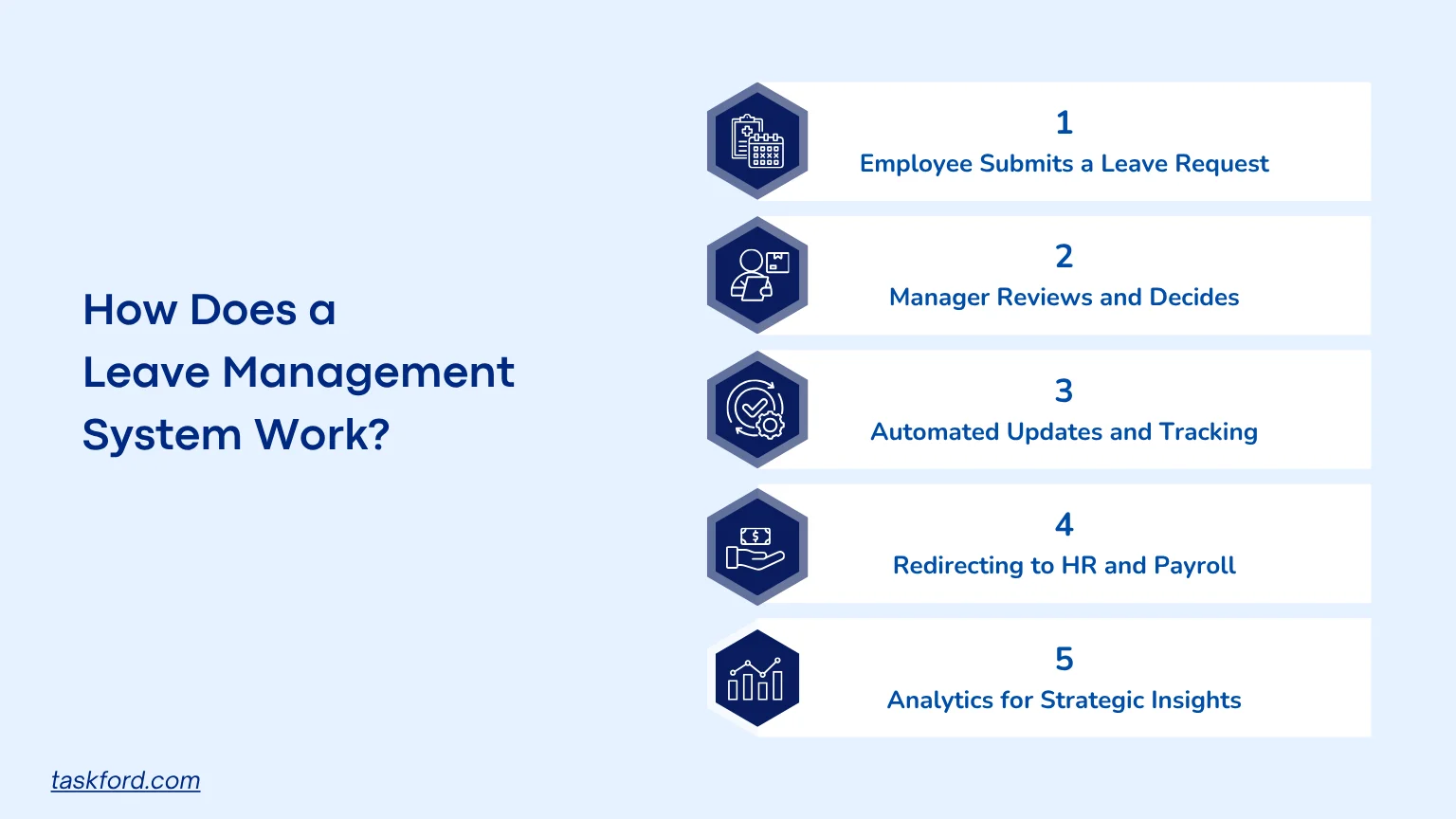
A leave management system operates through a series of automated processes that optimize absence management. Here’s a detailed look at its functionality:
Step 1: Employee Submits a Leave Request
Employees log into the system through a web portal or mobile app to submit their leave request. They can:
- Select the type of leave (vacation, sick, parental, etc.)
- Enter start and end dates
- Attach supporting documents such as medical certificates
The system checks the employee’s leave balance to prevent over-allocation.
This self-service process empowers employees to manage their own time off and reduces HR’s administrative work. For example, an employee planning a two-week vacation can instantly see if they have enough leave without going back and forth with HR.
Step 2: Manager Reviews and Decides
Once submitted, the request goes to the manager through automated notifications by email or in-app alerts.
Managers can view:
- The employee’s leave history
- Team schedules and overlapping absences
- Project timelines and critical periods
This helps managers make informed decisions. For example, a manager might deny a request during an important testing phase to keep the project on track.
All actions are logged to create a transparent audit trail that supports accountability and reduces disputes. Managers can also adjust the leave type based on the employee’s situation.
Step 3: Automated Updates and Tracking
Upon approval, the system updates the employee’s leave balance and adds the absence to a shared calendar, providing visibility to relevant stakeholders. For instance, a project manager can see that a key developer will be absent during a sprint and reassign tasks to maintain momentum. If the request is denied, the employee receives a clear explanation, fostering open communication and minimizing frustration. This automation eliminates manual updates, reducing errors and saving time.
Step 4: Redirecting to HR and Payroll
The system is then being used by HR to reflect approved absences in compensation calculations. For example, unpaid leave is automatically flagged for payroll adjustments, ensuring accuracy and eliminating manual errors that could cost thousands annually. Having resource management tools allows organizations to align leave data with project schedules, optimizing workforce planning. A retail chain, for instance, can adjust store staffing during holiday absences to maintain service levels.
Step 5: Analytics for Strategic Insights
Advanced systems include dashboards and reports that show leave trends such as:
- Seasonal spikes in vacation requests
- Frequent sick leave in specific departments
- Unused vacation balances
These insights help HR identify underlying issues. High sick leave may indicate stress, while unused vacation could suggest burnout risks.
For example, a tech company noticing many summer vacations can plan cross-training or temporary hiring to maintain coverage.
These data-driven insights improve resource planning, strengthen employee well-being, and support strategic workforce management.
Challenges of Manual Leave Management
Manual processes, such as spreadsheets or paper forms, create significant inefficiencies:
- Error-Prone Tracking: Miscalculations of leave balances lead to disputes or payroll errors, costing organizations thousands. For instance, overpaying for unearned leave across 100 employees could result in a $10,000 loss annually.
- Time-Intensive Administration: HR teams spend hours processing requests, diverting focus from strategic priorities like employee engagement.
- Limited Visibility: Without real-time data, managers struggle to align leave schedules with resource planning, risking project delays or understaffing.
- Compliance Risks: Manual tracking increases the likelihood of non-compliance with labor laws, exposing organizations to legal penalties.
A leave management system resolves these issues by automating processes, ensuring accuracy, and providing actionable insights.
TaskFord: A Great Leave Management System Option
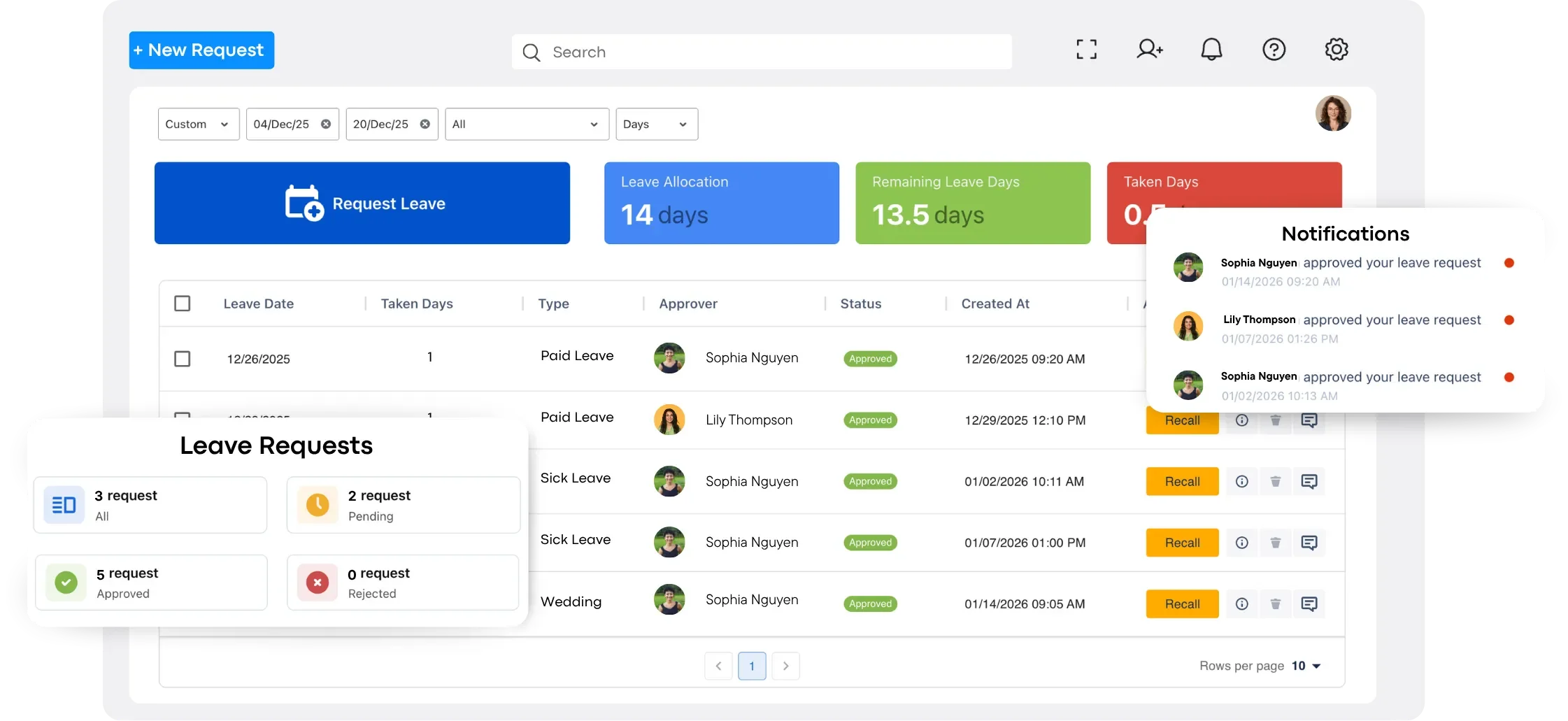
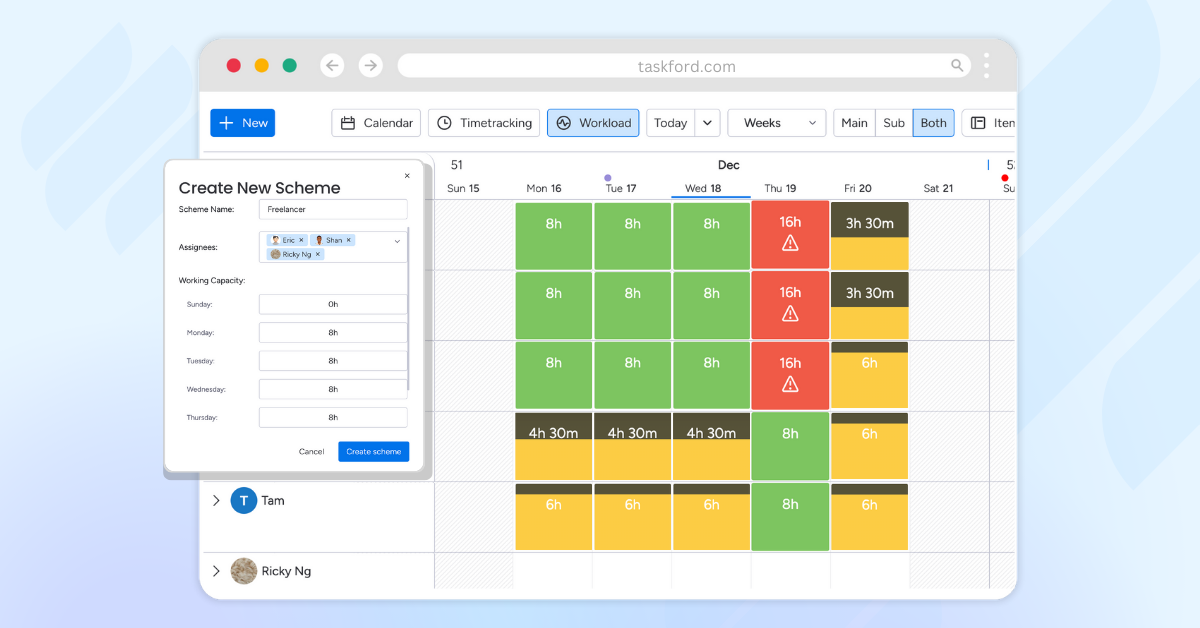
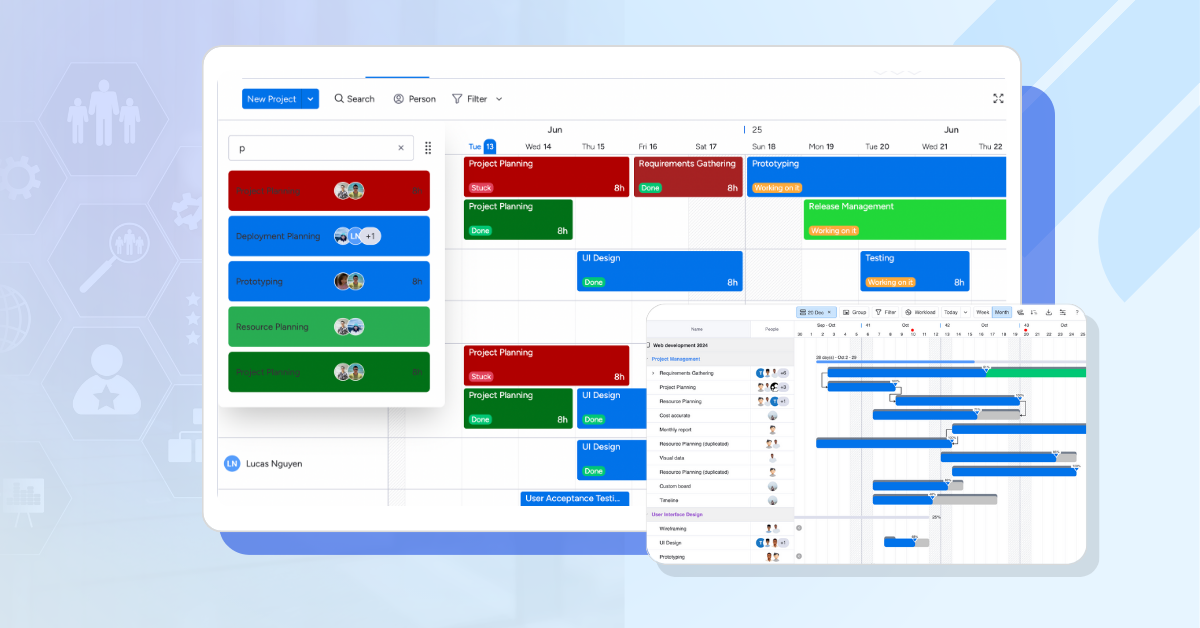
TaskFord’s leave management feature helps organizations streamline absence tracking, improve resource management, and support workforce planning from a single platform. As part of a broader project and resource management solution, it provides greater visibility into employee availability while reducing administrative effort.
Why Choose TaskFord?
- Simple Leave Requests and Approvals: Employees can submit leave requests online, while managers review and approve requests through customizable workflows that align with company policies.
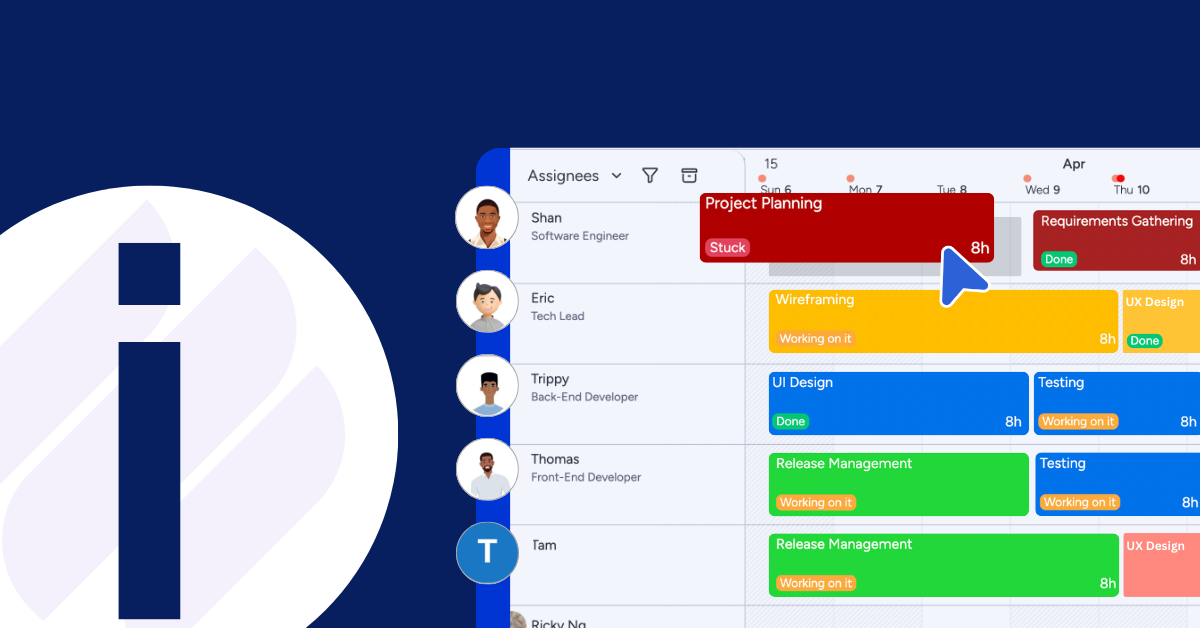
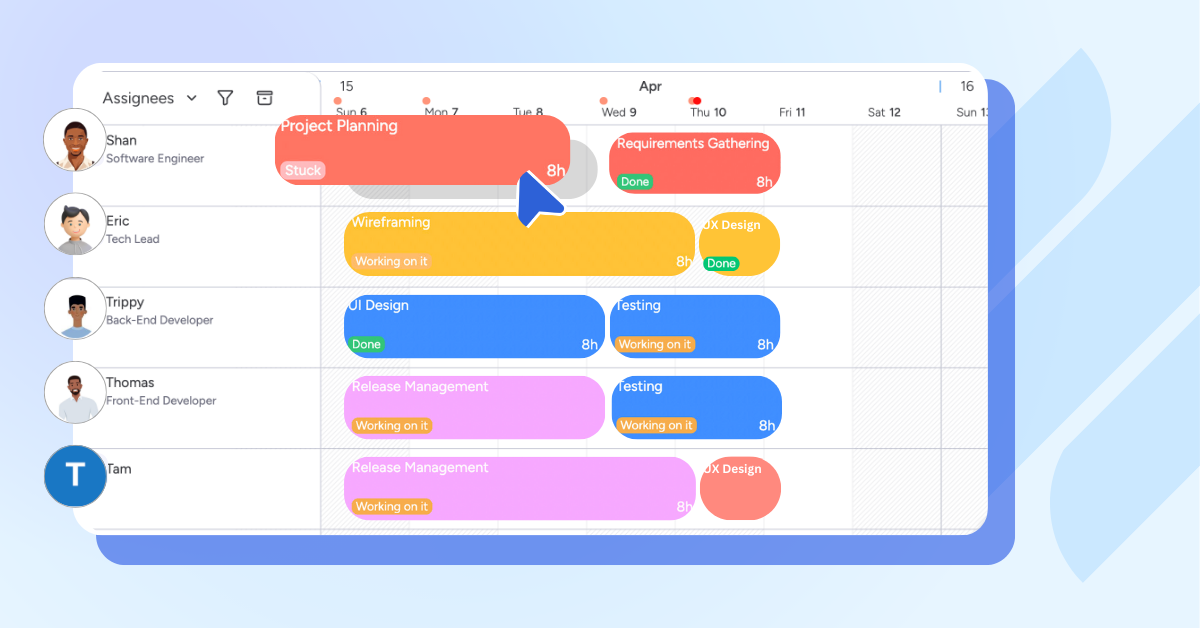
- Integrated Resource Management: Approved leave is automatically reflected in shared calendars and resource schedules, helping managers plan workloads, avoid conflicts, and maintain project continuity.
- Workforce Visibility: Real-time insights into employee availability make it easier to allocate resources, balance workloads, and support effective resource planning.
- Reporting and HR Support: Centralized leave records and reporting tools help HR teams monitor leave trends, maintain accurate records, and support payroll processes.
By combining leave management with resource planning capabilities, TaskFord helps organizations improve operational efficiency while creating a smoother experience for employees, managers, and HR teams.
Best Practices for Implementing a Leave Management System
To maximize the value of a leave management system, organizations should follow these best practices:
- Define Clear Leave Policies: Establish clear guidelines for leave types, eligibility, accrual rules, and approval procedures to ensure consistency and transparency.
- Automate Approval Workflows: Configure approval processes that align with organizational requirements, reducing delays and improving accountability.
- Integrate with Resource Management: Connect leave data with resource management and workforce planning processes to maintain visibility into employee availability and avoid staffing conflicts.
- Provide User Training: Train employees, managers, and HR teams on how to use the system effectively to encourage adoption and reduce errors.
- Monitor Leave Trends: Use reporting and analytics tools to identify absence patterns, forecast workforce needs, and support data-driven decision-making.
- Review Policies Regularly: Periodically evaluate leave policies and system configurations to ensure they remain aligned with business objectives and regulatory requirements.
The Future of Leave Management Systems
Leave management systems continue to evolve as organizations seek more efficient ways to manage employee availability and workforce planning.
- AI-Powered Insights: Artificial intelligence can help predict absence trends, identify staffing risks, and support smarter leave approval decisions.
- Predictive Resource Planning: Future systems will use leave data to forecast workforce capacity and help managers plan resources more effectively.
- Enhanced Employee Self-Service: Mobile access, automated notifications, and self-service features will make leave management faster and more convenient for employees.
- Deeper HR and Payroll Integration: Seamless connections with HR, payroll, and workforce management systems will improve data accuracy and reduce administrative work.
- Greater Focus on Employee Well-Being: Advanced analytics may help organizations identify burnout risks and encourage employees to maintain a healthy work-life balance.
- Improved Global Compliance: As businesses expand internationally, leave management systems will continue to strengthen support for region-specific labor laws and leave regulations.
Conclusion
A leave management system is a powerful tool that automates absence tracking, ensures compliance with labor laws, and enhances resource management and workforce planning. By addressing manual process limitations, it drives efficiency, transparency, and employee satisfaction. TaskFord’s leave management solution exemplifies these benefits, offering a robust platform that integrates with resource planning and payroll systems for maximum efficiency.
For organizations aiming to optimize HR processes and foster a supportive workplace, TaskFord’s leave management system is a strategic investment. Explore TaskFord’s offering today to elevate your absence management strategy and drive organizational success.
Frequently Asked Questions (FAQs)
1. What is a leave management system?
A leave management system is software that helps organizations track employee absences, manage leave requests, automate approvals, and maintain accurate leave records. It replaces manual processes such as spreadsheets and paper forms with a centralized platform.
2. What types of leave can a leave management system track?
Most leave management systems can track annual leave, sick leave, parental leave, bereavement leave, unpaid leave, public holidays, and custom leave types based on company policies.
3. How does a leave management system improve resource management?
By providing real-time visibility into employee availability, a leave management system helps managers plan workloads, allocate resources effectively, and avoid staffing conflicts that could impact projects or daily operations.
4. Can a leave management system integrate with payroll software?
Yes. Many leave management systems integrate with payroll and HR software to ensure approved leave is accurately reflected in employee compensation, reducing manual work and minimizing errors.
5. Why should businesses use a leave management system instead of spreadsheets?
Unlike spreadsheets, a leave management system automates calculations, approval workflows, and record keeping. This improves accuracy, saves administrative time, enhances compliance, and provides better visibility into workforce availability.
Learn more
- What Is Resource Planning? Definition, Examples and How to Do it Right
- 5 Steps to Master the Human Resource Management Planning Process
- 5 Critical Mistakes When Using a Resource Planning Program and How to Overcome Them
Related Articles
































































![What is an Effective Resource Management Plan Template [Free Download]](/marketing/blog/resource-management-plan-template.webp)


Subscribe for Expert Tips
Unlock expert insights and stay ahead with TaskFord. Sign up now to receive valuable tips, strategies, and updates directly in your inbox.