Top 10 Employee Engagement Strategies That Actually Work in 2026
Discover 10 powerful employee engagement strategies to boost motivation, productivity, and workplace satisfaction in 2026. Build a thriving team today!
Employee engagement is the heartbeat of a thriving workplace and plays an important role in resource management. It boosts productivity, fuels creativity, and builds a culture where employees feel valued and motivated. In 2026, with hybrid work models, advancing technology, and evolving employee expectations, businesses need practical, impactful strategies to keep teams connected and driven. This blog explores ten proven employee engagement strategies to empower your workforce while also helps you understand the role of leadership in this.
Why Employee Engagement Is Essential in 2026
Employee engagement is more than a workplace initiative. It directly influences productivity, retention, innovation, and overall business performance. As organizations continue adapting to hybrid work, evolving technologies, and changing employee expectations, building an engaged workforce remains a key driver of long-term success.
- Higher Productivity: Engaged employees are more focused, motivated, and committed to their work. They take ownership of responsibilities, collaborate effectively, and contribute to stronger team performance. According to Gallup’s article, engaged teams can increase productivity by 23% and reduce turnover by up to 43%.
- Better Employee Retention: Employees who feel valued and supported are more likely to stay with their organization. Strong engagement helps reduce turnover, preserve institutional knowledge, and lower recruitment costs.
- Increased Innovation: Engaged teams are more willing to share ideas, solve challenges, and contribute to continuous improvement. This creates an environment where innovation can thrive.
- Improved Customer Satisfaction: Employees who care about their work are more likely to deliver exceptional customer experiences. Their commitment often leads to stronger customer relationships and loyalty.
- Stronger Workplace Culture: Engagement fosters trust, collaboration, and a sense of belonging. A positive workplace culture helps employees feel connected to both their colleagues and organizational goals.
- Greater Adaptability: In a rapidly changing business environment, engaged employees are more open to learning new skills, adopting new technologies, and supporting organizational change.
- More Efficient Resource Utilization: Engaged employees make better use of their time, skills, and available resources. Combined with effective resource management, this leads to improved efficiency and reduced burnout.
Why Employees Don’t Engage Much
Before improving employee engagement, it’s important to understand what causes employees to disengage. When people feel disconnected from their work or workplace, motivation, productivity, and retention often decline.
- Lack of Recognition: Employees who rarely receive acknowledgment for their contributions may feel undervalued, reducing their motivation to go above and beyond.
- Limited Growth Opportunities: Without clear career paths, learning opportunities, or professional development support, employees can lose interest in their roles and future within the organization.
- Poor Communication: Unclear expectations, limited transparency, and infrequent feedback can make employees feel disconnected from company goals and leadership.
- Excessive Workloads and Burnout: Constant pressure, unrealistic deadlines, and uneven workload distribution can lead to stress, fatigue, and lower engagement.
- Lack of Purpose and Autonomy: Employees are more engaged when they understand the impact of their work and have the freedom to make decisions. When work feels meaningless or overly controlled, engagement often declines.
10 Employee Engagement Strategies for 2026
These ten strategies are designed to foster connection, growth, and well-being, all supported by effective resource management.
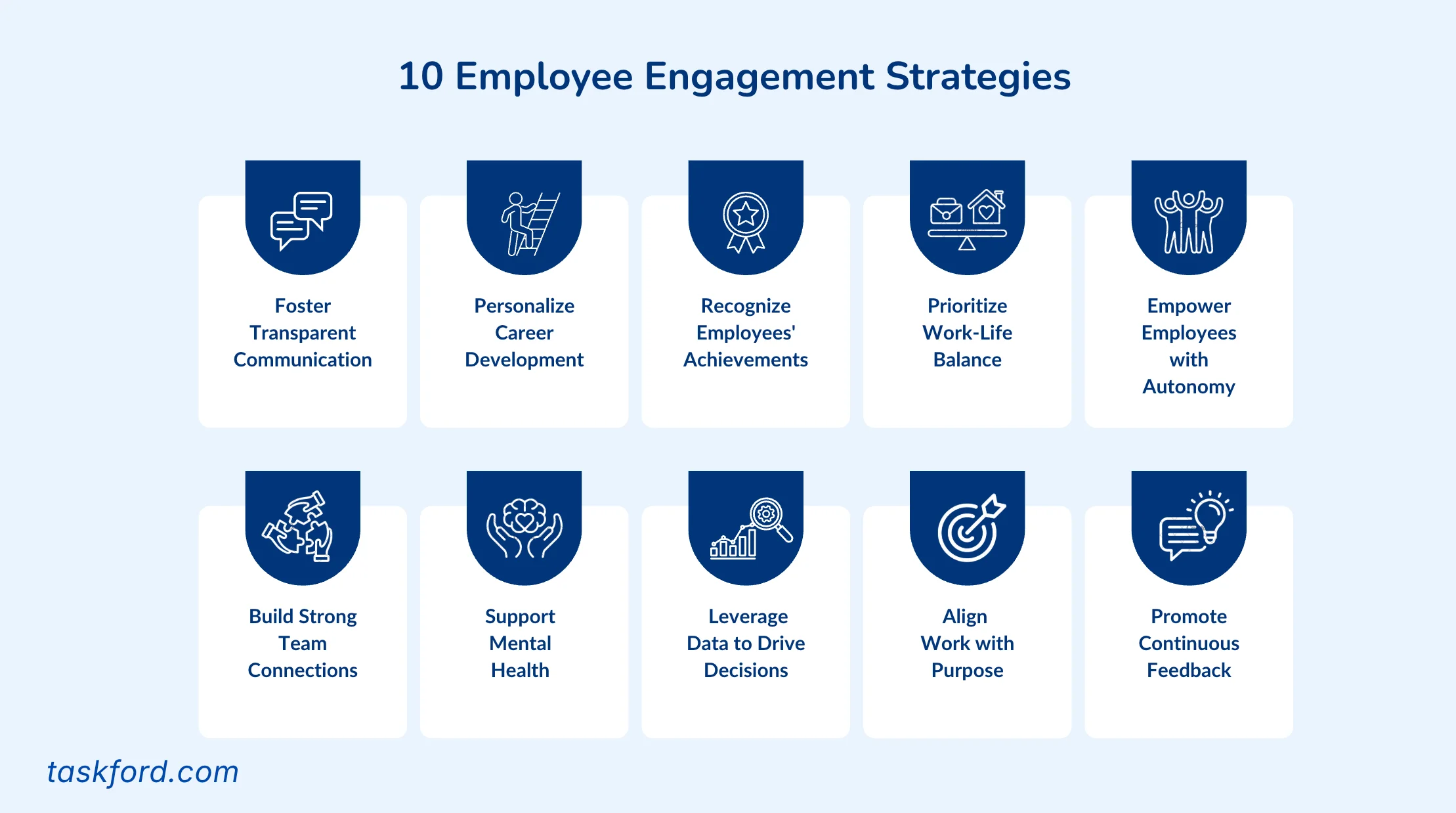
1. Foster Transparent Communication
In 2026, employees value authenticity over polished messaging. Sharing successes and setbacks such as a delayed product launch builds trust, especially in hybrid teams where vague updates breed disconnection. Employees crave clarity on company goals, challenges, and their role.
How to do it:
- Use communication platforms like Slack or Microsoft Teams to share company updates and important announcements in real time.
- Hold regular town halls where employees can ask questions directly to leadership.
- Create anonymous feedback channels to encourage honest suggestions and concerns.
- Share both successes and challenges to build credibility and trust.
- Provide recurring leadership updates that explain company priorities and future plans.
Why it works: Transparency creates a culture of inclusion, reducing uncertainty and aligning teams with shared goals.
Action Tip: Set up a feedback portal where employees share ideas, with leaders responding within 48 hours.
2. Personalize Career Development
Employees want growth plans tailored to their aspirations, not generic training that feels like a checkbox. In 2026, “learn-as-you-go” opportunities resonate, like offering a junior developer a coding bootcamp over a broad leadership course to directly enhance their role.
How to do it:
- Conduct regular career conversations to understand employee goals and interests.
- Create individualized learning and development plans.
- Offer mentorship programs that connect employees with experienced leaders.
- Provide access to online courses, certifications, and industry events.
- Assign stretch projects that help employees develop new skills in practical settings.
Why it works: Employees who feel their growth is supported are more likely to stay motivated, loyal, and invested in the organization’s success.
Action Tip: Hold quarterly career check-ins to refine development plans and allocate training budgets.
3. Recognize Achievements with Impact
Recognition is a catalyst for motivation, especially when it’s public and specific. In 2026, a shout-out in a company-wide newsletter or virtual event amplifies impact and inspires others, far surpassing a private email. Employees who feel valued are nearly three times more likely to be engaged.
How to do it:
- Celebrate achievements during team meetings and company-wide events.
- Encourage peer-to-peer recognition programs.
- Highlight specific accomplishments rather than offering generic praise.
- Reward both individual and team contributions.
- Align recognition efforts with company values and goals.
Why it works: Recognition helps employees feel valued and connected to their work, increasing motivation and engagement.
Action Tip: Budget for tangible rewards, like gift cards or extra time off, in your resource management plan.
4. Prioritize Work-Life Balance
Flexibility is non-negotiable, with employees valuing outcome-based control over their schedules. In 2026, allowing a parent to adjust hours for school pickups while meeting deadlines shows trust and boosts morale, especially in remote or hybrid settings.
How to do it:
-
Offer flexible work schedules where possible.
-
Monitor workloads to ensure responsibilities are distributed fairly.
-
Encourage employees to take breaks and use their vacation time.
-
Establish clear expectations around after-hours communication.
-
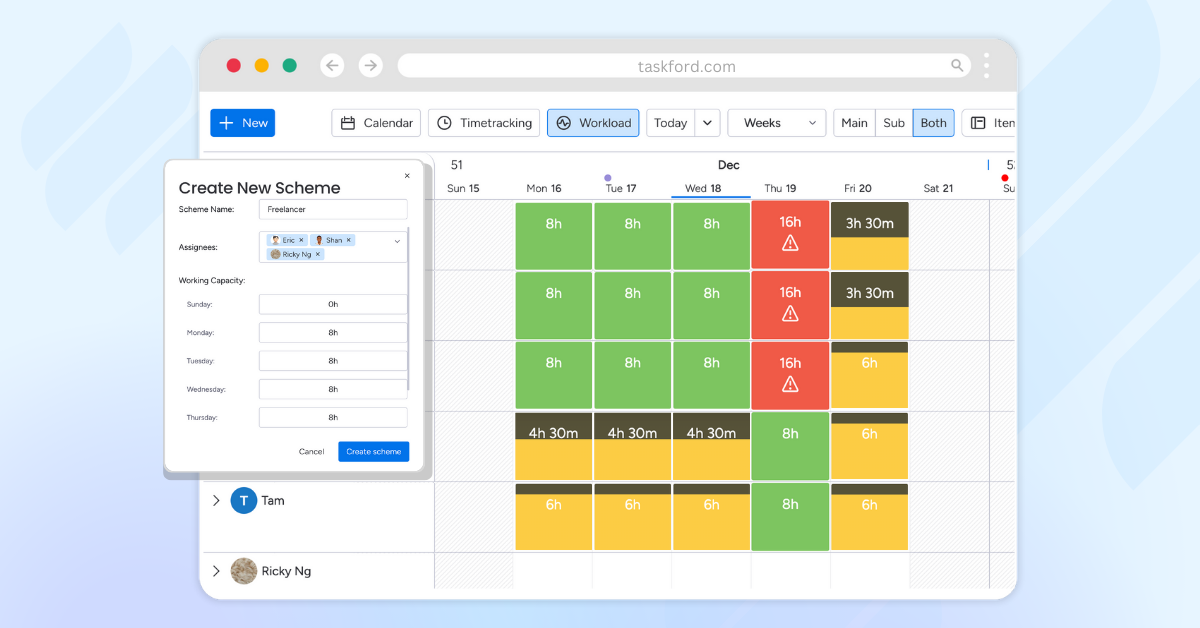
Use resource management tools to identify workload imbalances before they lead to burnout.
(Learn more: How To Reduce Burnout On A Project)
Why it works: Flexibility reduces stress, allowing employees to perform at their best.
Action Tip: Test a four-day workweek for select teams and track engagement over three months.
5. Empower Employees with Autonomy
Micromanagement crushes motivation, but autonomy sparks creativity, especially in creative or knowledge-based roles. Now, autonomy means trust, not abandonment. Regular check-ins with questions like “What’s working for you?” provide support without stifling freedom.
How to do it:
- Clearly define goals, expectations, and success metrics.
- Give employees flexibility in how they approach their work.
- Encourage independent problem-solving and decision-making.
- Focus performance discussions on outcomes rather than processes.
- Provide support and coaching without micromanaging.
Why it works: Autonomy promotes ownership, accountability, and innovation, leading to stronger engagement and performance.
Action Tip: Train managers to focus on outcomes, not processes, during check-ins.
6. Build Strong Team Connections
A sense of belonging is a cornerstone of engagement, and hybrid teams crave authentic connection. A “virtual coffee break” where employees share personal updates can be as impactful as a formal team-building event, combating isolation in remote settings.
How to do it:
- Organize team-building activities, both virtual and in person.
- Encourage cross-functional collaboration on projects.
- Create opportunities for informal conversations and networking.
- Celebrate milestones, achievements, and personal events together.
- Foster an inclusive environment where everyone feels welcome.
Why it works: Employees who feel connected to their colleagues are more likely to collaborate effectively and remain engaged.
Action Tip: Create a monthly “connection calendar” with virtual and in-person activities.
7. Support Mental Health and Well-Being
Mental health is a top priority in 2026, with employees seeking workplaces that proactively address modern stressors, like Zoom fatigue. Offering “no-meeting” days shows you understand their needs and care about their well-being.
How to do it:
- Provide access to mental health resources and employee assistance programs.
- Offer mental health days or flexible wellness benefits.
- Train managers to recognize signs of stress and burnout.
- Encourage healthy work habits and realistic workloads.
- Promote a culture where employees feel comfortable discussing well-being concerns.
Why it works: Employees who feel supported are more likely to stay engaged, productive, and committed to their work.
Action Tip: Promote wellness resources in team meetings and track participation to gauge impact.
8. Leverage Data to Drive Decisions
Data is a game-changer for engagement, but now, employees expect action, not just surveys. Sharing how feedback led to changes builds credibility and shows their input matters.
How to do it:
- Conduct regular employee engagement and pulse surveys.
- Track participation in development and well-being programs.
- Monitor turnover, absenteeism, and productivity trends.
- Review workload and resource allocation data.
- Share survey results and communicate planned actions to employees.
Why it works: Data helps leaders identify engagement challenges early and allocate resources where they will have the greatest impact.
Action Tip: Set up a dashboard to track engagement metrics and review monthly.
9. Align Work with Purpose
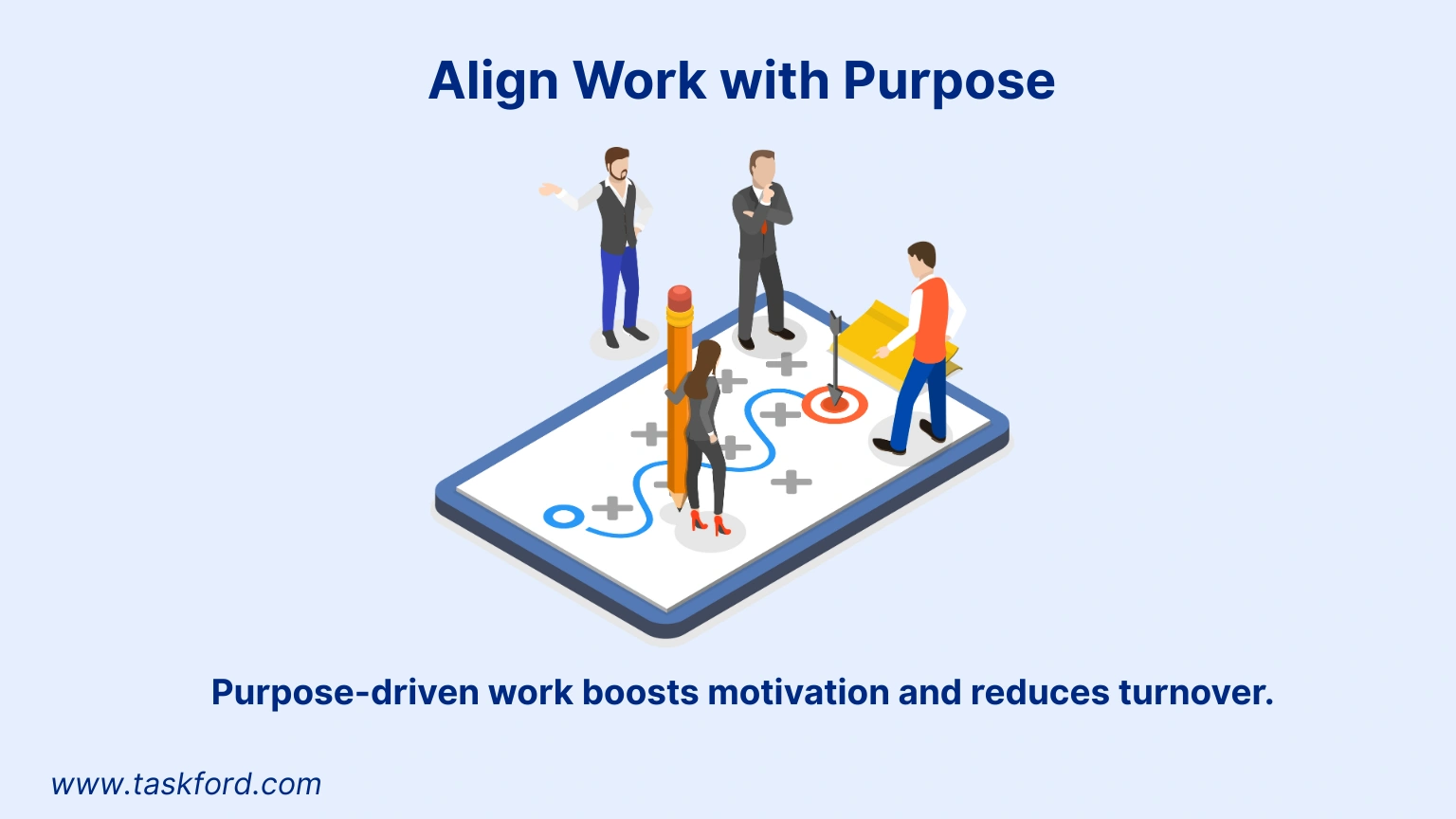
Employees want work that feels meaningful, and currently, purpose is personal. Asking “What makes your work meaningful?” during one-on-ones can uncover unique motivators, like contributing to sustainability goals, igniting passion and commitment.
How to do it:
- Clearly communicate the organization’s mission and values.
- Connect individual tasks to business objectives and customer outcomes.
- Share success stories that demonstrate employee impact.
- Involve employees in goal-setting and strategic discussions where appropriate.
- Recognize contributions that advance organizational priorities.
Why it works: Purpose-driven employees are more motivated, resilient, and committed to long-term success.
Action Tip: Include mission-focused discussions in onboarding and team meetings.
10. Promote Continuous Feedback
Annual reviews feel outdated in 2026’s fast-paced world. Employees want ongoing feedback, with managers who listen and act on their input like adjusting a project based on team suggestions to feel heard and valued.
How to do it:
- Schedule regular one-on-one meetings between managers and employees.
- Encourage two-way feedback conversations rather than one-sided evaluations.
- Provide timely recognition and constructive guidance.
- Use employee feedback to improve processes and workplace practices.
- Train managers on effective coaching and communication techniques.
Action Tip: Train managers on effective feedback techniques and schedule biweekly check-ins.
Overcoming Engagement Challenges
Implementing these strategies can face hurdles like budget constraints, resistance to change, or remote work dynamics. Here’s how to address them:
- Start small: Pilot one strategy, like recognition, and measure results before scaling.
- Communicate clearly: Explain the purpose of changes to gain buy-in from employees and leadership.
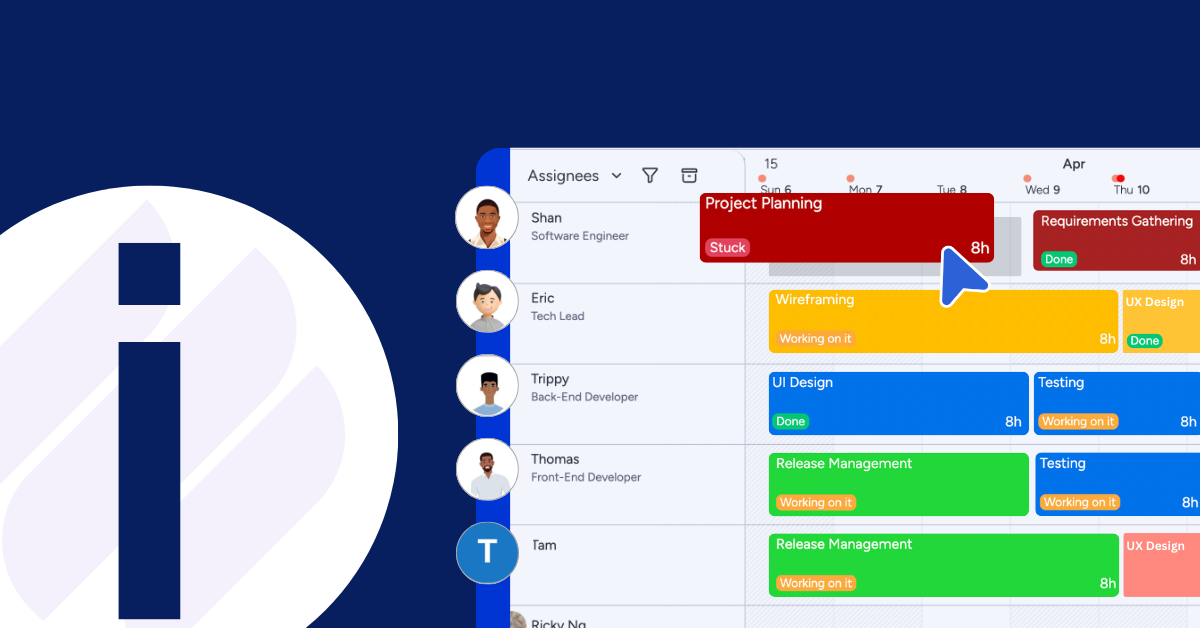
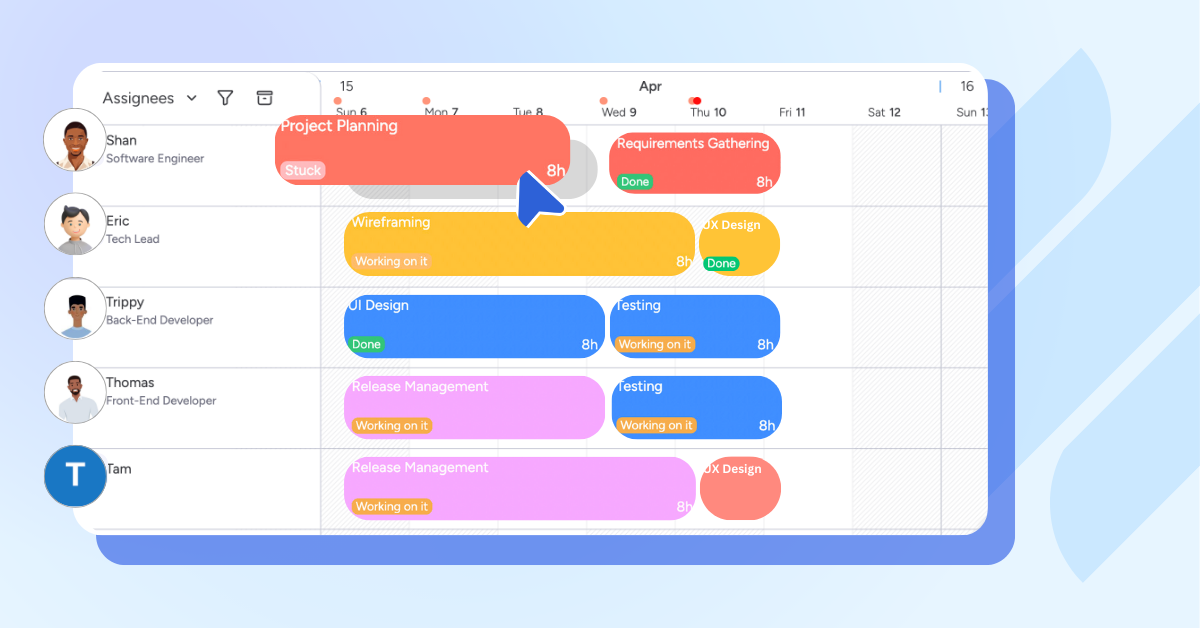
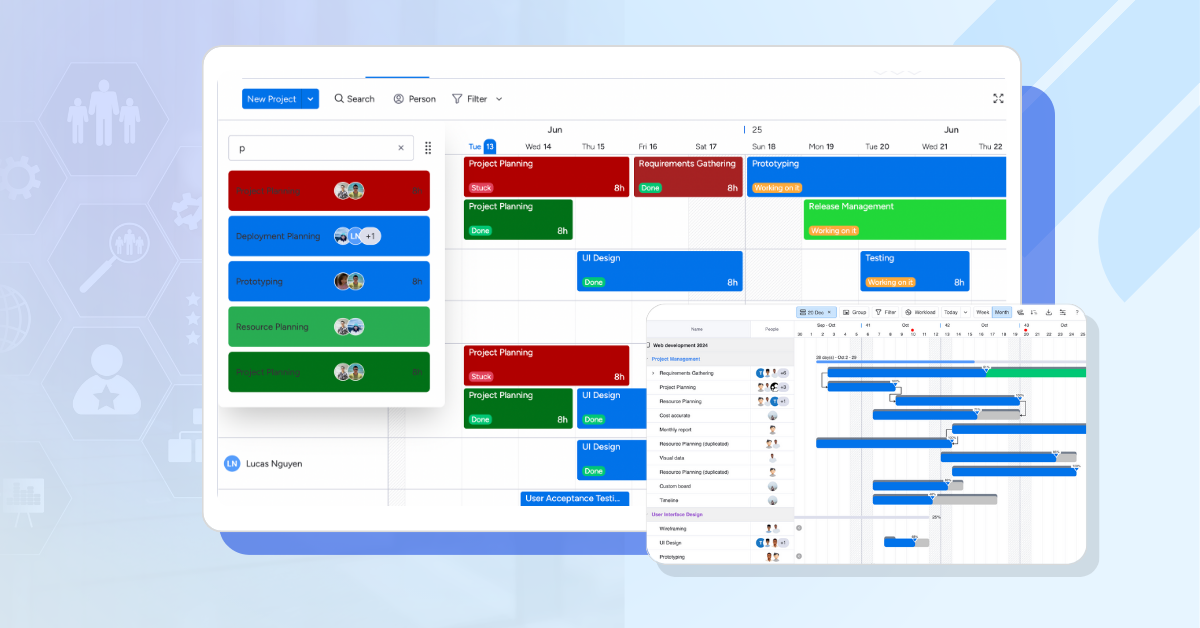
- Use resources wisely: An advanced project management and resource planning platform like TaskFord can help manage funds and allocate time efficiently for sustainable efforts.
Action Tip: Host a workshop to align leadership on engagement goals and resource needs.
Employee Engagement Trends Shaping 2026
Several trends are reshaping employee engagement in 2026, driven by evolving workplace dynamics and employee priorities. Understanding these trends helps businesses tailor strategies to meet modern needs.
- Hybrid work dominance: Most employees expect flexible arrangements, blending remote and in-person work. Companies must balance collaboration and autonomy to maintain engagement across settings.
- Mental health priority: Workers increasingly seek workplaces that support emotional well-being, with access to resources like counseling or stress management programs.
- Purpose-driven roles: Employees want work that aligns with personal values and company missions, seeking roles that feel meaningful and impactful.
- Diversity and inclusion focus: Employees value inclusive workplaces that celebrate diverse perspectives, fostering a sense of belonging and fairness.
- Upskilling demand: With rapid technological changes, employees prioritize continuous learning to stay relevant, expecting employers to provide accessible training.
- Employee voice amplification: Workers want platforms to share ideas and feedback, driving demand for transparent communication and responsive leadership.
- Sustainability and social impact: Employees are drawn to companies with strong environmental and social responsibility, linking engagement to broader societal goals.
Measuring Employee Engagement Strategy Success
To ensure these strategies are effective, it’s important to track key performance indicators (KPIs) that reflect both employee experience and business outcomes. These metrics help you understand what’s working, what needs improvement, and where to adjust your approach.
-
Employee Satisfaction Scores: Measure how happy and fulfilled employees feel in their roles using regular surveys. Higher scores typically indicate stronger engagement and workplace morale.
-
Retention Rates: Track how many employees stay with the organization over time. Improved retention suggests employees feel valued, supported, and connected to their work.
-
Productivity Metrics: Monitor output and performance levels across teams. Engaged employees are generally more focused, efficient, and consistent in delivering results.
-
Training Participation: Measure how actively employees engage in learning and development programs. Higher participation often reflects motivation to grow and improve skills.
-
Absenteeism Rates: Track unplanned absences to identify potential disengagement or burnout. Lower absenteeism usually signals better engagement and well-being.
Action Tip: Use pulse surveys to gather real-time feedback and adjust strategies quickly based on employee sentiment.
How Team Leaders Can Help With Employee Engagement Strategies
Leaders shape workplace culture. Their actions and priorities influence how employees feel valued and engaged. In 2026, effective leadership is vital, especially in hybrid and remote settings where personal connections can feel distant.
1. Leading by Example
Engaged leaders inspire engaged teams. When leaders show empathy, transparency, and commitment, they set a positive tone. For example, a manager who shares company updates and acknowledges team efforts fosters trust. Disconnected leaders, however, can erode morale, even with strong engagement strategies in place.
2. Equipping Leaders for Success
Leaders need tools and training to drive engagement. Here are key ways to support them:
- Provide training: Offer workshops on communication, emotional intelligence, and resource management.
- Use resource management tools: Help leaders have effective resource allocation to support teams without overwhelming them.
- Encourage regular check-ins: Ensure leaders prioritize employee well-being, not just performance.
3. Building Trust Through Action
Leaders should act on employee feedback to show they care. A leader who asks, “What support do you need?” and follows through builds loyalty. Celebrate small wins, like meeting a deadline, to boost morale. If a project’s timeline is tight, leaders can reallocate resources, easing team pressure. These actions create a ripple effect, enhancing engagement across the organization.
Conclusion: Build a Thriving Workplace in 2026
Employee engagement in 2026 is about creating a workplace where people feel valued, connected, and empowered. These ten strategies provide a clear path forward. Supported by effective resource management and planning tools like TaskFord, they ensure your workforce thrives.
Learn more
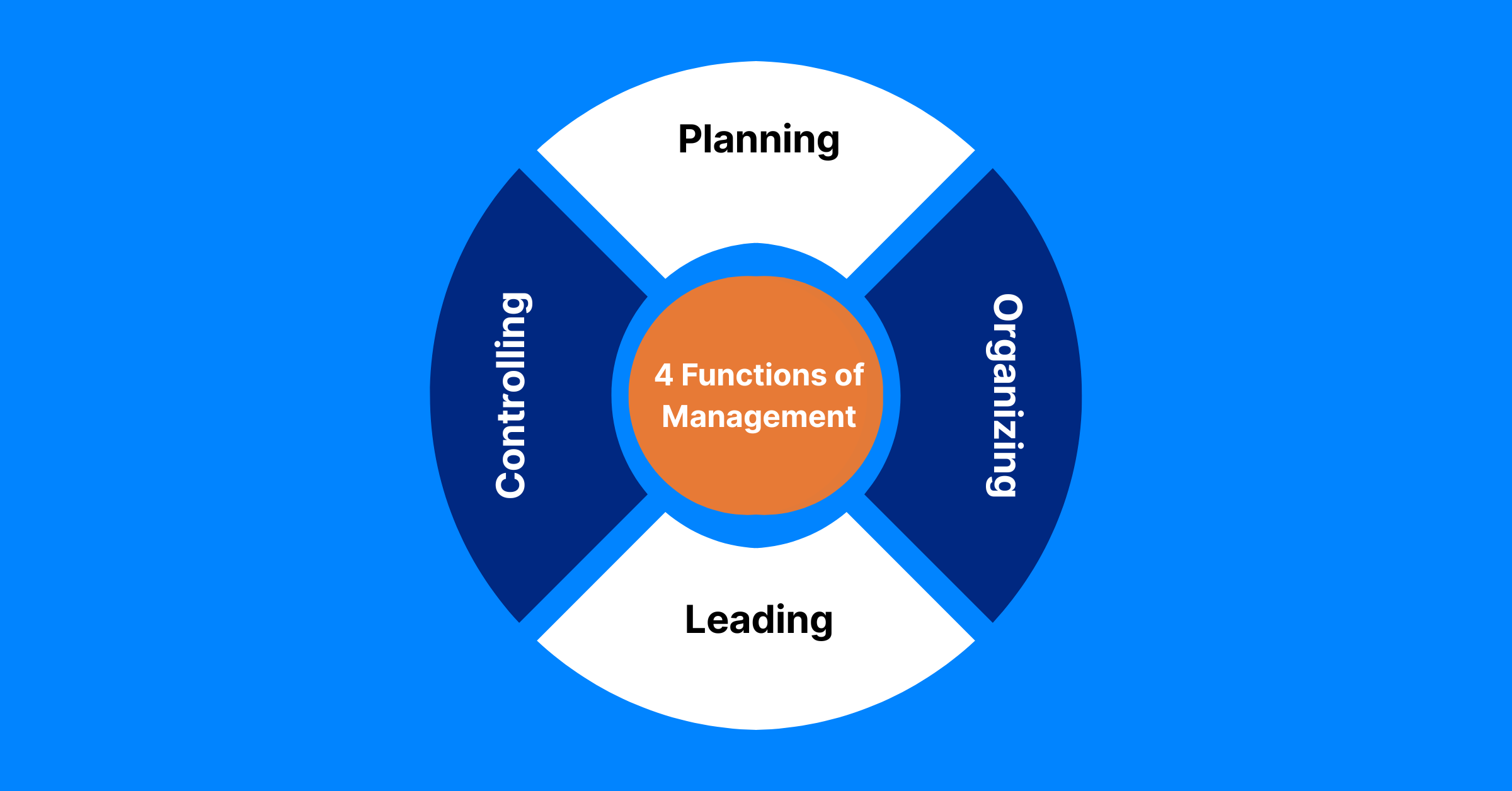
- The 4 Functions of Management: What Managers Need to Know
- 7 Essential Human Resources Skills Every Professional Needs to Excel
Related Articles























































![What is an Effective Resource Management Plan Template [Free Download]](/marketing/blog/resource-management-plan-template.webp)

Subscribe for Expert Tips
Unlock expert insights and stay ahead with TaskFord. Sign up now to receive valuable tips, strategies, and updates directly in your inbox.