How to Prevent Resource Constraints with Proactive Planning
Explore the effective ways to prevent resource constraints through proactive planning. Improve allocation, forecasting, and overall resource management.
Every project relies on resources like people, time, money, and materials working in harmony. When any of these fall short, progress slows, quality drops, and frustration rises. These challenges are known as resource constraints, and they’re among the most common causes of project delays and cost overruns.
Preventing resource constraints doesn’t mean having endless capacity. It means planning intelligently, anticipating limitations, and making informed adjustments before they affect outcomes. This article explores the different types of resource constraints, why they occur, and how proactive planning can help you manage resources more efficiently.
Understanding Resource Constraints
What Are Resource Constraints
Resource constraints are limitations on the availability of resources required to complete a project, where the demand for those resources exceeds what is currently accessible.
These resources can include people, time, budget, or physical assets such as tools, equipment, and materials. When any of these are limited, they restrict how quickly or effectively work can be completed.
For example, a project may require five designers but only three are available, or a critical piece of equipment may already be in use on another project. In both cases, the shortage creates a constraint that slows progress and forces adjustments to plans.
The Impact Of Resource Constraints
When resource constraints are not addressed early, they can disrupt multiple aspects of a project at once.
- Missed deadlines and rework: Limited resources slow down task completion, causing timelines to slip. Incomplete or rushed work often needs to be revisited, creating additional delays.
- Uneven workloads and employee burnout: When resources are stretched, work is often redistributed unevenly. Some team members become overloaded while others remain underutilized, leading to fatigue and reduced morale.
- Compromised quality: Time pressure and limited capacity can force teams to cut corners. This increases the risk of errors, defects, and outcomes that don’t meet expectations.
- Increased costs: Resource shortages often lead to last-minute fixes such as overtime, expedited procurement, or external hiring, all of which drive up project costs.
- Reduced stakeholder confidence: Frequent delays or quality issues can erode trust among clients and stakeholders, making future collaboration more difficult.
Types of Resource Constraints
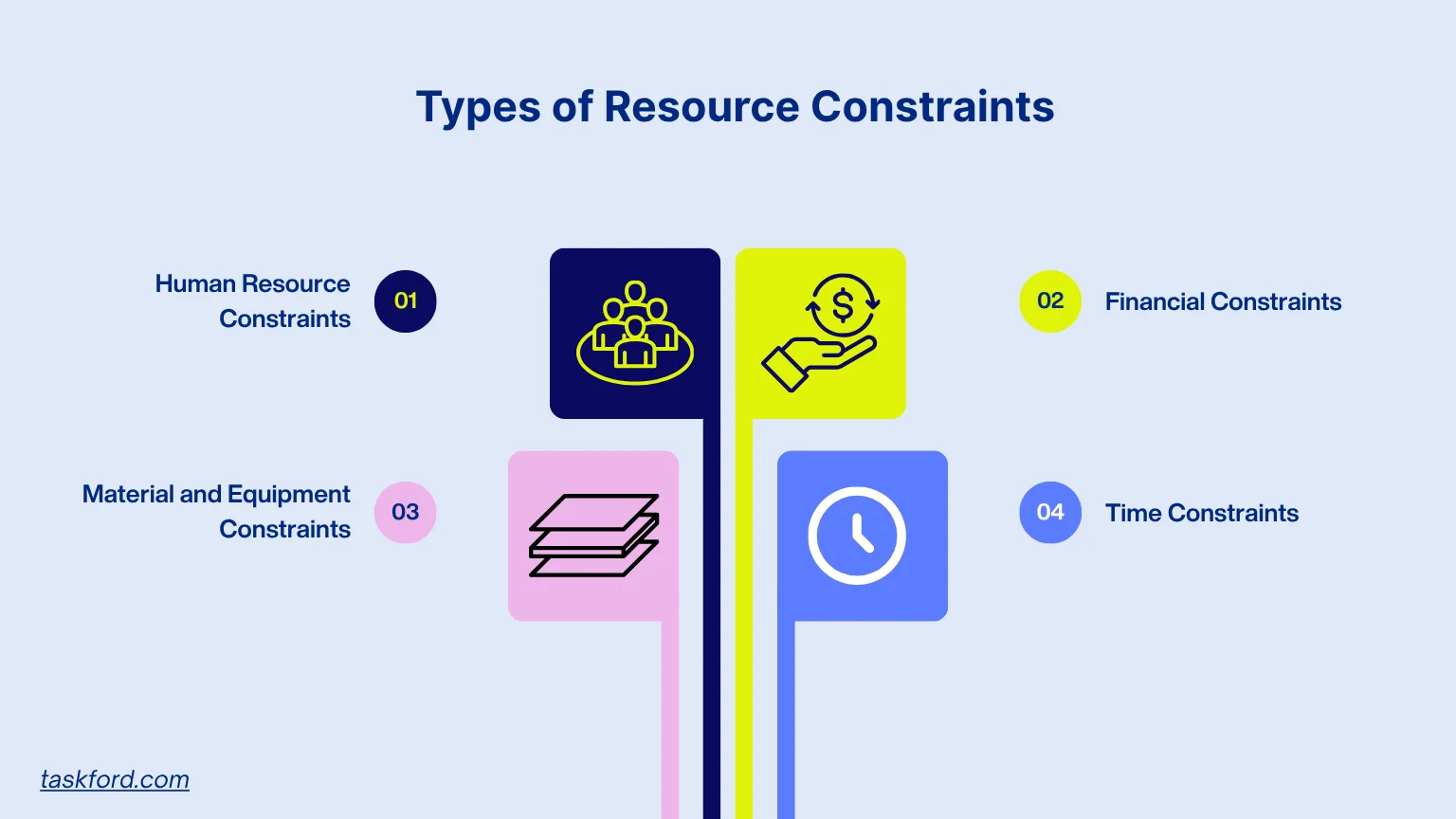
Resource constraints take several forms. Understanding the main categories helps identify where vulnerabilities exist and what kind of proactive measures to take.
1. Human Resource Constraints
Human resource constraints occur when there are not enough people, or not enough of the right skills, to complete project tasks effectively.
These are the most frequent and often the most disruptive. They include:
- Shortages of skilled professionals
- Overloaded employees due to poor task distribution
- Unplanned absences or turnover
- Lack of cross-functional training
Without adequate staff or skill coverage, even simple tasks can become bottlenecks that slow the entire project. This is why noticing these constraints are as important as other types.
2. Financial Constraints
Financial constraints arise when the available budget is insufficient to support the project’s planned activities and resource needs. Common signs include:
- Budgets that don’t align with project goals
- Insufficient cost buffers for unexpected needs
- Delays in resource procurement due to cash flow issues
Financial limitations can also lead to domino effects across other resources, leading to fewer materials, lower-quality tools, or reduced hiring capacity.
3. Material and Equipment Constraints
Physical assets are just as critical as people and budgets. Material and equipment constraints occur when the physical resources required for a project are unavailable, delayed, or inadequate. Projects suffer when:
- Tools, machines, or technology are unavailable or outdated
- Supply chain delays prevent timely delivery of materials
- Shared assets are overbooked across projects
These constraints are particularly common in industries like construction, manufacturing, and IT services. Not managing these constraints properly could lead to loss of trust.
4. Time Constraints
Time is the resource that governs all others. Constraints occur when schedules are unrealistic, dependencies are overlooked, or tasks take longer than estimated. This often leads to rushed work, higher error rates, and reduced overall efficiency.
Each constraint type is interconnected. For example, limited time may cause rushed hiring (human constraint) or emergency purchases (financial constraint). Proactive planning helps you manage these relationships holistically.
Root Causes of Resource Constraints
To prevent resource constraints effectively, it’s crucial to understand what causes them in the first place. Some common root causes include:
- Inaccurate forecasting: Project managers may underestimate or overestimate resource needs, leading to overallocation, shortages, or inefficient use of capacity.
- Poor visibility: Resource data is often spread across multiple tools or teams, making it difficult to track real-time availability and identify potential conflicts early.
- Unclear priorities: Teams may focus on low-impact tasks while critical work is delayed, resulting in misused resources and slower progress.
- Lack of collaboration: When teams don’t communicate openly about capacity or constraints, issues are often discovered too late, after they have already affected timelines.
- Rigid planning: Plans that leave no room for change can quickly break down when unexpected events occur, creating bottlenecks and resource strain.
Most of these problems can be avoided through proactive resource management that prioritizes data, flexibility, and continuous review.
The Role of Proactive Planning
Proactive planning is the process of anticipating future resource needs and risks, then designing strategies to address them before they occur. Instead of reacting to shortages, you plan for them. Proactive resource planning involves three core principles:
- Forecasting: Predict what resources will be needed and when.
- Balancing: Align resource supply with project priorities.
- Monitoring: Continuously review usage and performance to stay ahead of potential shortages.
This mindset shifts resource management from a reactive firefight to a preventive strategy that protects both productivity and morale.
How Proactive Planning Prevents Resource Constraints
The key to preventing resource constraints lies in taking deliberate, forward-looking actions. Below are practical methods that project managers can implement.
1. Conduct Detailed Resource Forecasting
Accurate resource forecasting allows you to anticipate resource demand before work begins. Review project scopes, timelines, and deliverables to identify what skills, tools, and materials will be needed.
Useful steps include:
- Reviewing past project data to estimate future workloads
- Assessing staff capacity and expertise
- Accounting for external dependencies such as vendor schedules or seasonal demand
- Factoring in holidays, maintenance periods, and potential disruptions
Forecasting software or capacity planning tools can help visualize availability across projects. This visibility enables informed decisions about hiring, outsourcing, or rescheduling work before bottlenecks form.
2. Prioritize Tasks and Allocate Resources Strategically
Not every task contributes equally to project success. Proactive planning means focusing limited resources on what matters most.
Use methods such as:
- Priority scoring frameworks (like MoSCoW or RICE) to rank tasks by importance and impact
- Dependency mapping to identify which activities must happen first
- Scenario planning to see how reallocating resources might affect timelines
Strategic allocation ensures critical tasks always have what they need while minimizing idle capacity in less urgent areas.
3. Build Flexibility into Resource Plans
Plans that assume everything will go perfectly are destined to fail. Proactive project managers build flexibility into every layer of their plans. Some effective approaches include:
- Creating buffer time between milestones
- Cross-training team members so they can cover each other’s roles
- Keeping a list of reliable backup vendors or contractors
- Setting aside contingency budgets for unplanned expenses
Flexibility doesn’t mean overplanning. It means being ready to adjust quickly when reality doesn’t match projections.
4. Strengthen Communication and Transparency
Many resource constraints worsen because teams don’t share information early enough. Transparent communication ensures that issues are visible before they cause delays. Practical actions include:
- Holding weekly resource review meetings
- Using centralized dashboards where everyone can see workloads and progress
- Encouraging team members to report early signs of overload or idle time
When everyone understands the broader resource picture, collaboration improves and bottlenecks are resolved faster.
5. Monitor and Adjust Continuously
Proactive planning isn’t a one-time activity. Projects evolve, and so should your resource strategy.
Monitor resource utilization using key indicators such as:
- Utilization rate: Are team members working at sustainable levels?
- Overtime hours: Are workloads balanced?
- Budget variance: Is spending staying within plan?
- Task completion rate: Are deliverables on track?
Regular performance reviews allow managers to rebalance allocations, reforecast demand, and avoid repeating past mistakes.
Metrics to Measure Resource Constraint Prevention Success
To evaluate how well proactive planning is working, track specific metrics related to resource health and project outcomes.
Key performance indicators include:
- Resource Utilization: The percentage of available capacity that’s being productively used. Too high indicates overload; too low suggests inefficiency.
- Schedule Adherence: Measures whether projects are meeting planned milestones and delivery dates.
- Budget Adherence: Tracks how closely actual spending matches forecasts.
- Employee Satisfaction: High engagement often signals balanced workloads and sustainable pacing.
- Project Throughput: The number of completed projects or deliverables over a given time period.
Monitoring these indicators regularly helps confirm that proactive resource planning is genuinely reducing constraints, not just masking them.
Using TaskFord to Prevent Resource Constraints
Spreadsheets and manual trackers are prone to human error and can’t provide real-time insights. Modern resource management tools simplify proactive planning by centralizing data and automating key processes.
TaskFord, an integrated work delivery platform, provides tools that give teams full visibility and control over their resources, making it simpler to plan ahead.
Overview Board for Workload Balancing
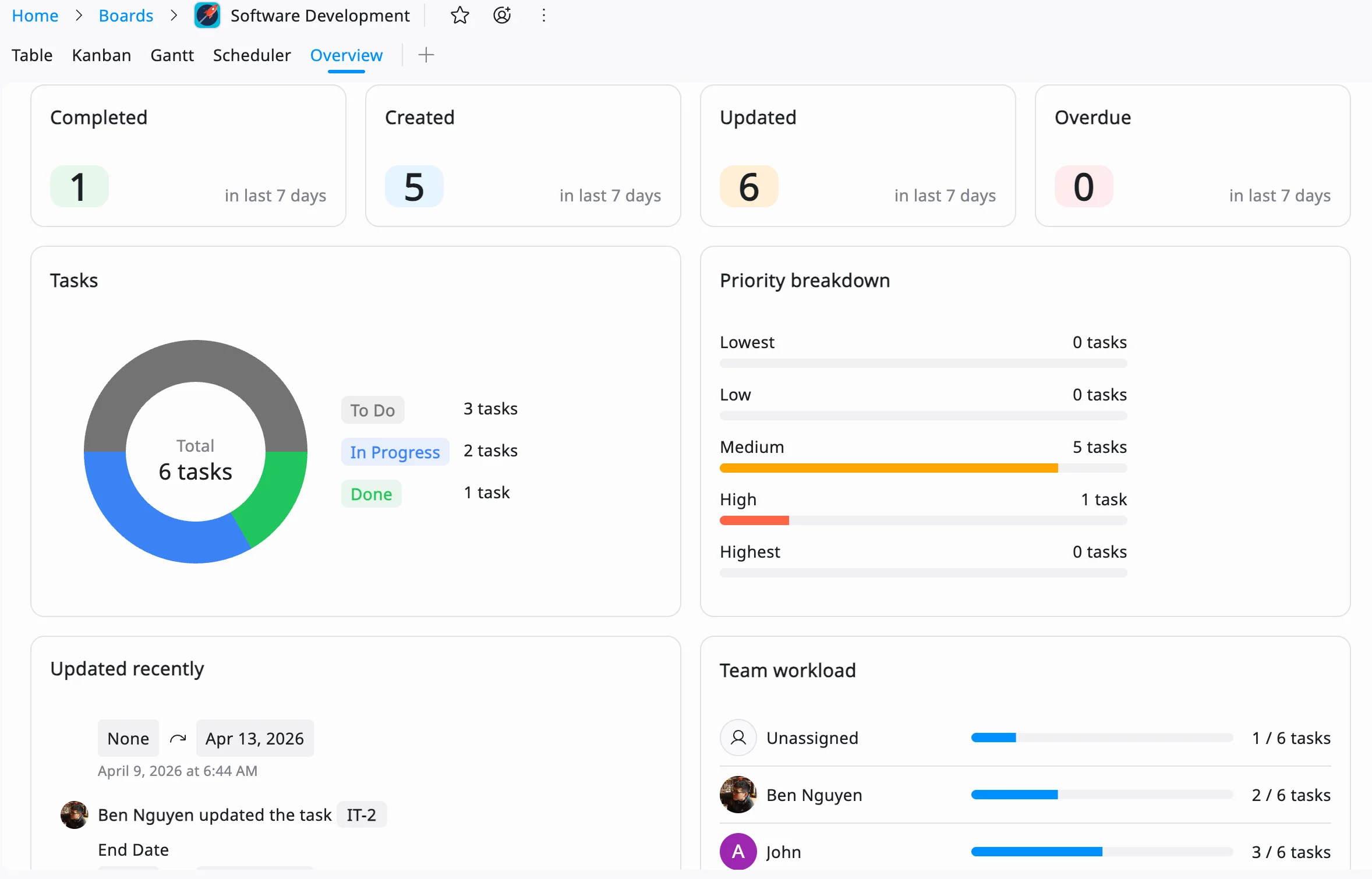
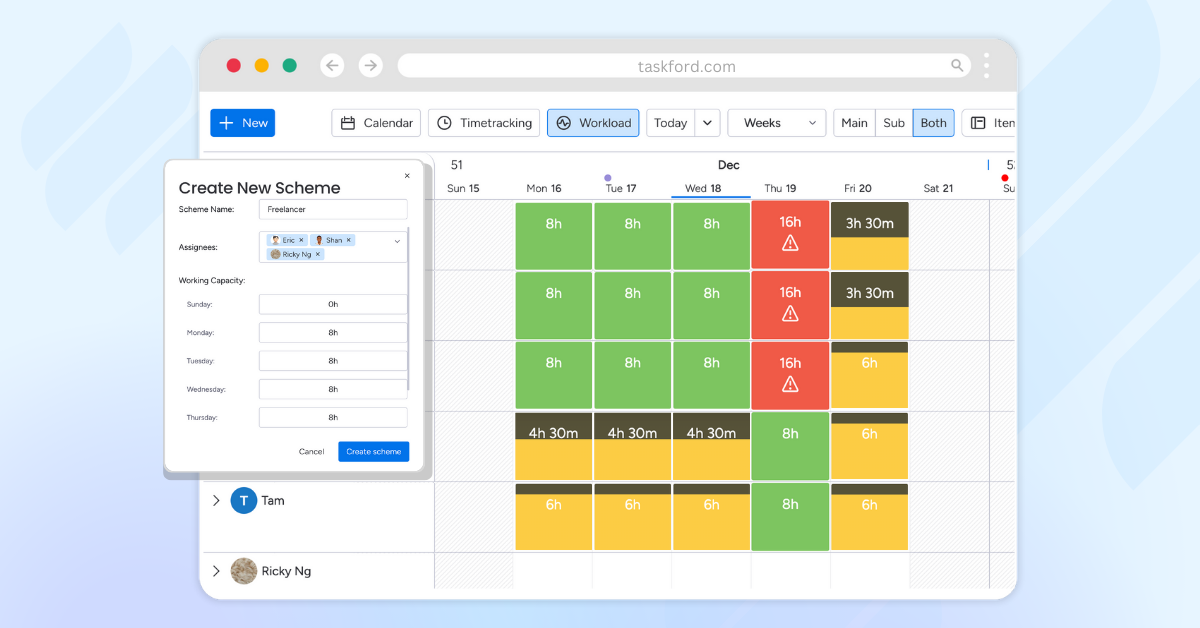
TaskFord provides an Overview Board that gives a high-level view of all ongoing tasks and team workloads. Managers can quickly identify overloaded team members, underutilized capacity, and stalled work, making it easier to rebalance tasks before bottlenecks develop.
Kanban Boards for Balancing Daily Work
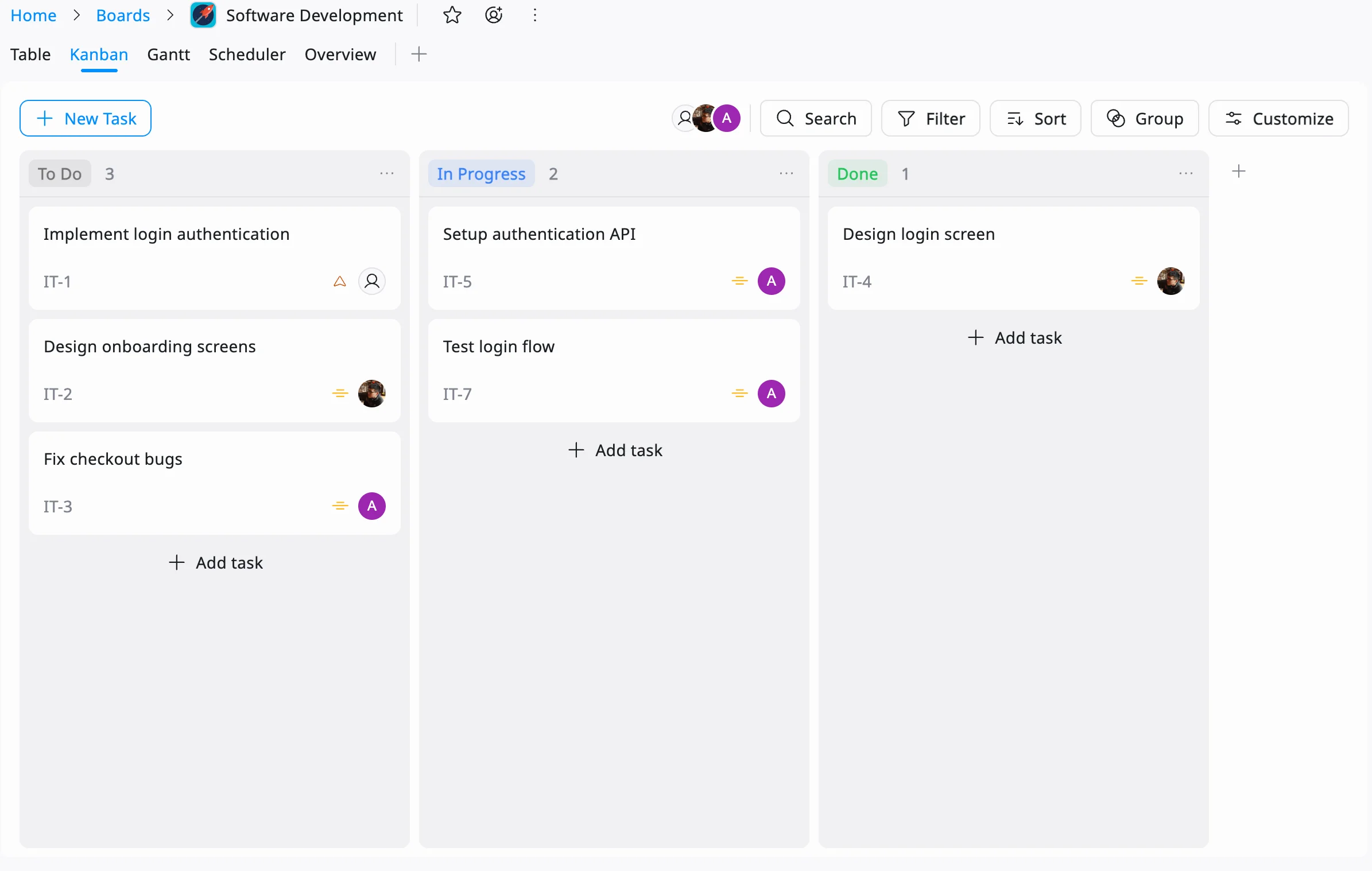
Kanban boards visualize tasks across different stages of progress, such as to-do, in progress, and completed. This makes it easy to spot workflow congestion, limit work in progress, and redistribute tasks to maintain a steady and balanced workload across the team.
Scheduler for Smart Planning
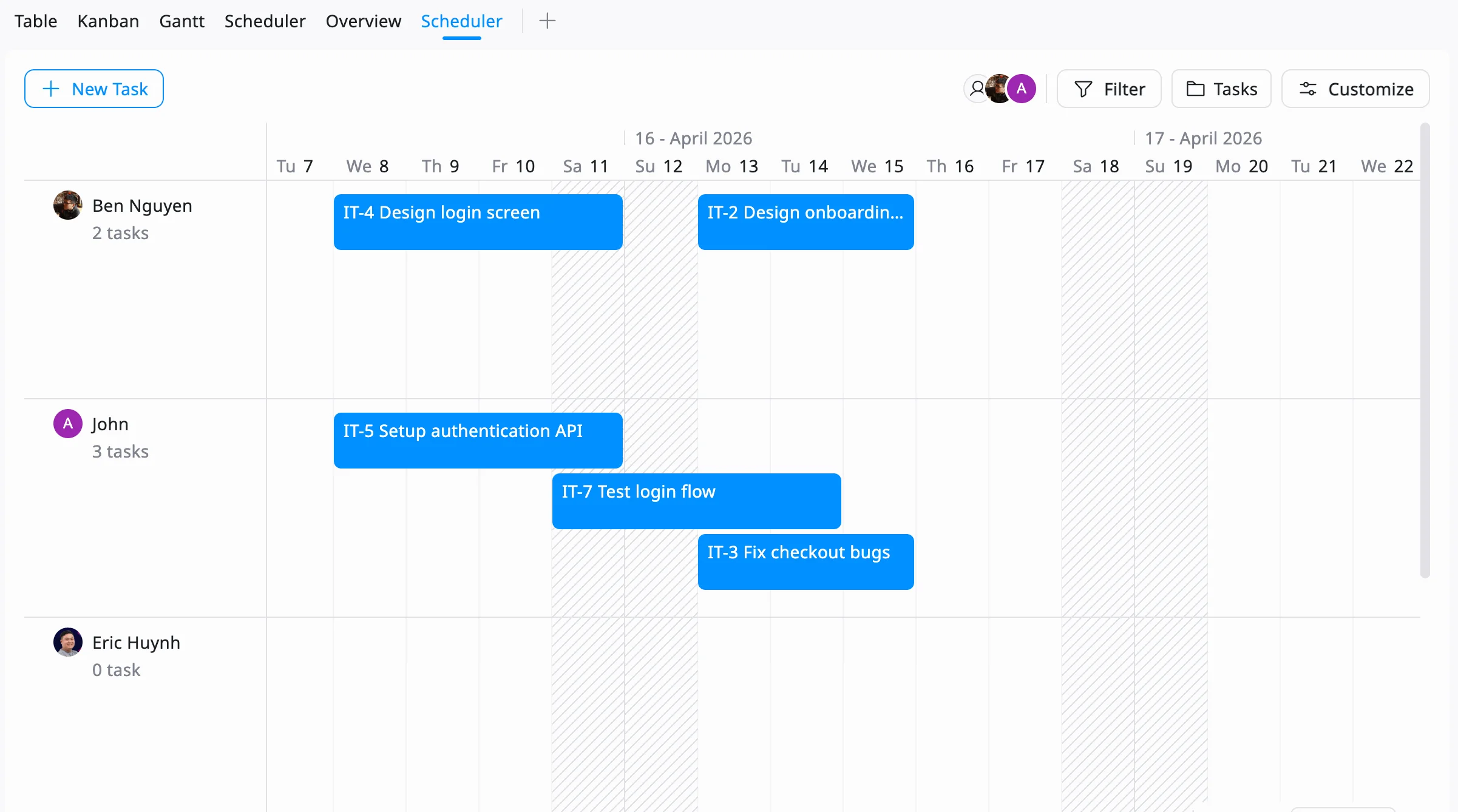
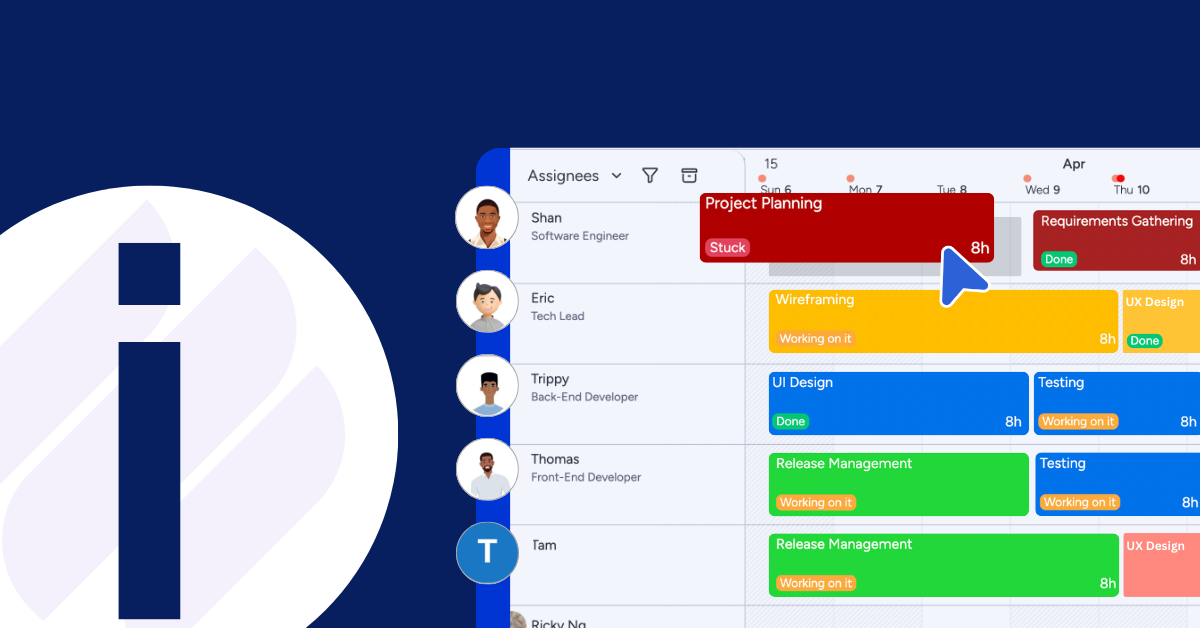
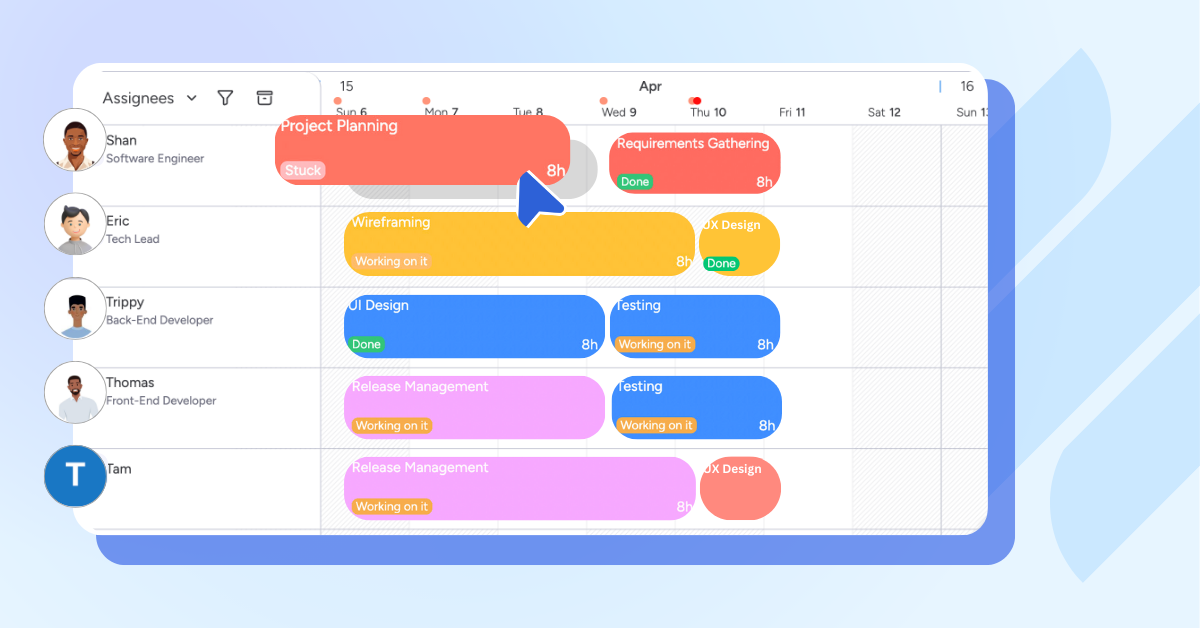
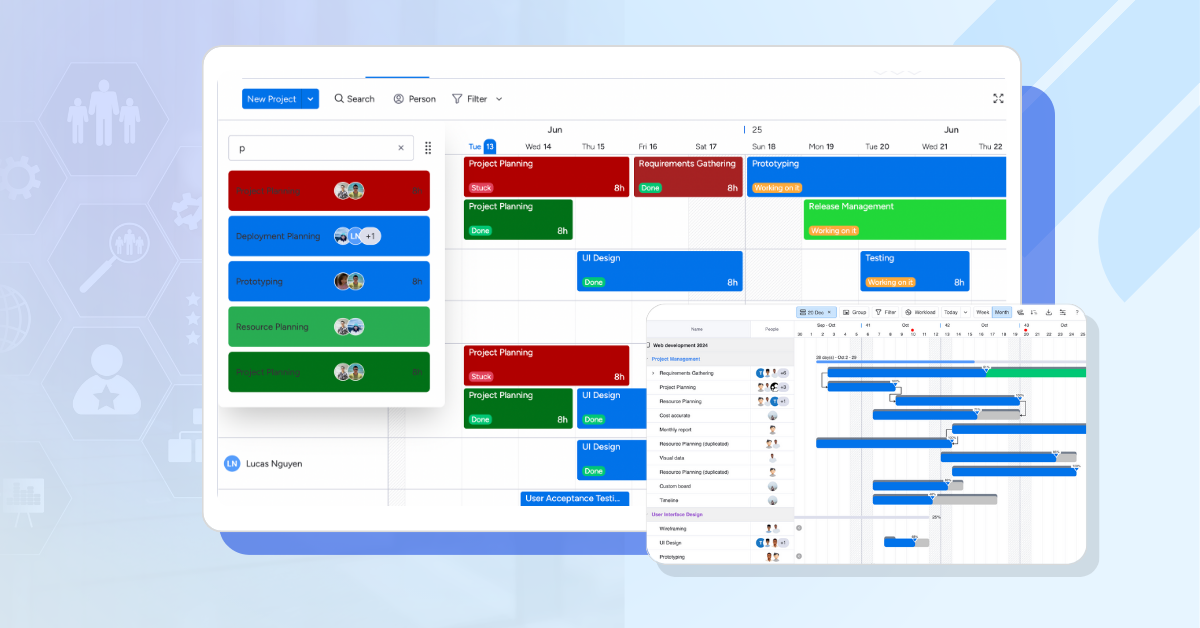
The Scheduler helps teams assign tasks based on actual availability, deadlines, and existing commitments. This prevents double-booking and ensures that plans are realistic and aligned with team capacity.
Gantt Charts for Timeline and Dependency Control
Gantt charts provide a clear view of task sequences and dependencies across the project timeline. When delays or constraints arise, managers can quickly assess the impact and adjust schedules or resources to keep work moving forward.
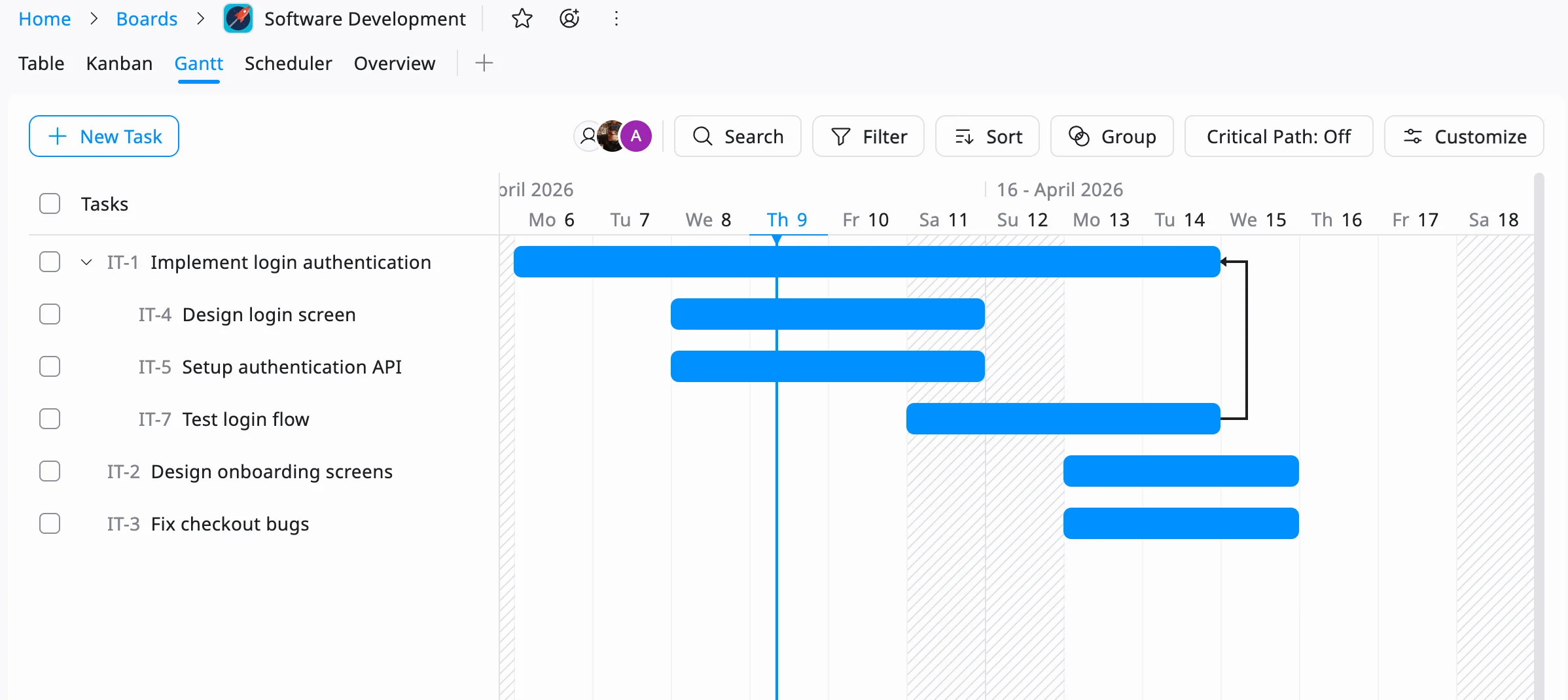
By integrating these features into daily operations, teams can make proactive planning a natural part of their resource management process rather than an occasional check-up.
Frequently Asked Questions (FAQs)
What are the most common types of resource constraints?
The most common types of resource constraints include human constraints (limited staff or skills), financial constraints (restricted budgets), material or equipment constraints (unavailable or delayed resources), and time constraints (tight or unrealistic deadlines).
How do you prevent resource constraints?
Resource constraints can be prevented through proactive planning, including accurate forecasting of resource needs, clear prioritization of tasks, flexible scheduling, and continuous monitoring to adjust plans as needed.
What are common challenges related to resource constraints?
Common challenges include poor visibility into resource availability, inaccurate forecasting, unclear priorities, and lack of coordination between teams, all of which can lead to bottlenecks and project delays.
Conclusion
Resource constraints are inevitable in project-based work, but their impact isn’t. By understanding the types of constraints, identifying their root causes, and embracing proactive planning, organizations can keep projects on track and teams performing at their best.
Proactive resource management ensures that potential bottlenecks are identified before they threaten progress. It promotes balance, visibility, and adaptability, three qualities that separate successful teams from those constantly racing against shortages. The more you anticipate, the fewer crises you face. And with the right planning tools in place, preventing resource constraints becomes not just possible but practical.
Related Articles










































































![What is an Effective Resource Management Plan Template [Free Download]](/marketing/blog/resource-management-plan-template.webp)




Subscribe for Expert Tips
Unlock expert insights and stay ahead with TaskFord. Sign up now to receive valuable tips, strategies, and updates directly in your inbox.