Why Projects Miss Deadlines Even When Everyone Works Overtime
Learn why projects always miss deadlines and how effective project deadline management helps teams plan better, reduce delays, and deliver projects on time.
Imagine you’re a team leader managing an important project. The deadline has been on the calendar for weeks, everyone seems busy, and as the due date approaches, your team starts working late to catch up. You hope the extra effort will be enough, but the project is still delayed.
Sound familiar?
This happens more often than many teams would like to admit. The problem usually isn’t a lack of commitment or effort. It’s unrealistic planning, shifting priorities, uneven workloads, and limited visibility into project progress.
Effective project deadline management helps teams address these issues early, making it easier to deliver projects on time without relying on constant overtime. In this guide, you’ll learn why projects miss deadlines and the practical strategies that help keep them on track.
Why More Hours Rarely Lead to Faster Project Delivery
Working overtime may seem like the fastest way to recover a delayed project, but it often creates new problems instead of solving existing ones.
- Overtime treats the symptom, not the cause. Extra hours cannot fix unrealistic schedules, poor estimates, or changing project scope. Unless the underlying issues are addressed, delays will continue.
- Productivity declines after long workdays. As fatigue sets in, mistakes become more common, leading to rework, lower quality, and eventually burnout.
- Hidden work keeps growing. Meetings, reviews, approvals, status updates, and context switching consume valuable time that is rarely included in project schedules. When this invisible work is ignored, deadlines become unrealistic from the start.
What Is Project Deadline Management?
Project deadline management is the process of setting, tracking, and meeting deadlines throughout a project’s lifecycle. It goes beyond assigning due dates to tasks. It involves creating realistic timelines, monitoring progress, managing dependencies, and adjusting plans when priorities or challenges change.
Effective deadline management balances ambitious goals with realistic expectations. It helps teams understand how long work actually takes, coordinate across people and projects, and identify potential delays before they affect delivery.
As part of project management, it combines scheduling, resource planning, and progress tracking to turn project plans into achievable timelines, making it easier for teams to deliver work on schedule without relying on constant overtime.
Read also: What Is Resource Planning?
The Real Reasons Projects Miss Deadlines
Unrealistic Deadlines and Poor Estimates
Many deadlines are unrealistic before work even begins. Research on uncertain estimation shows that people naturally underestimate the time and effort required to complete future tasks, making overly optimistic project schedules more common than many teams realize. As a result, schedules leave little room for delays.
Scope Creep and Constantly Shifting Priorities
Not every delay comes from poor estimates. Sometimes the project itself keeps changing. Scope creep happens when new requests are added without adjusting the timeline. It often starts with seemingly minor changes but gradually expands the workload.
- New features are added after planning.
- Stakeholders regularly change priorities.
- Teams switch focus before completing planned work.
- Deadlines stay the same despite additional work.
Poor Communication and Unclear Ownership
When no one is sure who owns a task, work slows down. Unclear requirements, vague responsibilities, and inconsistent communication often lead to duplicated effort or rework. A shared project plan with clearly assigned owners helps everyone understand what needs to be done and when it’s considered complete.
Fragmented Work and Constant Context Switching
Imagine spending an hour writing a report, only to be interrupted by three meetings, two Slack messages, and an urgent request from another project. By the time you return, you have to rebuild your focus before making progress again.
Frequent interruptions have a measurable impact on productivity. Research from the University of California, Irvine found that after an interruption, it takes an average of about 23 minutes for workers to fully return to their original task. Invisible work such as planning, research, and administrative tasks only adds to the challenge.
Uneven Workloads and Resource Constraints
Not all delays are caused by the schedule. Teams can meet resource constraints when they least expect them. Sometimes the right people simply aren’t available. A single overloaded designer, developer, or reviewer can become a bottleneck that delays everyone waiting on their work. Regular workload reviews help distribute work more evenly and reduce these risks.
Lack of Visibility and Project Tracking
Projects are difficult to manage when information is scattered across spreadsheets, email threads, and chat conversations. Without a centralized view, managers often can’t answer questions like:
- Which tasks are behind schedule?
- Who is overloaded?
- What dependencies are blocking progress?
- Which milestones are at risk?
By the time those answers become clear, the deadline is often only days away.
Deadline Management: How to Prevent Missed Deadlines
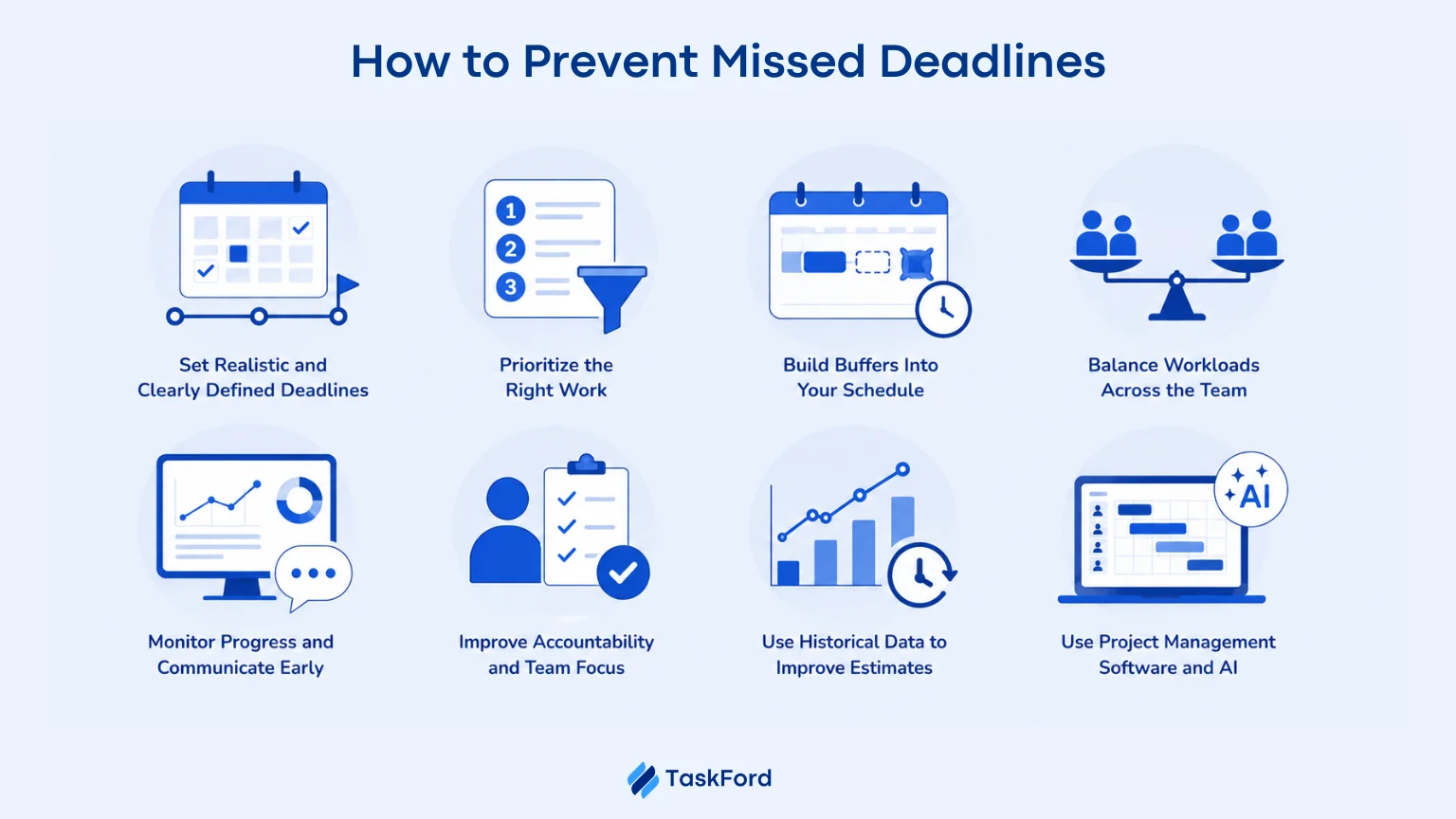
Set Realistic and Clearly Defined Deadlines
A realistic deadline starts with a clear understanding of the work involved. Teams should estimate based on actual project scope, available resources, dependencies, and potential risks instead of best-case assumptions. Breaking large deliverables into smaller tasks also makes timelines easier to estimate and track. Clear expectations around what “done” means help prevent confusion and unnecessary rework.
Prioritize the Right Work
Not every task has the same impact on project success. Treating every request as equally urgent can spread resources too thin and make important work compete with lower-value activities. Teams should prioritize tasks based on factors such as:
- Business impact
- Project dependencies
- Customer or stakeholder needs
- Delivery risks
Frameworks like the MoSCoW Method or Eisenhower Matrix can help teams separate critical work from tasks that can be delayed, delegated, or removed.
Build Buffers Into Your Schedule
Even well-planned projects can face unexpected delays. A team member may become unavailable, a stakeholder review may take longer than expected, or a technical issue may require additional time to resolve. Instead of planning every task with zero room for error, teams should build buffers around key milestones.
Example: Without vs With Buffer Time
| Without Buffer | With Buffer |
|---|---|
| A software feature is estimated to take two weeks to develop. The team schedules the release immediately after development is complete. When testing reveals bugs or stakeholders request changes, the release date is pushed back. | The team schedules two weeks for development, followed by additional time for testing, feedback, and fixes. If unexpected issues appear, the buffer absorbs the delay without affecting the final deadline. |
The goal is not to create overly flexible schedules. It is to create realistic timelines that account for uncertainty and give teams enough room to handle problems without relying on last-minute overtime.
Balance Workloads Across the Team
Projects often miss deadlines when too much work is assigned to a small number of people. Do resource optimization by tracking team capacity helps managers identify overloaded members and redistribute tasks before bottlenecks affect delivery.
Example: You can calculate your team workload and utilization based on this formula:
Resource Utilization = (Scheduled Hours ÷ Available Hours) × 100
| Team Member | Available Hours | Assigned Hours | Utilization |
|---|---|---|---|
| Annie | 40 | 32 | 80% |
| Ben | 40 | 40 | 100% |
| Joey | 40 | 48 | 120% |
| Jennifer | 40 | 24 | 60% |
As you can see, Joey is overallocated at 120%, while Jennifer has available capacity. Redistributing some tasks helps balance workloads and reduces the risk of delays.
Monitor Progress and Communicate Early
A project can quickly fall behind when problems are discovered too late. Regular progress checks help teams identify blockers, adjust priorities, and address risks before they become major delays. Encourage team members to communicate issues early instead of waiting until a deadline is approaching.
Improve Accountability and Team Focus
Clear ownership keeps work moving. Every task should have a responsible owner who understands their responsibilities, expected outcome, and delivery date. Teams should also reduce unnecessary interruptions and limit excessive work in progress.
Example: Clear Task Ownership
| Task | Owner | Deadline | Expected Outcome |
|---|---|---|---|
| Create landing page design | UI Designer | May 10 | Approved page layout ready for development |
| Develop landing page | Frontend Developer | May 17 | Responsive page completed and tested |
| Review and provide feedback | Marketing Manager | May 20 | Final approval before launch |
When ownership is clearly defined, everyone knows what they are responsible for and when their work needs to be completed. This reduces confusion, prevents tasks from being overlooked, and keeps the project moving forward.
Use Historical Data to Improve Estimates
Past projects can provide valuable insights into future timelines. Reviewing previous work helps teams understand common delays, improve estimates, and plan resources more accurately. Instead of relying only on assumptions, teams can use real project data to create more realistic delivery forecasts.
Leverage Project Management Software and AI
The right tools make deadline management easier by providing visibility into tasks, progress, workloads, and dependencies. Project management software can help teams track deadlines, automate updates, and identify risks earlier. AI-powered insights can further support planning by highlighting potential delays and suggesting adjustments before problems impact delivery
How TaskFord Supports Project Deadline Management
Keeping projects on schedule requires more than assigning deadlines. Teams need visibility into tasks, workloads, and progress to identify risks early and make adjustments before delays happen. TaskFord helps teams manage deadlines by bringing project planning, task tracking, resource planning, and reporting into one platform.
Kanban View
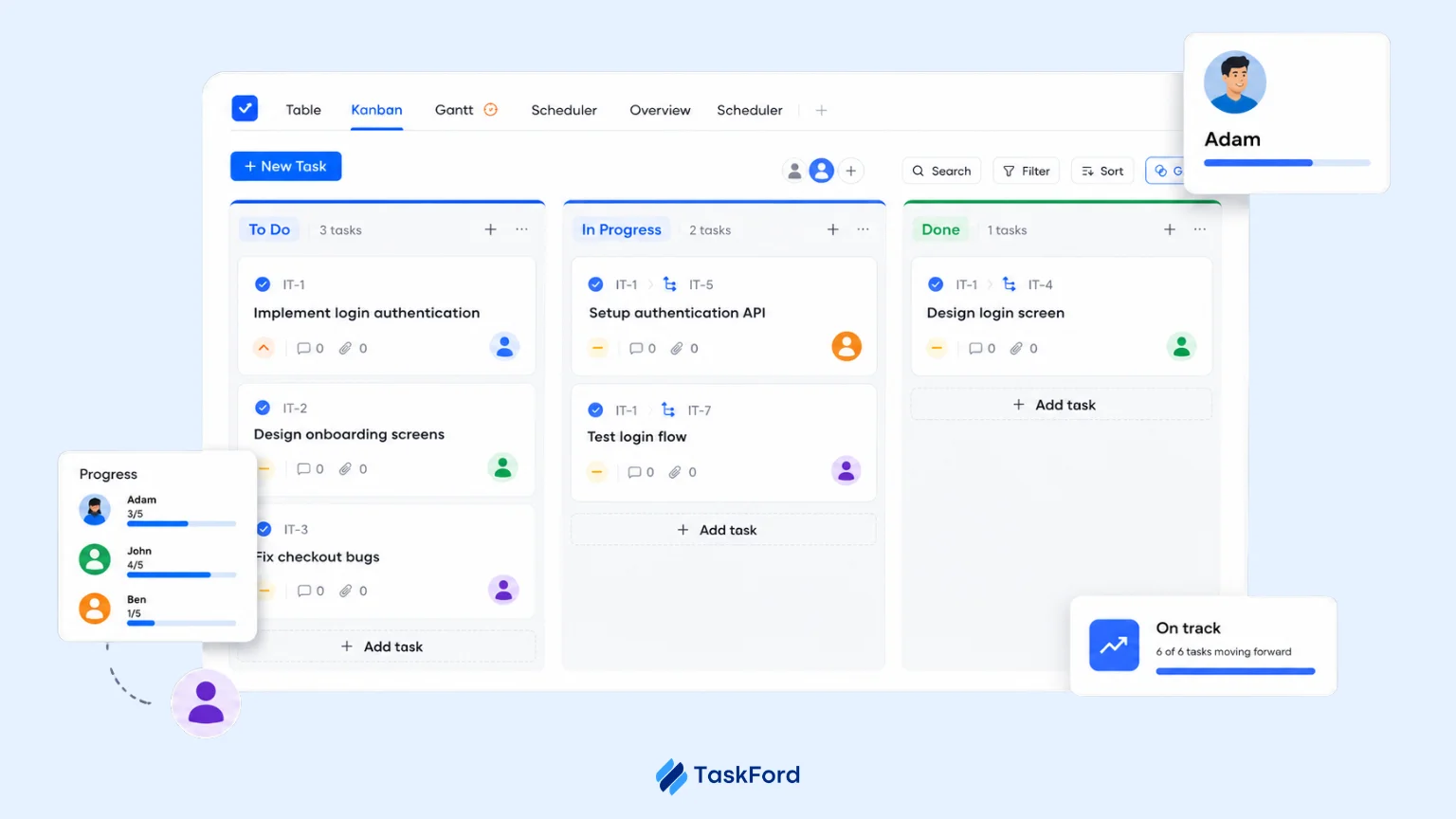
Kanban boards give teams a clear view of work progress, making it easier to track what is planned, in progress, blocked, or completed.
By visualizing tasks across different stages, teams can quickly identify bottlenecks and prevent unfinished work from piling up. Task owners, priorities, and deadlines are visible in one place, helping everyone stay aligned on what needs attention.
Calendar View
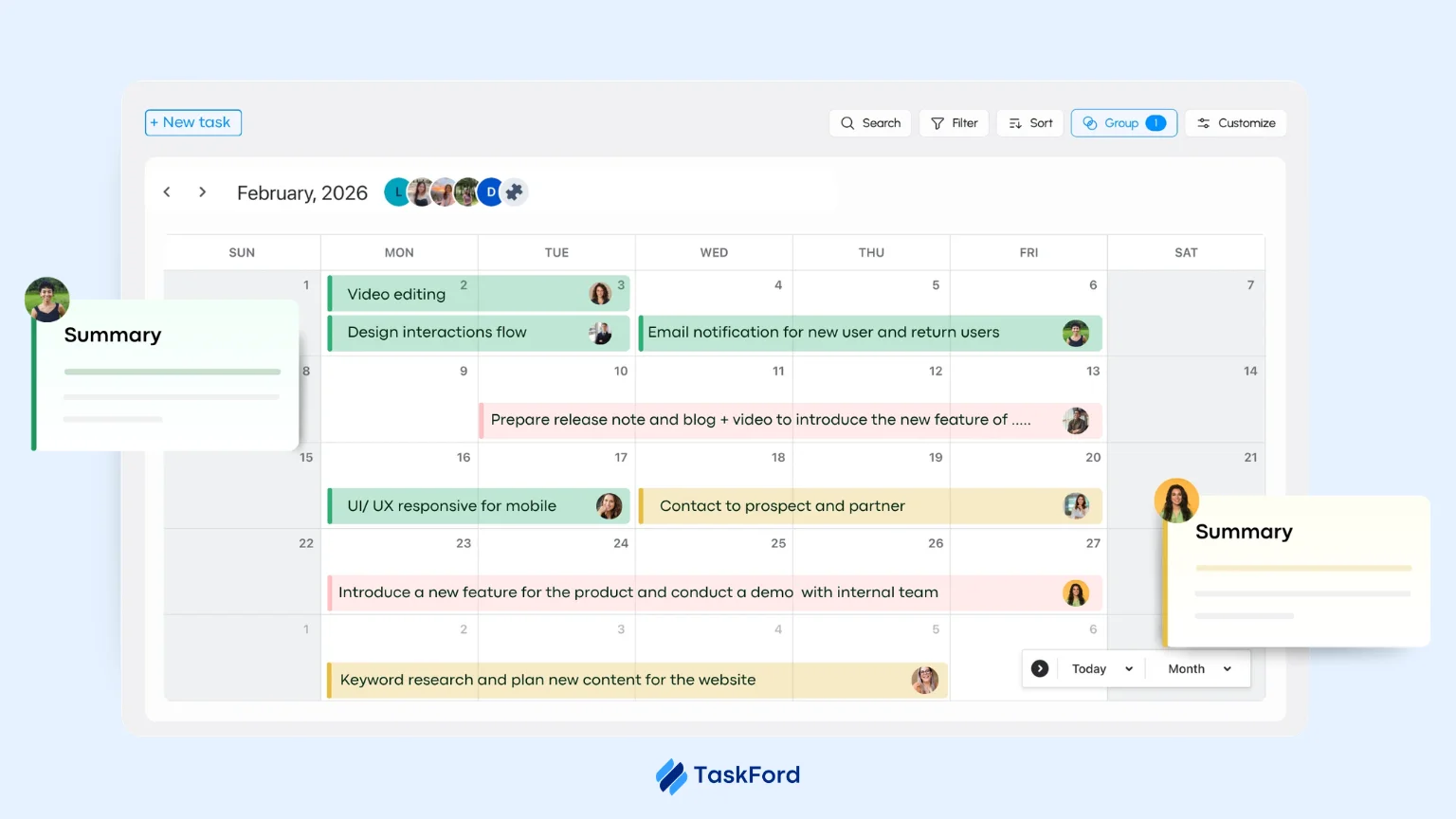
Calendar View helps teams manage deadlines and important milestones across projects. Instead of tracking due dates across separate spreadsheets or messages, teams can see upcoming tasks and delivery dates in a single timeline.This makes it easier to plan ahead, spot scheduling conflicts, and ensure important deadlines are not overlooked.
Reporting Dashboard
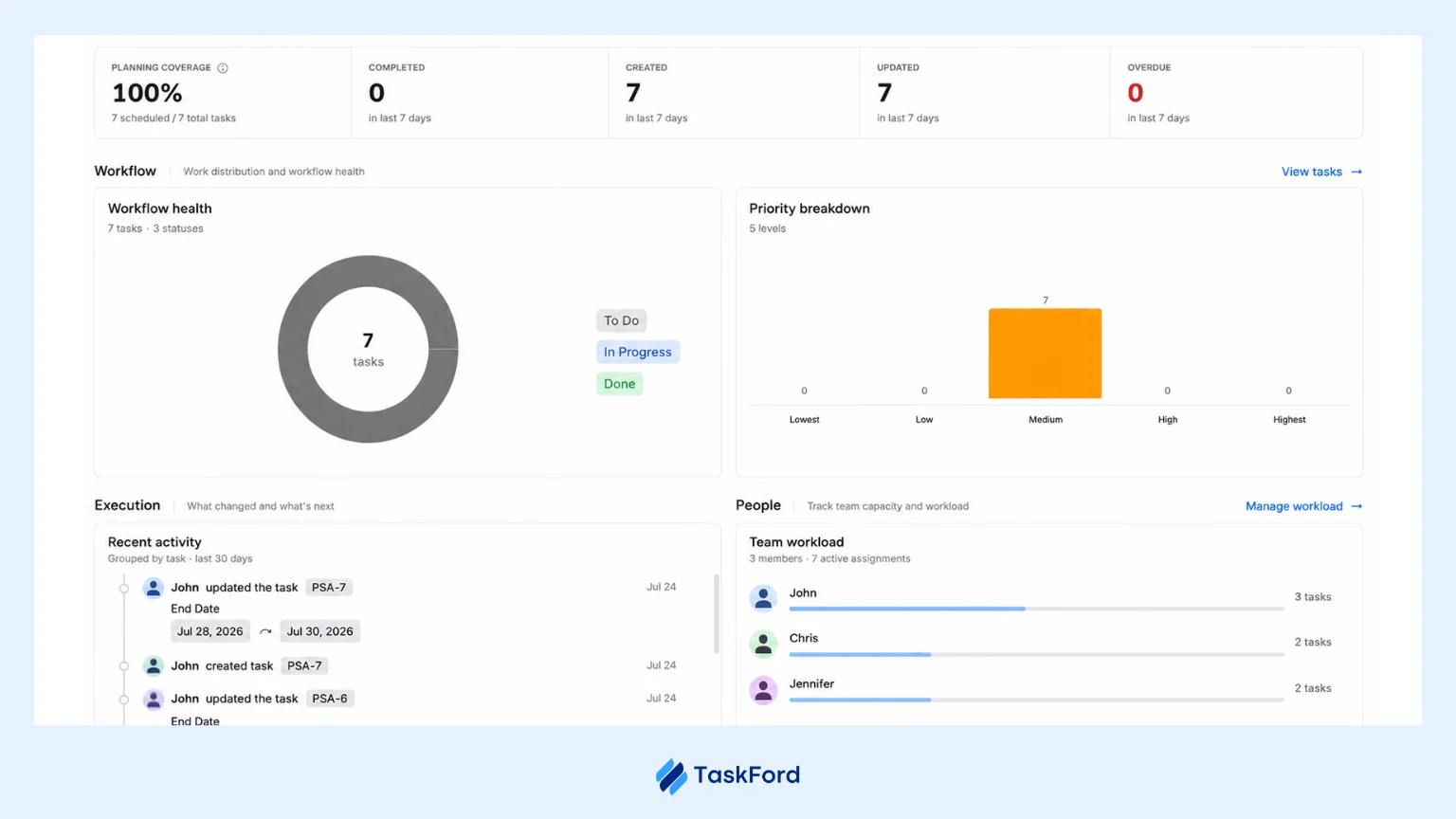
The Reporting Dashboard provides insights into project progress, workload distribution, and overall performance. Managers can use these insights to understand whether projects are on track and where potential delays may occur. With better visibility into progress and resources, teams can make data-driven decisions, adjust plans early, and improve the predictability of project delivery.
Frequently Asked Questions (FAQs)
How can I keep track of deadlines for multiple projects?
Use a centralized project management tool to manage tasks, milestones, and deadlines across all projects in one place. Features such as Calendar View, Kanban boards, and progress dashboards make it easier to monitor schedules, identify conflicts, and keep every project on track.
What should I do if project deadlines are conflicting?
Prioritize work based on business impact, project dependencies, and available team capacity. Reassign tasks where possible and communicate with stakeholders early if timeline adjustments are necessary. Addressing conflicts proactively helps minimize delays and keeps expectations aligned.
How much buffer time should I include in a project schedule?
The ideal amount of buffer depends on the project’s complexity and level of uncertainty. As a general guideline, reserving 10% to 20% of the overall project timeline can help absorb unexpected issues such as scope changes, stakeholder feedback, or technical challenges without affecting the final deadline.
What is the biggest reason projects miss deadlines?
Missed deadlines are rarely caused by a lack of effort. More commonly, they result from unrealistic estimates, scope creep, poor communication, uneven workloads, and limited visibility into project progress. Improving project deadline management helps teams identify these risks early and prevent delays before they impact delivery.
Conclusion
Working longer hours isn’t a sustainable solution to missed deadlines. While overtime may help in the short term, it doesn’t address the planning, communication, and resource challenges that cause projects to fall behind in the first place.
Effective project deadline management focuses on setting realistic timelines, balancing workloads, tracking progress, and identifying risks early. With the right processes and tools in place, teams can deliver projects more predictably, reduce last-minute firefighting, and meet deadlines without relying on constant overtime. predictably, reduce last-minute firefighting, and meet deadlines without relying on constant overtime.
Related Articles

















































































![What is an Effective Resource Management Plan Template [Free Download]](/marketing/blog/resource-management-plan-template.webp)




Subscribe for Expert Tips
Unlock expert insights and stay ahead with TaskFord. Sign up now to receive valuable tips, strategies, and updates directly in your inbox.