Bridging Marketing Creativity and Accountability With Resource Management Systems
Discover and learn how resource management systems help marketing teams balance creativity and accountability while improving campaign planning and execution.
Marketing teams are the heartbeat of any business aiming to capture attention and build brand loyalty. They juggle creative campaigns, tight deadlines, and shifting priorities while striving to deliver measurable results. Without a structured approach to managing resources, even the most imaginative marketing ideas can falter. A resource management system bridges the gap between creativity and accountability, enabling teams to balance innovation with efficiency.
This blog explores how these systems optimize resource planning, empower marketing teams, and drive campaigns that resonate with audiences.
What Is a Resource Management System?
A resource management system is a tool designed to allocate, track, and optimize resources like people, time, budgets, and tools across projects. For marketing teams, it provides clarity on task assignments, resource management, time tracking, and budget allocation, ensuring campaigns align with strategic goals. Unlike general project management tools, it focuses on resource efficiency, helping teams avoid overwork and overspending while fostering creativity.
The Role of Resource Management in Marketing Success
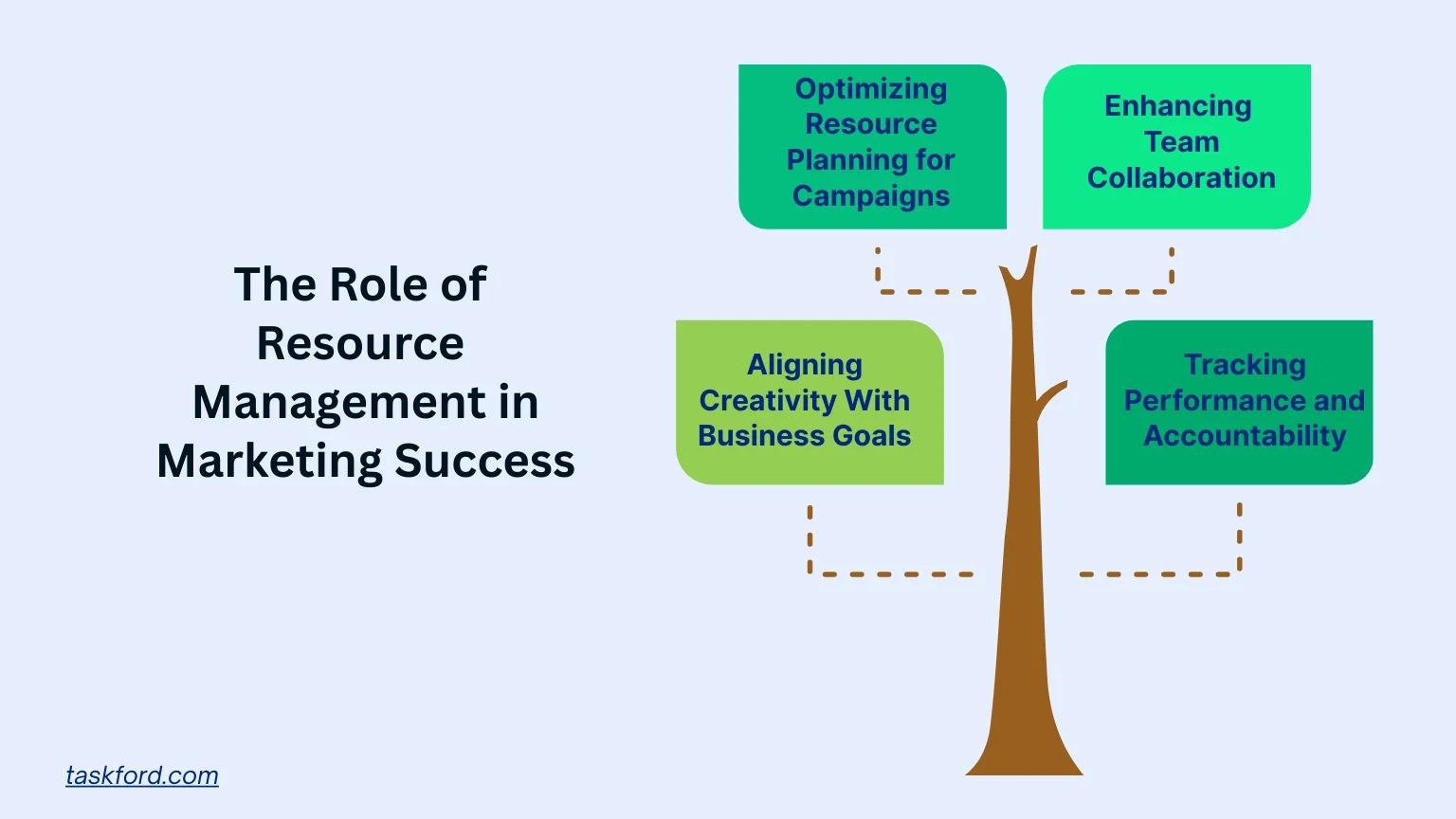
Marketing thrives on ideas, but those ideas need structure to succeed. A resource management system supports marketing teams in key ways:
Aligning Creativity With Business Goals
- Ensures creative efforts support business objectives, like boosting brand awareness or driving sales.
- Tracks resource allocation to high-impact channels, such as social media or influencer partnerships.
- Measures campaign outcomes, ensuring creativity delivers tangible results like increased traffic or engagement.
Optimizing Resource Planning for Campaigns
- Provides visibility into team availability, skills, and budget constraints.
- Assigns tasks based on expertise, ensuring the right people handle the right jobs.
- Prevents bottlenecks by forecasting resource needs, keeping campaigns on track.
Enhancing Team Collaboration
- Centralizes project timelines, task assignments, and resource availability.
- Reduces miscommunication by giving everyone a clear view of their roles.
- Enables cross-functional teams (designers, writers, analysts) to coordinate effectively.
Tracking Performance and Accountability
- Monitors time spent, budget usage, and campaign results in real time.
- Highlights underperforming strategies, allowing teams to pivot quickly.
- Ties resources to outcomes, ensuring accountability without stifling creativity.
How Resource Management Systems Solve Common Marketing Challenges
Marketing teams face unique hurdles that can derail campaigns. A resource management system tackles these challenges head-on:
Overloaded Team Members
Burnout is a risk in marketing’s fast-paced environment. A resource management system identifies overworked team members and redistributes tasks to balance workloads. For example, if a social media manager is swamped, the system flags this, prompting managers to reassign tasks or hire temporary help.
Budget Overruns
Marketing budgets are often limited, and overspending can jeopardize future campaigns. A resource management system tracks expenses in real time, showing where funds are allocated—whether for ads, software, or freelancers. This helps teams stay within budget while delivering quality work.
(Learn more: How Can Budget Planning Help Manage Resources - Best Tactics 2026)
Missed Deadlines
Timing is critical in marketing. A delayed campaign can miss its audience. A resource management system provides timelines and deadline alerts, ensuring tasks stay on schedule. It also flags potential delays early, allowing managers to adjust plans proactively.
Misaligned Priorities
With multiple projects like email campaigns or event planning, priorities can get muddled. A resource management system helps managers focus resources on high-impact tasks, ensuring strategic goals take precedence.
Key Benefits of Resource Management Systems for Small vs. Large Teams
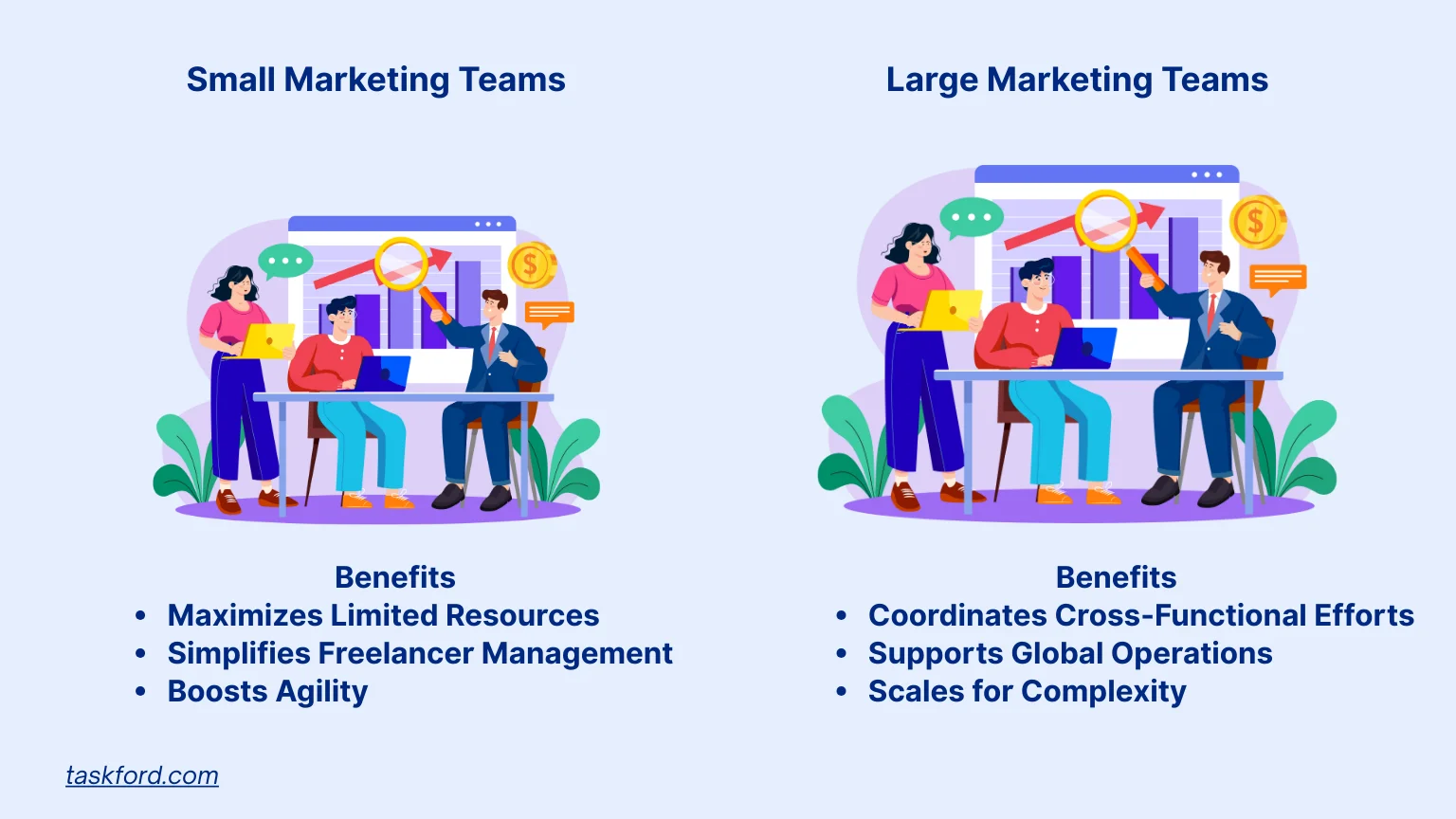
The needs of marketing teams vary by size, but a resource management system offers tailored benefits for both small and large teams, enhancing resource planning and campaign efficiency.
Small Marketing Teams
- Maximizes Limited Resources: Small teams often wear multiple hats. A system helps prioritize tasks, ensuring time and budget are used effectively, like focusing a single designer on high-impact visuals.
- Simplifies Freelancer Management: Tracks freelance contributions, such as a contract copywriter’s hours, preventing budget surprises.
- Boosts Agility: Enables quick pivots, like reallocating funds from an underperforming ad to a viral social media post.
Large Marketing Teams
- Coordinates Cross-Functional Efforts: Aligns designers, strategists, and analysts across departments, ensuring cohesive campaigns.
- Supports Global Operations: Manages resources across time zones, like assigning a European team to localize content while the U.S. team focuses on analytics.
- Scales for Complexity: Handles multiple campaigns simultaneously, tracking budgets and timelines for global product launches.
By catering to both scales, a resource management system ensures team efficiency, whether you’re a lean startup or a multinational brand.
Common Mistakes to Avoid When Using Resource Management Systems
While powerful, a resource management system requires proper use to maximize benefits. Here are common pitfalls and how to avoid them:
- Overloading the System With Data: Entering excessive details can overwhelm the system and team. Focus on key metrics like task assignments, budgets, and deadlines to keep things manageable.
- Ignoring Team Feedback: A system that doesn’t fit team needs leads to low adoption. Regularly ask for input to ensure the tool aligns with daily tasks.
- Neglecting Training: Without proper training, teams may underuse the system. Offer hands-on sessions to show how it simplifies resource planning and boosts productivity.
- Failing to Update Data: Outdated information, like incorrect team availability, leads to poor decisions. Assign a team member to keep the system current.
- Over-Reliance on Automation: While systems offer analytics, human judgment is key. Use data insights to inform, not dictate, campaign strategies.
Avoiding these mistakes ensures your resource management system becomes a true asset, not a hindrance.
Choosing the Right Resource Management System for Your Marketing Team
Not all systems are equal. When selecting a resource management system for your marketing team, prioritize these features:
- Real-Time Resource Tracking: Up-to-date data on team availability, budget, and project progress for informed decisions.
- Customizable Dashboards: Tailor metrics to focus on campaign ROI or team utilization.
- Integration With Marketing Tools: Connects with platforms like Google Analytics for a unified workspace.
- Scalability: Grows with your team, handling everything from small campaigns to global strategies.
- User-Friendly Design: Clean interface and easy navigation for quick adoption.
Why TaskFord Stands Out as a Resource Management System for Marketing Teams
TaskFord is an integrated work delivery platform that offers robust features that help marketing teams handle tasks, projects, resources, and costs in one centralized location. These abilities focus on resource management and planning, making it easier to align creative campaigns with accountability and measurable outcomes. Here are some of them:
Resource Scheduler
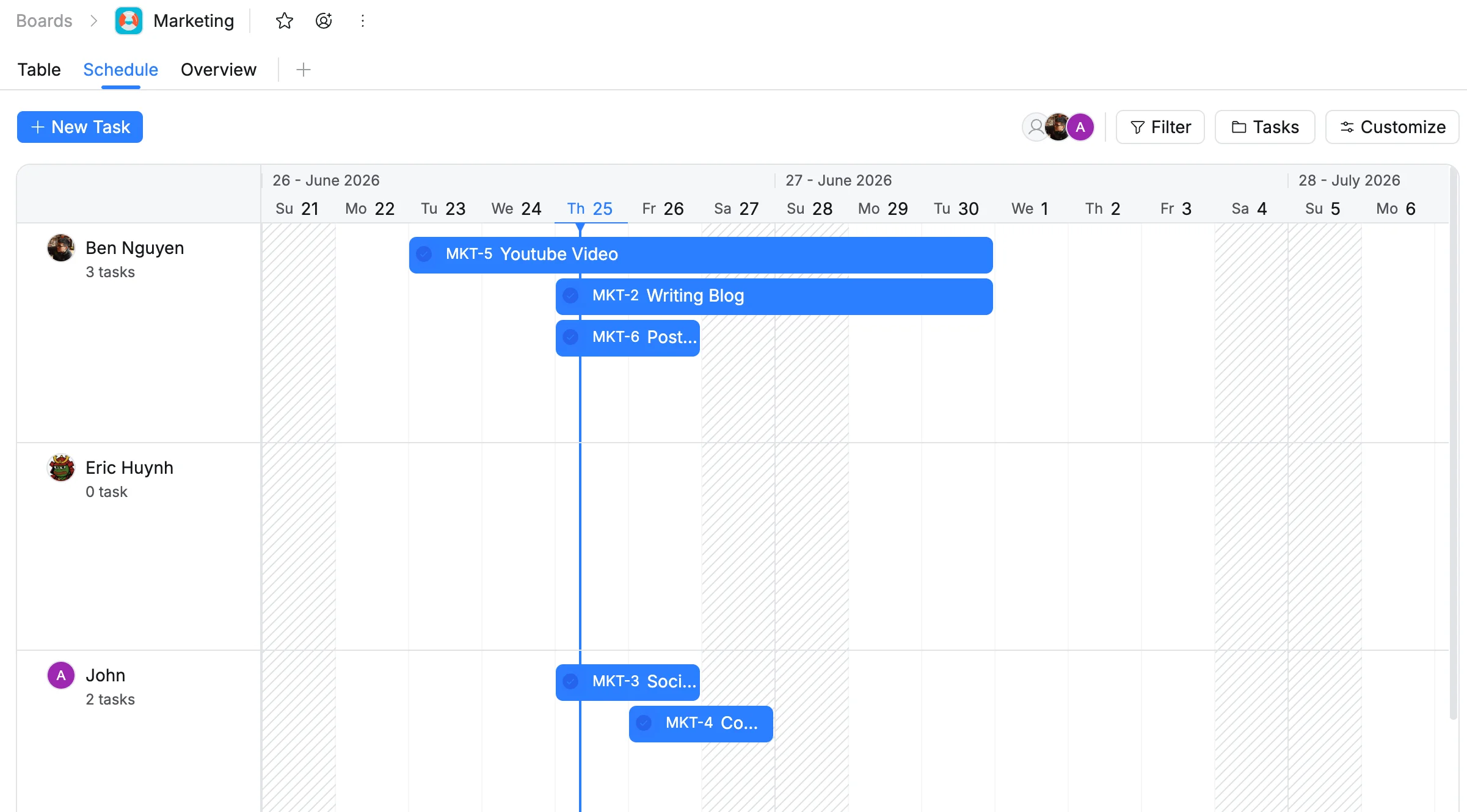
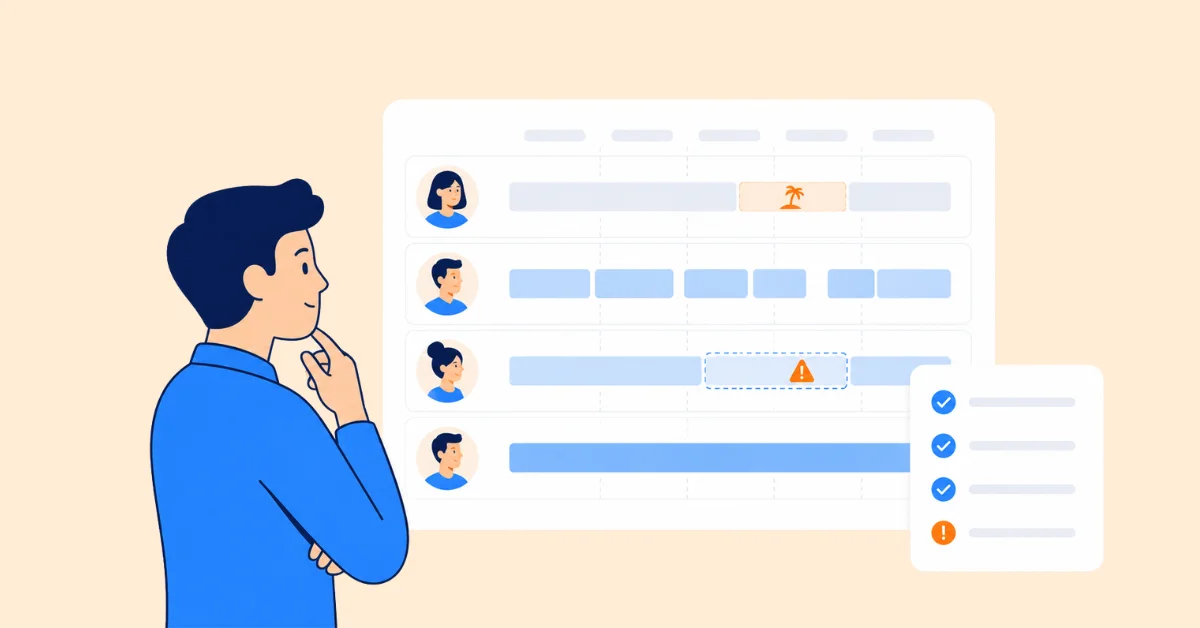
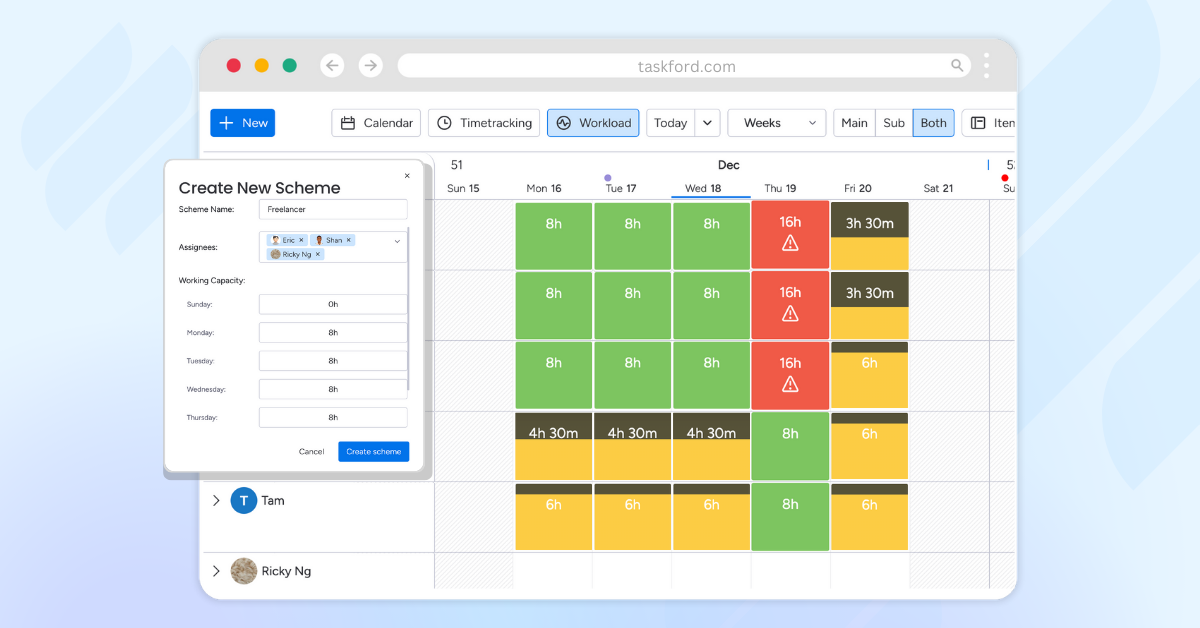
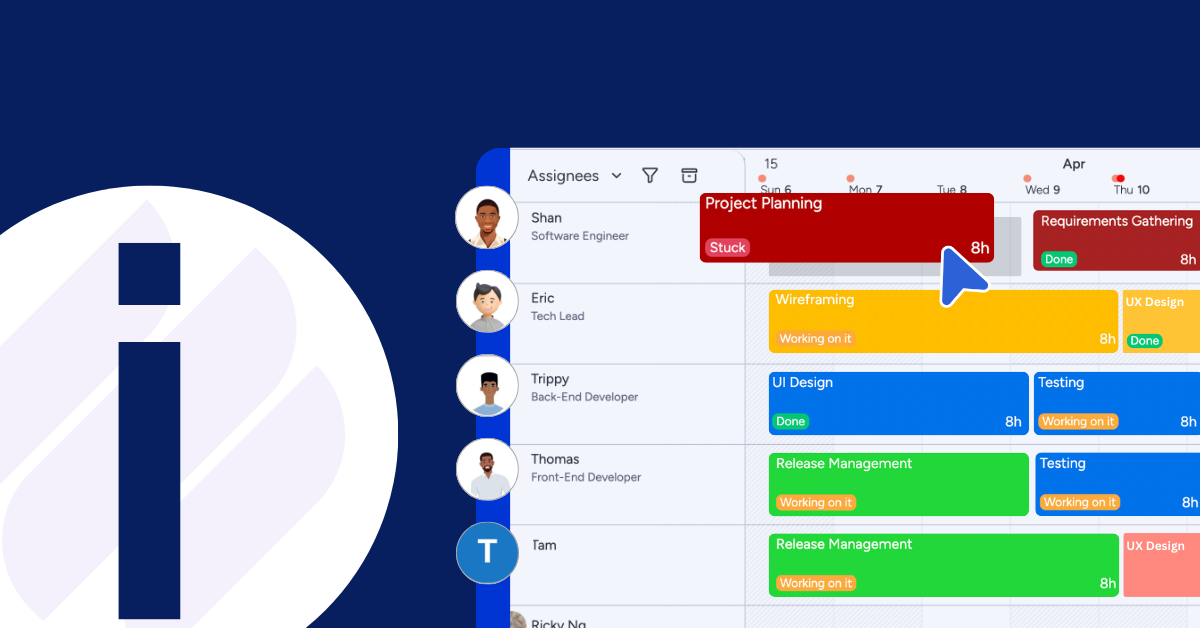
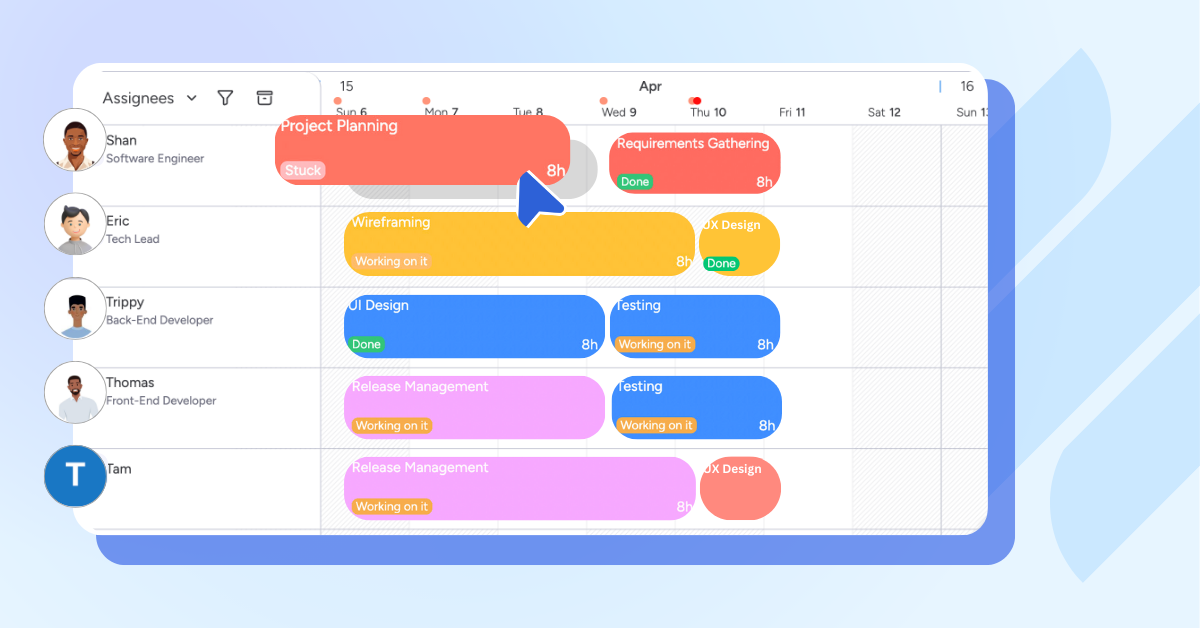
TaskFord’s resource scheduler helps teams plan and allocate work across projects based on availability and capacity. Managers can view scheduled assignments, identify potential conflicts, and adjust workloads to keep projects moving smoothly while avoiding overallocation.
Time Tracking
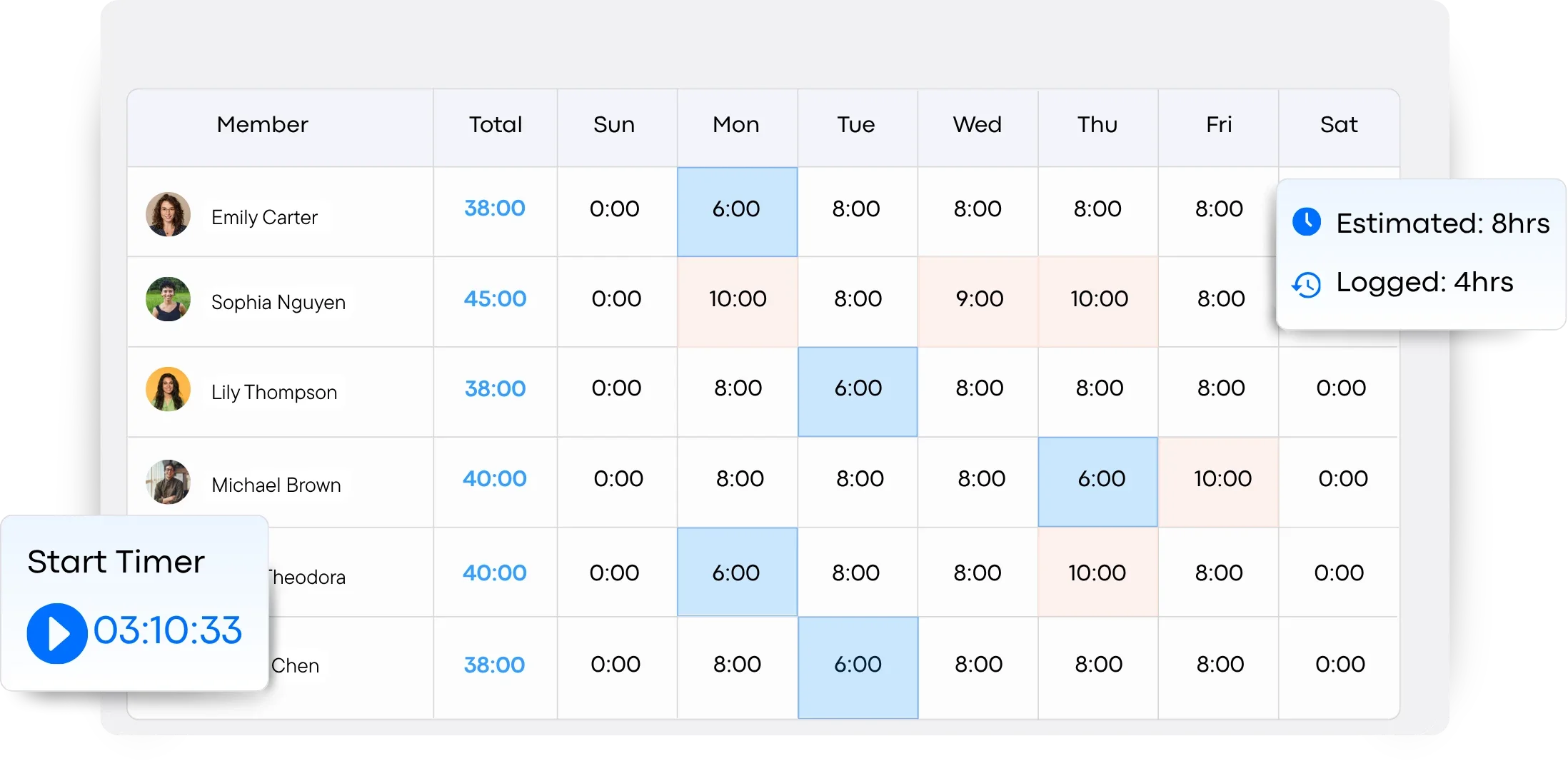
TaskFord enables team members to track time spent on tasks and projects, providing accurate visibility into effort and productivity. The collected data helps teams improve future estimates, monitor project progress, and better understand how resources are utilized across campaigns and ongoing work.
Workload Management with Reporting Dashboard
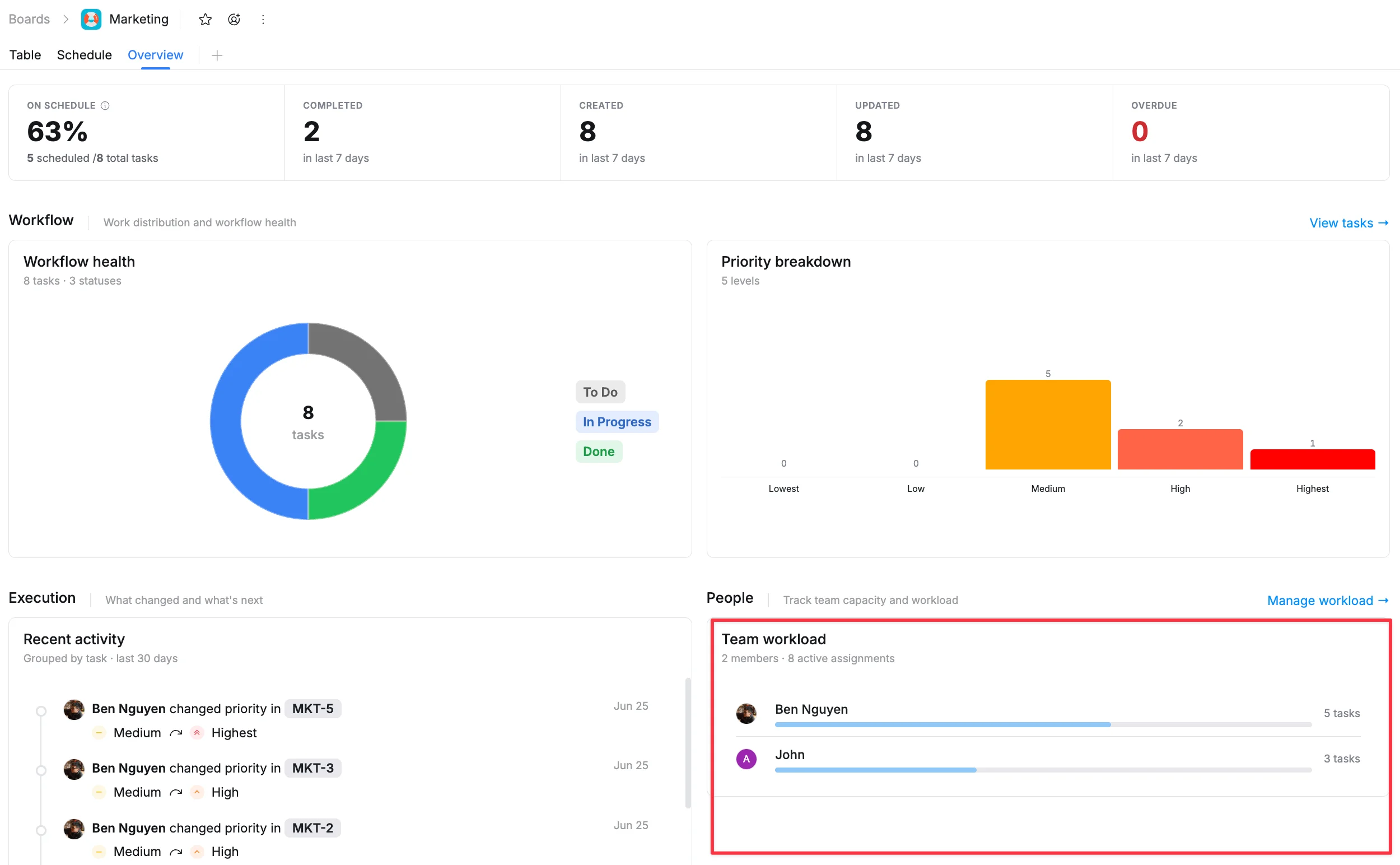
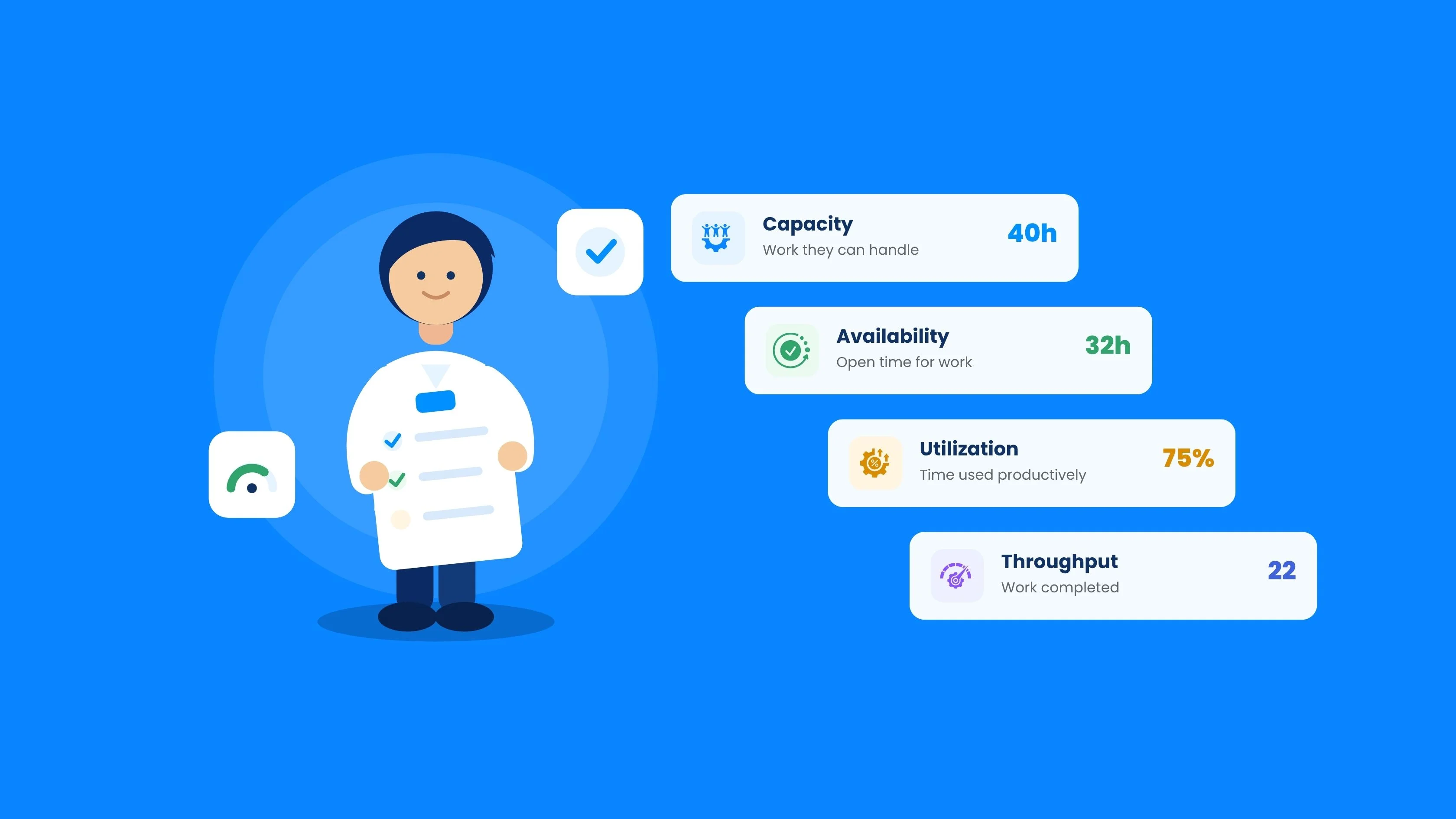
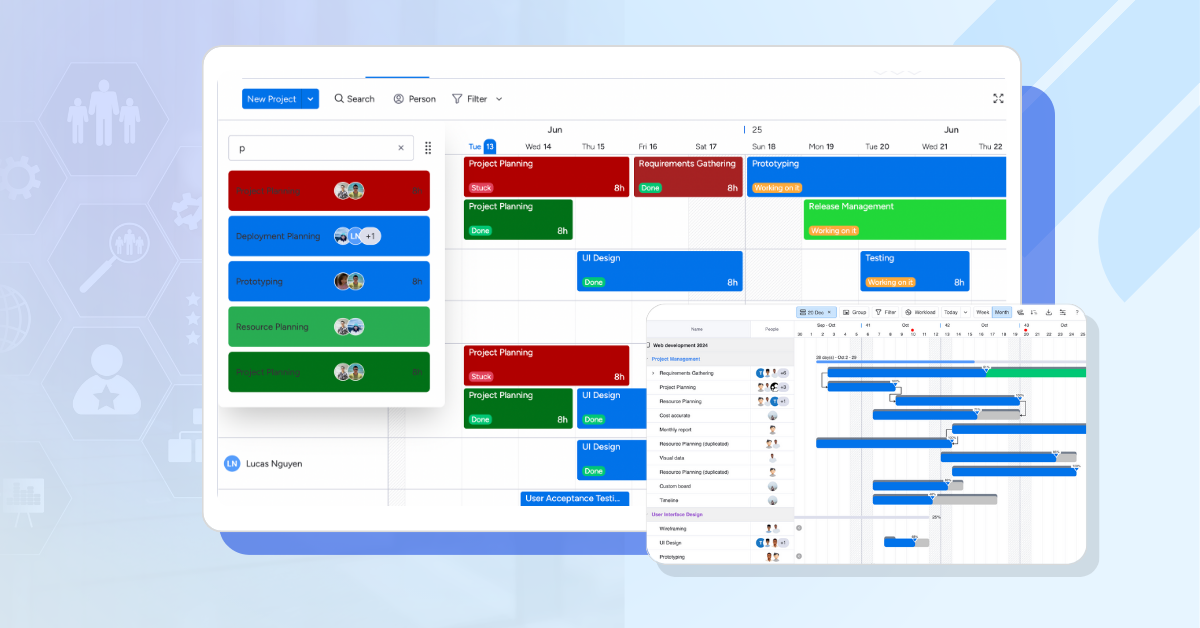
TaskFord provides workload visibility alongside reporting capabilities, helping managers understand team capacity, task distribution, and project progress. Dashboards and reports offer insights into completed work, tracked time, and team performance, allowing marketing leaders to identify bottlenecks, monitor workloads, and make more informed planning decisions.
Real-World Examples of Resource Management in Action
Scenario 1: Launching a Product Campaign
A mid-sized company launches a product with a multi-channel campaign (social media, emails, video). Without a system, the manager struggles to track tasks, leading to duplicated efforts and delays. With a resource management system, tasks are assigned based on skills, budgets are tracked, and progress is monitored in real time. The campaign launches on time, stays within budget, and boosts product inquiries by 20%.
Scenario 2: Managing a Global Marketing Team
A global brand with teams across countries struggles to coordinate campaigns. A resource management system centralizes project timelines, resource sharing, and performance tracking. Regional campaigns align with global strategies, reducing duplication. The system identifies resource gaps, enabling freelance hires for tasks like ad copy translation, resulting in a 15% engagement increase.
Tips for Implementing a Resource Management System
Adopting a resource management system requires planning. Here are practical tips:
- Get Team Buy-In: Involve your team in selecting the system to meet their needs and build enthusiasm.
- Start Small: Test the system on a single campaign to help the team adjust before full rollout.
- Train Your Team: Offer training to show how the system simplifies tasks, like reducing administrative work.
- Monitor and Adjust: Regularly review the system’s performance and gather feedback for improvements.
- Leverage Data Insights: Use analytics to optimize resource planning, like adjusting timelines for tasks that overrun.
Conclusion
In summary, a resource management system is essential for marketing teams aiming to harness creativity while maintaining accountability. By optimizing resource planning, tracking budgets, and fostering collaboration, these tools turn chaotic campaigns into efficient successes.
Ready to bridge the gap? Explore TaskFord today and elevate your marketing game with precision and impact.
Related Articles


















































![What is an Effective Resource Management Plan Template [Free Download]](/marketing/blog/resource-management-plan-template.webp)


Subscribe for Expert Tips
Unlock expert insights and stay ahead with TaskFord. Sign up now to receive valuable tips, strategies, and updates directly in your inbox.