Enterprise Project Management (EPM): Definition, Methods, and Strategies
Enterprise Project Management (EPM) is a strategic approach that helps organizations plan, manage, and align all projects with business goals effectively.
What is Enterprise Project Management (EPM)?
Enterprise Project Management (EPM) is the practice of managing all projects across an organization as a single, coordinated portfolio—not as isolated initiatives.
Instead of asking “Is this project on track?”, EPM asks:
- Are we working on the right projects?
- Do they support our business strategy?
- Are resources and budgets being used where they create the most impact?
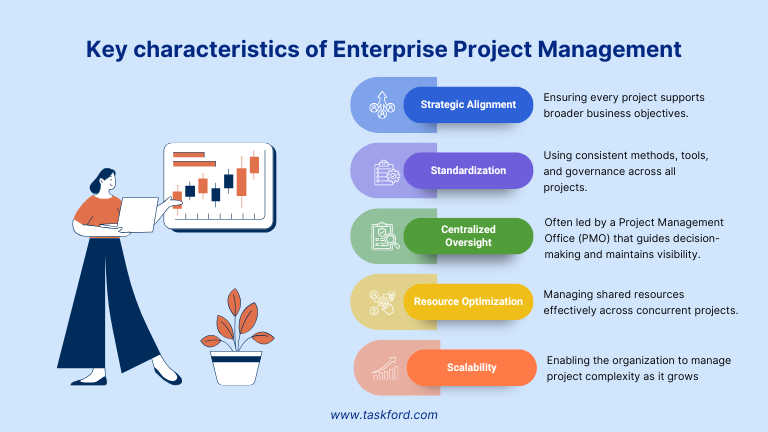
Key characteristics of EPM include:
- Strategic Alignment: Ensuring every project supports broader business objectives.
- Standardization: Using consistent methods, tools, and governance across all projects. Centralized Oversight: Often led by a Project Management Office (PMO) that guides decision-making and maintains visibility.
- Resource Optimization: Managing shared resources effectively across concurrent projects.
- Scalability: Enabling the organization to manage project complexity as it grows.
In short, EPM turns project management into a strategic capability, not just a tactical function. It helps leadership make informed decisions, improves project outcomes, and strengthens the connection between execution and strategy.
👉 Curious about the bigger picture? Explore our complete guide on what is project management to understand the core principles and practices that form the foundation of enterprise-level project success.
Benefits of Enterprise Project Management to Organizations
Implementing Enterprise Project Management (EPM) offers more than just better project control; it creates a system that supports organizational clarity, strategic alignment, and efficient use of resources. Below are the key benefits EPM brings to organizations:
1. Alignment with Strategic Goals: EPM ensures that every project is tied to the organization’s broader objectives. By prioritizing initiatives that contribute to long-term strategy, organizations can avoid wasted effort on projects that offer limited value.
2. Improved Resource Management: With centralized oversight, EPM allows for better visibility into how resources – people, time, and budget are allocated. This reduces redundancy, helps prevent burnout, and ensures that critical projects are properly staffed.
3. Standardization and Consistency: EPM promotes the use of standardized processes, tools, and templates across all projects. This leads to more predictable outcomes, easier reporting, and smoother collaboration across teams and departments.
4. Better Risk Management: By monitoring all projects in a unified framework, potential risks and bottlenecks can be identified earlier. EPM helps mitigate issues before they escalate, improving overall project reliability.
5. Enhanced Decision-Making: Enterprise-level visibility enables leadership to make informed decisions based on real-time data. Whether it’s shifting resources, adjusting timelines, or re-evaluating priorities, decisions are guided by a clear view of the entire project landscape.
6. Scalability and Adaptability: As an organization grows, so does project complexity. EPM provides the structure needed to scale effectively while maintaining control over timelines, budgets, and quality.
7. Cross-Functional Collaboration: By breaking down silos between departments and standardizing communication, EPM fosters better collaboration and shared accountability across the organization.
Core Components of EPM
Enterprise Project Management isn’t just about managing more projects; it’s about managing them better, with structure, visibility, and alignment across the organization. To achieve this, EPM relies on several core components that work together to create a cohesive project environment.
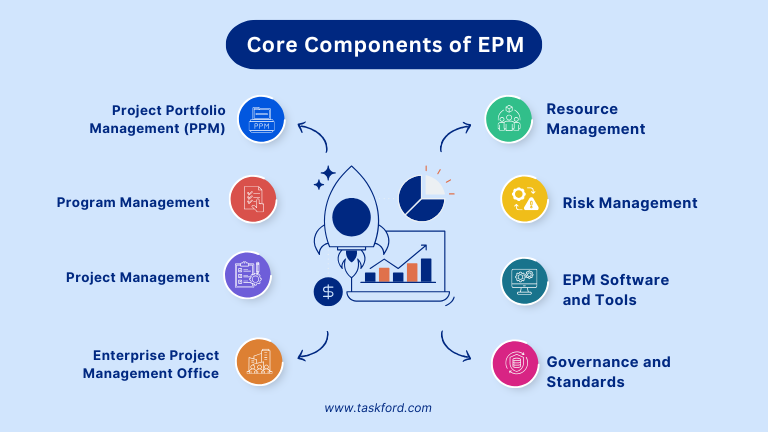
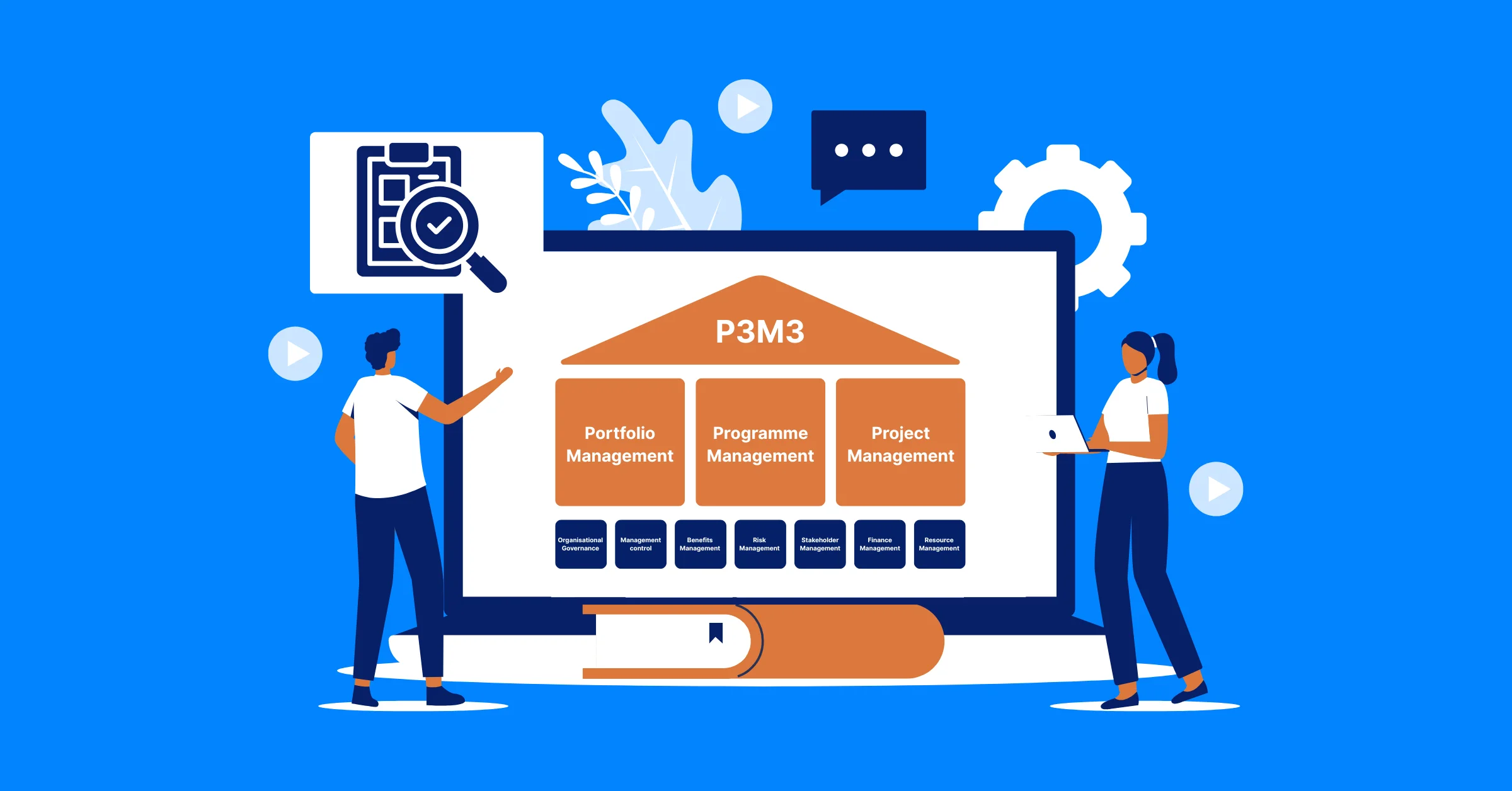
1. Project Portfolio Management (PPM)
Project Portfolio Management involves selecting, prioritizing, and overseeing a collection of projects and programs to ensure they support organizational goals. It focuses on:
- Balancing risk, resource allocation, and strategic value.
- Enabling informed decisions on which projects to fund, pause, or terminate.
- Providing a high-level view of all initiatives to support executive planning.
2. Program Management
Program management coordinates related projects that share common goals. Instead of managing each in isolation, it:
- Aligns projects within a program for better outcomes.
- Optimizes shared resources and reduces duplication.
- Manages interdependencies and ensures consistent progress across initiatives.
3. Project Management
This is the execution layer, focused on delivering individual projects. Within EPM, it includes:
- Planning, execution, and delivery using standardized methodologies (e.g., Agile, Waterfall, PRINCE2).
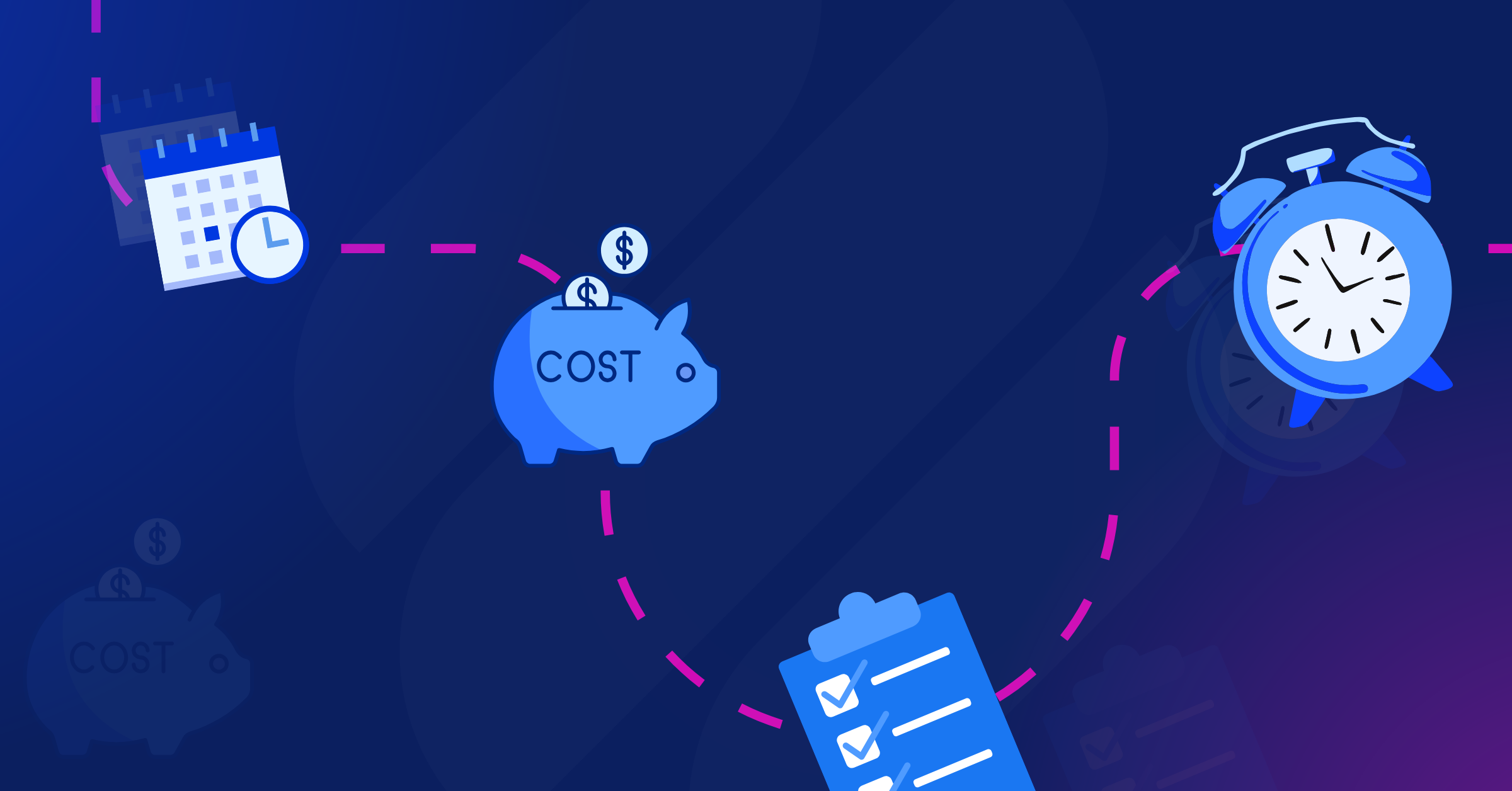
- Meeting scope, time, cost, and quality objectives.
- Ensuring consistency and efficiency across project teams.
4. Enterprise Project Management Office (EPMO)
The EPMO serves as the central hub for project governance and support. It:
- Establishes standards, policies, and best practices.
- Monitors performance, compliance, and risk.
- Facilitates communication and alignment across teams and leadership.
5. Resource Management
Effective resource management is essential for scaling projects. It involves:
- Allocating and optimizing people, budgets, and tools across all initiatives.
- Using resource tracking systems to avoid overcommitment and underutilization.
- Balancing workloads to improve productivity and prevent burnout.
6. Risk Management
Risk management in EPM goes beyond individual projects to address threats across programs and portfolios. It includes:
- Identifying, assessing, and mitigating risks at every level.
- Implementing proactive strategies to minimize disruptions.
- Maintaining risk registers and using data analytics for early warnings.
Learn more: Enterprise Risk Management (ERM): What It Means and How It Works
7. EPM Software and Tools
Technology plays a critical role in enabling enterprise-level project management. Key functions include:
- Providing real-time data, dashboards, and analytics to support timely decision-making.
- Enabling collaboration, document sharing, workflow automation, and cross-team transparency.
8. Governance and Standards
Governance ensures accountability, control, and consistency across the project landscape. It involves:
- Establishing policies, frameworks, and guidelines for project execution.
- Defining clear roles, responsibilities, and approval processes.
- Ensuring compliance with internal standards and external regulatory requirements.
These components work together to create a cohesive system that enhances visibility, control, and efficiency across an organization’s project landscape. By integrating these elements, EPM ensures projects are delivered successfully while supporting the broader strategic vision.
Enterprise Project Management Methods
Enterprise Project Management supports a range of methodologies that can be adapted to fit various project types, team structures, and organizational needs. Below are the most common methods used within EPM, each serving a different purpose depending on context and complexity.
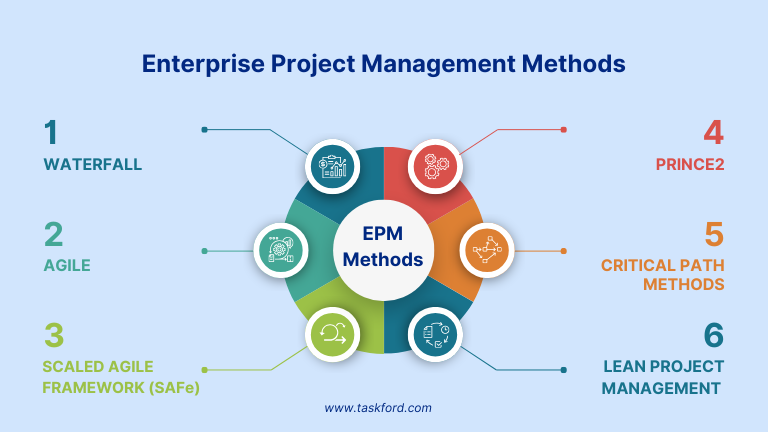
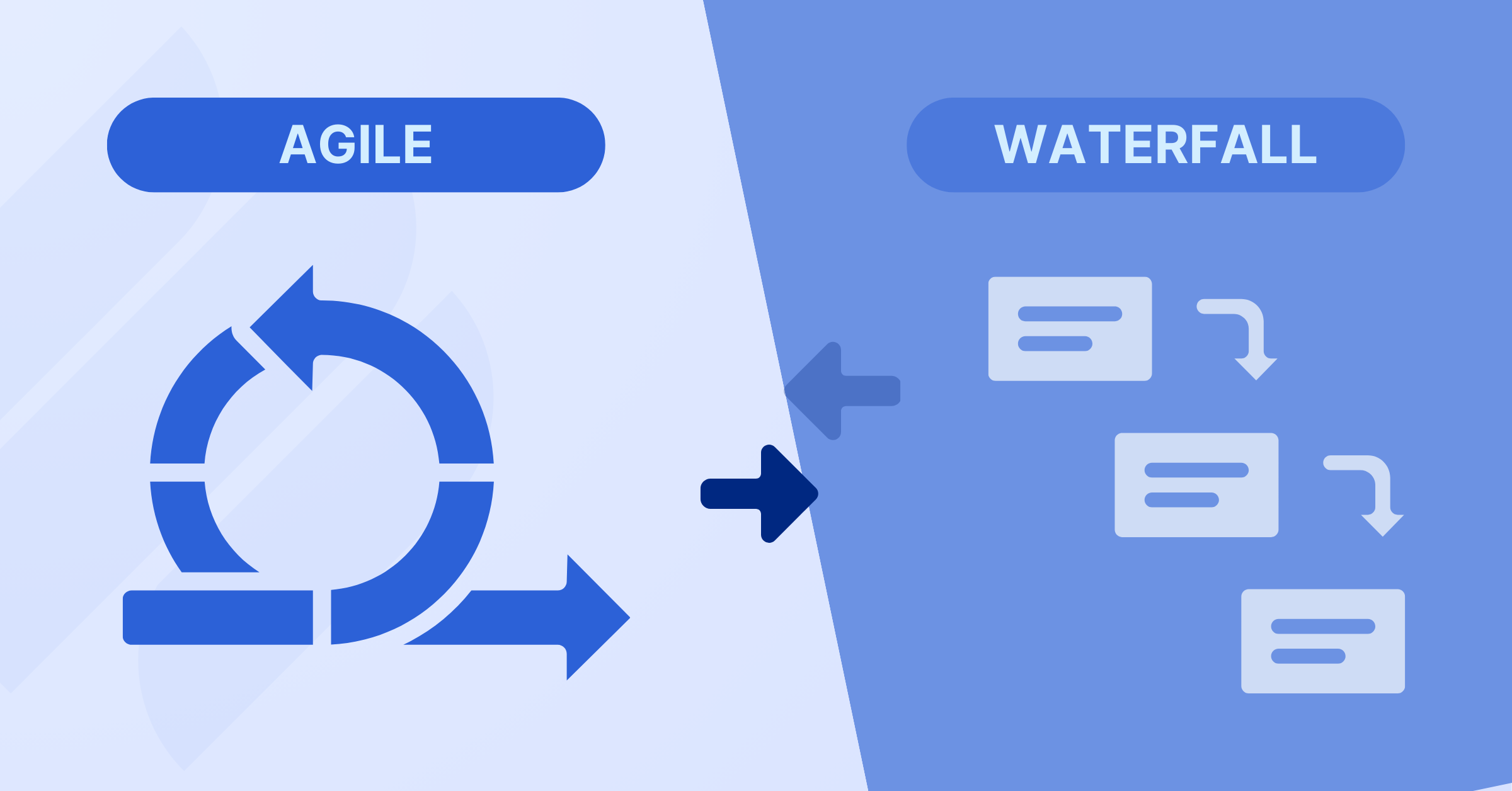
1. Waterfall
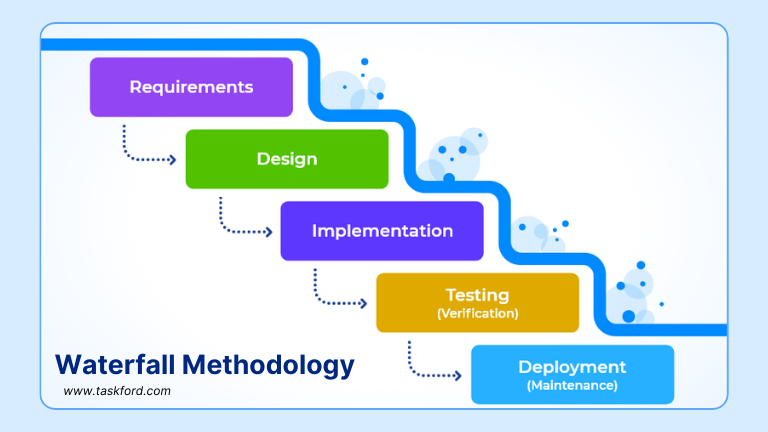
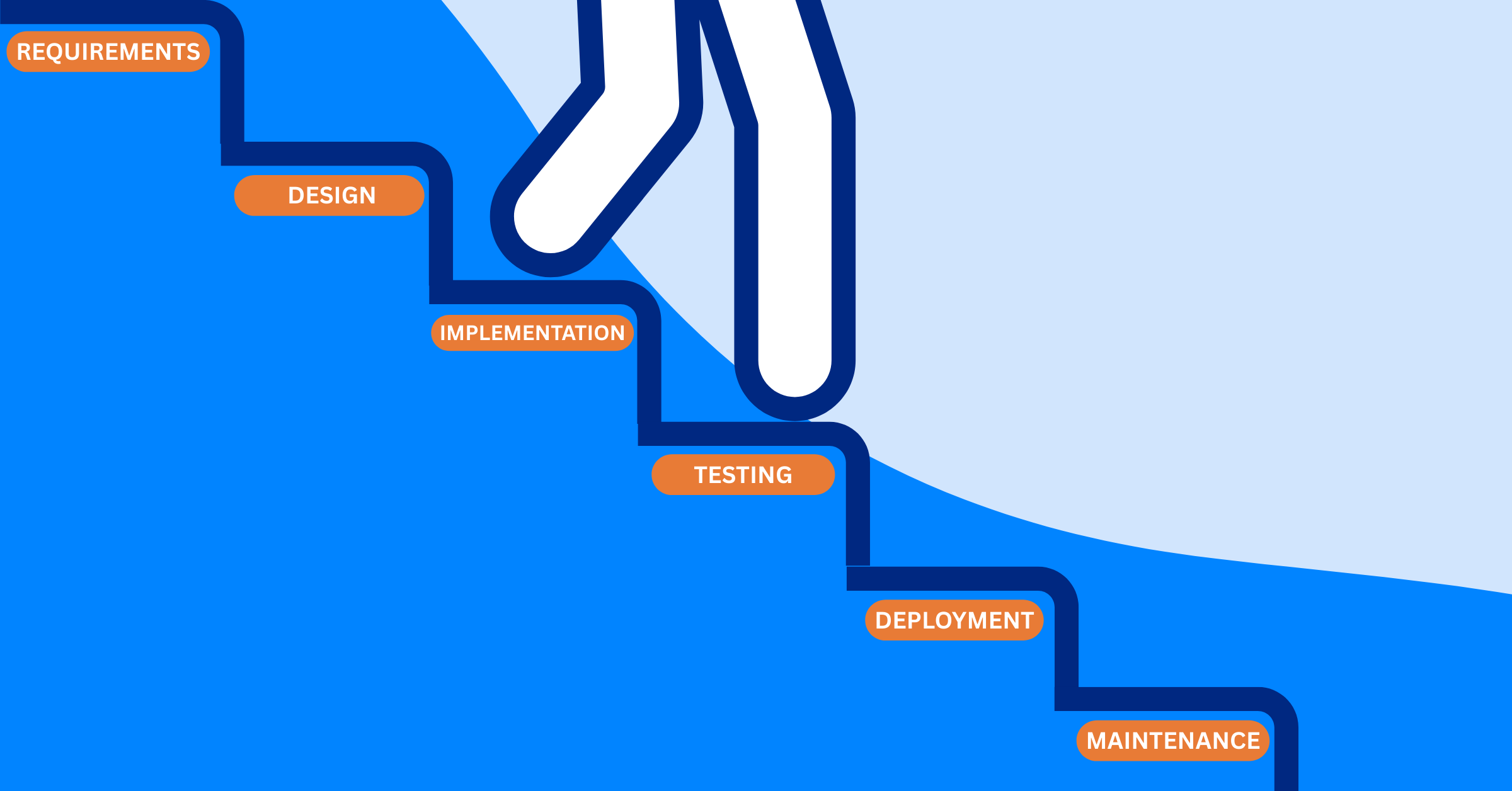
Waterfall is a sequential project management method where each phase, such as planning, design, implementation, and testing, must be completed before the next begins. It’s best suited for projects with fixed requirements and well-defined outcomes.
2. Agile
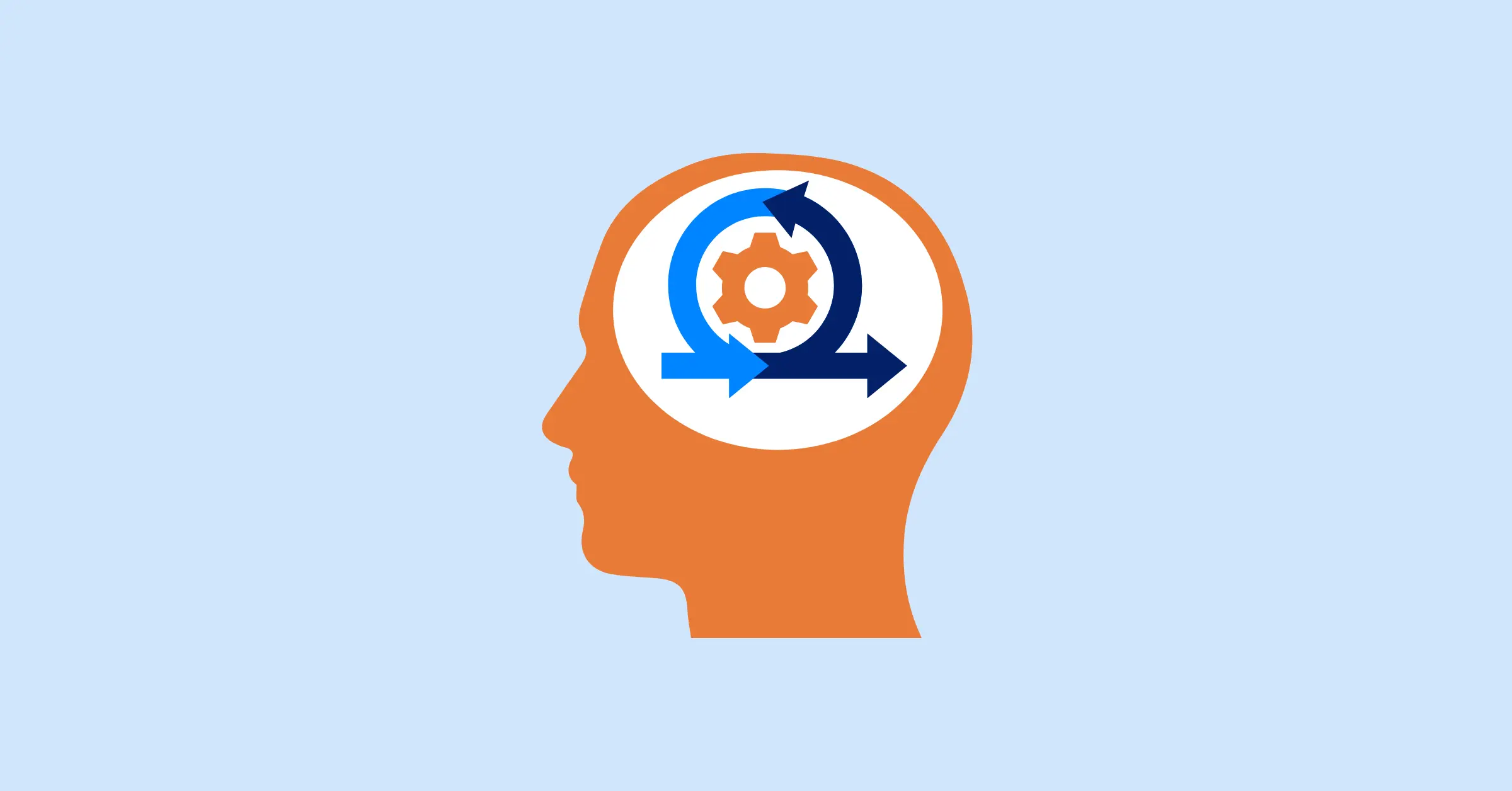
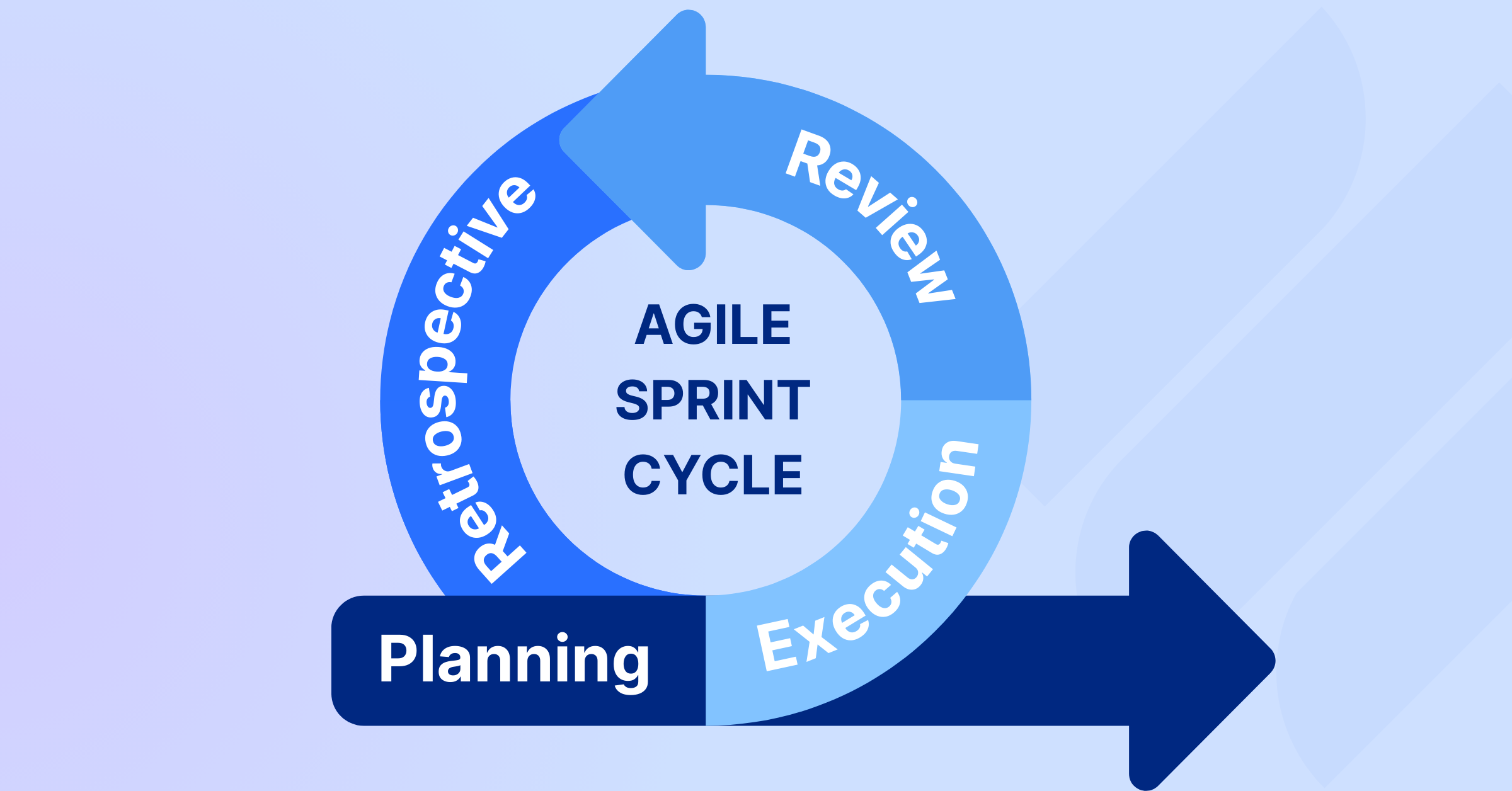
Agile is an iterative and flexible approach that breaks projects into small cycles called sprints. It emphasizes continuous feedback, collaboration, and adaptability, making it ideal for projects where requirements are expected to evolve over time.
👉 Discover how Agile Project Management works in real-world scenarios and how to make it effective for your team.
3. Scaled Agile Framework (SAFe)
SAFe extends Agile principles across the enterprise by coordinating multiple Agile teams working on related projects. It enables large organizations to maintain alignment, manage dependencies, and scale Agile practices effectively.
4. PRINCE2
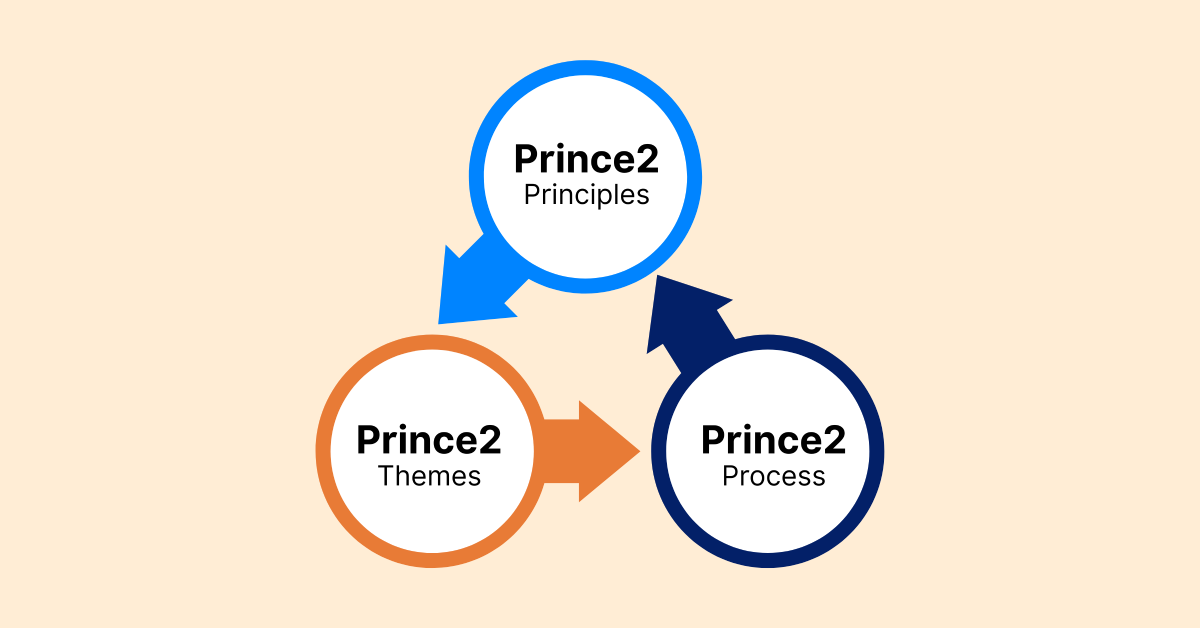
PRINCE2 is a process-based methodology that emphasizes thorough planning, clearly defined roles, and control over each stage of the project. It is commonly used in the public sector and global enterprises where structure and accountability are critical.
5. Critical Path Methods (CPM)
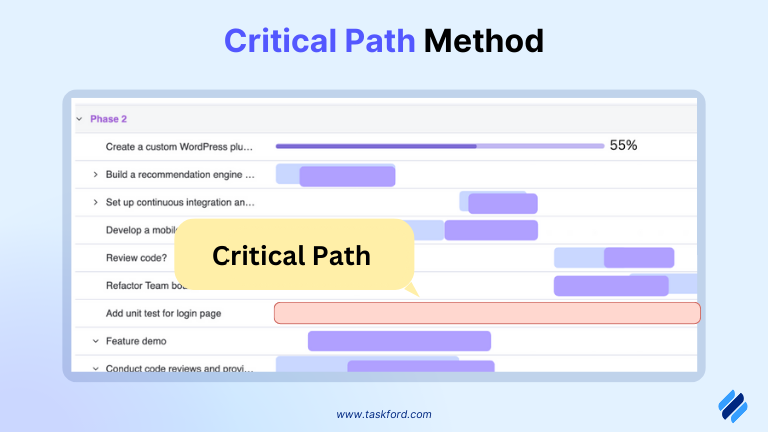
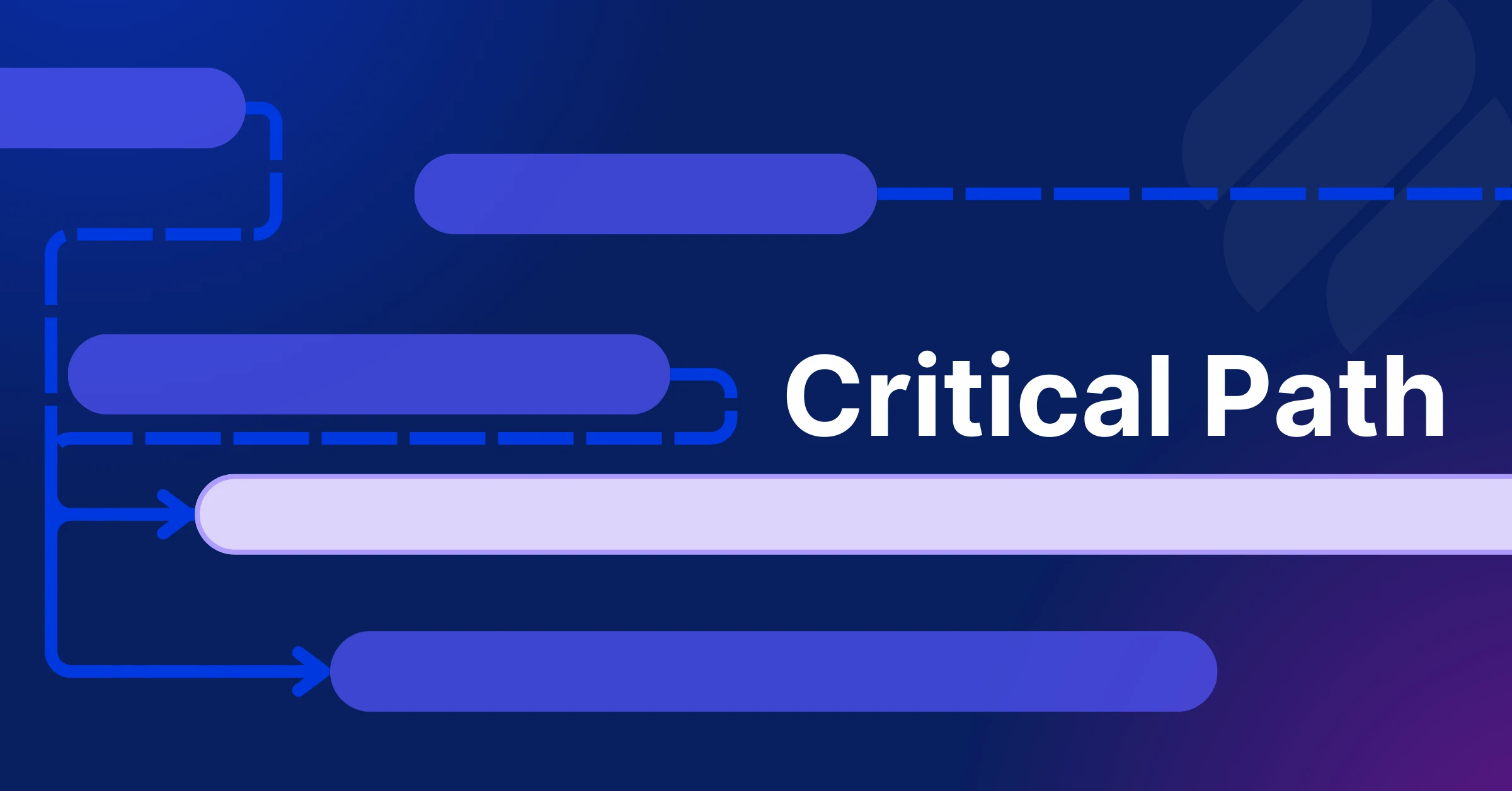
Critical Path Method (CPM) is a schedule-based method that identifies the longest sequence of dependent tasks to determine the minimum project duration. It helps project managers optimize timelines and resources, especially for time-sensitive or complex projects.
6. Hybrid Methodologies
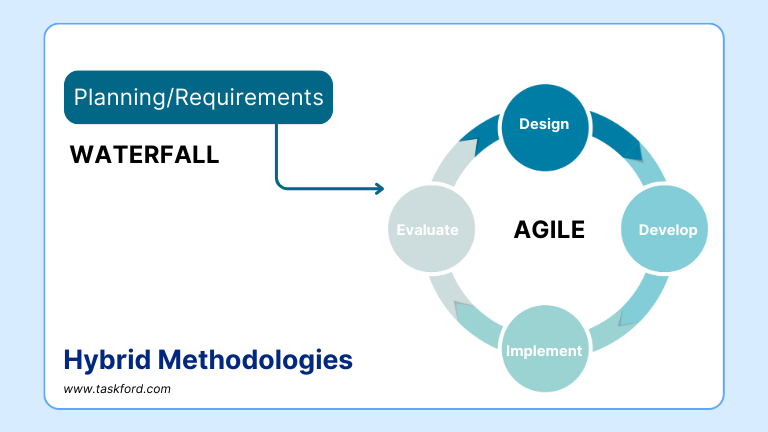
Hybrid Methodology blends elements from multiple methods, such as combining Waterfall’s structure with Agile’s flexibility. This enables organizations to tailor their approach to the specific needs of each project while maintaining enterprise-level consistency.
6. Lean Project Management
Lean Project Management is focused on maximizing value while minimizing waste. Originating from lean manufacturing principles, this method aims to streamline processes, eliminate non-essential activities, and deliver more value with fewer resources. It emphasizes continuous improvement, efficient workflows, and customer-centric thinking, making it especially effective in environments where efficiency and speed are top priorities.
How to Implement Enterprise Project Management
Successfully implementing Enterprise Project Management (EPM) requires more than introducing new tools or processes; it’s a strategic shift that demands coordination across the organization. Below is a step-by-step guide to help guide a smooth and sustainable implementation:
Step 1. Gain Executive Sponsorship
Begin by securing strong support from senior leadership. EPM involves cross-functional coordination and resource commitments, so having executive-level advocates is critical for buy-in, funding, and long-term support.
Step 2. Define a Clear EPM Vision and Objectives
Establish what EPM success looks like for your organization. Clarify goals such as improving strategic alignment, resource efficiency, or visibility across projects. These objectives should be tied to measurable outcomes.
Step 3. Set Up an Enterprise PMO (EPMO)
Form a centralized Enterprise Project Management Office to lead implementation. The EPMO defines processes, ensures standardization, oversees portfolio governance, and supports teams with training and tools.
Step 4. Select Appropriate Methodologies
Choose project management methods suited to your organization’s needs: Waterfall, Agile, PRINCE2, or hybrid models. Apply them consistently across teams to create structure while allowing for flexibility where needed.
Step 5. Implement EPM Software and Tools
Deploy enterprise-grade tools that support project planning, tracking, reporting, and collaboration.
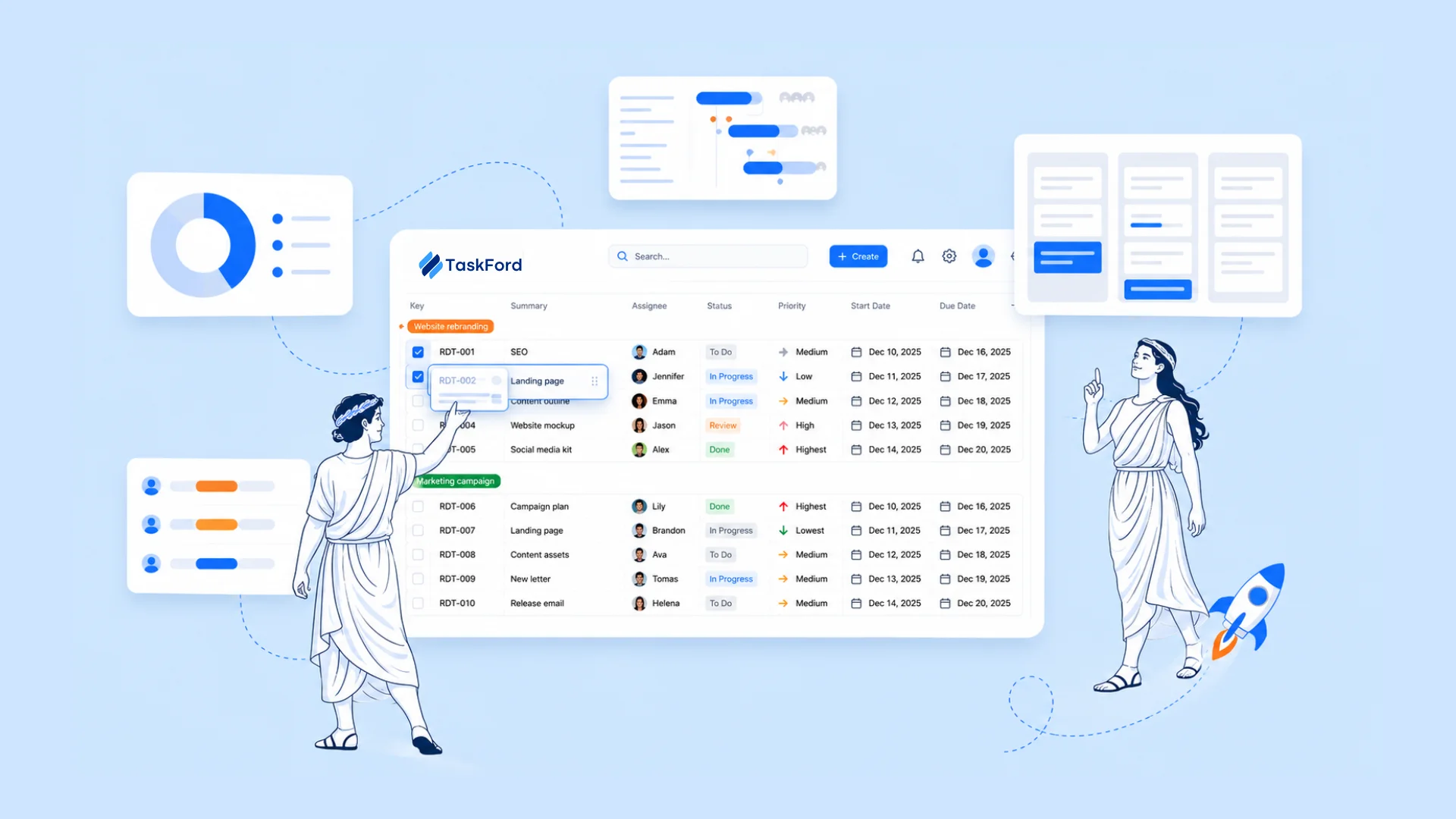
Platforms like TaskFord - The Integrated Work Delivery Platform are built specifically for Enterprise Project Management, bringing projects, resources, and priorities into a single, unified system. Instead of relying on disconnected tools, teams operate from one source of truth that directly links execution to strategic goals.
With TaskFord, organizations can:
- Plan and prioritize portfolios based on business impact, not just timelines
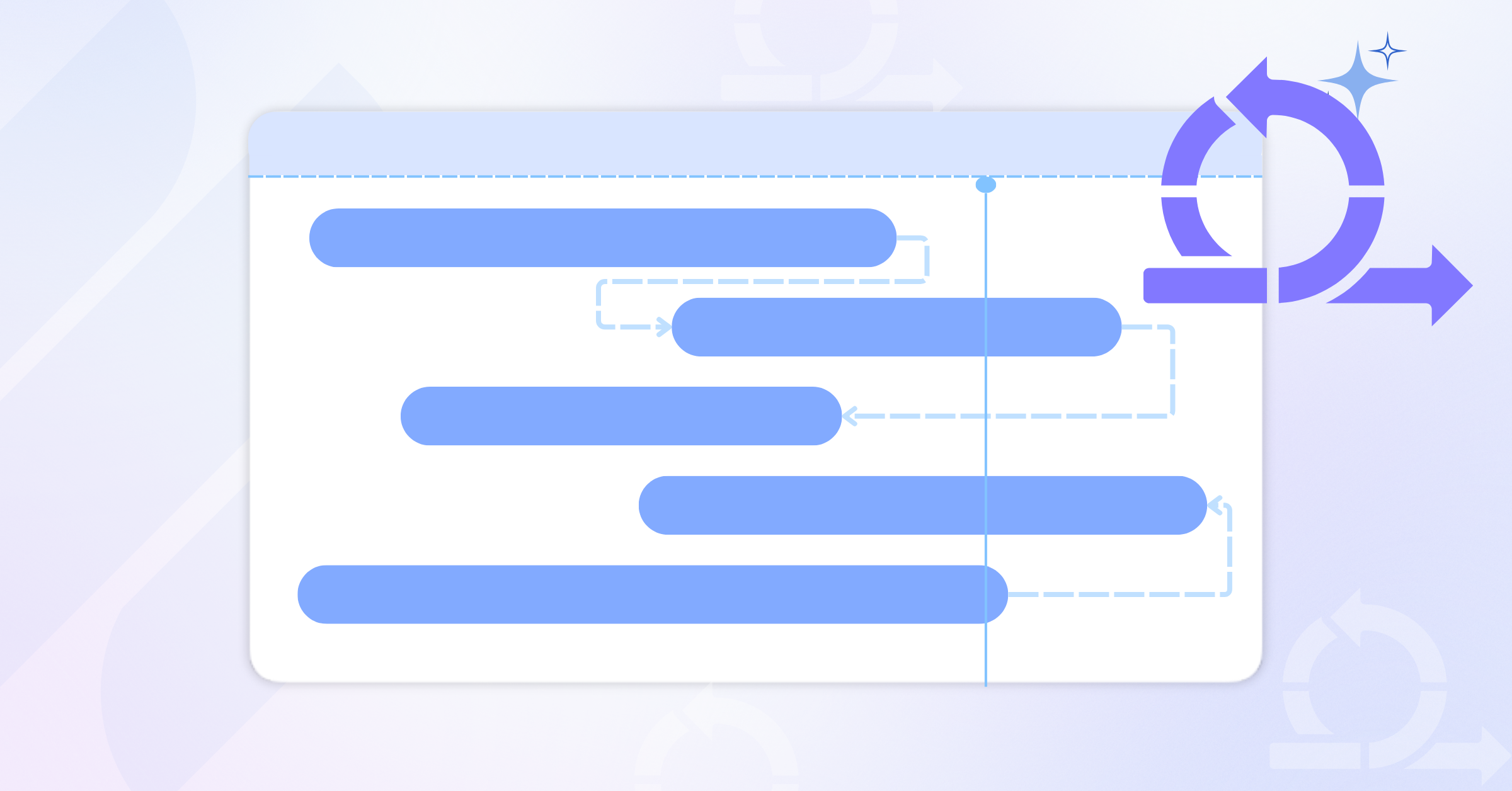
- Visualize work across multiple views (Table, Kanban, Gantt, Scheduler) to support different roles and decisions
- Balance resources and capacity across projects to prevent overload and delivery risk
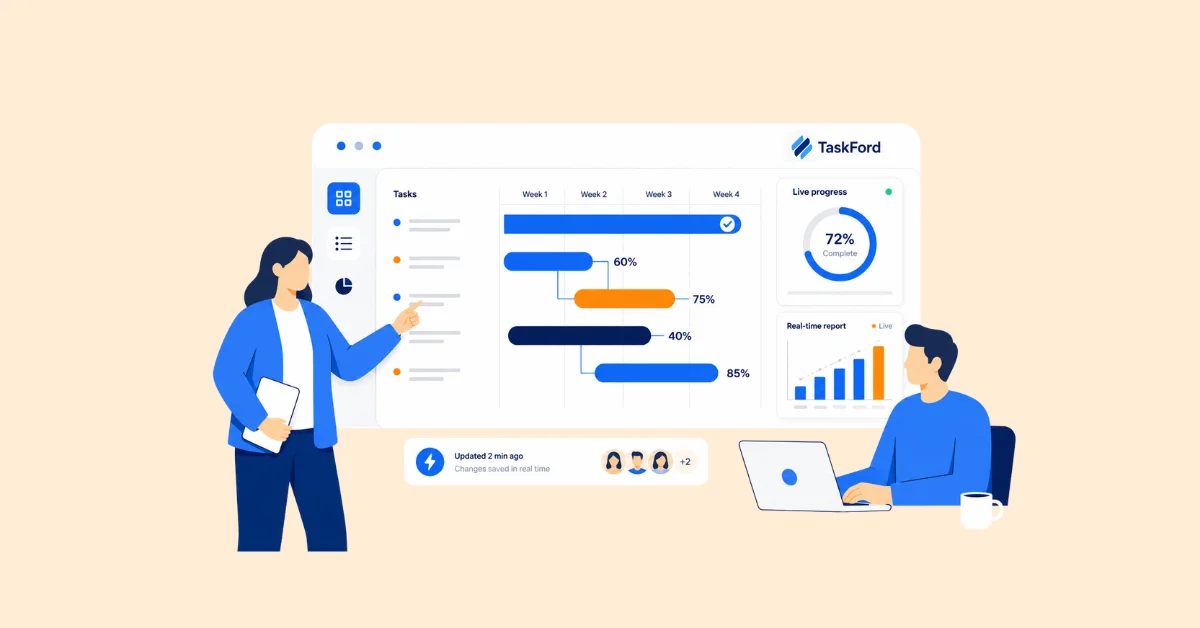
- Track progress and dependencies in real time, giving leaders early visibility into issues
- Standardize reporting and governance without slowing teams down
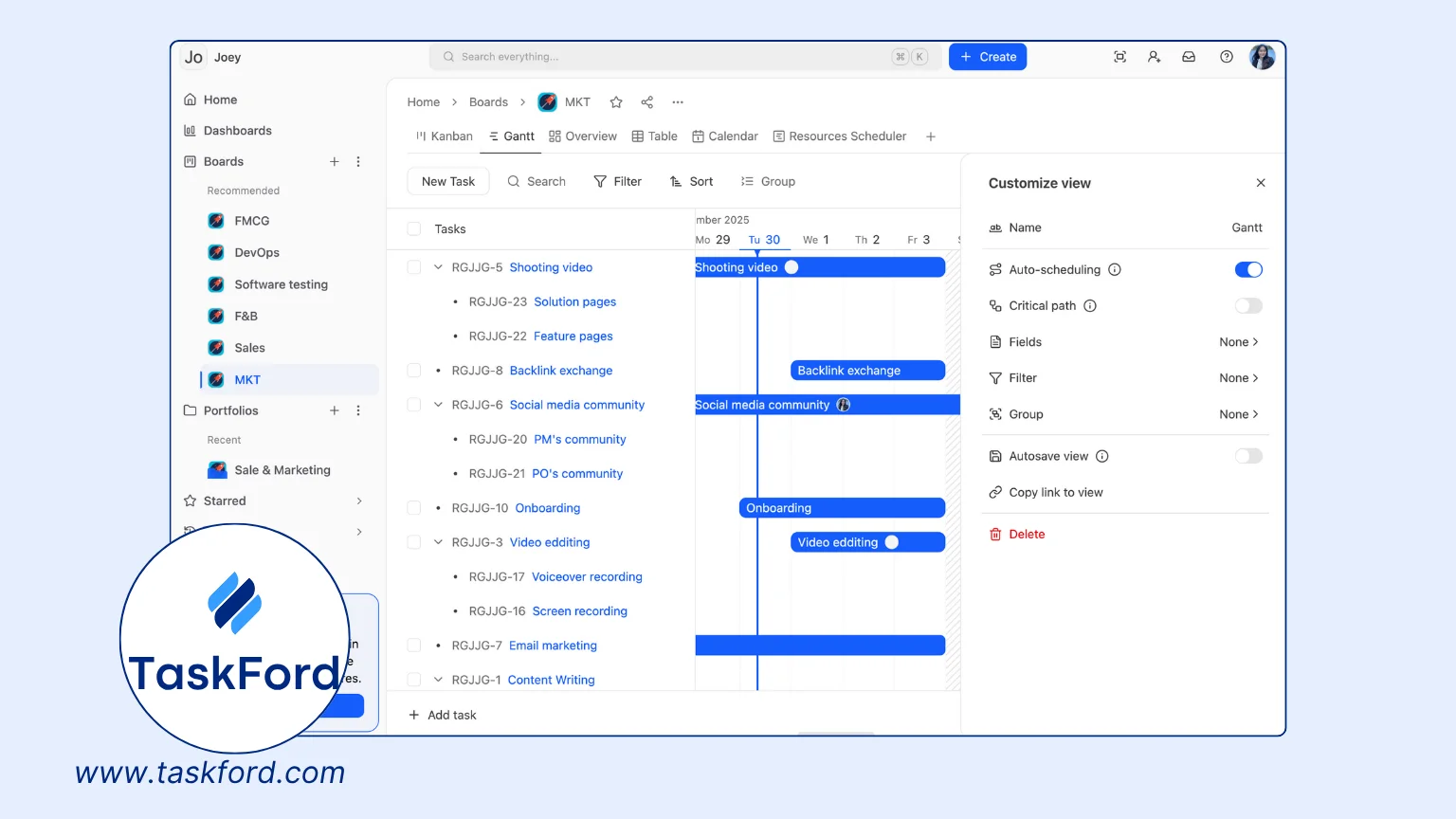
By implementing an EPM platform, organizations move beyond task tracking to enable predictable delivery across all critical initiatives—ensuring every project contributes to outcomes that truly matter.
Read also: Free ERP Software for SME - Open Source Solutions That Work
Step 6. Build a Governance Framework
Develop a governance model that outlines decision-making authority, approval processes, and compliance standards. Governance ensures consistency and accountability across all projects.
Step 7. Train Teams and Manage Change
Support adoption with training programs, clear communication, and ongoing guidance. A structured change management approach will help teams embrace new workflows and shift from isolated project execution to enterprise-level thinking.
Strategies for Successful Enterprise Project Management
Implementing EPM is just the first step – keeping it effective over time requires deliberate strategy and continuous improvement. Here are some key strategies to ensure EPM delivers long-term value:
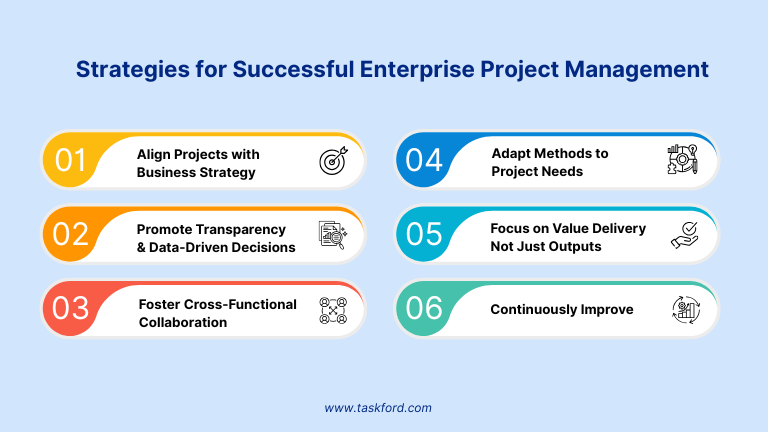
1. Align Projects with Business Strategy: Continually review the project portfolio to ensure all initiatives are aligned with organizational goals. Projects that no longer support strategic priorities should be reassessed or retired.
2. Promote Transparency and Data-Driven Decisions: Use real-time dashboards and performance metrics to provide visibility across all levels of the organization. Data transparency supports better forecasting, risk management, and executive decision-making.
3. Foster Cross-Functional Collaboration: Encourage collaboration between departments by breaking down silos and promoting shared ownership. Unified tools, shared KPIs, and joint planning sessions help teams stay aligned.
4. Adapt Methods to Project Needs: EPM doesn’t require a one-size-fits-all approach. Use hybrid or blended methodologies when needed, and allow flexibility within a standardized framework to support different project types.
5. Focus on Value Delivery, Not Just Outputs: Success should be measured by how projects contribute to business outcomes, not just whether they were completed on time. Align metrics with customer value, ROI, and long-term impact.
6. Continuously Improve: Create a feedback loop by conducting post-project reviews and capturing lessons learned. Use those insights to refine processes, tools, and resource allocation over time.
Conclusion
Enterprise Project Management enables organizations to move beyond isolated project execution and take control of their entire project landscape. By aligning projects with strategy, optimizing resource use, and standardizing delivery across teams, EPM creates a foundation for growth, agility, and long-term success.
Whether you’re scaling your existing project practices or just beginning the EPM journey, the key is to treat project management as a strategic capability, not just an operational necessity. With the right methods, structure, and commitment, EPM can transform how your organization delivers value.
Related Resources:
- AI in project management: How AI is Revolutionizing Project Management: A Look at 2026 and Beyond.
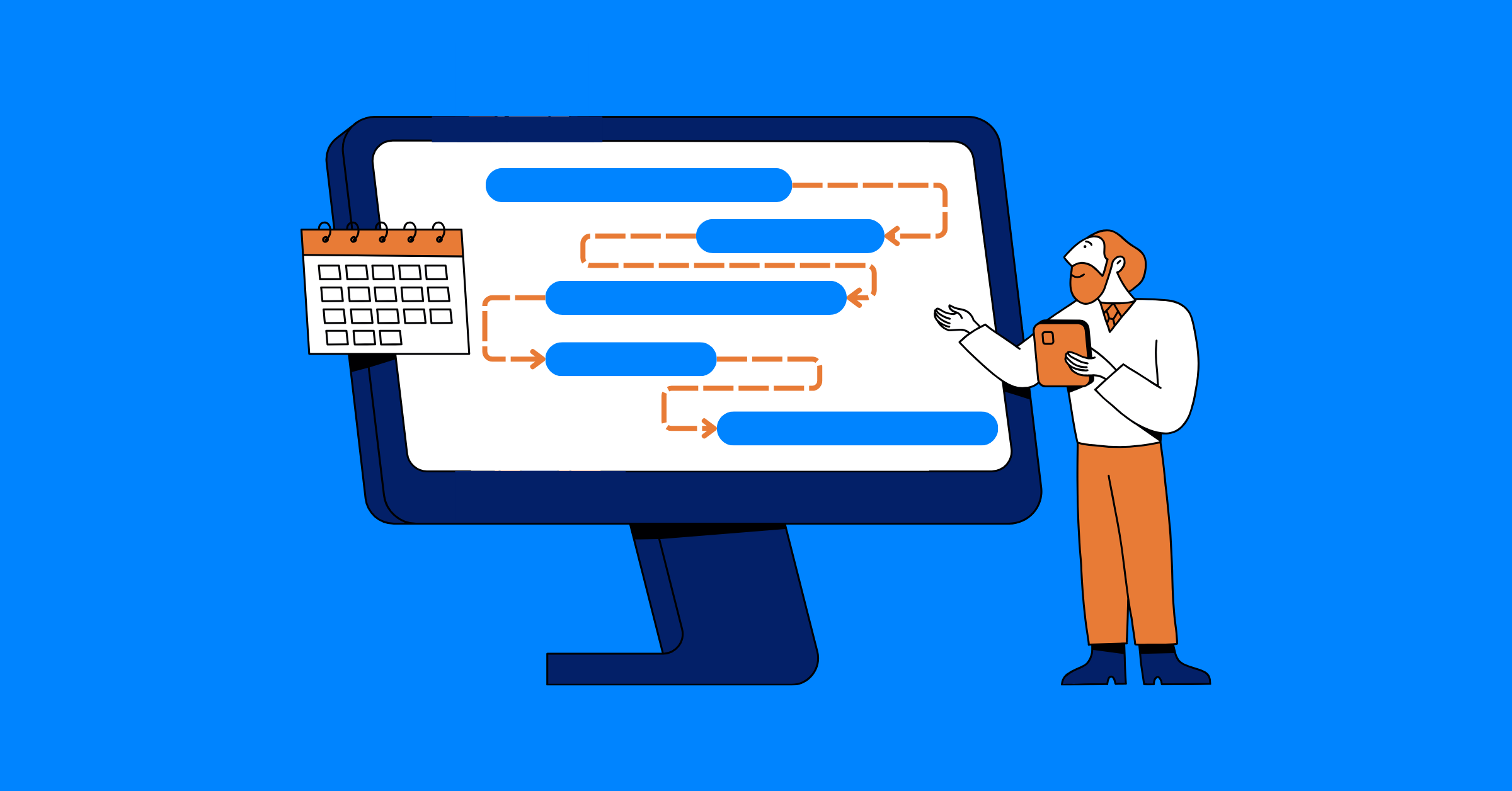
- The top free gantt chart software to simplify project planning & scheduling.
- ClickUp Project Management vs Alternatives in 2026: Which Tool Fits Your Team.
- How to Make a Gantt Chart in Projects
Related Articles








How to Build and Manage a Product Roadmap with TaskFord













How to Build a Connected Project Timeline in TaskFord











What Are the Best Jira Alternatives for Scrum Teams?























How WBS Reveals Delivery Breakdown Before It’s Too Late








![How To Conduct a Profound Stakeholder Analysis [+ Free Template]](/marketing/blog/stakeholder-analysis.webp)












What to Look for in Scrum Tools (Beyond Kanban Boards)

![Project Management Calendar for Teams and Managers [Free Templates]](/marketing/blog/project-management-calendar.webp)







How to Define Project Deliverables: A Step-by-Step Guide







![RACI Chart in Project Management: Rules & Examples [Free Download]](/marketing/blog/raci-chart.webp)














![7 Must-Have Project Management Documents Every PO Should Know [Free Templates]](/marketing/blog/project-management-documents.webp)









![How to Create a Winning Project Plan for IT Projects [10 Steps Included]](/marketing/blog/how-to-create-a-project-plan.webp)




![Daily Standup Best Practices: Apply AI to Organize Meetings Successfully [2026 Trends]](/marketing/blog/daily-standup.webp)






![How to Create a Project Communication Plan: Step-by-Step Guide [+Free Template]](/marketing/blog/project-communication-plan.png)


![Master Project Procurement Management in 5 Steps [Download a free plan template]](/marketing/blog/project-procurement-management.webp)

























Subscribe for Expert Tips
Unlock expert insights and stay ahead with TaskFord. Sign up now to receive valuable tips, strategies, and updates directly in your inbox.