Program Manager vs Project Manager? Roles, Responsibilities, and Where They Overlap
Explore the key differences between Program Manager vs Project Manager, their roles, responsibilities, career paths, and where they overlap.
The terms “program manager” vs “project manager” are often used interchangeably, but they represent distinct roles in the world of technical project management. With the demand for skilled professionals in these fields growing — over 2.3 million new project-oriented jobs are projected annually by 2030, according to the PMI, it’s important to understand what sets these roles apart, where they overlap, and how they contribute to organizational success.
This article breaks down the responsibilities, skills, and collaboration between project and program managers, helping technical professionals decide which path aligns with their career goals.
If you’re new to the field, you might find our article on What is Project Management helpful to get a comprehensive understanding of how projects are defined and managed across industries.
What Is a Program Manager?
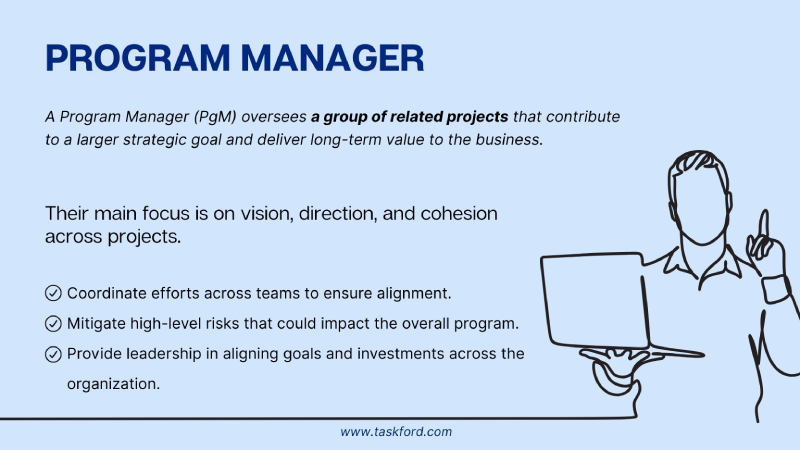
A Program Manager (PgM) oversees a group of related projects that contribute to a larger strategic goal. Their job isn’t to manage the details of every task, but rather to ensure that the collective effort delivers value to the business and meets long-term objectives.
For more on the strategic scope of a program manager’s role and how it extends beyond traditional project management, check out our article on What is Program Management? How It Goes Beyond Project Management.
Main Focus Areas
Unlike project managers, who are focused on tasks and deadlines, program managers are concerned with vision, direction, and cohesion. They coordinate efforts across teams, mitigate high-level risks, and provide leadership in aligning goals and investments across the organization.
Key Responsibilities of a Program Manager
- Strategic Alignment: Ensuring all projects in the program support the organization’s goals.
- Cross-Project Coordination: Managing dependencies and resources across multiple projects.
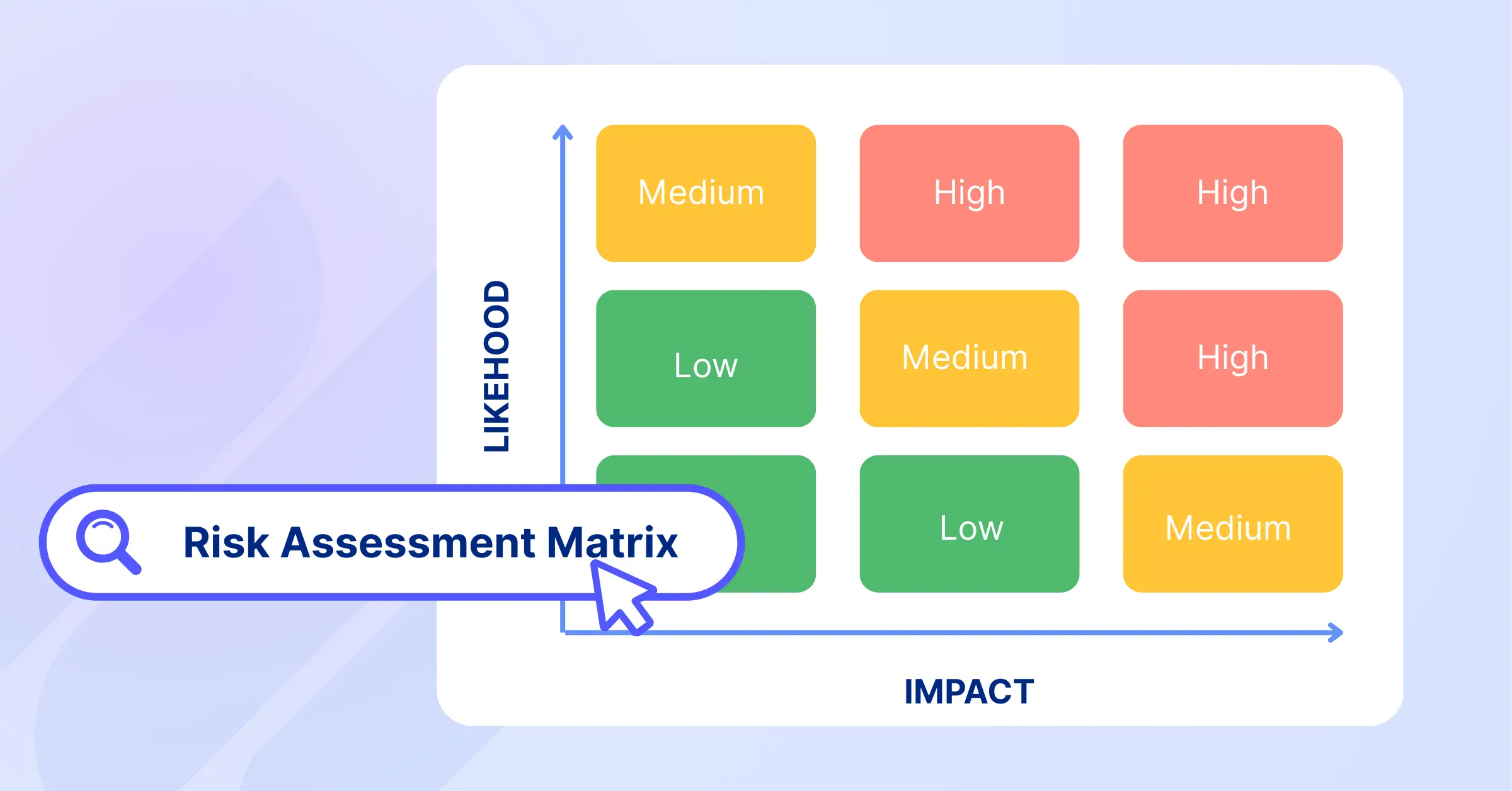
- Program-Level Risk Management: Addressing risks that impact the entire program, not just individual projects.
- Stakeholder Engagement: Communicating with senior leadership to align program outcomes with business strategy.
- Resource Optimization: Allocating budgets and personnel across projects to maximize efficiency.
Program managers focus on the big picture, ensuring the collective impact of projects drives meaningful results for the organization.
What is a Project Manager?
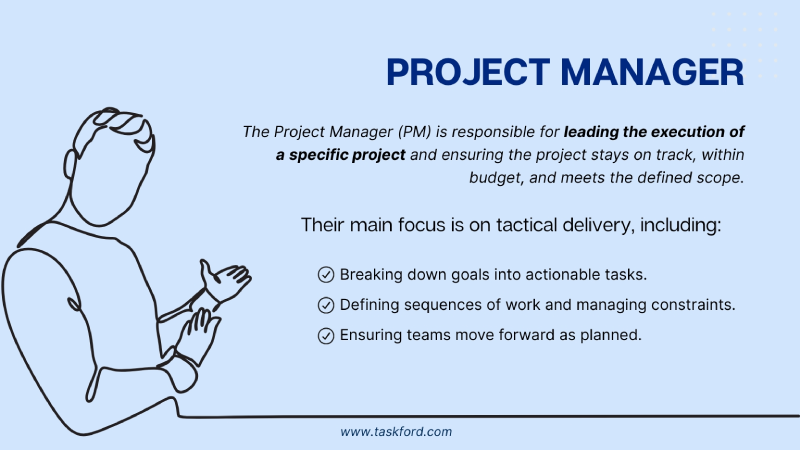
A Project Manager (PM) is responsible for leading the execution of a specific project. A project typically has a clearly defined beginning, end, deliverables, and timeline. The PM ensures that the project stays on track, remains within budget, and fulfills the defined scope. In most organizations, project managers are the linchpins of day-to-day execution.
Main Focus Areas
Their primary focus is tactical delivery. That means breaking down goals into action items, defining sequences of work, managing constraints, and ensuring that teams are moving forward as planned. PMs often work closely with functional leads, business analysts, QA teams, and developers to ensure clear communication and predictable delivery.
Key Responsibilities of a Project Manager
- Planning and Scheduling: Creating detailed project plans, including timelines, milestones, and resource allocation.
- Team Coordination: Leading cross-functional teams, ensuring clear communication and task alignment.
- Risk Management: Identifying potential issues, like scope creep or delays, and implementing solutions.
- Stakeholder Communication: Updating clients, executives, or team leads on progress and challenges.
- Budget Oversight: Monitoring costs to keep the project within financial limits.
Project managers thrive in environments where they can dive into the details, solve problems, and drive a specific deliverable to completion.
Program Manager vs Project Manager: Key Differences
Overview
| Area | Program Manager | Project Manager |
|---|---|---|
| Scope | Multiple related projects | One project |
| Focus | Strategic alignment and oversight | Execution and delivery |
| Timeframe | Long-term and ongoing | Short to medium-term |
| Success Criteria | Business outcomes, cross-project impact | On-time, on-budget, within scope |
| Reporting Line | Executive and cross-functional leadership | Delivery teams |
| Coordination Level | Portfolio-level | Task-level |
| Tools Often Used | Portfolio dashboards, dependency trackers, KPI frameworks | Gantt charts, task boards, PM software |
| Risk Focus | Cross-project dependencies and risks | Project-specific blockers |
A good way to think about it: a project manager makes sure the train arrives on time, while a program manager ensures the entire railway system is running efficiently. One is focused on tactical precision; the other is concerned with strategic outcomes.
Seniority and Salary
Program managers typically hold more senior roles and earn higher salaries due to their strategic focus. According to Glassdoor, program managers earn an average of $98,483 annually, compared to $89,282 for project managers. In technical fields, these figures may be higher due to specialized expertise.
Career Path
Program Manager Career Path:
- Program Managers typically have more experience and often hold advanced certifications like PgMP or an MBA.
- This role requires strong leadership skills to manage multiple related projects and align them with business goals.
Project Manager Career Path:
- Entry-level professionals often start as Project Coordinators and move into Project Manager roles after gaining experience.
- Certifications like PMP help enhance skills and career growth, with the potential to transition into Program Management.
To explore the different specializations within project management, consider reading our guide on Types of Project Managers to understand how project managers adapt across industries, methodologies, and team structures.
Where Program and Project Managers Overlap
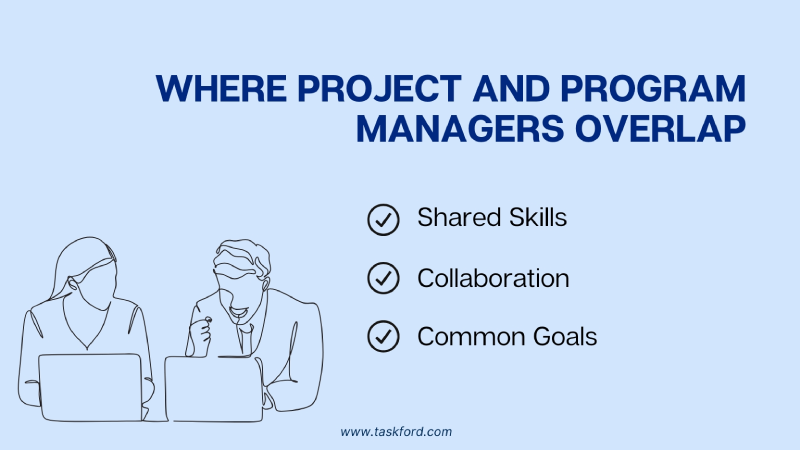
While their scopes differ, program and project managers share common ground in skills, tools, and goals, especially in technical environments.
1. Shared Skills
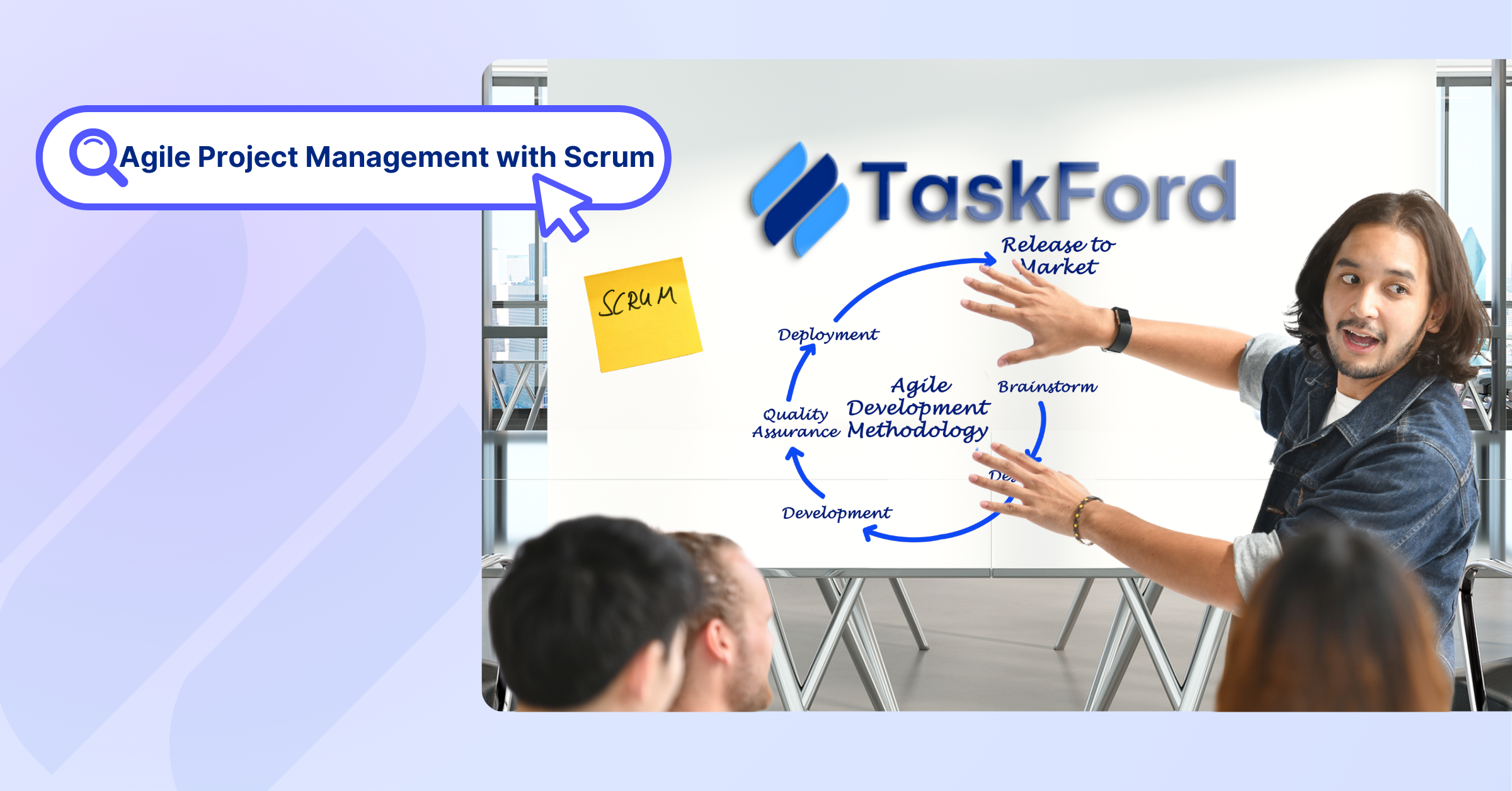
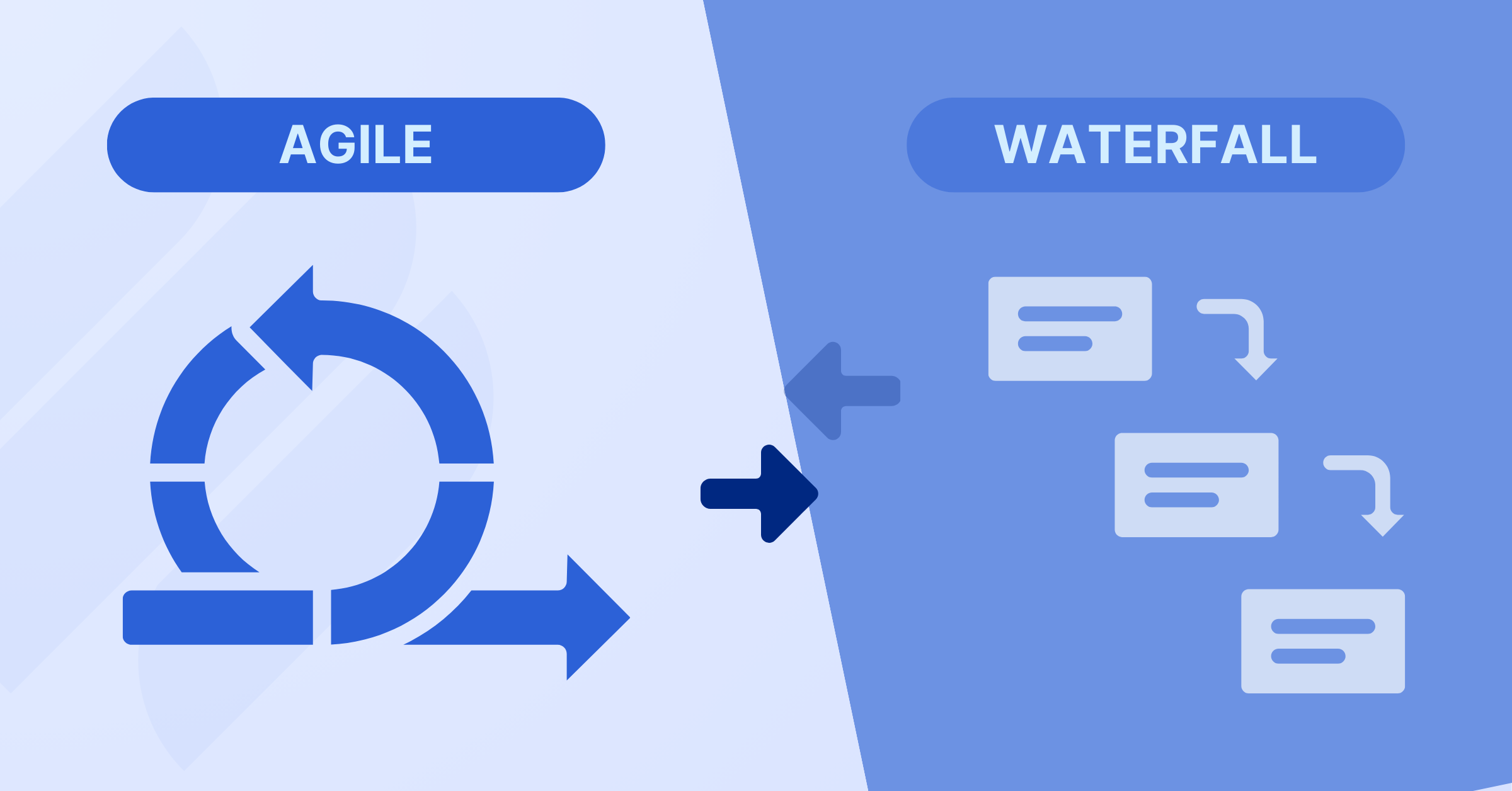
Both roles require strong leadership, communication, and problem-solving abilities. Technical project managers, in particular, need familiarity with specific work management tools as well as methodologies like Agile Methodologies or Scrum. They must also understand technical concepts, such as software development cycles or IT infrastructure, to effectively guide their teams.
2. Collaboration
Project managers often report to or work closely with program managers. For example, a project manager developing a new app feature might collaborate with a program manager overseeing a larger mobile platform upgrade. Tools like RACI charts help clarify roles and ensure smooth teamwork.
3. Common Goals
Both roles aim to deliver value to the organization. Project managers achieve this through successful project execution, while program managers ensure the program’s projects collectively advance strategic objectives. Their collaboration is critical in technical settings, where projects often depend on shared resources and timelines.
4. Example of Overlap
Imagine a tech company launching a new product. The program manager oversees the entire product launch program, including marketing, software development, and logistics. A project manager, reporting to the program manager, handles the software development project, ensuring it aligns with the program’s timeline and goals.
Both use Agile methodologies and tools like Jira to track progress and coordinate efforts.
Do You Need a Program Manager or Project Manager?
Choosing the right role depends on the complexity of what you’re managing. One is not more important than the other, just suited to different scopes of work.
Ask these questions:
- Are we working on a one-off initiative or a long-term effort with evolving components?
- Is our biggest challenge execution or alignment?
- Do we have multiple teams contributing to shared outcomes?
- Are stakeholder needs changing across timeframes or departments?
- Are we scaling delivery or trying to improve process maturity?
If you need to:
- Deliver a defined output (like a website redesign or system upgrade), you likely need a project manager.
- Drive strategic outcomes across multiple efforts (like implementing a company-wide platform change) — you’ll need a program manager.
Considerations
Reflect on whether you prefer tactical execution or strategic oversight. Technical project managers often need to balance hands-on technical knowledge with management skills. Also, consider your organization’s needs—smaller companies may prioritize project managers, while larger ones benefit from both roles.
TaskFord: The Ideal Tool for Project and Program Managers
When it comes to managing projects and programs, choosing the right tool can significantly improve efficiency, communication, and execution. TaskFord stands out as a perfect solution for both Program Managers and Project Managers, offering a wide range of features designed to support their daily tasks and address the challenges they face.
How TaskFord Supports Program Managers
1. Comprehensive Portfolio Overview
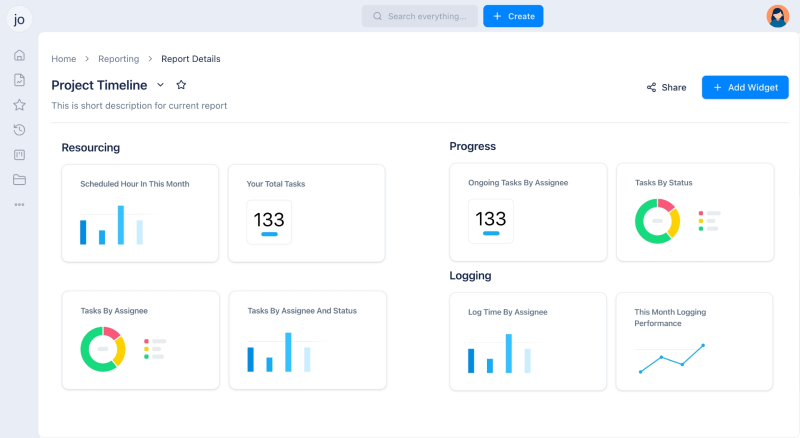
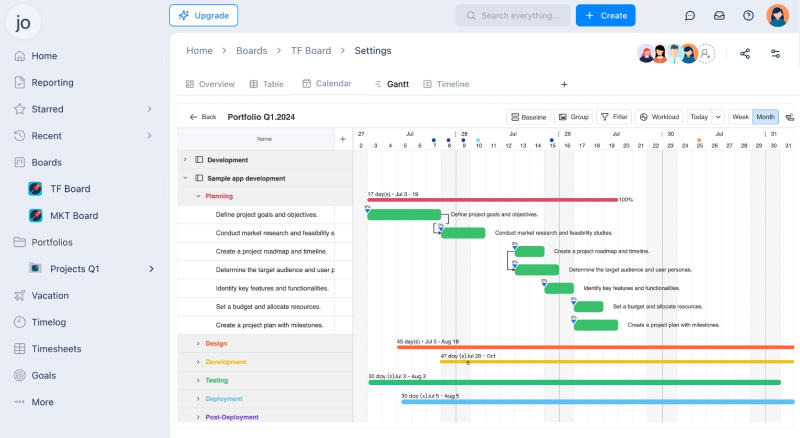
TaskFord empowers Program Managers with tools to oversee multiple projects within a single program, ensuring alignment with organizational goals. The platform’s portfolio management features provide a centralized dashboard to monitor, track, and optimize the performance of all projects simultaneously.
2. Cross-Project Dependency Management
Managing dependencies across multiple projects can be challenging, but TaskFord simplifies this with its cross-project dependency tracking features. Program Managers can view how tasks and milestones in one project might affect others, helping to minimize delays and avoid conflicts.
3. Resource Allocation Across Projects
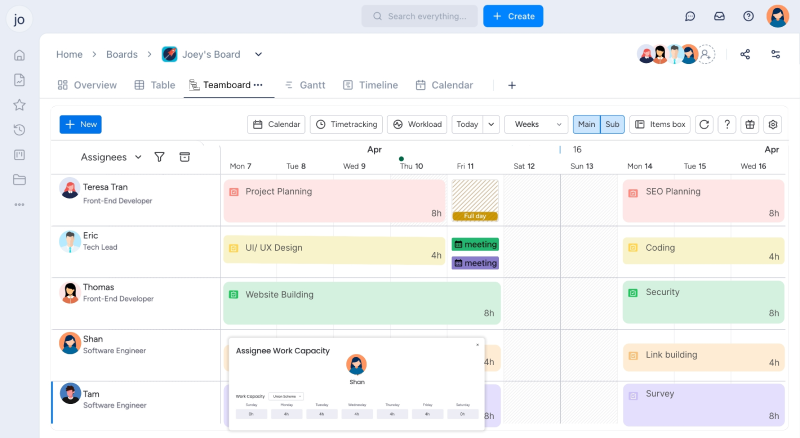
With TaskFord, Program Managers can allocate resources efficiently across multiple projects within a program. The platform’s resource management tools provide real-time visibility into resource availability, ensuring that the right people and assets are available when needed, without overburdening any team or individual.
4. Advanced Analytics for Performance Monitoring
TaskFord allows Program Managers to track the performance of all projects in the program with the detailed reporting feature. Through customizable performance metrics, Program Managers can assess whether projects are meeting their objectives and identify areas that need attention.
How TaskFord Helps Project Managers
1. Optimized Resource Allocation
In project management, efficient use of resources is crucial for staying on track and within budget. TaskFord offers resource management tools that allow Project Managers to allocate resources with precision. It provides a clear view of team availability, skillsets, and workload distribution, ensuring that tasks are assigned to the right people at the right time.
2. Comprehensive Task Management
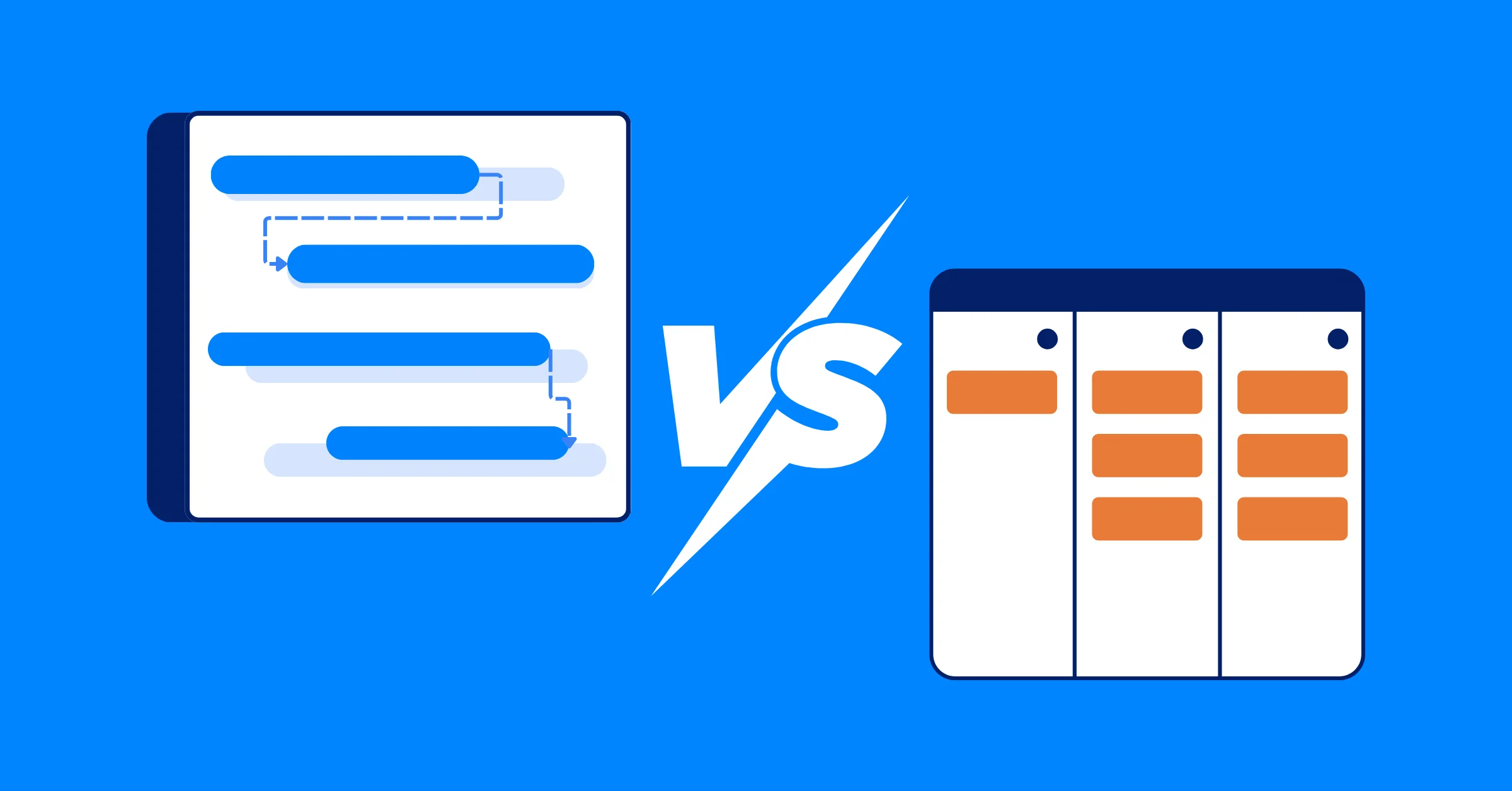
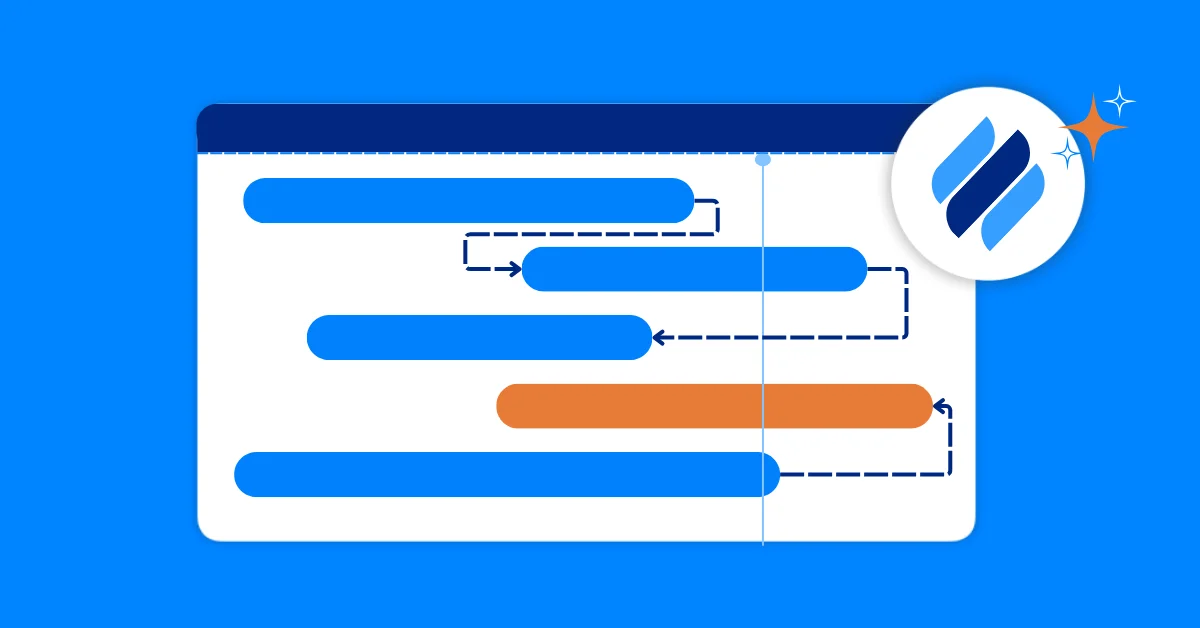
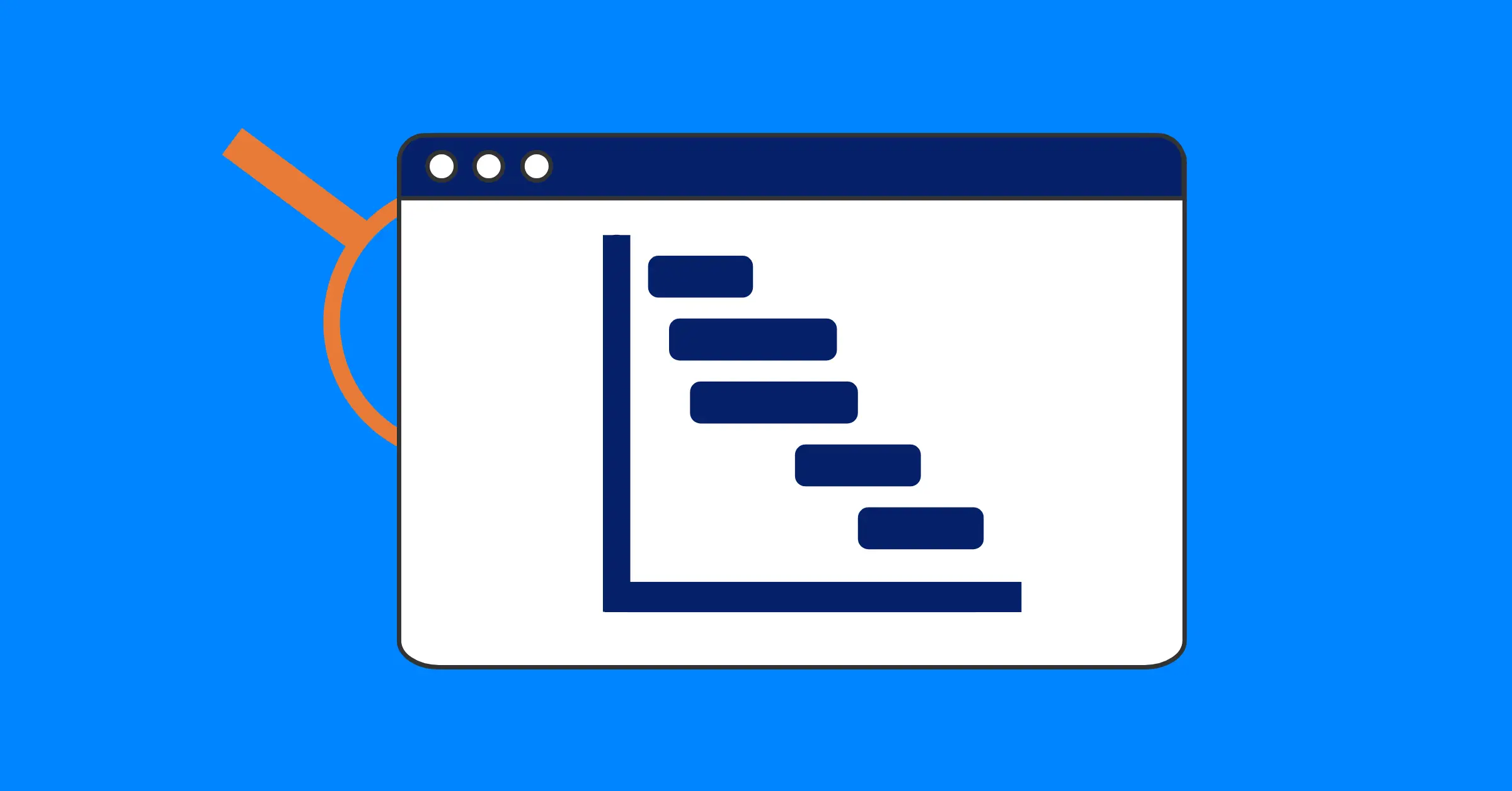
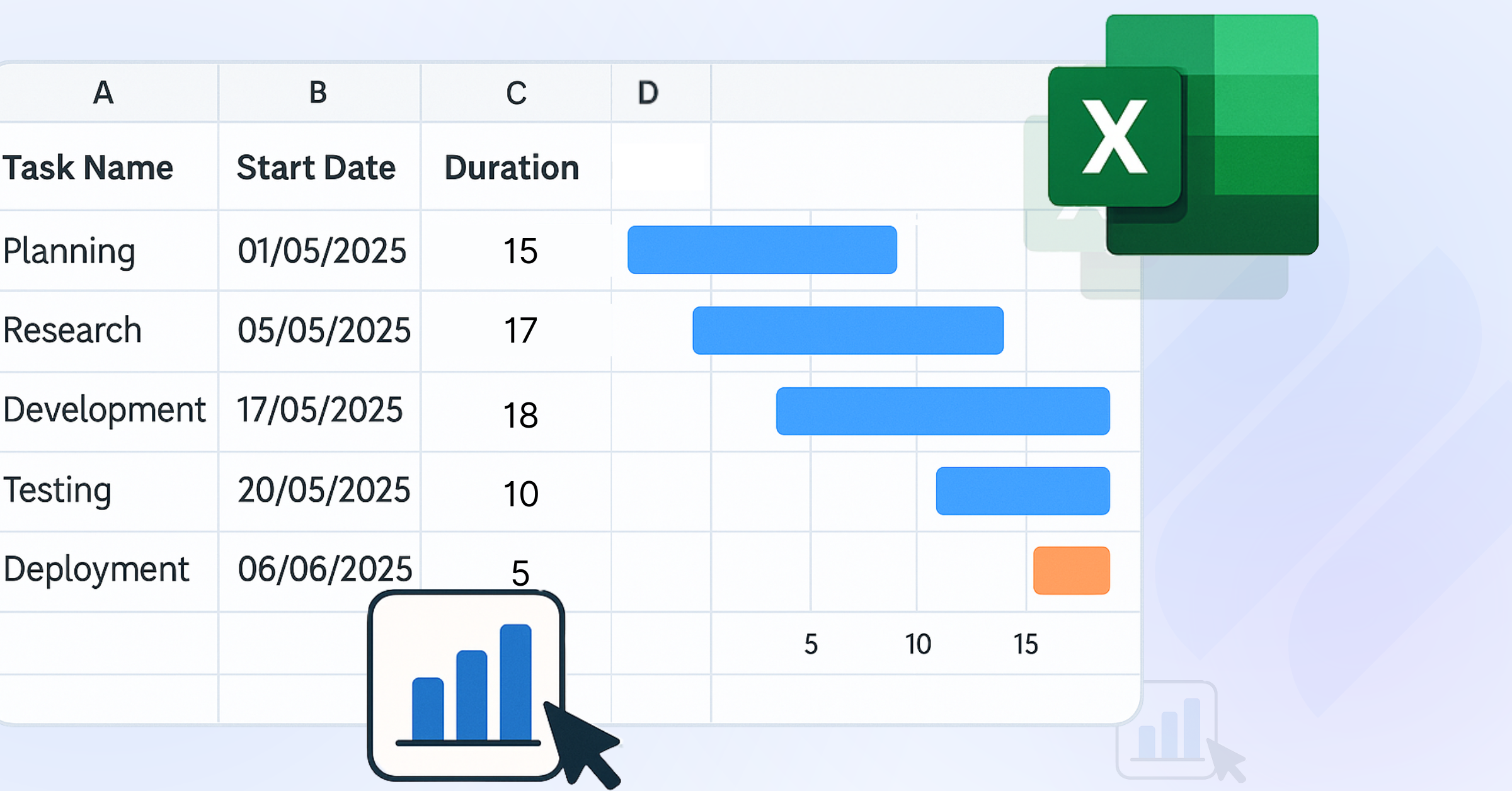
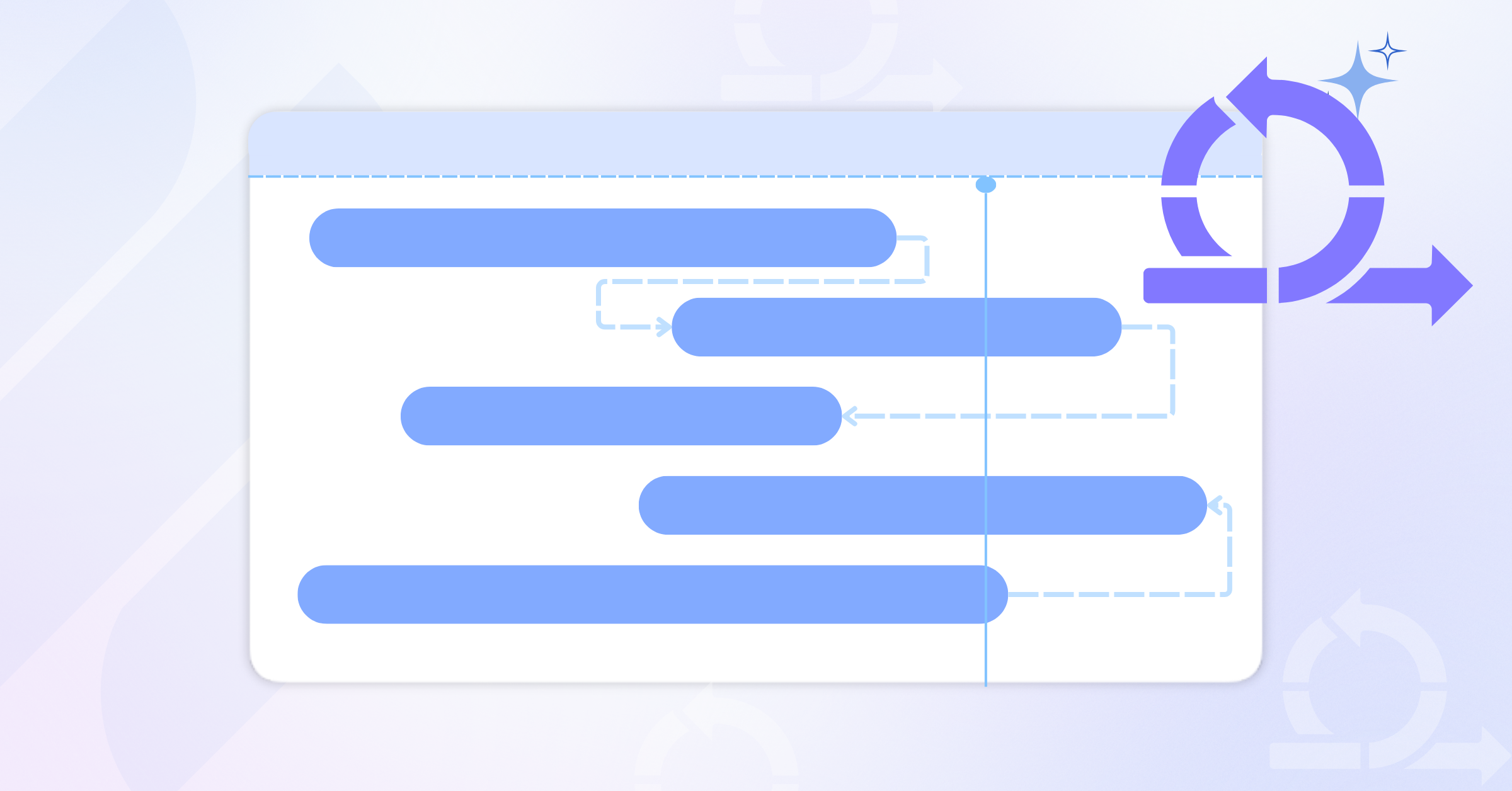
TaskFord allows Project Managers to break down complex projects into manageable tasks. With its user-friendly interface, tasks can be assigned, tracked, and completed within a clear timeline. TaskFord offers a Gantt Chart view for detailed, visual project planning, allowing Project Managers to set milestones, track progress, and manage dependencies in a clear, structured way. Additionally, it provides a Kanban view, ideal for managing tasks in a more flexible, visual format.
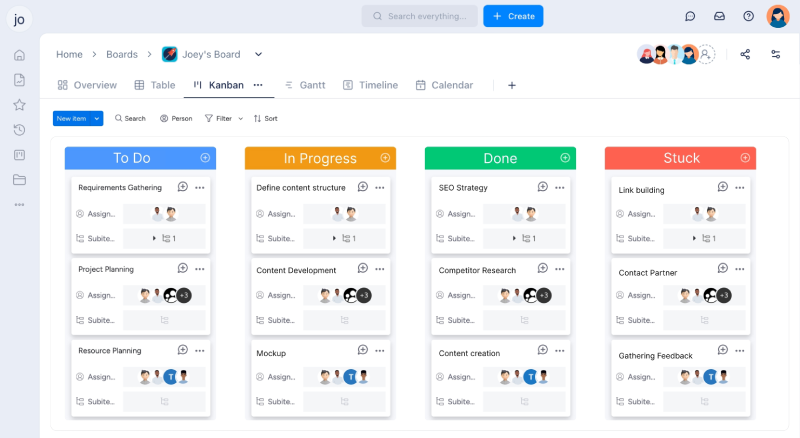
Explore more the key differences between Gantt Chart vs Kanban for your projects.
3. Budget and Time Tracking
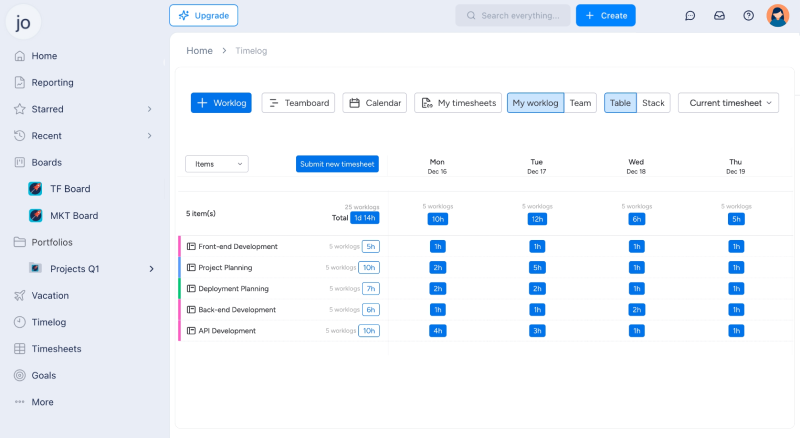
Effective budget management and time tracking are key to a project’s success. TaskFord integrates both into one easy-to-use platform, allowing Project Managers to track expenses, time spent on tasks, and overall project budgets in real-time.
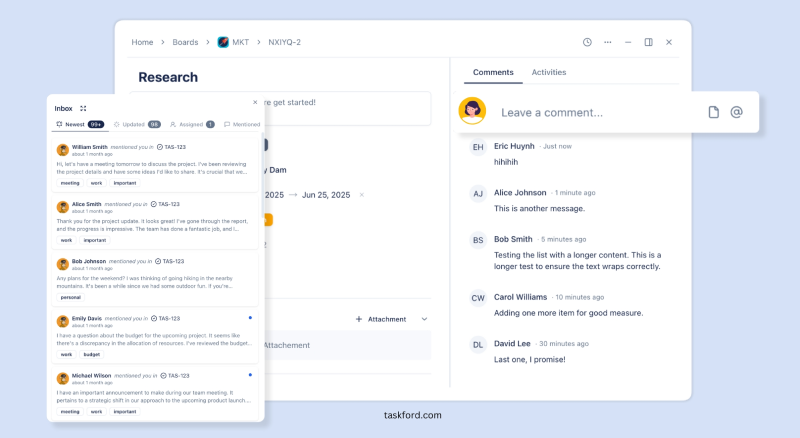
4. Real-Time Collaboration
Clear communication is essential for project success, especially with distributed teams. TaskFord offers real-time updates, instant messaging, and commenting features, ensuring that teams stay in sync no matter where they’re located.
Final Thoughts
Understanding the roles of Program Manager and Project Manager is crucial for aligning your team with organizational goals. Project Managers focus on delivering individual projects, while Program Managers oversee multiple projects, ensuring alignment with broader business objectives.
Whether you’re focused on tactical execution or strategic oversight, TaskFord offers specialized tools like project planning, resource management, dependency tracking, and real-time collaboration to help both roles succeed. By leveraging TaskFord, both Project Managers and Program Managers can ensure smooth project delivery and drive long-term business success.
Related Resources
- What is Resource Planing? Definition, Examples and How to Do it Right?
- Project Management Tools Comparison - Expert Reviews
- How Agile Project Management Software Helps Track Developer Performance: 5 Tools to Know
Related Articles










How to Build and Manage a Product Roadmap with TaskFord









How to Build a Connected Project Timeline in TaskFord









What Are the Best Jira Alternatives for Scrum Teams?





















How WBS Reveals Delivery Breakdown Before It’s Too Late








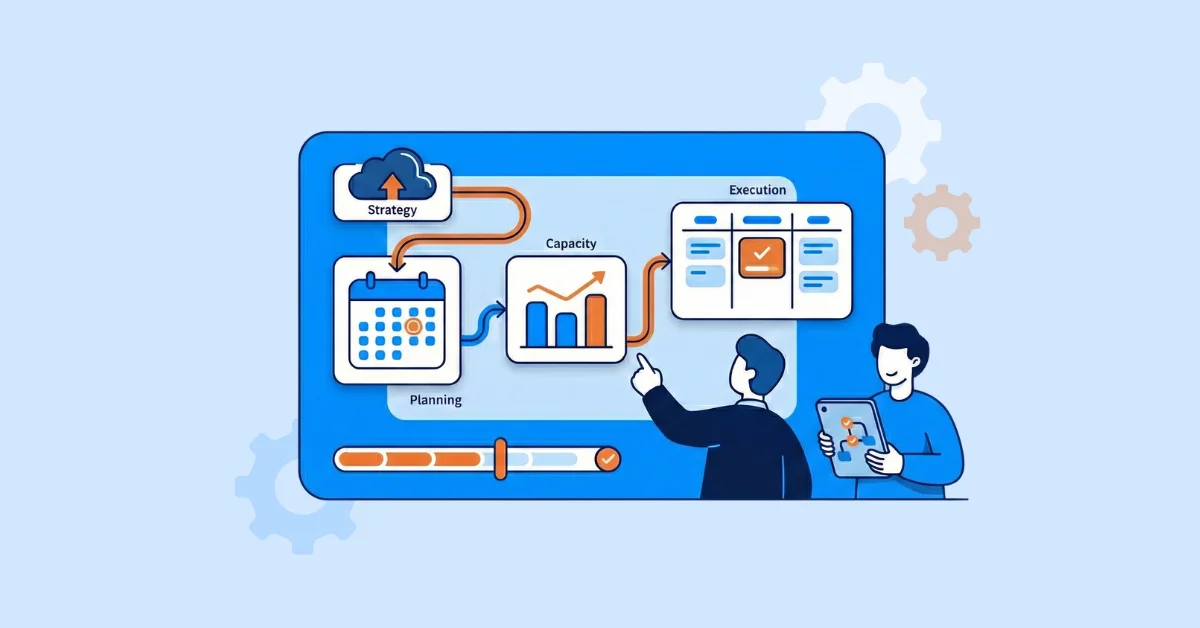
![How To Conduct a Profound Stakeholder Analysis [+ Free Template]](/marketing/blog/stakeholder-analysis.webp)






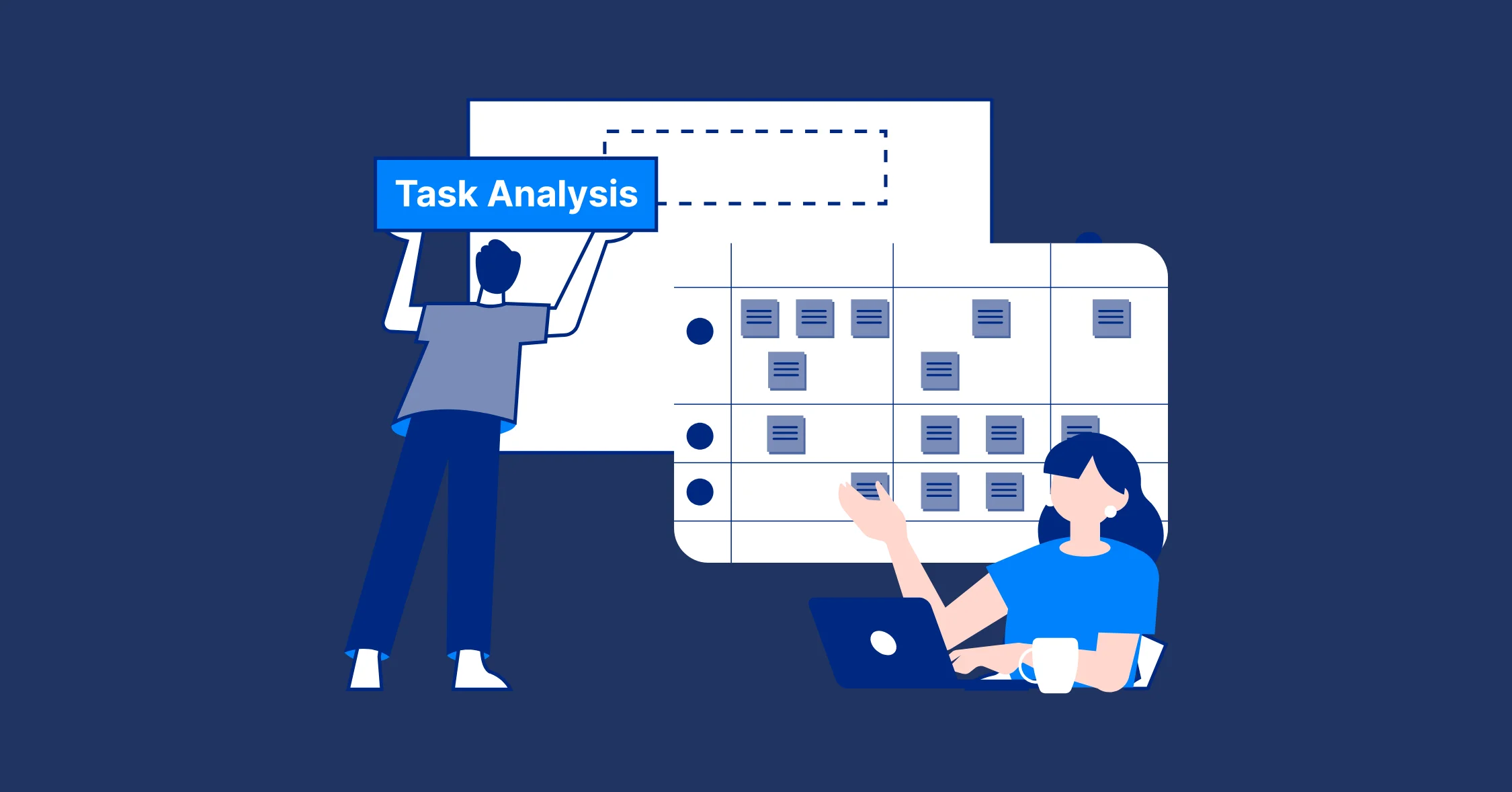
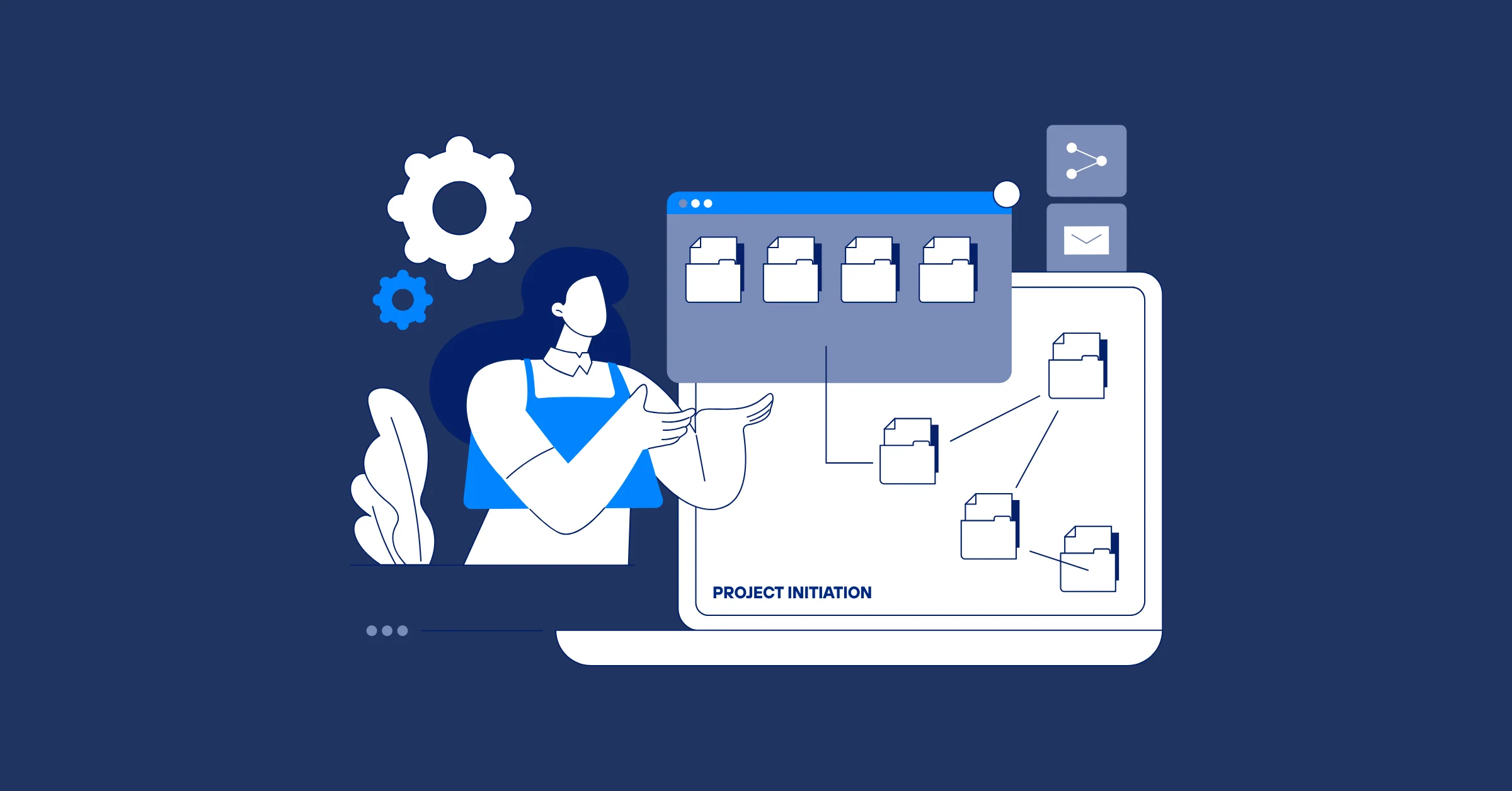







What to Look for in Scrum Tools (Beyond Kanban Boards)

![Project Management Calendar for Teams and Managers [Free Templates]](/marketing/blog/project-management-calendar.webp)





How to Define Project Deliverables: A Step-by-Step Guide







![RACI Chart in Project Management: Rules & Examples [Free Download]](/marketing/blog/raci-chart.webp)













![7 Must-Have Project Management Documents Every PO Should Know [Free Templates]](/marketing/blog/project-management-documents.webp)







![How to Create a Winning Project Plan for IT Projects [10 Steps Included]](/marketing/blog/how-to-create-a-project-plan.webp)


![Daily Standup Best Practices: Apply AI to Organize Meetings Successfully [2026 Trends]](/marketing/blog/daily-standup.webp)





![How to Create a Project Communication Plan: Step-by-Step Guide [+Free Template]](/marketing/blog/project-communication-plan.png)


![Master Project Procurement Management in 5 Steps [Download a free plan template]](/marketing/blog/project-procurement-management.webp)























Subscribe for Expert Tips
Unlock expert insights and stay ahead with TaskFord. Sign up now to receive valuable tips, strategies, and updates directly in your inbox.