What Is Scope in Project Management? How to Write a Scope That Works
Learn what project scope is, why it matters, and how to write a clear scope statement. Avoid scope creep and keep your project on track with practical tips.
Every successful project needs a clear plan, and that starts with defining the scope. In simple terms, project scope means understanding what needs to be done and what’s not included. It helps everyone on the team know what the project is about, what work is expected, and what the final result should look like.
When the scope is clear, it’s easier to manage time, resources, and expectations. However, when it’s unclear, teams can encounter issues such as undertaking extra work that wasn’t planned (scope creep), exceeding budget, or missing deadlines.
In this blog, we’ll explain what scope means in project management, why it’s important, and how you can write a project scope that actually works—step by step.
What is Scope in Project Management?
In project management, scope refers to the comprehensive set of activities, tasks, and deliverables that must be completed to achieve the project’s objectives. Simply put, the project scope defines what the project will do—and just as importantly, what it will not do.
Having a clear scope helps project teams stay aligned, avoid confusion, and deliver results on time and within budget. Without it, projects are more likely to face delays, budget issues, and problems with changing requirements, commonly known as scope creep.
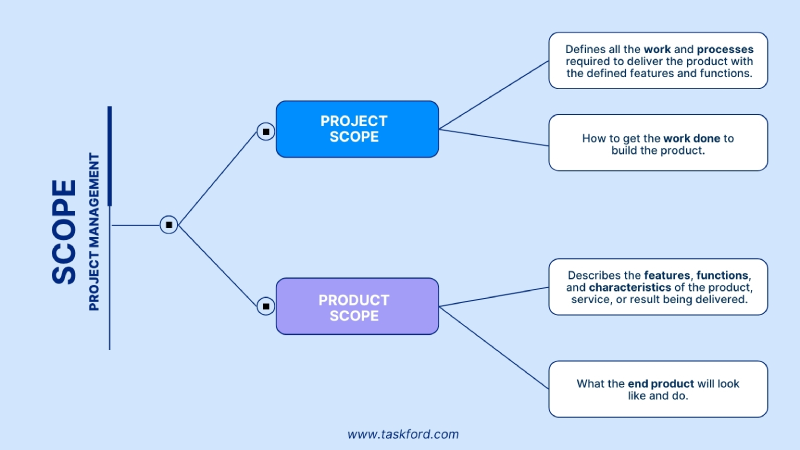
There are two main types of scope in project management:
- Project Scope: This focuses on the specific work and processes required to complete the project successfully. It includes tasks, timelines, resources, and deliverables.
- Product Scope: This refers to the features, functions, or quality of the final product or service being created.
In simple terms:
- Scope = What we agreed to do.
- Scope creep = What sneaks in that we didn’t plan for.
For example, if a team is tasked with creating a mobile app, the project scope might include research, design, development, testing, and deployment. The product scope would describe what the app should do, such as user login, push notifications, or payment integration.
A well-defined project scope provides a shared understanding among stakeholders and team members. It ensures that everyone knows the project objectives, what’s included, what’s excluded, and how success will be measured.
By defining the scope early on and keeping it updated, you can reduce risks, improve communication, and make better decisions throughout the project.
Understanding scope is just one part of running a successful project. If you’re new to this topic, learn more about What is Project Management
Why Scope Matters in Project Management
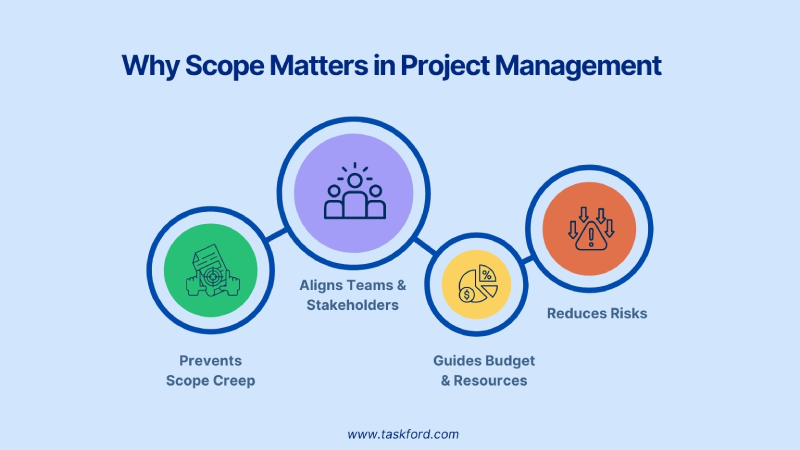
When it comes to what is scope in project management, think of it as the guardrails that keep your project on the right path. A well-defined scope is the backbone of any successful project, ensuring everyone knows exactly what’s expected, what’s included, and what’s off the table. But why does it matter so much? Here’s why scope is a game-changer:
- Prevents Scope Creep: Without a clear scope, new tasks and requests can sneak in, derailing your timeline and budget. A solid scope statement stops these surprises by setting firm boundaries.
- Aligns Teams and Stakeholders: A defined scope gets everyone—team members, clients, and stakeholders—on the same page, reducing misunderstandings and keeping goals in sync.
- Guides Budget and Resources: Knowing what scope is in project management helps you allocate time, money, and people effectively, avoiding wasteful overspending or underplanning.
- Reduces Risks: Clear scope management lowers the chance of delays, cost overruns, and team burnout. The Project Management Institute notes that 52% of projects face scope creep without proper scope control.
In short, mastering what is scope in project management is your ticket to delivering projects that hit their targets and keep everyone happy. It’s not just a plan—it’s the key to turning your vision into reality without the chaos.
Components of an Effective Project Scope Statement
A well-written project scope statement acts as a guide for your entire project. It helps everyone understand what the project will deliver, what’s included, and how the work will be completed. Getting this document right from the start helps prevent miscommunication, delays, and scope creep.
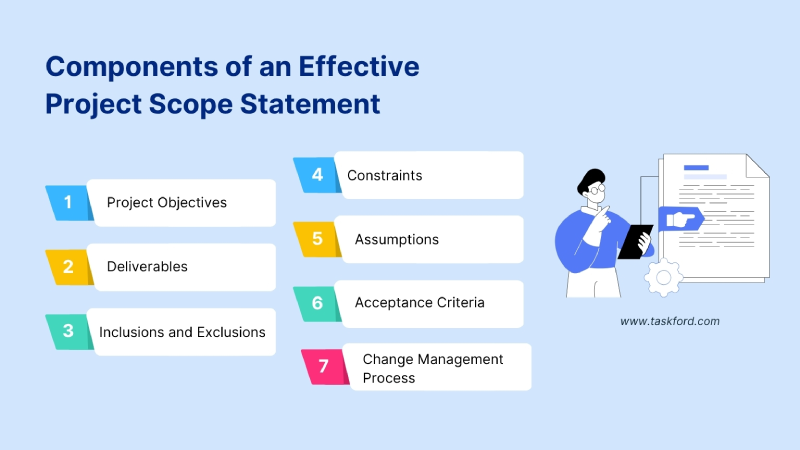
Here are the key components that make a scope statement effective and useful:
Project Objectives
Start with the why. The project objectives should clearly explain what the project is trying to achieve. These goals should be specific, measurable, and aligned with stakeholder expectations. When everyone understands the purpose, it’s easier to stay focused and make smart decisions along the way.
Deliverables
This is the what. List the specific outputs your team is expected to produce. Deliverables can be anything from a new software feature to a research report or marketing campaign. Make sure each deliverable is described clearly so there’s no confusion about what needs to be handed over at the end.
Inclusions and Exclusions
Defining what is part of the project—and what isn’t—is essential. Inclusions explain what work will be done. Exclusions help avoid misunderstandings by stating what’s not covered. This section is key to managing expectations and preventing scope creep.
Constraints
Every project has limitations. Whether it’s a fixed deadline, a limited budget, or specific tools that must be used, constraints define the boundaries your team must work within. Acknowledging these early helps with realistic planning.
Assumptions
These are the conditions you believe to be true when starting the project. For example, you might assume that the client will provide content or that a particular system will be available for use. Assumptions are not guaranteed facts, so they should be documented and revisited if things change.
Acceptance Criteria
How do you know when the project is complete? This section defines the conditions that must be met for the deliverables to be accepted. It helps avoid disputes later by making sure everyone agrees on what “done” looks like.
Change Management Process
Even with a solid scope, change requests can (and likely will) come up. A simple, defined process for handling changes ensures that nothing is added to the project without proper review, approval, and adjustments to the plan if needed.
Together, these components form the backbone of a reliable project scope statement. When clearly documented and shared with all stakeholders, this statement a powerful tool for keeping your project focused, controlled, and successful.
How to Write a Project Scope Statement
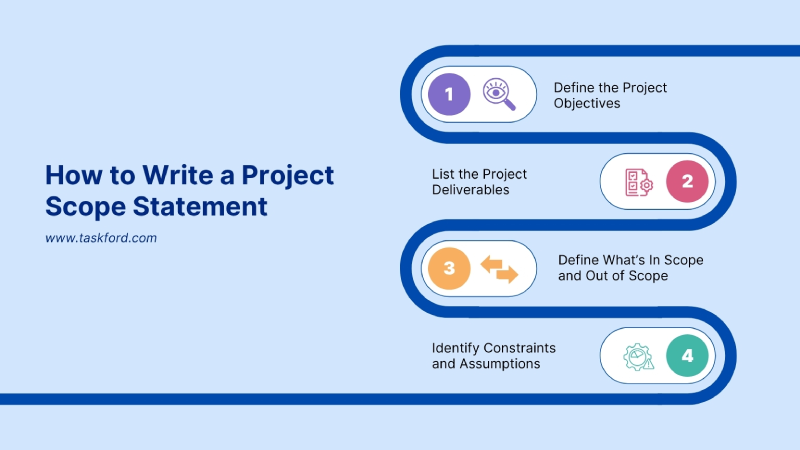
Step 1: Define the Project Objectives
Start by writing down the main goal of the project. What is the team trying to achieve? Why is this project happening? These goals should be clear and specific, not vague.
It’s helpful to make sure your goals are measurable so that you can check later whether they were met. Many teams use the SMART format (Specific, Measurable, Achievable, Relevant, Time-bound).
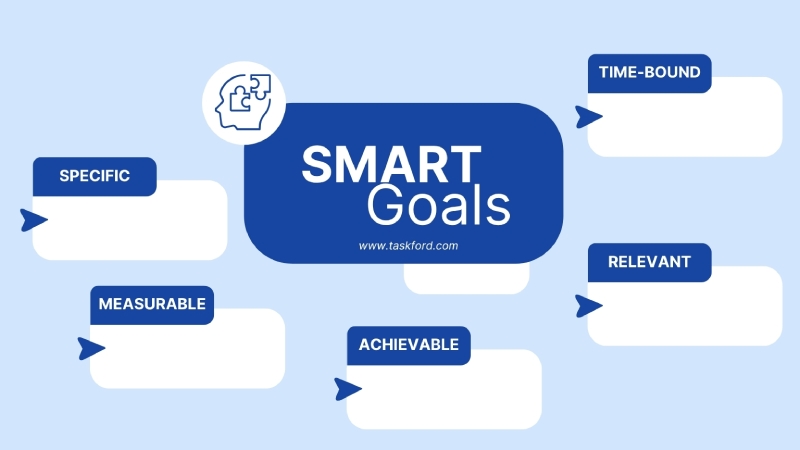
Example: “Develop a new booking system to reduce manual reservations by 50% in six months.”
This becomes the anchor for all your project decisions.
Step 2: List the Project Deliverables
Now, define what your team will actually create or deliver during the project. These are the project deliverables, and they could be anything—like a website, a report, a software feature, or a service.
Try to be as clear and detailed as possible. For larger deliverables, it’s okay to break them down into smaller pieces.
Example:
- Mobile app with login, search, and notification features
- User manual for app usage
- Launch plan with rollout schedule
Knowing exactly what needs to be delivered keeps the team focused and accountable.
Step 3: Define What’s In Scope and Out of Scope
This part helps you draw the line between what will be done and what won’t. It’s one of the most important parts of the scope statement because it prevents misunderstandings and controls scope creep (when unexpected tasks are added mid-project).
Example:
- In scope: Design and development of five key web pages
- Out of scope: Social media setup, blog content writing
Be honest and realistic about what your team can and can’t take on.
Step 4: Identify Constraints and Assumptions
Every project has limitations. These constraints could include time, budget, technology, or team capacity. Listing them helps everyone understand what boundaries you’re working within.
At the same time, write down any assumptions you’re making—things you expect to be true, even if they aren’t guaranteed. These could be things like:
- The client will provide feedback within two days
- The necessary software tools will be available throughout the project
This step helps manage risk and keeps planning grounded in reality.
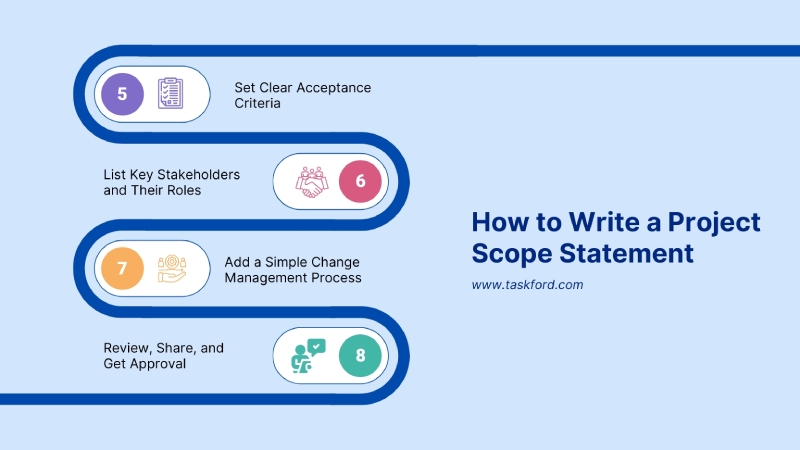
Step 5: Set Clear Acceptance Criteria
It’s not enough to just deliver something—you also need to know what “done” looks like. This section explains how the team and stakeholders will agree that a deliverable is complete and acceptable.
Example acceptance criteria:
- Mobile app passes all QA tests
- Client signs off on design prototypes
- The final report includes all required data and formatting
Setting acceptance criteria helps ensure consistent quality and smooth approvals.
Step 6: List Key Stakeholders and Their Roles
Good communication starts with knowing who’s involved. List the people connected to the project and what their roles are, especially decision-makers, reviewers, or anyone who needs to approve work.
Examples:
- Project manager: Overall coordination
- Marketing lead: Reviews campaign content
- Client representative: Final sign-off on deliverables
Having clear roles avoids delays and last-minute confusion.
Step 7: Add a Simple Change Management Process
Even the best-planned projects can face changes. Instead of letting new requests derail your project, set a process for handling scope changes.
This doesn’t have to be complicated—just make it clear how change requests should be submitted, who approves them, and what happens next. That way, if someone asks for extra features, you’ll have a plan in place to handle it properly.
Step 8: Review, Share, and Get Approval
Once you’ve written the scope statement, share it with all key stakeholders. Ask for their feedback, make necessary adjustments, and get formal approval before the project begins.
This step confirms that everyone agrees on the goals, deliverables, limits, and process, setting the stage for a smoother, more predictable project.
Once your scope is written, the next step is managing it day-to-day. Here are some of the best project management tools to help you stay organized.
Tips for Effective Project Scope Management:
Managing project scope effectively helps your team stay focused, avoid delays, and prevent unnecessary work. Here are some practical tips to help you stay in control:
✅ Define Clear, Measurable Objectives
Start with goals that are specific, easy to understand, and tied to business outcomes. When everyone knows what success looks like, it’s easier to stay focused and avoid distractions.
✅ Involve Stakeholders from the Beginning
Early input from stakeholders helps shape a realistic scope. Keep them engaged through regular updates to maintain alignment and avoid surprises or late-stage changes.
✅ Set Clear Boundaries: What’s In and What’s Out
Clearly outline what’s included in the project—and just as importantly, what’s not. This keeps expectations in check and prevents scope creep from sneaking in.
✅ Use a Simple, Consistent Change Process
Changes to the scope should follow a structured process. Make sure any new requests are reviewed, approved, and documented before work begins. This keeps the project timeline and resources under control.
✅ Review and Communicate the Scope Regularly
Scope isn’t a one-time task. Revisit it during check-ins and status meetings to ensure the team is aligned and progress stays on track. Regular communication helps identify risks before they become issues.
Final Thoughts
A clear project scope is the foundation of successful project management. It defines what needs to be done, sets expectations, and keeps the team aligned.
By writing a solid scope statement and actively managing it throughout the project, you reduce confusion, prevent scope creep, and improve delivery outcomes. It’s not just a document—it’s your guide for staying on track.
Take the time to define it well, communicate it clearly, and review it often. It’s a small effort that leads to smoother, more successful projects.
Related Resources
- Project Management Terms - From Agile to WBS: 80 Key Terms You Should Know
- AI in project management A Look at 2026 and Beyond
- Agile Project Management Software Helps Track Developer Performance: 5 Tools to Know
- Agile Project Management: The Basics for Beginners
Related Articles

















How to Build and Manage a Product Roadmap with TaskFord





















How to Build a Connected Project Timeline in TaskFord
















What Are the Best Jira Alternatives for Scrum Teams?
































How WBS Reveals Delivery Breakdown Before It’s Too Late











![How To Conduct a Profound Stakeholder Analysis [+ Free Template]](/marketing/blog/stakeholder-analysis.webp)





















What to Look for in Scrum Tools (Beyond Kanban Boards)




![Project Management Calendar for Teams and Managers [Free Templates]](/marketing/blog/project-management-calendar.webp)







How to Define Project Deliverables: A Step-by-Step Guide
















![RACI Chart in Project Management: Rules & Examples [Free Download]](/marketing/blog/raci-chart.webp)























![7 Must-Have Project Management Documents Every PO Should Know [Free Templates]](/marketing/blog/project-management-documents.webp)














![How to Create a Winning Project Plan for IT Projects [10 Steps Included]](/marketing/blog/how-to-create-a-project-plan.webp)




![Daily Standup Best Practices: Apply AI to Organize Meetings Successfully [2026 Trends]](/marketing/blog/daily-standup.webp)







![How to Create a Project Communication Plan: Step-by-Step Guide [+Free Template]](/marketing/blog/project-communication-plan.png)


![Master Project Procurement Management in 5 Steps [Download a free plan template]](/marketing/blog/project-procurement-management.webp)









































Subscribe for Expert Tips
Unlock expert insights and stay ahead with TaskFord. Sign up now to receive valuable tips, strategies, and updates directly in your inbox.