Understanding Agile Methodologies in Project Management: A Comprehensive Guide
Learn what Agile methodology is in project management, including Scrum, Kanban, SAFe, and RAD. Discover how Agile improves teamwork, flexibility, and delivery.
What is Agile Methodology
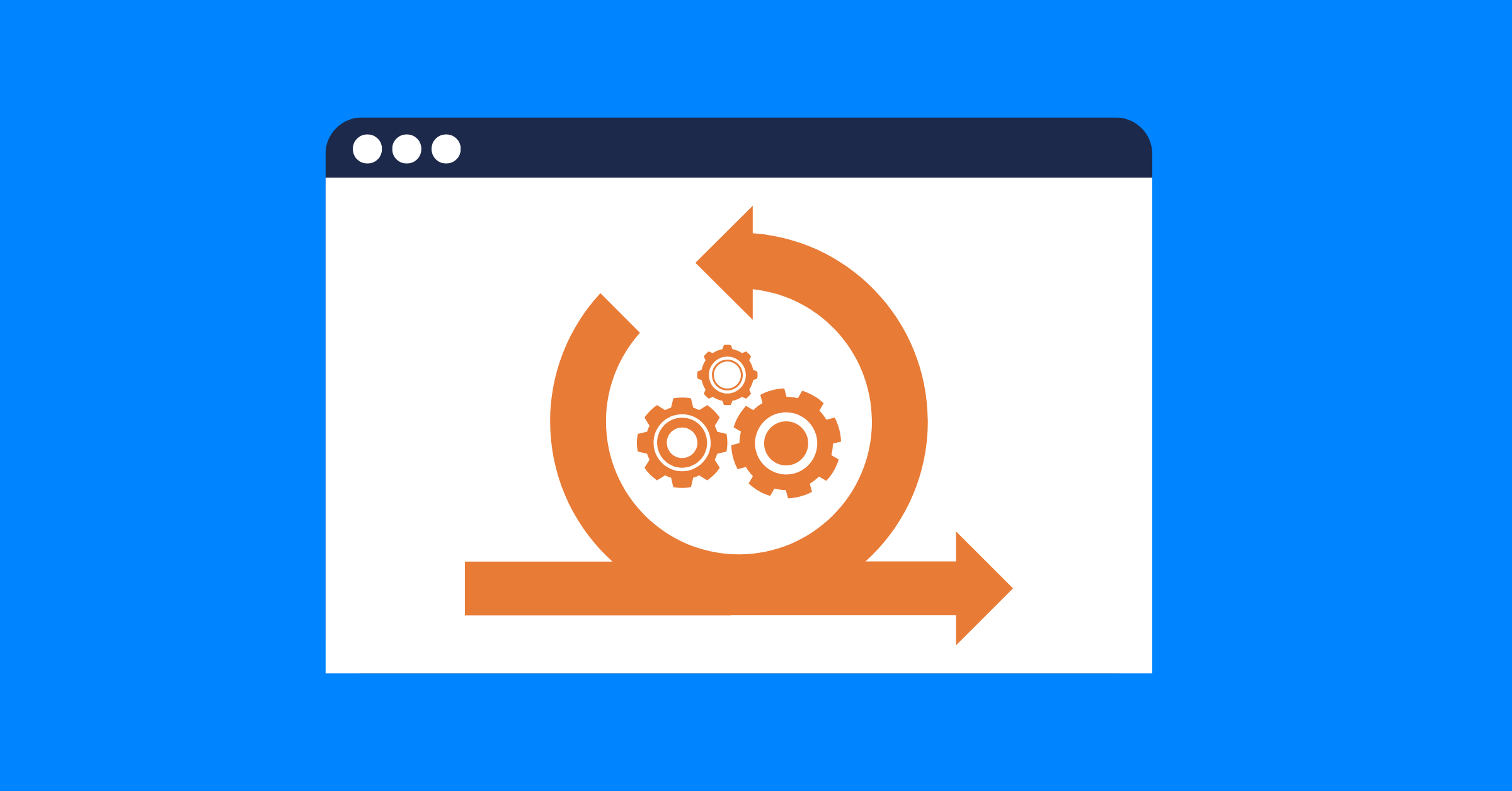
Agile methodology is a flexible way of managing projects where teams plan, build, and deliver work in small, repeatable cycles rather than trying to finalize everything upfront.
The goal is simple: deliver value sooner, learn as you go, and adjust quickly when priorities change. Instead of following a rigid plan from start to finish, Agile helps teams:
- Break work into smaller, manageable pieces
- Deliver usable progress regularly (often every 1–2 weeks)
- Stay aligned through frequent check-ins and feedback loops
- Adapt plans when new information or changes arise
- Improve continuously based on what’s working
Agile started in software development but is now used across marketing, operations, IT, product teams, and more — anywhere teams need to move quickly and keep delivery predictable.
What is Agile Methodology in Project Management?
Agile methodology is a way of managing projects that focuses on flexibility, teamwork, and delivering value in small, frequent steps rather than waiting for one big final release.
Instead of trying to predict everything upfront, Agile encourages teams to learn as they go, adjust quickly, and keep improving. It’s especially useful in environments where priorities change often or where solutions become clearer only once work begins.
Common Agile Frameworks
1. Scrum: The Most Popular Agile Framework
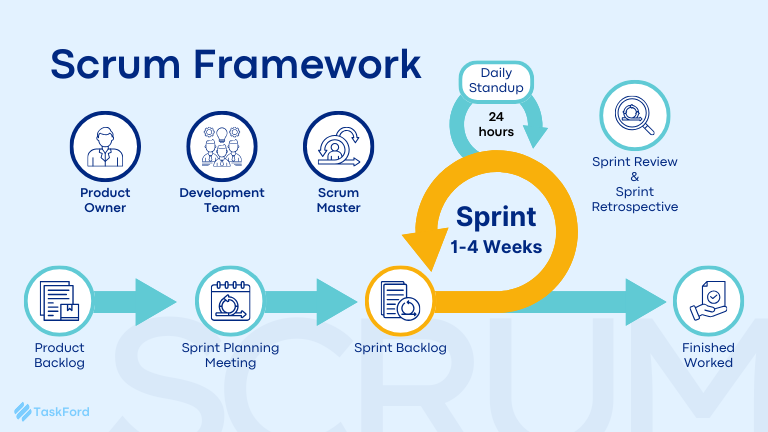
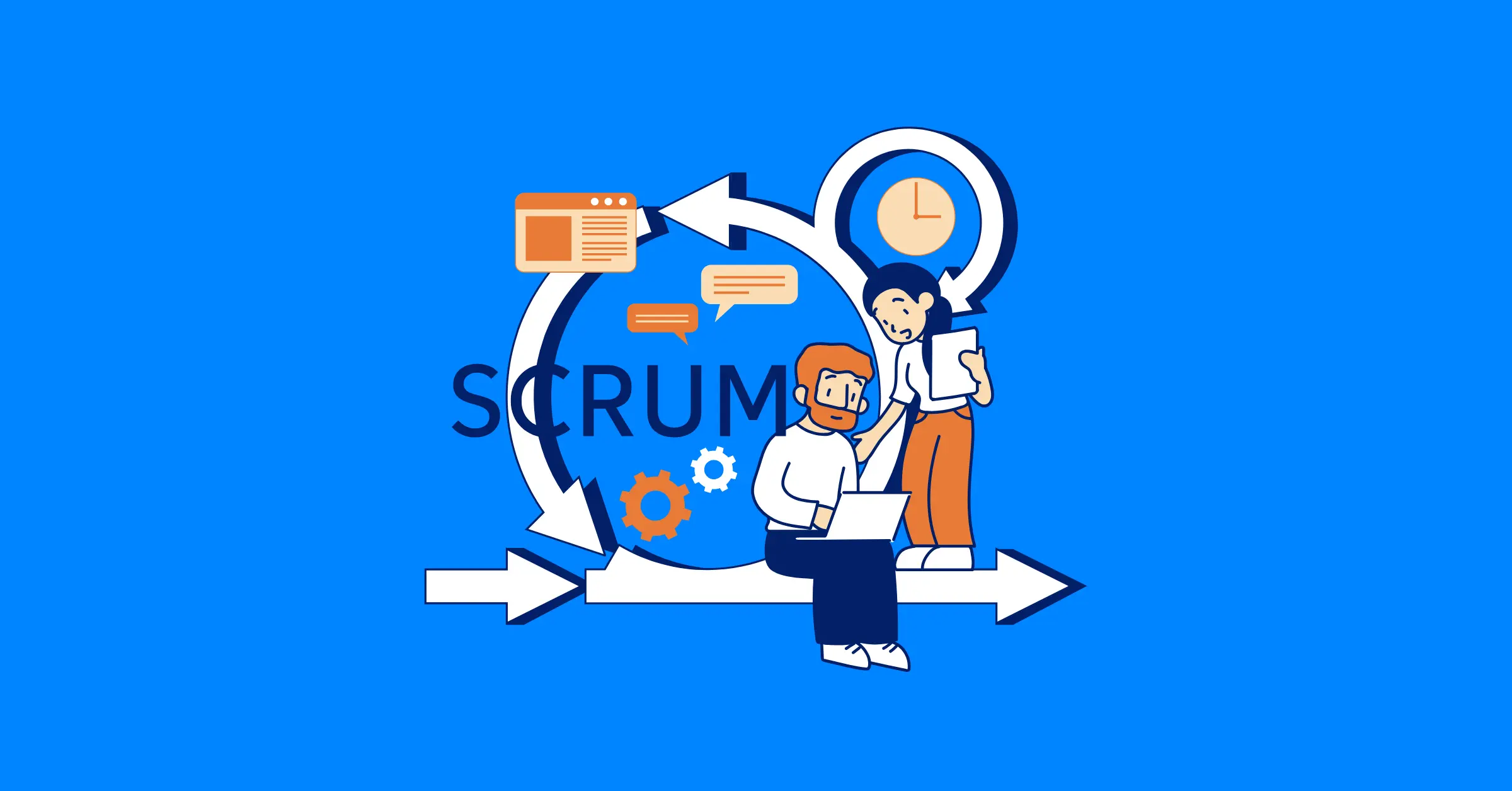
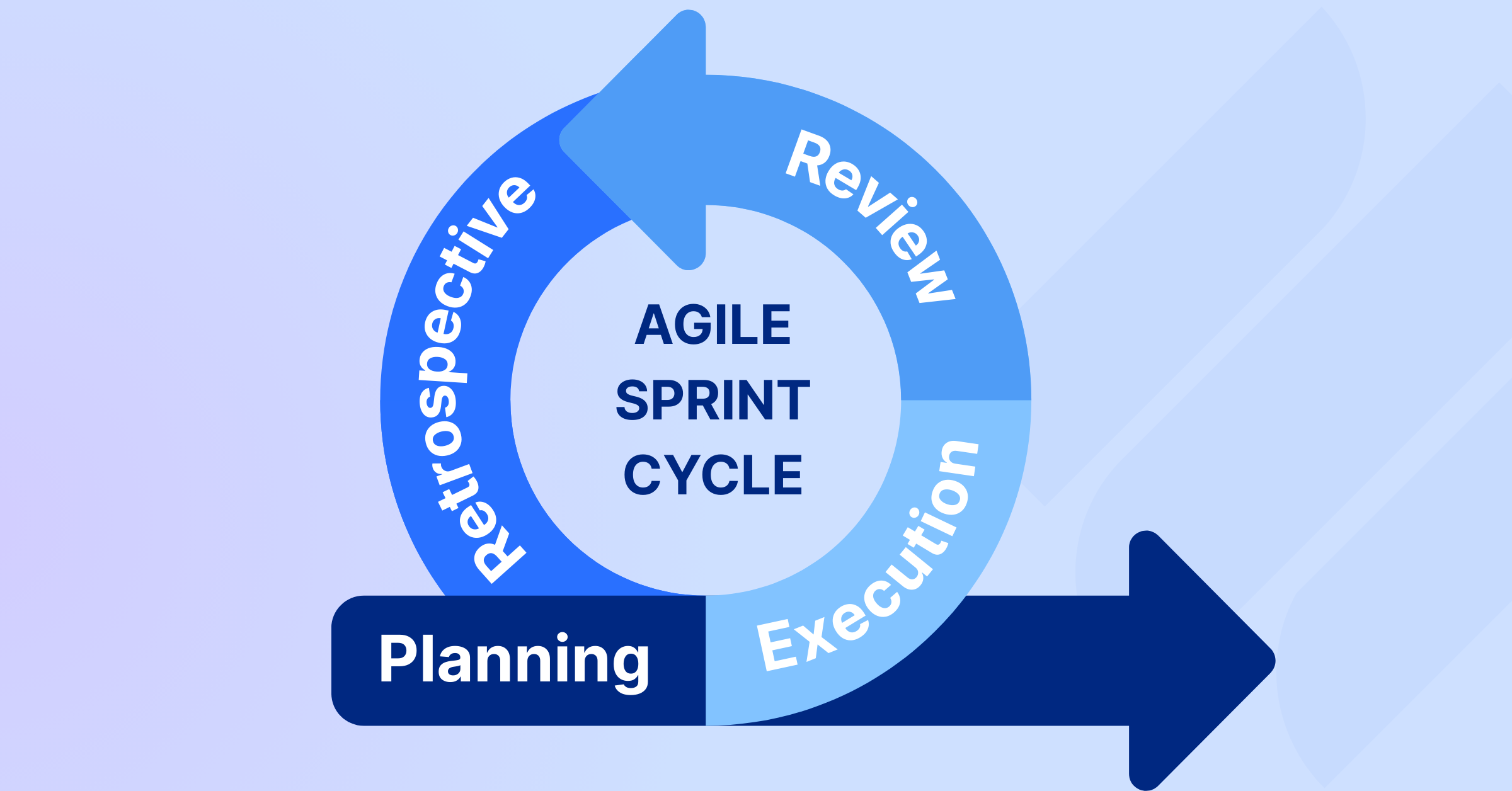
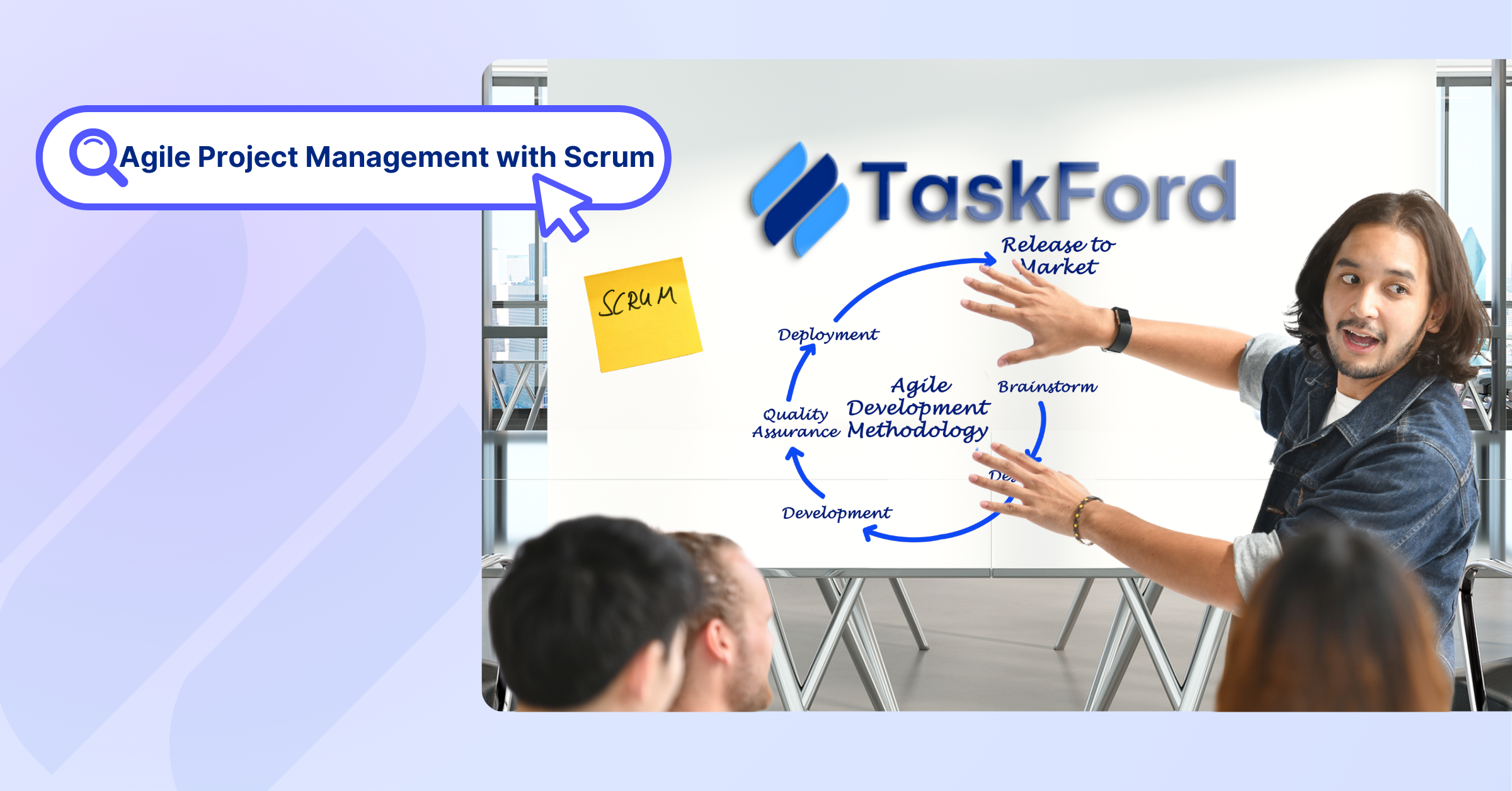
When answering what is Agile methodology in project management, Scrum would be one of the first to surface. It is one of the most widely used Agile frameworks and focuses on delivering high-quality work through structured time-boxed iterations known as sprints. These sprints are typically 1 to 4 weeks long, and each sprint produces a potentially shippable product increment.
Key Components of Scrum:
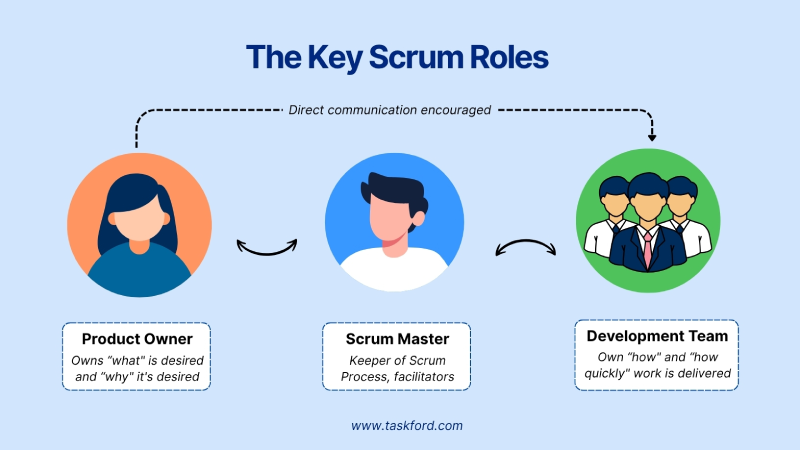
- Scrum Team: The Scrum Team consists of three key roles:
- Product Owner: Represents the customer and stakeholders, ensuring the product backlog is aligned with business priorities and customer needs.
- Scrum Master: Facilitates Scrum ceremonies, removes obstacles for the team, and ensures Scrum principles are followed.
- Development Team: A self-organizing group responsible for executing tasks and delivering increments.
- Sprints: Work is divided into small increments or sprints, usually lasting between 1 and 4 weeks. At the end of each sprint, a potentially deliverable product increment is completed.
- Backlog: Scrum relies on two types of backlogs: the Product Backlog, which contains all the desired features and tasks, and the Sprint Backlog, which is a list of tasks the team commits to completing within a given sprint.
- Ceremonies: Scrum has a set of defined ceremonies:
- Sprint Planning: Teams plan the tasks for the sprint and decide what they can achieve based on priorities.
- Daily Standups: A short daily meeting to discuss progress, challenges, and plans for the day.
- Sprint Review: The team demonstrates the work completed during the sprint to stakeholders for feedback.
- Sprint Retrospective: A meeting at the end of each sprint to reflect on what went well and what could be improved. When to Use Scrum: Scrum is ideal for projects where flexibility and quick feedback cycles are needed, such as software development or projects that evolve over time with frequent stakeholder involvement.
2. Kanban: Visualizing Work for Continuous Delivery
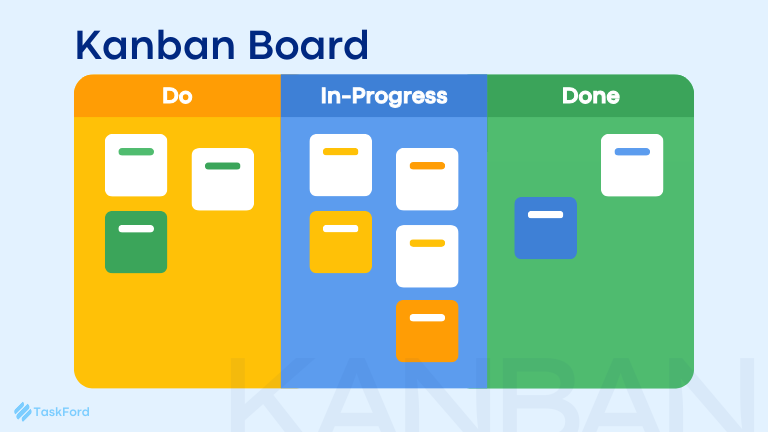
Kanban is a visual framework that emphasizes continuous delivery and flow. Unlike Scrum, which uses time-boxed sprints. This approach is designed to manage and visualize work items as they flow through the system, aiming to increase efficiency and minimize bottlenecks.
Key Components of Kanban:
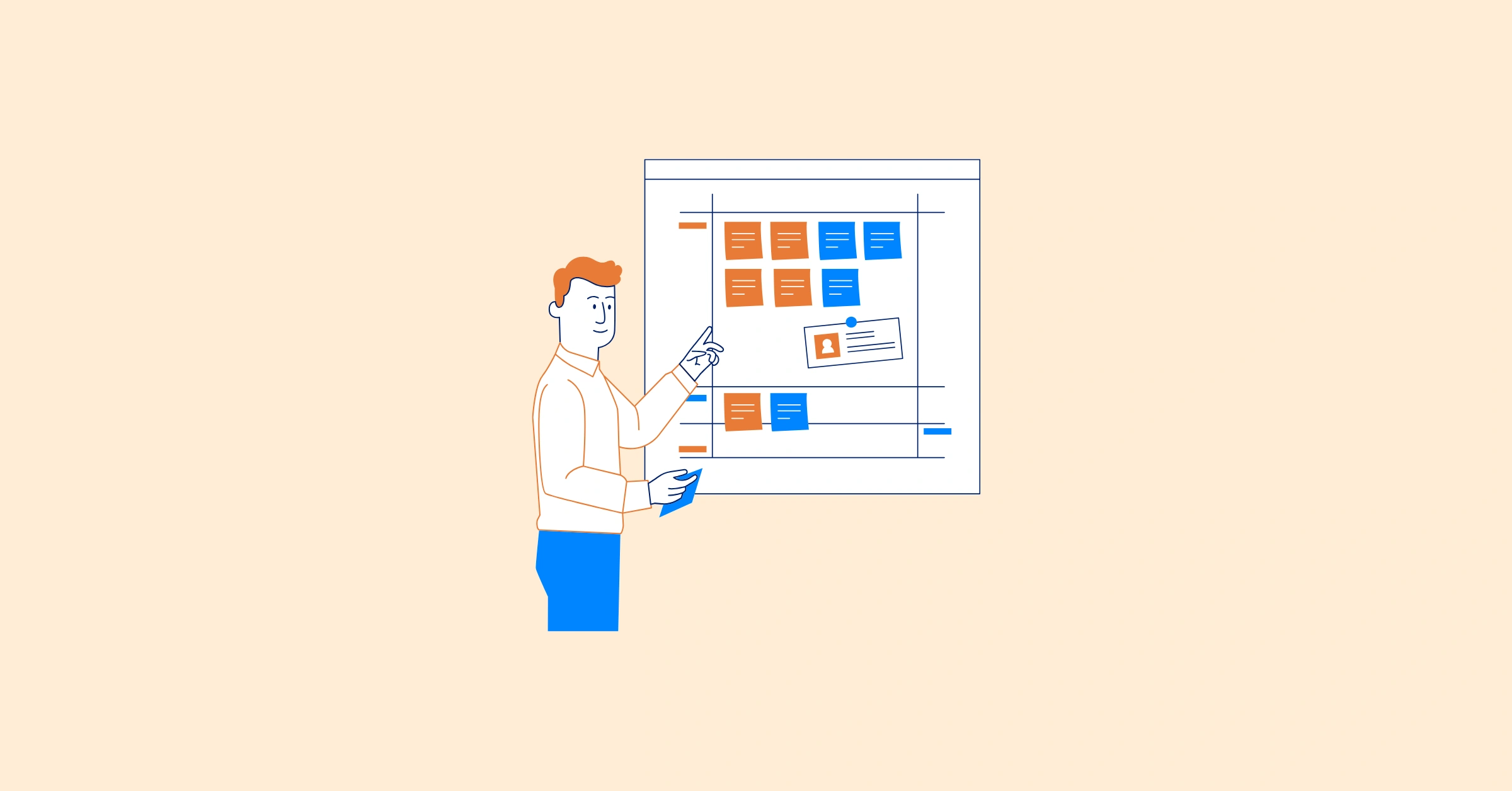
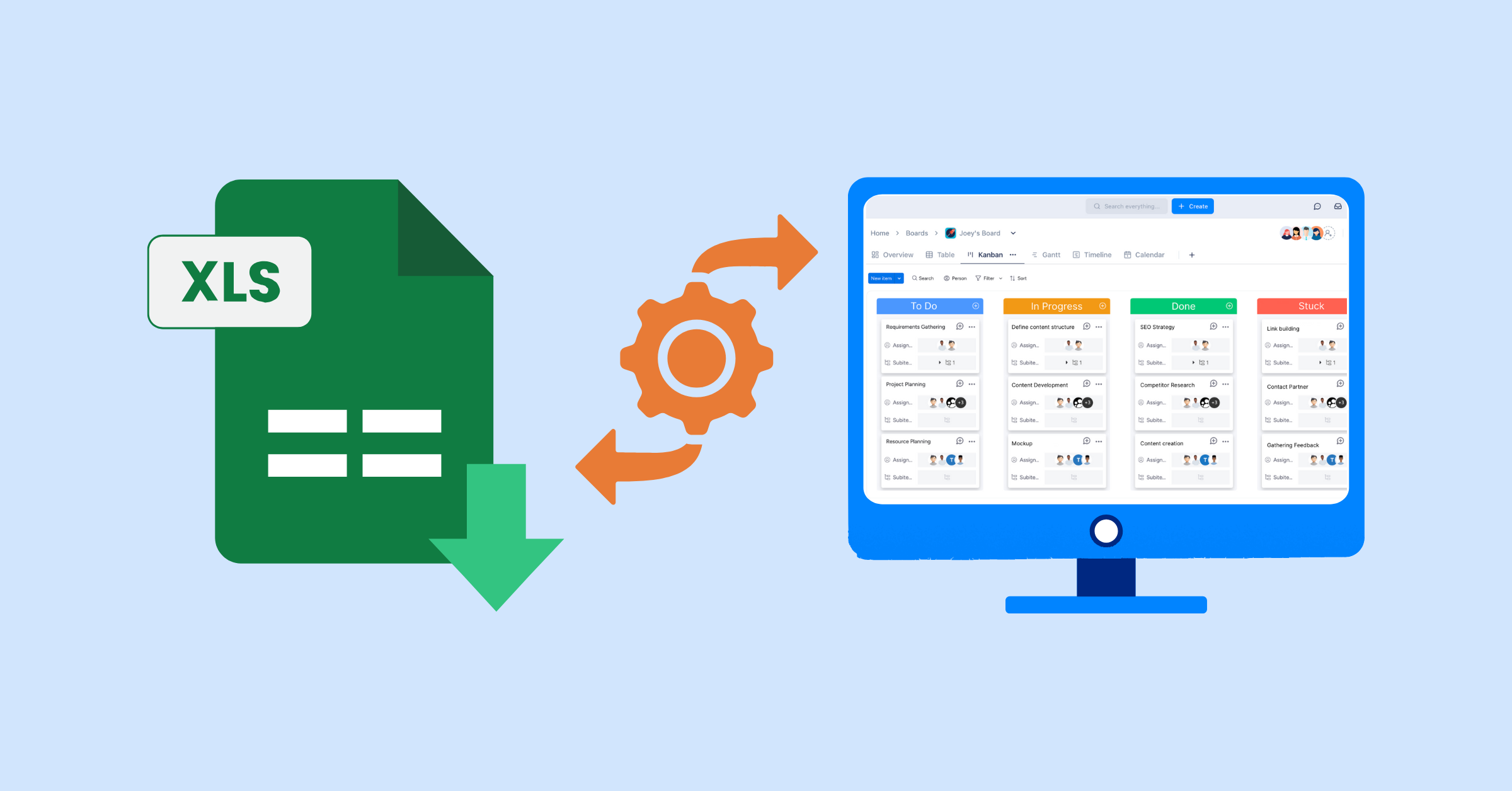
- Kanban Board: The central feature of Kanban, the board is used to visualize the workflow. It typically consists of columns such as To Do, In Progress, and Done, where tasks move from left to right as they progress.
- Work In Progress (WIP) Limits: Kanban sets limits on how many tasks can be in each stage at any given time. This helps ensure that the team is not overwhelmed and that the flow of work is efficient.
- Pull System: Tasks are “pulled” into the workflow when there is capacity, rather than being pushed through. This helps teams maintain continuous flow and avoid bottlenecks.
- Continuous Delivery: Unlike Scrum, which focuses on delivering features in sprints, Kanban encourages continuous delivery. Work is completed and delivered as soon as it is finished, rather than waiting for the completion of an entire sprint.
When to Use Kanban: Kanban is ideal for teams that need to manage ongoing, continuous work without strict deadlines or those who deal with tasks that need to be completed as soon as possible, such as support teams, maintenance work, or operations teams.
3. Lean: Maximizing Value by Minimizing Waste
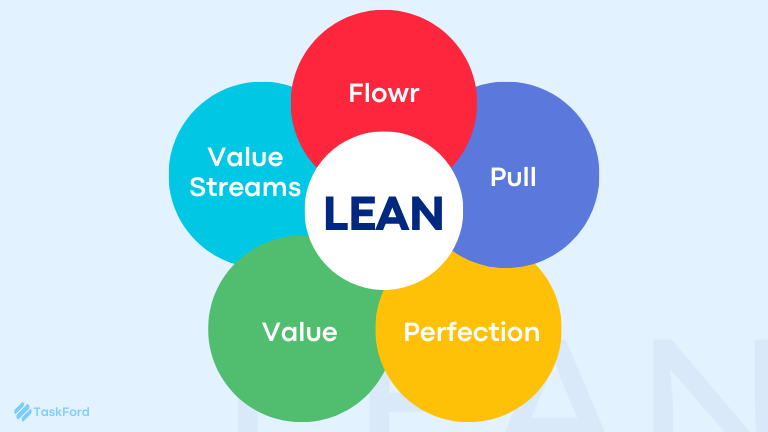
Lean focuses on optimizing processes by eliminating waste and ensuring that every step in the process adds value to the customer. Rooted in lean manufacturing principles, Lean methodology was later adapted to software development and project management.
Key Components of Lean:
- Value Stream Mapping: This is a tool used to analyze and optimize the flow of information and materials required to bring a product from concept to customer. By mapping out the entire process, teams can identify inefficiencies and remove waste.
- Waste Reduction: Lean categorizes various forms of waste, such as delays, excessive work in progress, unnecessary features, and underutilized resources. The goal is to eliminate or reduce these wastes to increase the overall efficiency of the project.
- Continuous Improvement (Kaizen): Lean promotes a culture of continuous improvement. Teams are encouraged to constantly reflect on their work and seek ways to streamline processes.
- Flow: A key objective of Lean is to ensure that tasks flow smoothly from one stage to the next without unnecessary delays.
When to Use Lean: Lean is best for teams that are looking to optimize efficiency, streamline processes, and reduce waste. It’s particularly useful in manufacturing and service-oriented projects but can be applied to any industry.
4. Hybrid Methodologies
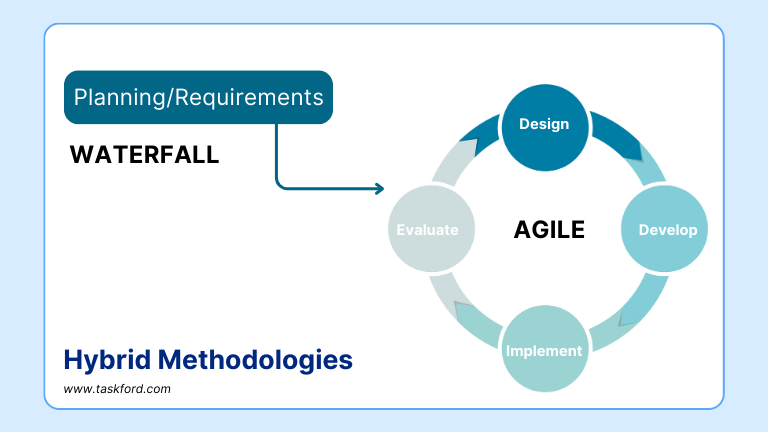
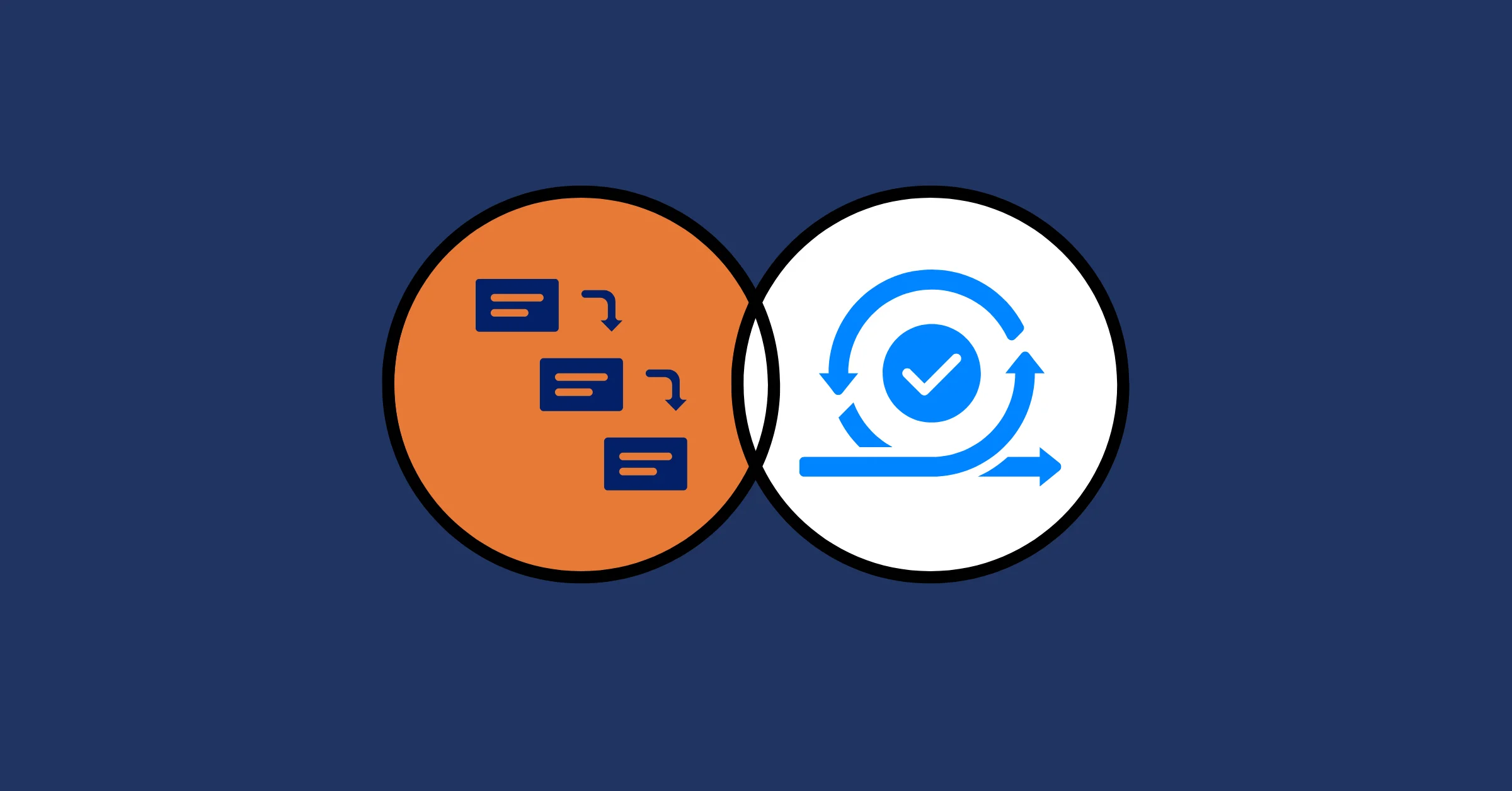
Hybrid methodologies combine the structured planning of traditional (Waterfall) project management with the flexible, iterative delivery of Agile. This balanced approach gives teams clarity at the start while still allowing room to adjust as work unfolds.
Key Components of Hybrid Methodologies:
- Upfront Planning & Scope Definition: Projects begin with clear objectives, scope, high-level milestones, and resource planning. This provides alignment and predictability before work starts.
- Iterative Execution (Sprints or Kanban Flow): Although the project has an upfront plan, the actual work is delivered in short cycles. This lets teams improve continuously, solve problems early, and respond to new information.
- Controlled Flexibility: Hybrid allows change—but in a structured way. Adjustments are reviewed and approved so the project can evolve without losing direction.
- Stakeholder Checkpoints & Reviews: Regular touchpoints ensure stakeholders stay informed and can give feedback at the right moments. This reduces misalignment and keeps expectations realistic.
- Blended Reporting & Governance: Teams combine Agile metrics (like sprint progress or WIP visibility) with traditional reporting on timelines, budgets, and scope. This maintains both agility and accountability.
When to Use Hybrid: Hybrid methodologies work best when teams need both structure and adaptability. This includes complex cross-team projects, initiatives with fixed deadlines or compliance requirements, and organizations moving gradually from Waterfall to Agile.
5. Feature-Driven Development (FDD): Focusing on Features
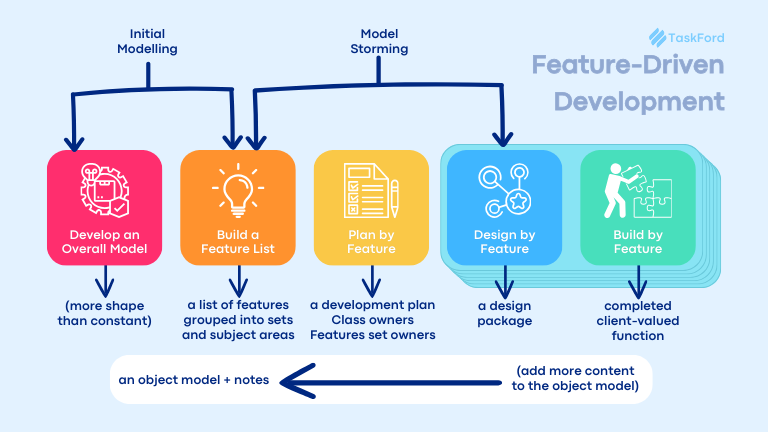
Feature-Driven Development (FDD) is an Agile framework built around delivering software features through a systematic, feature-centric approach. Developed by Jeff De Luca, FDD provides a structured way to ensure that the product aligns with business priorities and that each feature is developed and delivered incrementally.
Key Components of FDD:
- Feature List: A prioritized list of features that defines the scope of the project.
- Designing by Feature: Each feature is designed and implemented in a short, iterative process, with no feature taking longer than two weeks to complete.
- Progressive Building: Features are built and tested iteratively, with a focus on ensuring that each one delivers value to the customer.
When to Use FDD: FDD is well-suited for large-scale software projects where the scope is clear, and teams need to stay focused on delivering business-critical features in a controlled, efficient manner.
6. Crystal: A Family of Methodologies
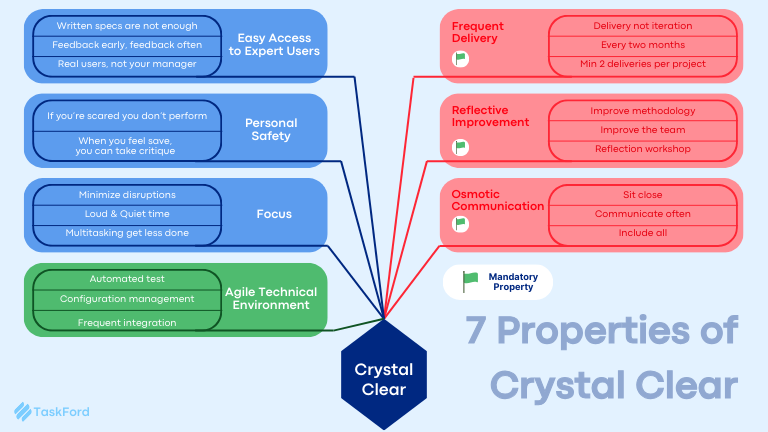
Crystal is a flexible methodology under the Agile umbrella, adapting to the size and complexity of a project. This family focuses on six primary aspects: people, interaction, community, communication, skills, and talents while process is considered secondary. In Crystal, people are the most important so process are modeled to fit team’s requirement. When asking what is Agile methodology in project management, Crystal emphasizes communication and simplicity.
Key Components of Crystal:
- Human-Centric: Crystal emphasizes the importance of people and interactions over strict processes. The approach is adaptive, with processes evolving based on the team’s needs.
- Clear Communication: Promotes constant communication between team members and stakeholders.
- Frequent Delivery: Delivering product increments frequently to gather feedback.
- Tailored Approach: Different Crystal approaches are applied based on the project size and team needs.
- Reflective Improvement: Teams are encouraged to reflect on their process and improve continually, striving for better communication and performance.
When to Use Crystal: Ideal for smaller teams or projects where simplicity and clear communication are key to success.
7. DSDM (Dynamic Systems Development Method)
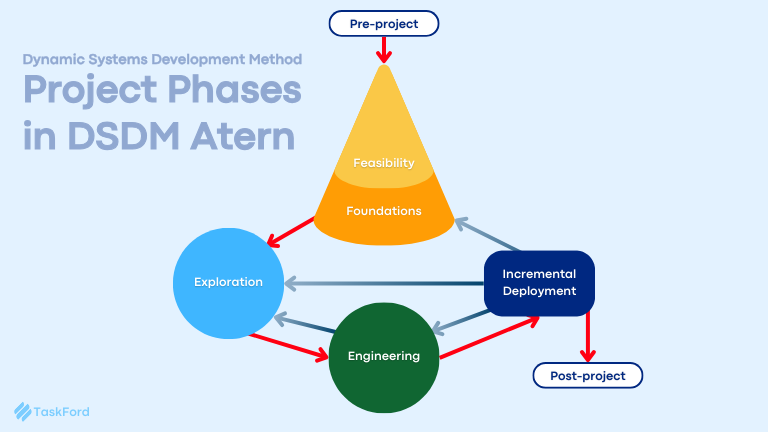
DSDM is a methodology focused on delivering business solutions quickly, while ensuring that the project stays on time and within budget. It answers what is Agile methodology in project management by providing a structured framework for fast-paced projects.
Key Components of DSDM:
- Timeboxing: Timeboxing is a critical principle where work is completed within a fixed time frame. Teams prioritize the most important features for each time box.
- Collaborative Approach: DSDM emphasizes the importance of collaboration with all stakeholders, including business users, team members, and customers.
- Iterative Delivery: DSDM encourages the delivery of features in short, iterative cycles with regular feedback to ensure alignment with business goals.
When to Use DSDM: DSDM is ideal for projects that require a high degree of collaboration and need to deliver results within strict timelines and budgets, particularly in government or enterprise-level initiatives.
8. SAFe (Scaled Agile Framework)
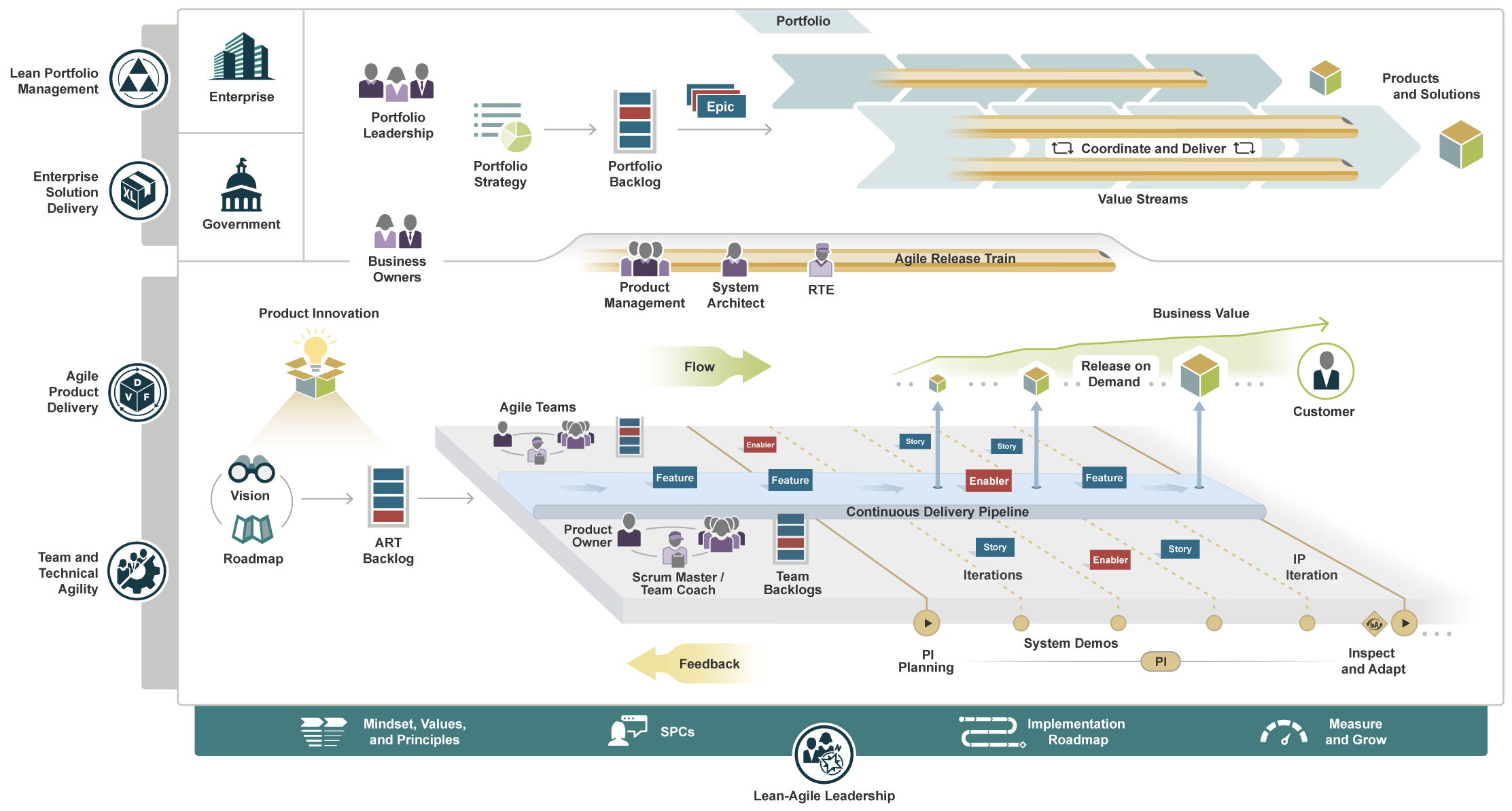
SAFe is designed for larger organizations that need to scale Agile across multiple teams. It answers what is Agile methodology in project management on a larger scale, providing a clear structure for enterprise-level Agile implementation.
Key Components of SAFe:
- Agile Release Train (ART): Groups of teams working together to deliver large product increments.
- Program and Portfolio Levels: Ensures alignment across teams, departments, and even entire portfolios.
- Continuous Delivery Pipeline: Facilitates regular deployment of working software.
When to Use SAFe: Ideal for large organizations looking to scale Agile practices across multiple teams and departments.
9. RAD (Rapid Application Development)
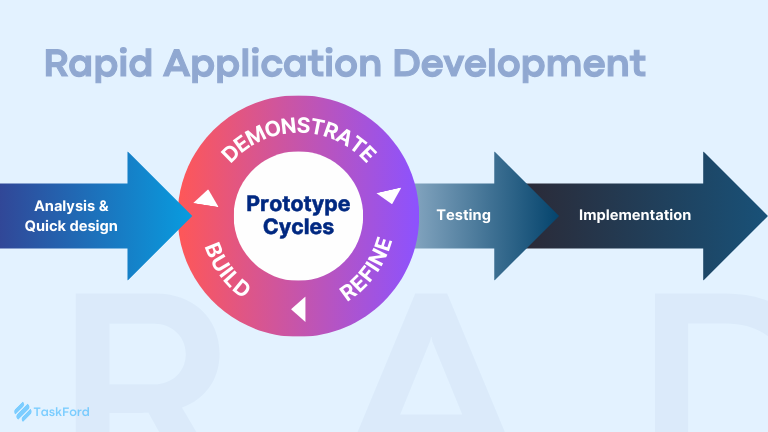
RAD focuses on quickly developing software applications by utilizing rapid prototyping and iterative feedback. This approach answers what is Agile methodology in project management by emphasizing fast, customer-oriented software development. Key Components of RAD:
- Prototyping: Quickly developing prototypes for user testing and feedback.
- Iterative Development: Continuous iterations of software, with frequent user feedback incorporated into each phase.
- Collaboration: Close communication with end-users ensures the product meets their needs.
When to Use RAD: Best for projects requiring rapid development and frequent user feedback, particularly in software development.
Challenges in Implementing Agile Methodologies
While Agile methodologies offer numerous benefits, implementing them can come with challenges. Organizations often face hurdles when they transition from traditional project management methods to Agile.
1. Resistance to Change
Many team members are accustomed to traditional project management and resist the shift to Agile. This resistance can create barriers to successful implementation.
Solution: Providing thorough training, clear communication, and leadership support can help overcome resistance and guide teams through the transition.
2. Misunderstanding Agile
Agile is sometimes misunderstood as being chaotic or lacking structure. Some teams may think Agile is about abandoning plans or skipping documentation.
Solution: Agile is a disciplined approach that requires clear roles, responsibilities, and regular feedback. Educating teams on the true nature of Agile is essential to success.
3. Scaling Challenges
Agile can be challenging to scale across larger organizations with multiple teams. While Scrum works well for small teams, frameworks like SAFe or LeSS are required to scale Agile to the enterprise level.
Solution: Use frameworks like SAFe or LeSS to ensure that multiple teams work together cohesively in larger projects.
Agile Metrics: Measuring Success and Performance
Measuring the success of Agile projects goes beyond just delivering a product. Key metrics are essential to tracking performance, ensuring teams are on the right track, and continuously improving.
1. Velocity: Measures how much work a team can complete within a sprint, helping teams predict future work capacity.
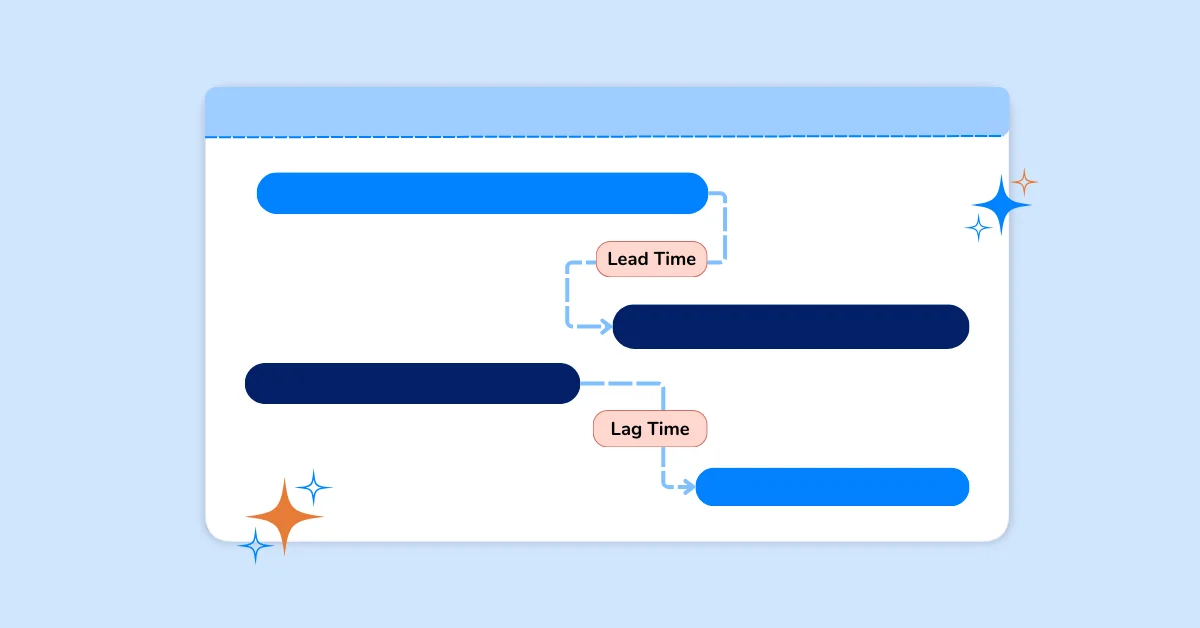
2. Lead Time and Cycle Time: These metrics help track the efficiency of the workflow, with Lead Time measuring the total time from task initiation to completion and Cycle Time focusing on the time taken to complete work once it’s started.
3. Burndown Charts: Provide a visual representation of progress, showing how much work remains in a sprint and how the team is progressing toward their goal.
The Future of Agile Methodologies
Looking ahead, what is Agile methodology in project management will continue to evolve. Several trends are shaping the future of Agile, helping teams work more effectively and adapt to changes in the industry.
1. Agile and AI
Artificial intelligence is already beginning to automate certain aspects of Agile, such as automated testing and workload management. This will free up teams to focus on more strategic tasks.
2. Agile for Remote Teams
As remote work becomes more common, Agile will adapt to facilitate collaboration across distributed teams. Virtual collaboration tools like Zoom and Jira are already enhancing remote Agile practices.
3. Agile Beyond Software Development
Agile’s expansion from IT into sectors like healthcare, marketing team, operations teams, and finance shows its growing versatility. More industries will adopt Agile practices to improve efficiency and customer satisfaction.
Conclusion
In conclusion, what is Agile methodology in project management can be answered through its flexibility, adaptability, and focus on delivering value incrementally. From Scrum and Kanban to SAFe and RAD, Agile offers various frameworks that cater to different project needs. By understanding the distinctions between these methodologies, organizations can make informed decisions about which approach to adopt.
Whether you’re managing a small software project or a large enterprise initiative, Agile methodologies can help ensure your project is efficient, collaborative, and aligned with customer needs. As Agile continues to evolve, it will remain a crucial tool for modern project management.
Related Articles






How to Build and Manage a Product Roadmap with TaskFord







How to Build a Connected Project Timeline in TaskFord






What Are the Best Jira Alternatives for Scrum Teams?

















How WBS Reveals Delivery Breakdown Before It’s Too Late






![How To Conduct a Profound Stakeholder Analysis [+ Free Template]](/marketing/blog/stakeholder-analysis.webp)










What to Look for in Scrum Tools (Beyond Kanban Boards)

![Project Management Calendar for Teams and Managers [Free Templates]](/marketing/blog/project-management-calendar.webp)






How to Define Project Deliverables: A Step-by-Step Guide




![RACI Chart in Project Management: Rules & Examples [Free Download]](/marketing/blog/raci-chart.webp)









![7 Must-Have Project Management Documents Every PO Should Know [Free Templates]](/marketing/blog/project-management-documents.webp)








![How to Create a Winning Project Plan for IT Projects [10 Steps Included]](/marketing/blog/how-to-create-a-project-plan.webp)

![Daily Standup Best Practices: Apply AI to Organize Meetings Successfully [2026 Trends]](/marketing/blog/daily-standup.webp)




![How to Create a Project Communication Plan: Step-by-Step Guide [+Free Template]](/marketing/blog/project-communication-plan.png)


![Master Project Procurement Management in 5 Steps [Download a free plan template]](/marketing/blog/project-procurement-management.webp)
















Subscribe for Expert Tips
Unlock expert insights and stay ahead with TaskFord. Sign up now to receive valuable tips, strategies, and updates directly in your inbox.