Project Dependencies vs. Constraints: What’s the Difference?
Learn the difference between project dependencies and constraints, and how to manage both for successful project planning and execution.
Ever had one task delay your entire project? That’s the power of project dependencies, the links between tasks that control what happens next. But there’s another factor at play: project constraints, like deadlines, budgets, and resource limits, that set the rules you must follow.
Dependencies shape the order of work, while constraints define the boundaries. Knowing the difference is key to keeping projects on track. In this guide, we’ll break down what project dependencies are, how they differ from constraints, and share simple steps to manage both effectively.
What Are Project Dependencies?
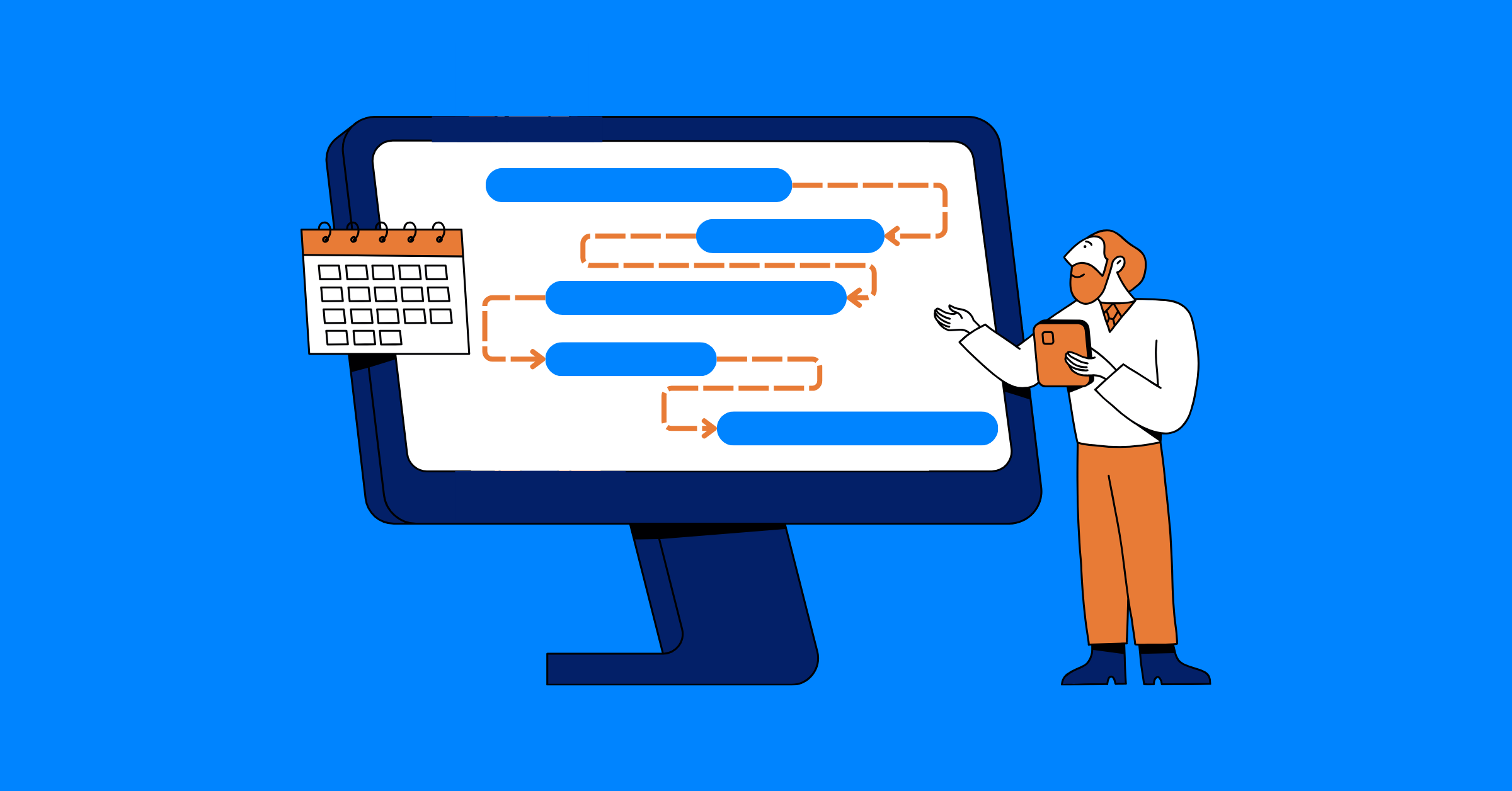
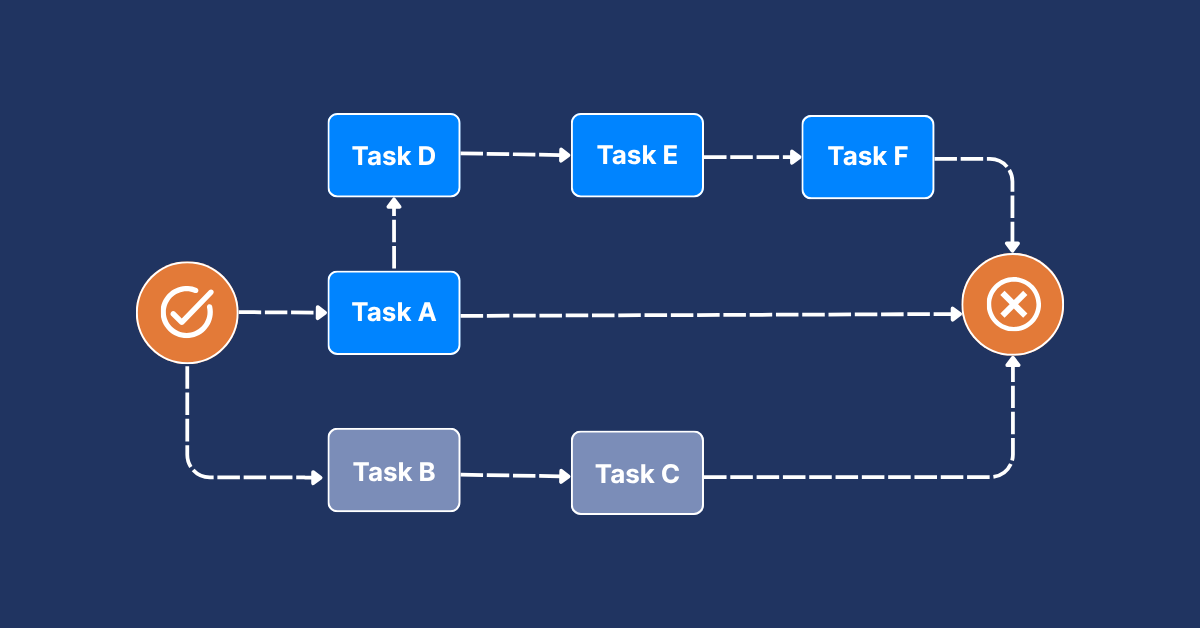
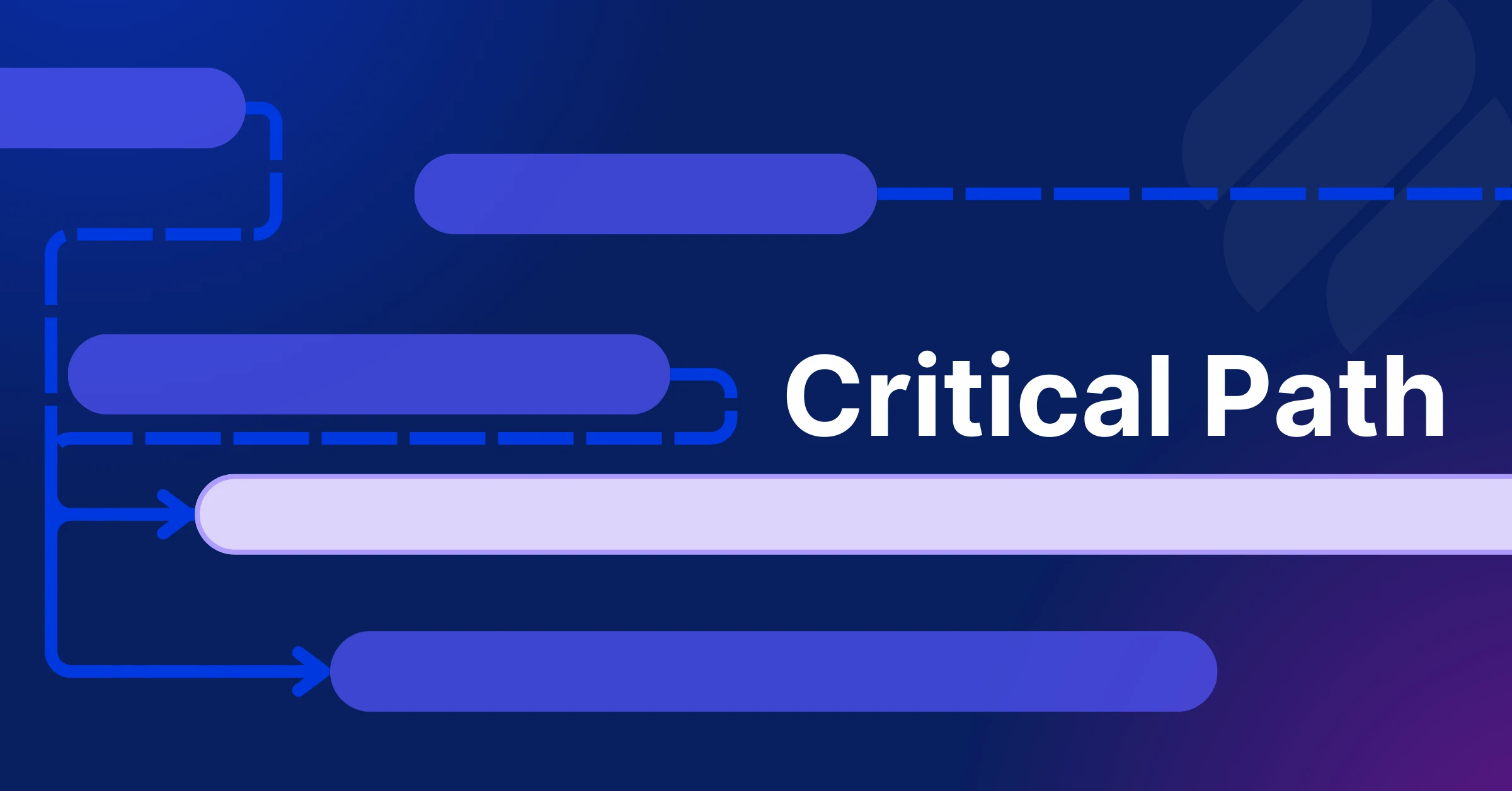
Project dependencies are relationships between tasks or activities in a project where the start or completion of one task relies on the progress or completion of another. These dependencies define the sequence in which tasks must be executed to ensure the project flows smoothly. Understanding dependencies is critical for creating realistic schedules and allocating resources effectively, as they establish the order of operations within a project.
Types of Project Dependencies
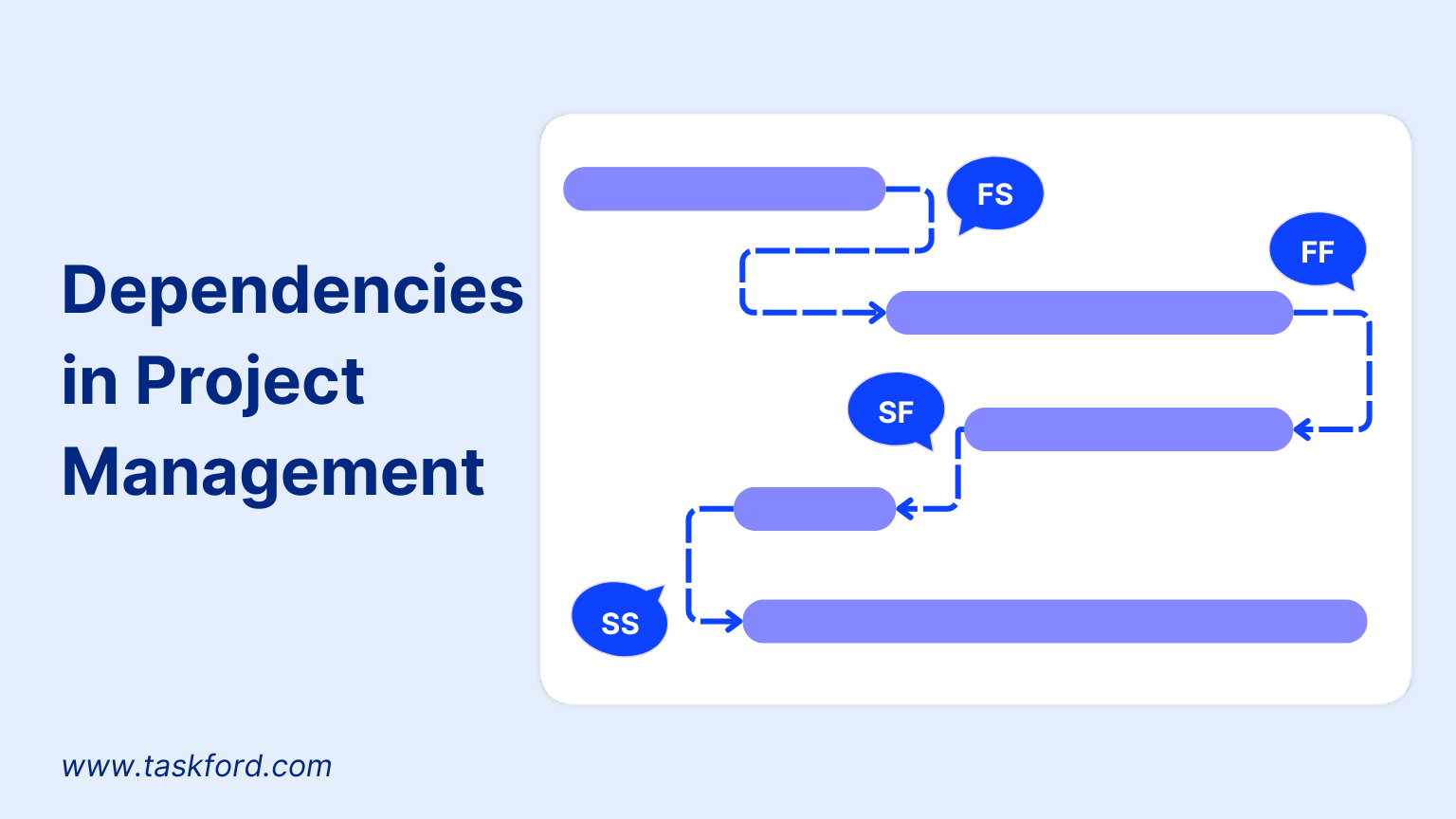
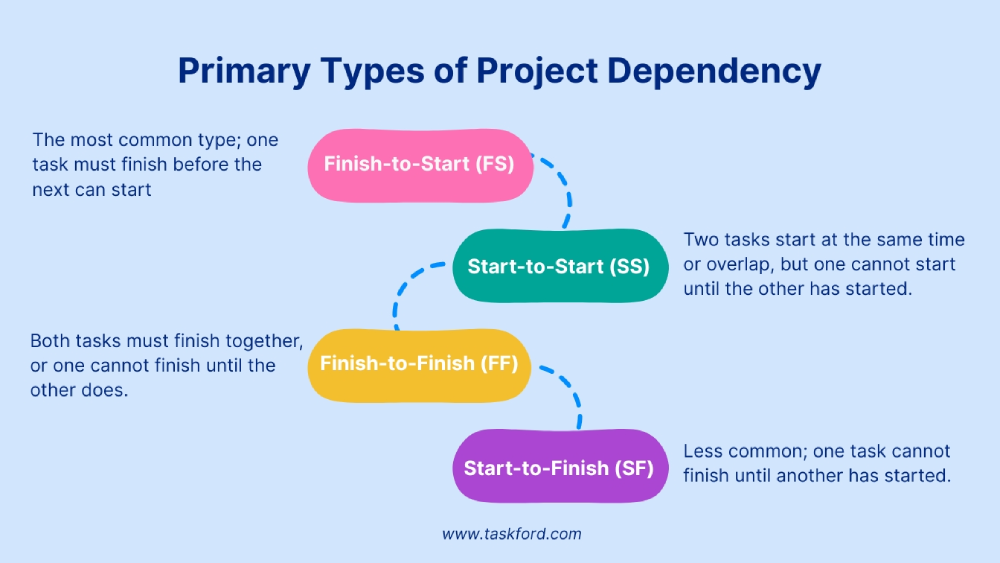
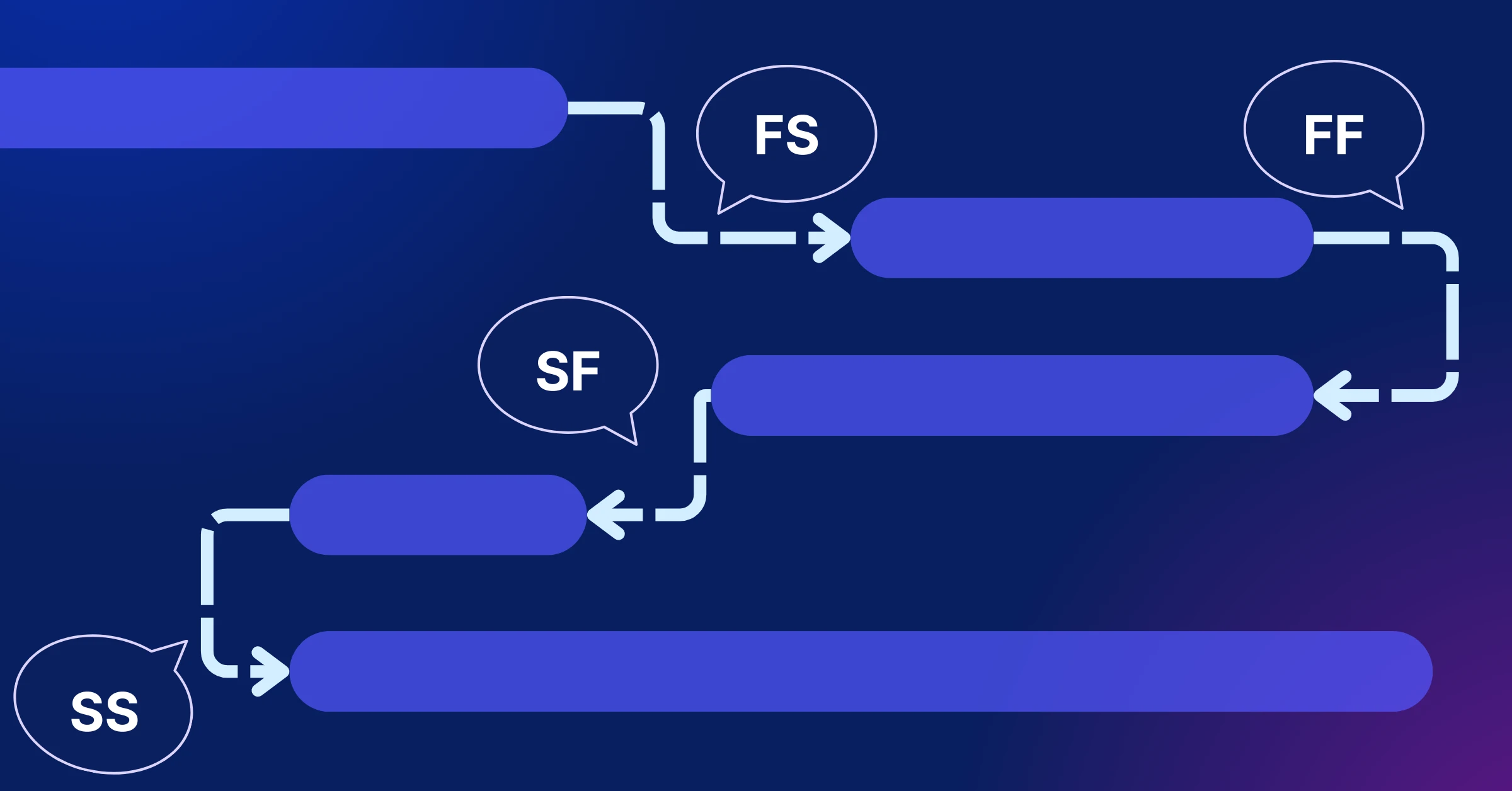
Four main types of project dependencies define how tasks relate to each other in terms of sequence and timing:
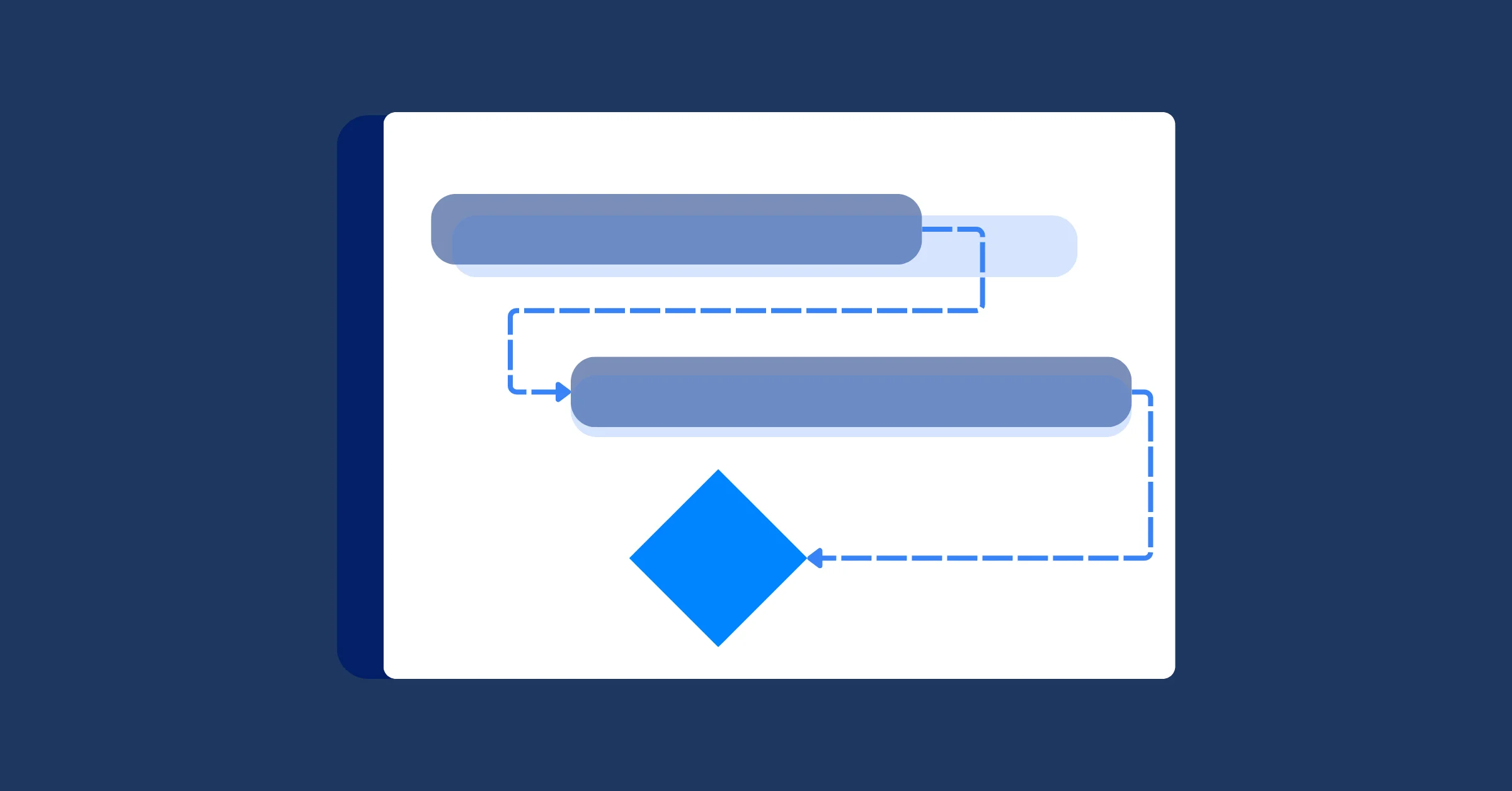
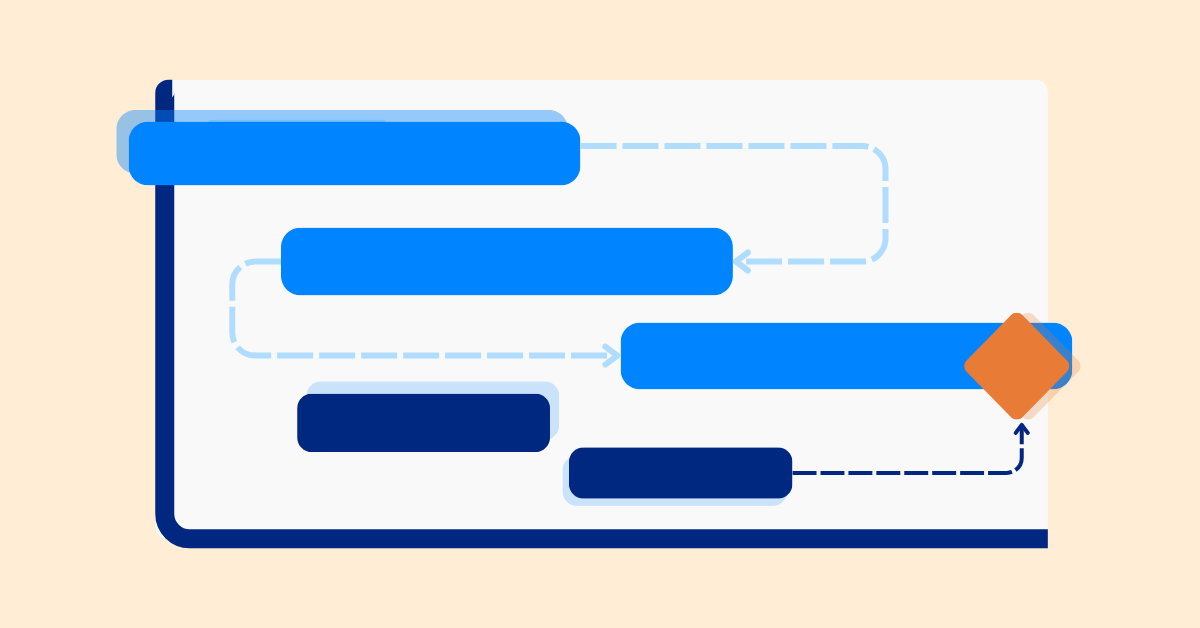
- Finish-to-Start (FS) – The most common type; one task must finish before the next can start.
- Start-to-Start (SS) – Two tasks start at the same time or overlap, but one cannot start until the other has started.
- Finish-to-Finish (FF) – Two tasks must finish together, or one cannot finish until the other does.
- Start-to-Finish (SF) – Less common; one task cannot finish until another has started.
👉 Want to dive deeper? Check out our detailed guide on Types of Project Dependencies in Project Management for in-depth explanations and practical use cases.
Upstream and Downstream Dependencies
When working with project dependencies, it’s not just about knowing which tasks are linked – it’s also about understanding their direction. This is where upstream and downstream dependencies come in.
- Upstream Dependencies – These are the tasks that must be completed before your current task can begin. If an upstream task is delayed, your task is automatically at risk of delay.
- Downstream Dependencies – These are the tasks that rely on your current task being completed before they can start. If your work gets delayed, every downstream task can be pushed back.
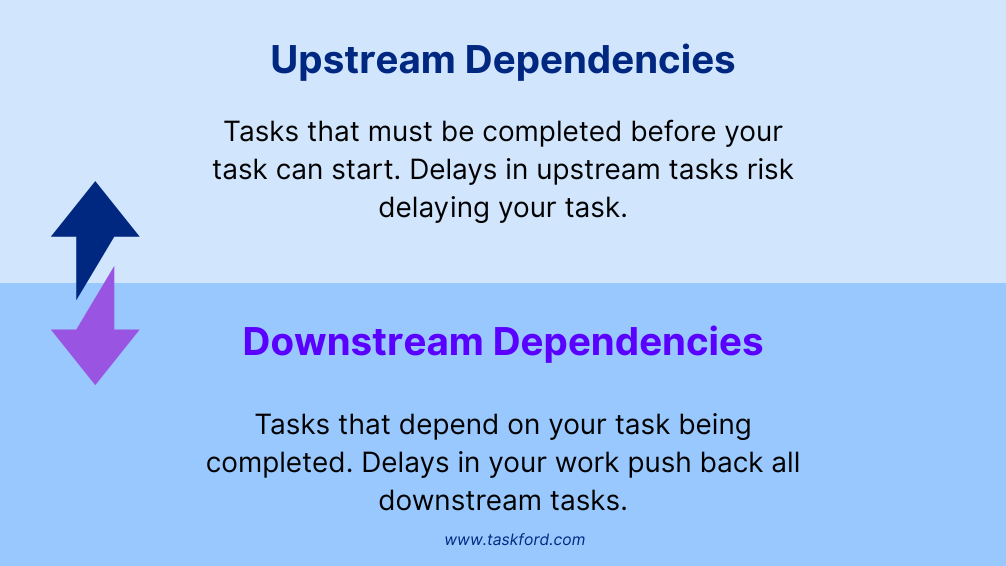
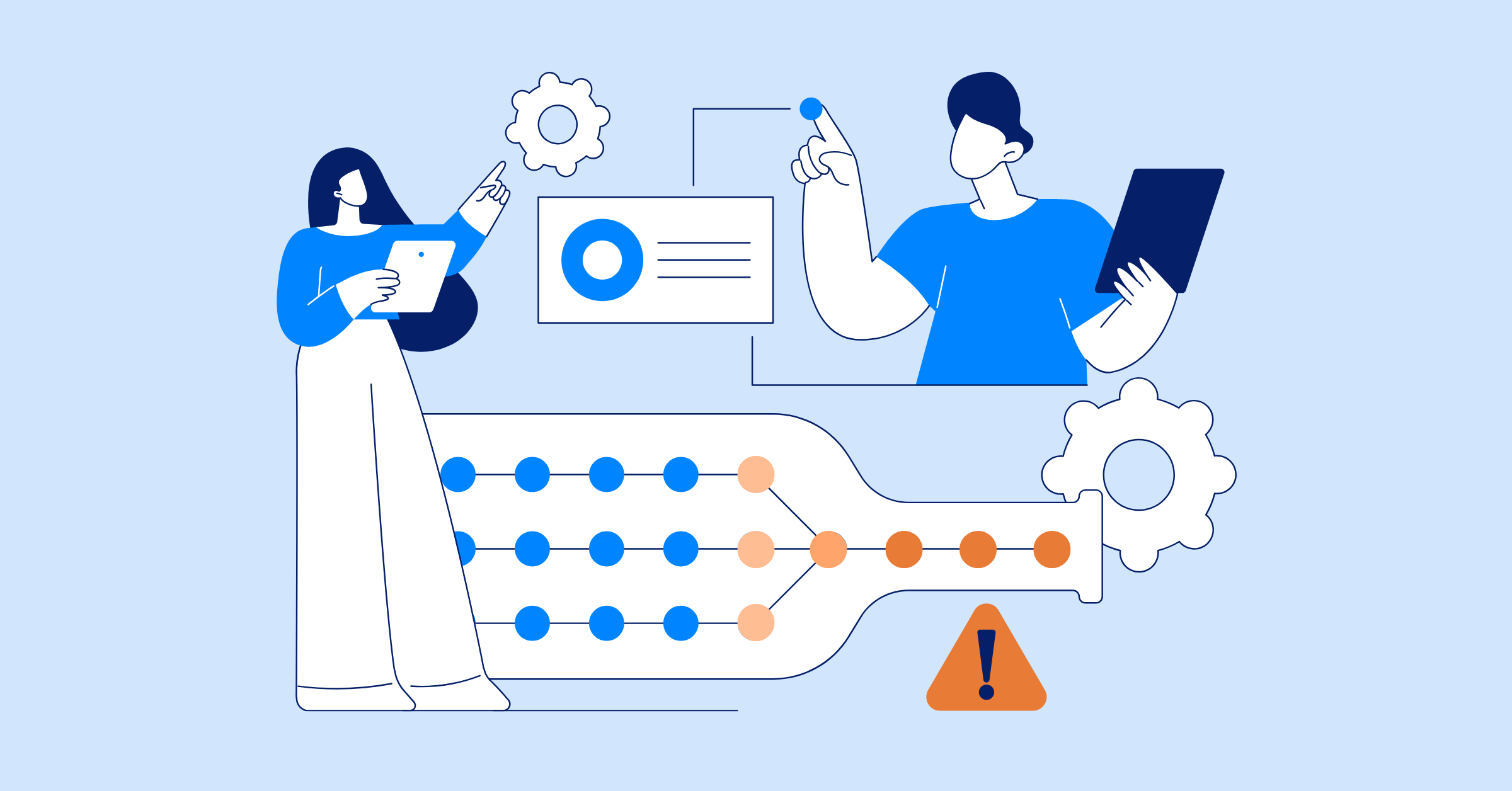
Understanding upstream and downstream dependencies helps you predict how delays in one task can affect others, reducing the risk of bottlenecks in your project schedule.
Examples of Project Dependencies
Imagine you’re managing a website redesign project. Before the development team can start coding the new design, the design team must complete the wireframes and mockups.
- Task A: Complete design mockups
- Task B: Begin website development
- Dependency Type: Finish-to-Start (Task B can’t start until Task A finishes)
This is a classic Finish-to-Start dependency, the most common type in projects.
What Are Project Constraints?
Every project operates within certain limits – these are called project constraints. They are the boundaries or restrictions that define what is possible within the project. Unlike dependencies, which control the sequence of work, constraints control the conditions under which the work must be completed.
Why Constraints Matter
Constraints shape the scope and execution of your project. They set non-negotiable limits—such as how much time you have, how much budget you can spend, and what resources are available. Ignoring them can lead to missed deadlines, cost overruns, and failure to meet quality standards.
Common Types of Project Constraints
The most widely recognized constraints fall under these categories:
- Time: Fixed deadlines or schedules that must be met.
- Cost: Budget limitations that restrict spending.
- Scope: Agreed deliverables and features that cannot be reduced without approval.
- Quality: Standards or compliance requirements that must be achieved.
- Resources: Limited availability of people, equipment, or tools.
- Risk: Uncertainty that could affect project outcomes.
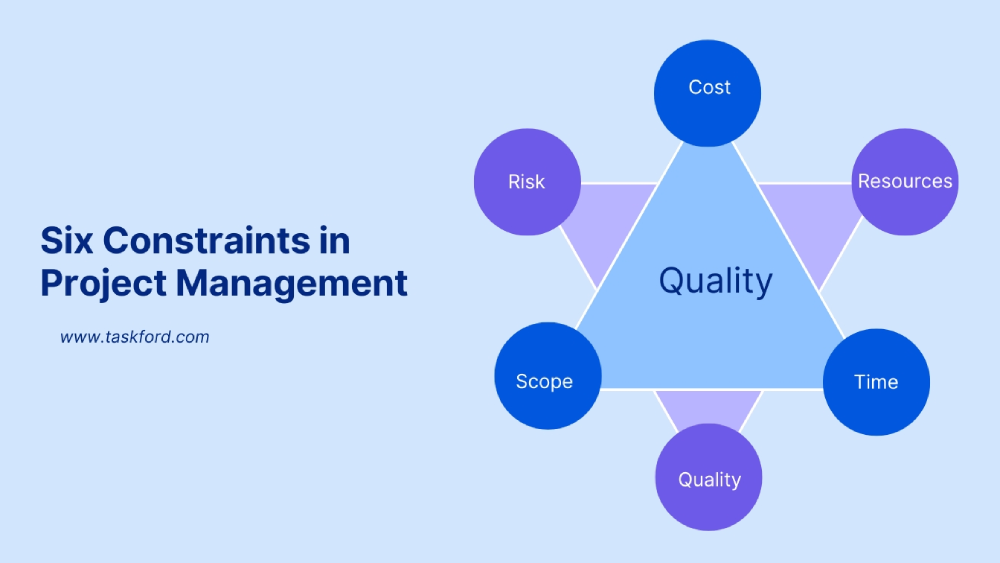
These factors are often explained through the Triple Constraint model (Time, Cost, Scope), which forms the foundation of project management. In some frameworks, this expands into the Six Constraints, adding Quality, Resources, and Risk.
👉 Read our detailed guide on Triple Constraint of Project Management for deeper insights into how these three forces impact every project decision.
The Role of Constraints in Planning
Constraints influence almost every project decision – from scheduling and staffing to procurement and delivery strategies. Identifying them early helps you create realistic plans, set stakeholder expectations, and define priorities when trade-offs are needed.
Project Dependencies vs. Constraints: Key Differences
While both dependencies and constraints influence project planning, they serve different purposes. Dependencies define the order of tasks, while constraints set the limits within which tasks must be completed. Confusing the two can lead to poor scheduling and unrealistic expectations.
Key Differences at a Glance
| Aspect | Project Dependencies | Project Constraints |
|---|---|---|
| What It Is | A relationship between tasks that determines their order | A limitation or boundary that restricts project work |
| Main Purpose | Defines when and how tasks relate to each other | Defines what is possible within set limits |
| Focus Area | Task sequencing and workflow | Time, cost, scope, quality, resources, and risk |
| Impact | Delays affect linked or downstream tasks | Breaches affect deadlines, budget, or deliverables |
| Example | Development cannot start until design is completed | The project must be finished within 3 months |
How They Work Together
- A dependency delay can cause a conflict with a time constraint (e.g., late vendor delivery impacts a fixed launch date).
- Resource constraints often create new dependencies (e.g., shared team members force sequential work instead of parallel tasks).
Understanding both helps you build realistic schedules, allocate resources wisely, and set achievable goals.
How Dependencies and Constraints Interact
Dependencies and constraints are deeply connected, and understanding their interaction is key to successful project management. Here’s how they typically influence each other:
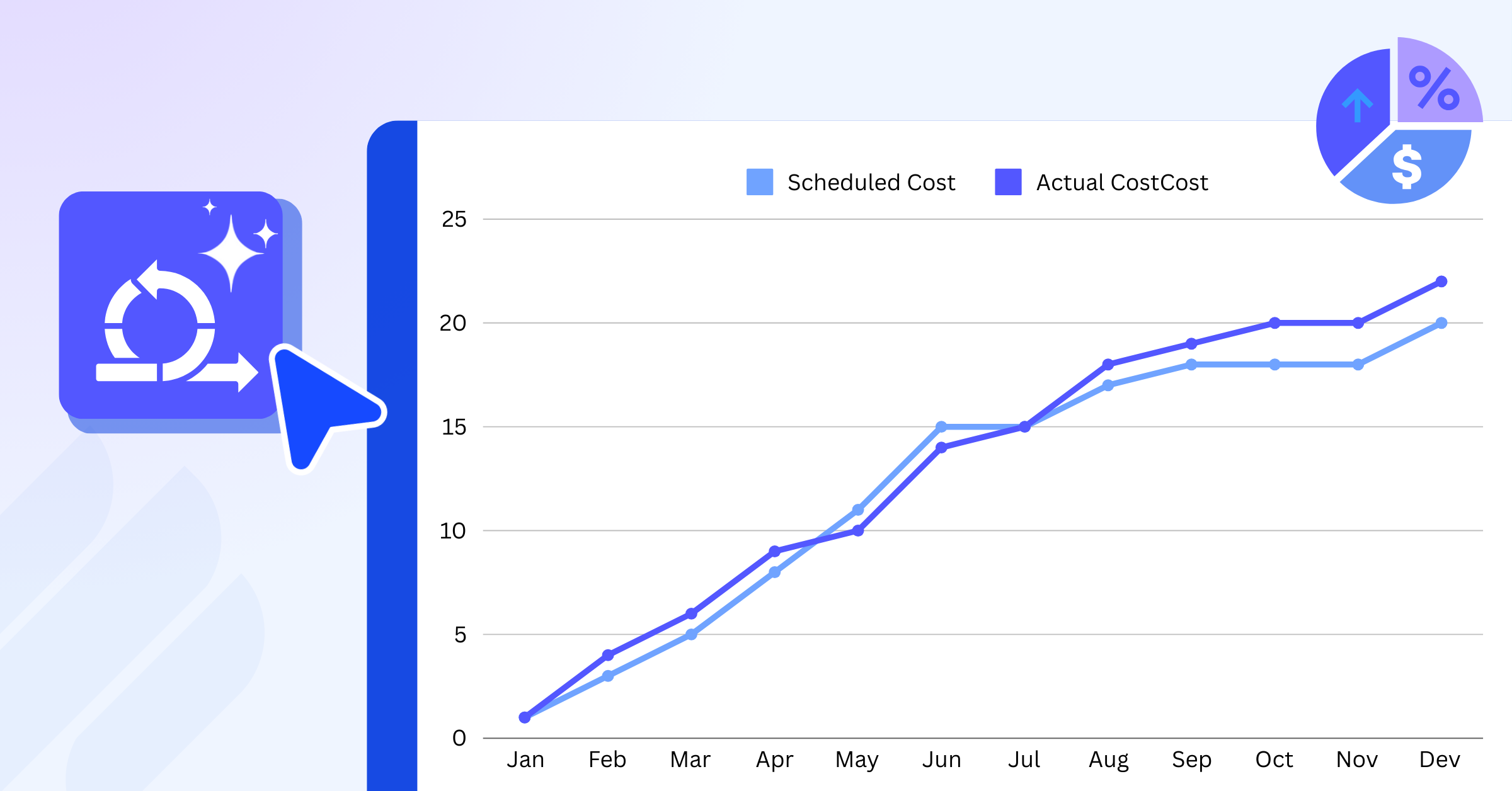
- Dependency Delays Impact Constraints: A delay in a dependent task, like a vendor’s late delivery, can directly impact time constraints, causing project deadlines to shift.
- Constraints Create New Dependencies: Limited resources, such as a team member working on multiple projects, can force sequential work and introduce additional dependencies.
- Cost Constraints Affect Task Sequencing: If there’s a budget constraint, tasks may need to be delayed or rescheduled until funds are available, which could create dependencies where none existed before.
By understanding how both dependencies and constraints interact, you can better manage risks, adjust schedules, and keep the project on track.
5 Steps to Identify Project Dependencies and Constraints
To keep your project on track, identifying dependencies (task relationships) and constraints (limitations) early is crucial. These five simple steps will help you spot and manage them effectively, preventing delays and resource conflicts.
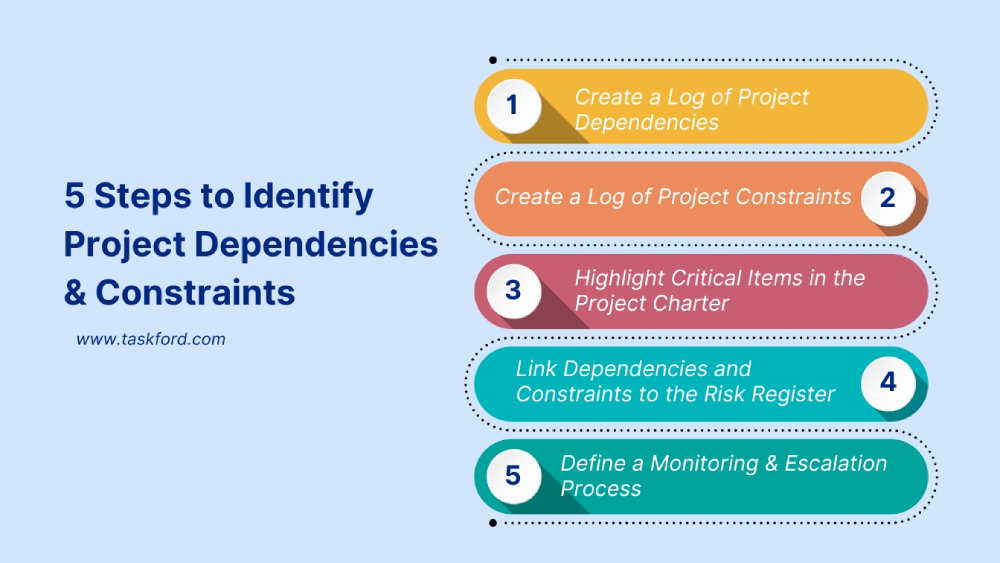
Step 1. Create a Log of Project Dependencies
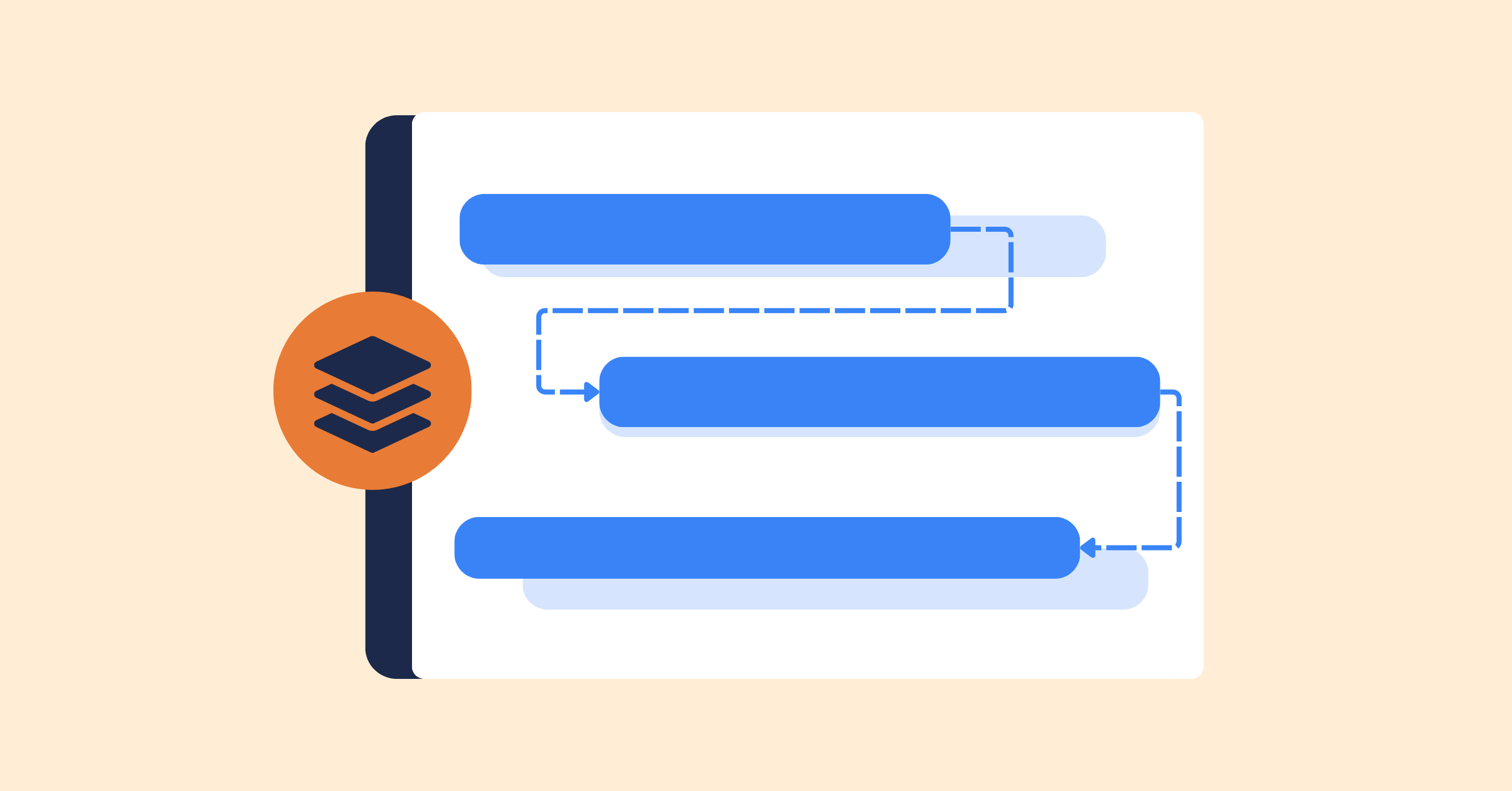
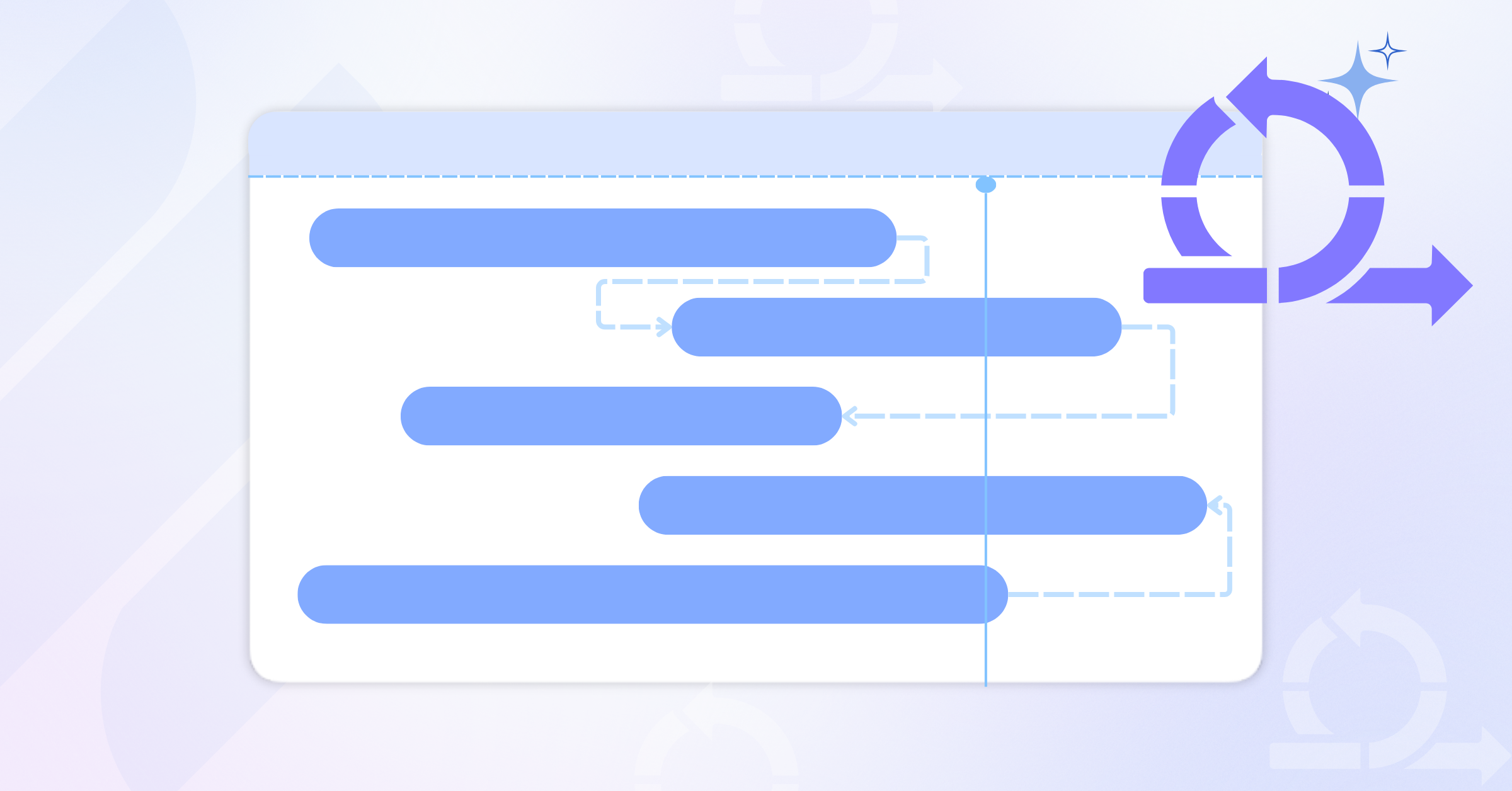
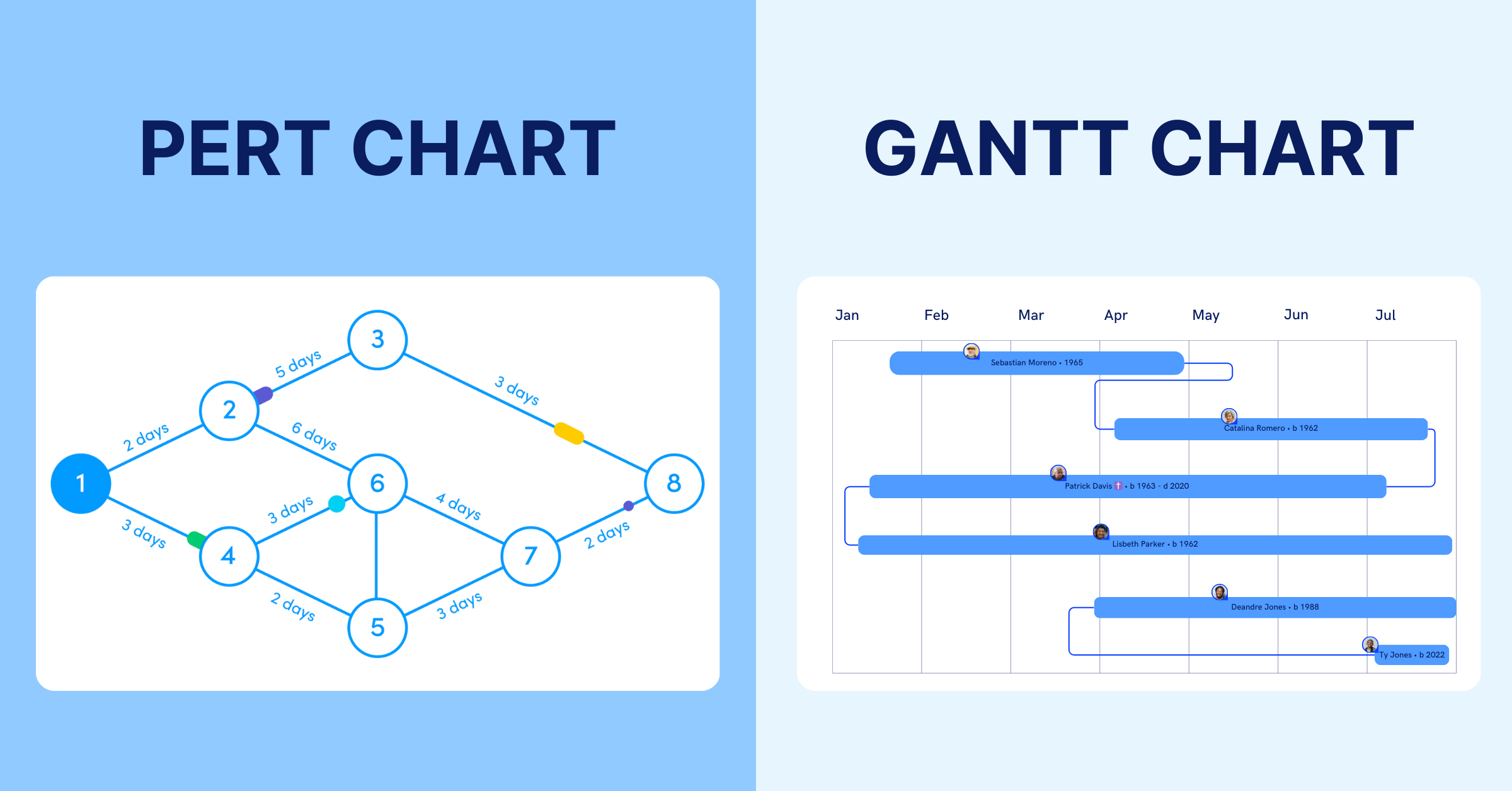
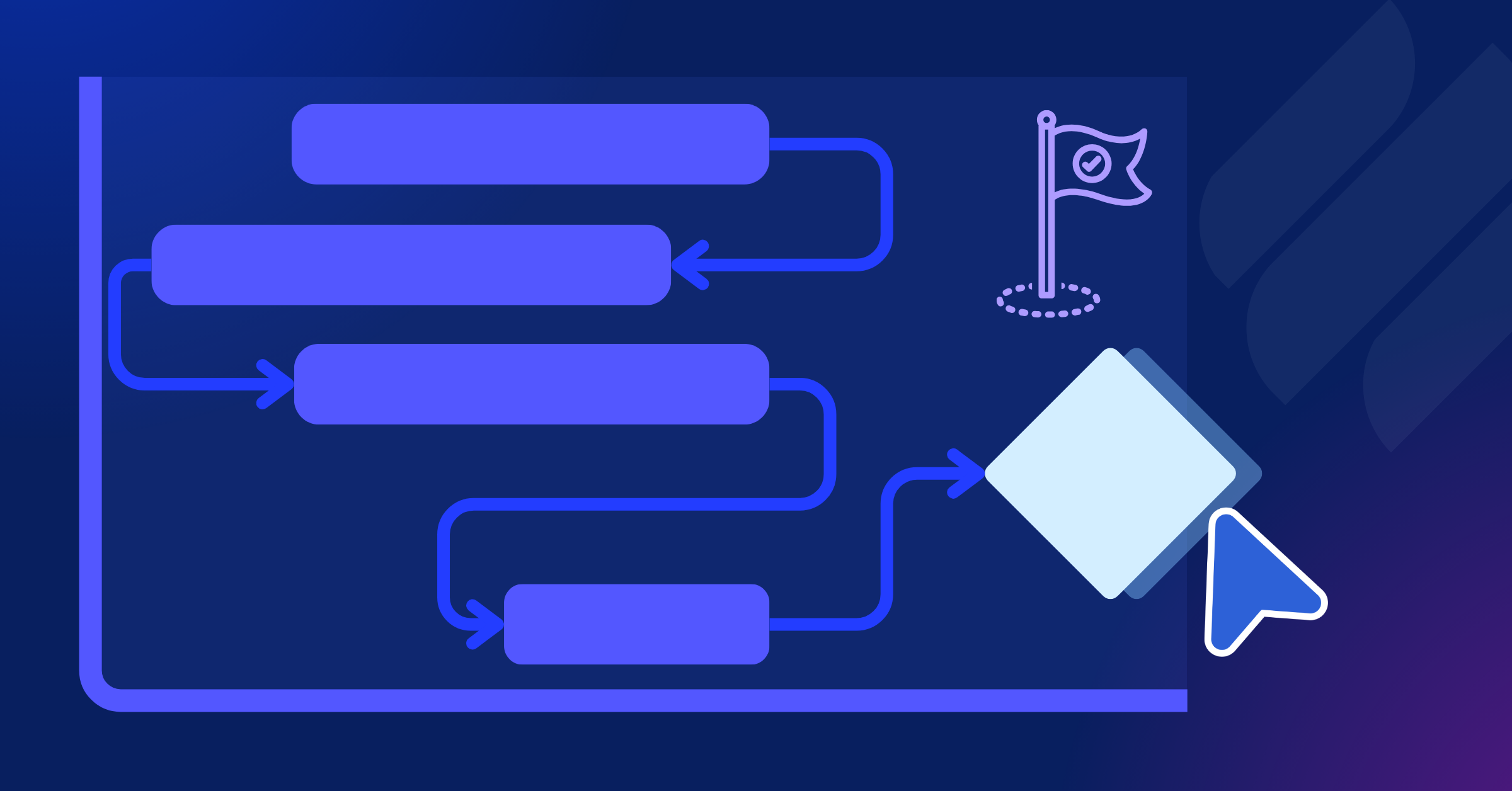
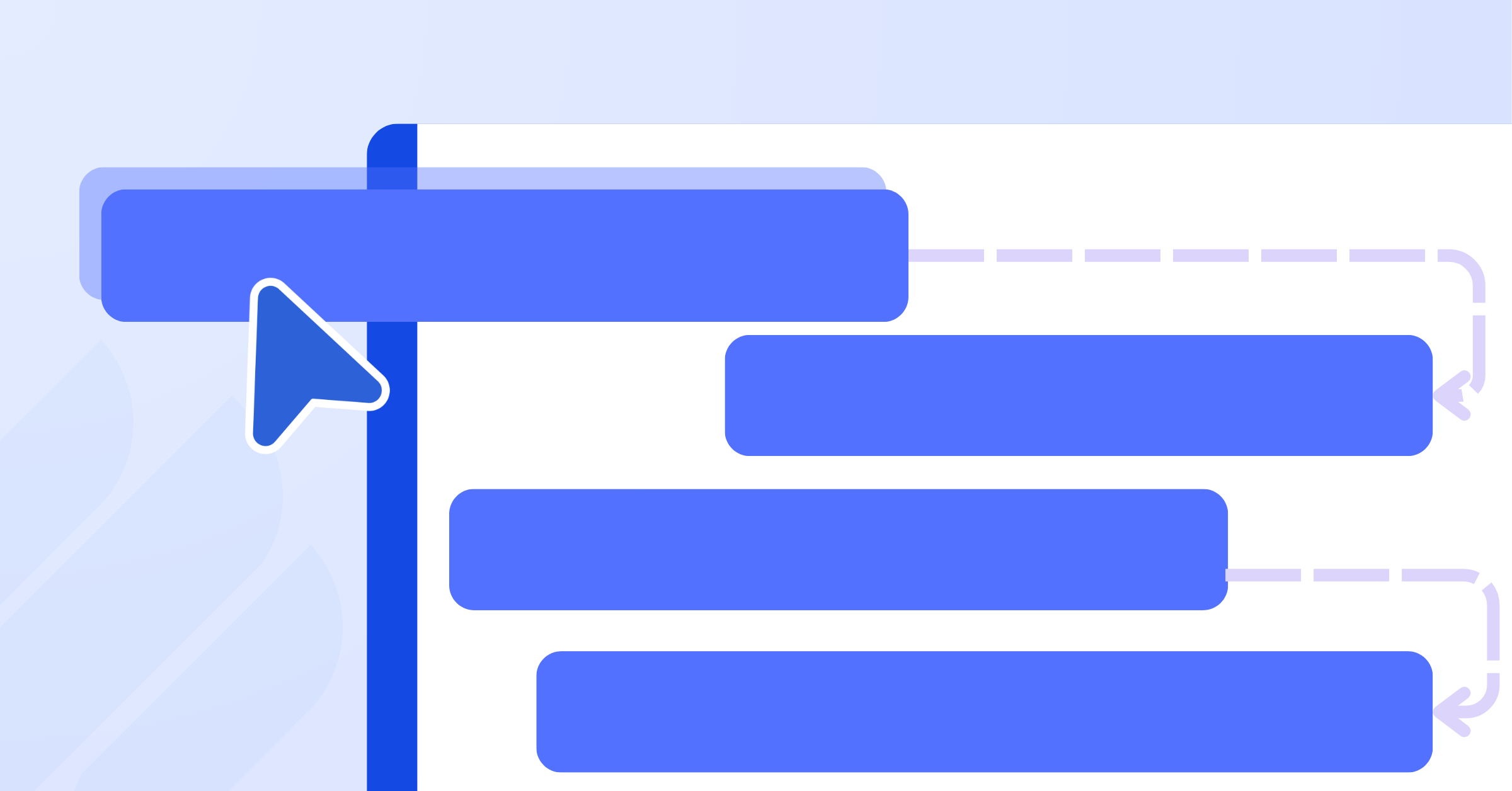
Identify all tasks and their dependencies. Record which tasks rely on others to start or finish, and note the type of dependency (Finish-to-Start, Start-to-Start, etc.). Using Gantt Chart or dependency mapping tools can help you visualize and track these relationships easily.
Step 2. Create a Log of Project Constraints
Document all constraints that might affect the project, time (deadlines), cost (budget), scope (deliverables), quality (standards), and resources (team, equipment). Clearly define these constraints with specific metrics (e.g., budget cap of $100,000, or delivery by June 30).
Step 3. Highlight Critical Items in the Project Charter
Include major dependencies and constraints in your project charter or initiation document. By doing so, you ensure that all stakeholders are aware of potential risks and limitations from the beginning, preventing misalignment or unrealistic expectations later.
Step 4. Link Key Dependencies and Constraints to Your Risk Register
Treat significant dependencies and constraints as risks in your project.
For example, a dependency on a third-party vendor or a tight budget might impact your timeline. Document them in the risk register, with action plans for mitigation or contingency options.
Step 5. Define a Monitoring & Escalation Process
Set up regular check-ins to monitor dependencies and constraints throughout the project. Establish clear escalation processes for any issues that arise – whether it’s a delayed dependency or a budget overrun, so they can be addressed promptly without affecting the overall project.
Conclusion
Effectively managing project dependencies and constraints is key to delivering projects on time and within budget. By understanding how tasks relate to each other and the limits within which you operate, you can create realistic schedules, allocate resources effectively, and reduce the risk of delays or scope creep. With the right approach, you can ensure smoother project execution and greater success.
Continue Reading
- Top 5 Best Free Gantt Chart Software Comparison
- How to Make a Gantt Chart in Projects
- Dependencies in Project Management 4 Types Every Project Manager Should Know
- 4 Types of Gantt Chart Dependencies & When to Use Them
Related Articles








How to Build and Manage a Product Roadmap with TaskFord











How to Build a Connected Project Timeline in TaskFord








What Are the Best Jira Alternatives for Scrum Teams?















How WBS Reveals Delivery Breakdown Before It’s Too Late







![How To Conduct a Profound Stakeholder Analysis [+ Free Template]](/marketing/blog/stakeholder-analysis.webp)












What to Look for in Scrum Tools (Beyond Kanban Boards)


![Project Management Calendar for Teams and Managers [Free Templates]](/marketing/blog/project-management-calendar.webp)






How to Define Project Deliverables: A Step-by-Step Guide



![RACI Chart in Project Management: Rules & Examples [Free Download]](/marketing/blog/raci-chart.webp)












![7 Must-Have Project Management Documents Every PO Should Know [Free Templates]](/marketing/blog/project-management-documents.webp)






![How to Create a Winning Project Plan for IT Projects [10 Steps Included]](/marketing/blog/how-to-create-a-project-plan.webp)



![Daily Standup Best Practices: Apply AI to Organize Meetings Successfully [2026 Trends]](/marketing/blog/daily-standup.webp)




![How to Create a Project Communication Plan: Step-by-Step Guide [+Free Template]](/marketing/blog/project-communication-plan.png)


![Master Project Procurement Management in 5 Steps [Download a free plan template]](/marketing/blog/project-procurement-management.webp)


















Subscribe for Expert Tips
Unlock expert insights and stay ahead with TaskFord. Sign up now to receive valuable tips, strategies, and updates directly in your inbox.