The 10 Core Lean-Agile Principles and Why They Matter in Project Management
Discover how the 10 core lean-agile principles can transform your project management approach, boosting efficiency and delivering customer value effectively.
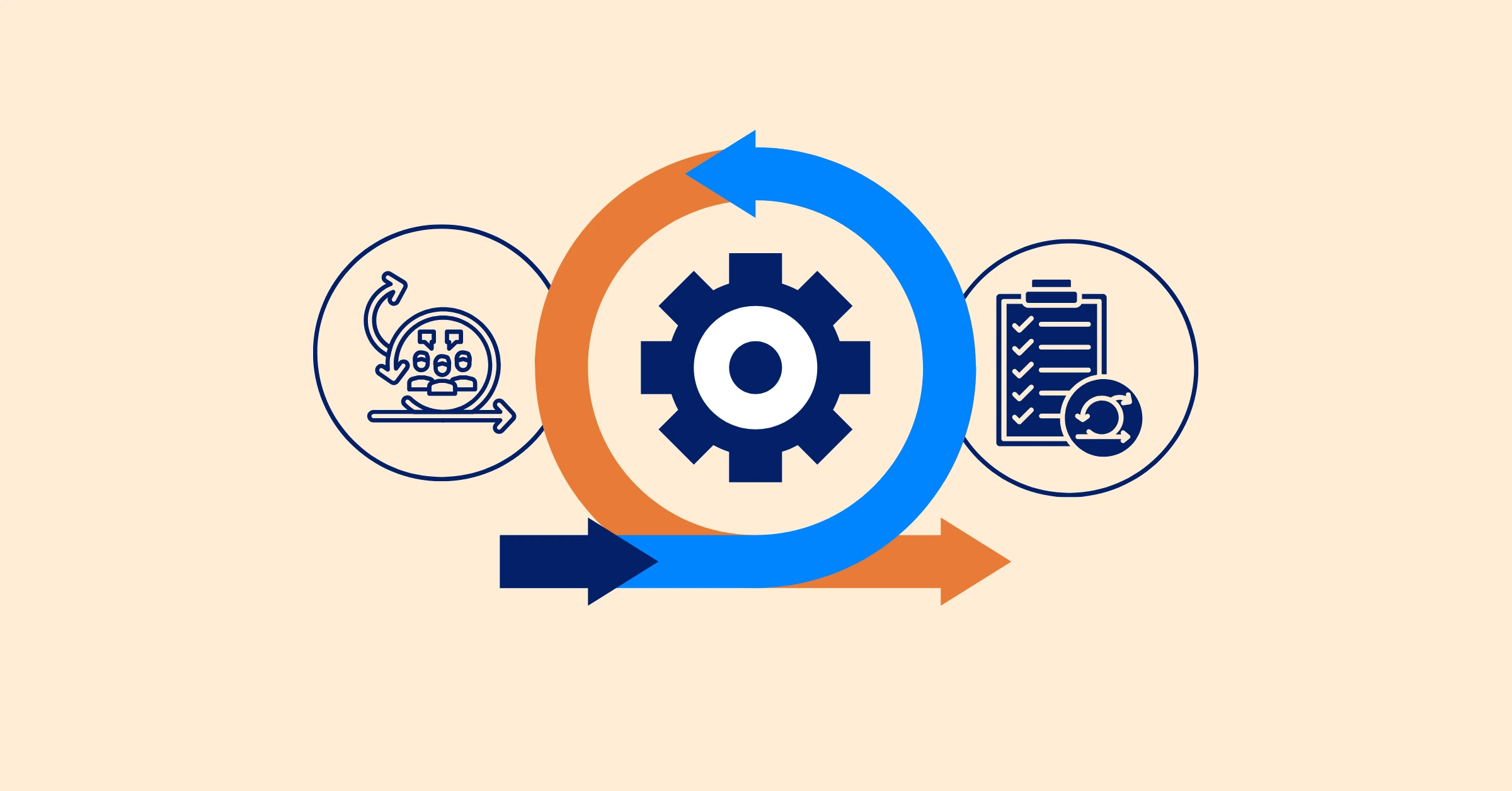
Lean and agile methodologies have transformed how teams approach project management. By combining lean project management’s focus on eliminating waste with agile project management’s emphasis on adaptability, these principles create a powerful framework for delivering value efficiently. Whether you’re managing a software development project or a marketing campaign, understanding the core lean-agile principles can help you deliver results faster, improve collaboration, and keep your team focused on what matters most.
This blog explores the 10 core lean-agile principles, why they’re critical for project management success, and how you can apply them to your projects. We’ll break down each principle with practical examples and insights to help you see their real-world impact.
Let’s Recap: What Is Lean Project Management?
Lean project management, rooted in lean manufacturing, focuses on delivering customer value while minimizing waste, such as time, resources, or unnecessary tasks. Unlike traditional methods with rigid processes, it emphasizes flexibility, iterative progress, and efficiency. By prioritizing value-driven activities, lean ensures projects meet customer needs with fewer delays and less overhead. As The Digital Project Manager’s article once said about its use: Work smarter, not harder
For a deeper dive into lean project management, explore our comprehensive guide on Lean Project Management.
What Are Lean-Agile Principles?
Lean-agile principles blend the best of lean project management, which originated in manufacturing to reduce waste and maximize value, with Agile project management, which prioritizes flexibility and iterative progress. Together, they form a hybrid approach that helps teams deliver high-quality outcomes while staying responsive to change. These principles guide teams to focus on customer value, continuous improvement, and efficient processes.
Why Lean-Agile Principles Matter in Project Management
Lean-agile principles provide a practical framework for managing projects in fast-changing environments. By combining efficiency with adaptability, they help teams deliver better outcomes while staying focused on customer needs.
- Greater adaptability: Teams can respond more effectively to changing requirements, customer feedback, and market conditions without disrupting project progress.
- Improved efficiency: Eliminating waste and streamlining workflows helps teams focus their time and resources on activities that create value.
- Stronger collaboration: Empowered teams, transparent communication, and shared ownership encourage better teamwork, accountability, and alignment across departments.
- Faster delivery: Breaking work into smaller increments enables teams to deliver results sooner, gather feedback earlier, and make adjustments before issues become costly.
- Higher quality outcomes: Continuous improvement and built-in quality practices help reduce errors, minimize rework, and maintain consistent standards throughout the project lifecycle.
- Better customer satisfaction: Prioritizing customer value ensures that products, services, and project deliverables align with real user needs and expectations.
- Scalability across industries: Lean-agile principles can be applied in software development, marketing, construction, healthcare, education, and many other industries to improve project performance.
Let’s dive into the 10 core lean-agile principles and explore why they’re essential for modern project management.
10 Core Lean-Agile Principles
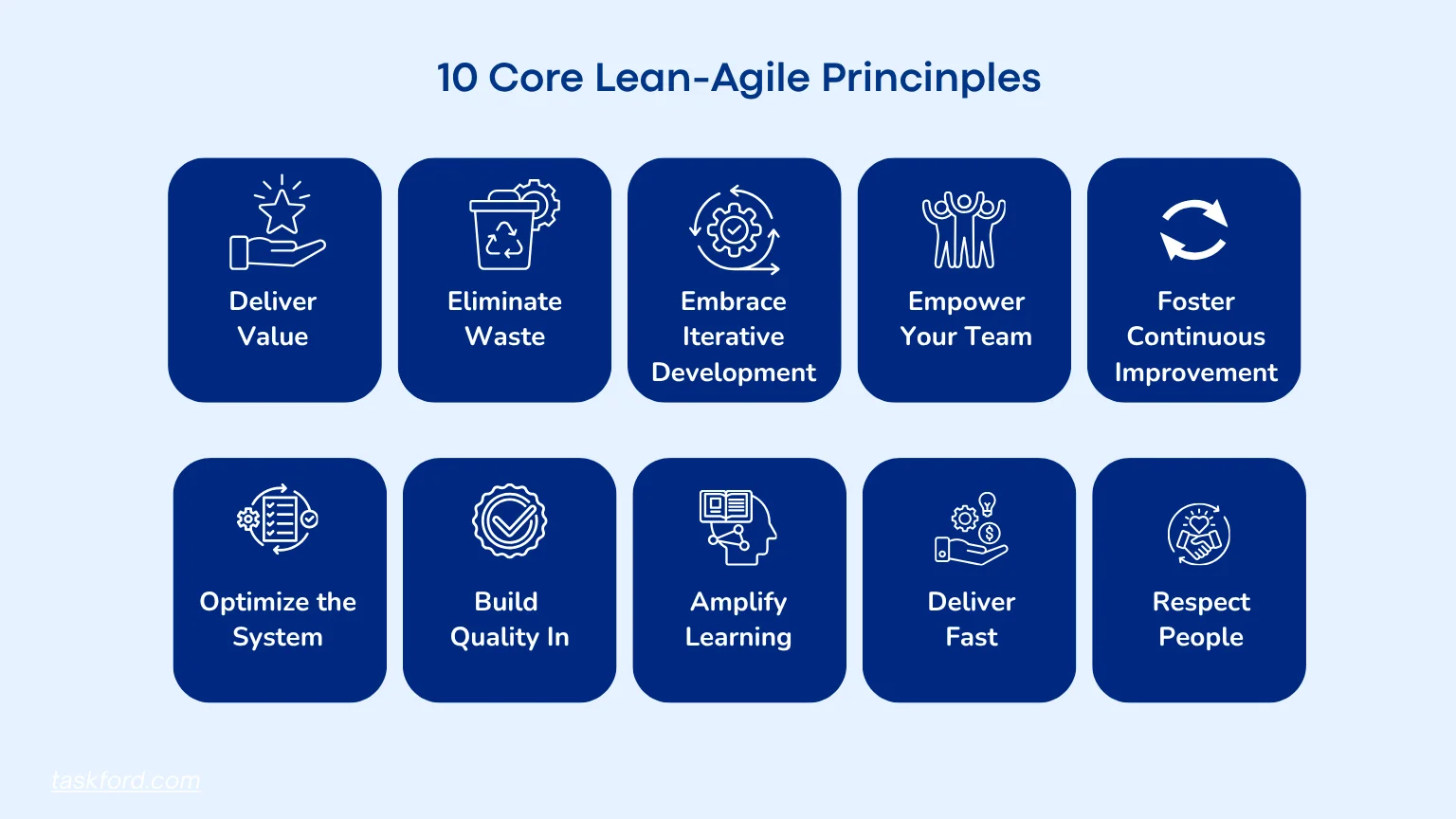
1. Deliver Value to the Customer First
At the core of lean-agile project management is a commitment to delivering value that matters to customers. Teams focus on solving real problems and prioritizing work that creates meaningful outcomes rather than investing time in unnecessary features or activities.
Why It Matters
Projects succeed when they meet customer needs and support business goals. By focusing on value first, teams can allocate resources more effectively, deliver meaningful results sooner, and reduce effort spent on low-priority work.
How to Apply It
- Gather customer feedback: Conduct interviews, surveys, and user testing to understand customer needs and expectations.
- Create user-focused requirements: Use user stories to define work from the customer’s perspective.
- Prioritize high-value work: Organize project backlogs based on customer impact and business value.
2. Eliminate Waste
Lean principles encourage teams to identify and remove activities, processes, or deliverables that do not contribute value. Waste can take many forms, including unnecessary meetings, excessive documentation, duplicate work, or underutilized resources.
Why It Matters
Reducing waste helps teams operate more efficiently, allowing them to focus their energy on activities that directly support project objectives and customer outcomes.
How to Apply It
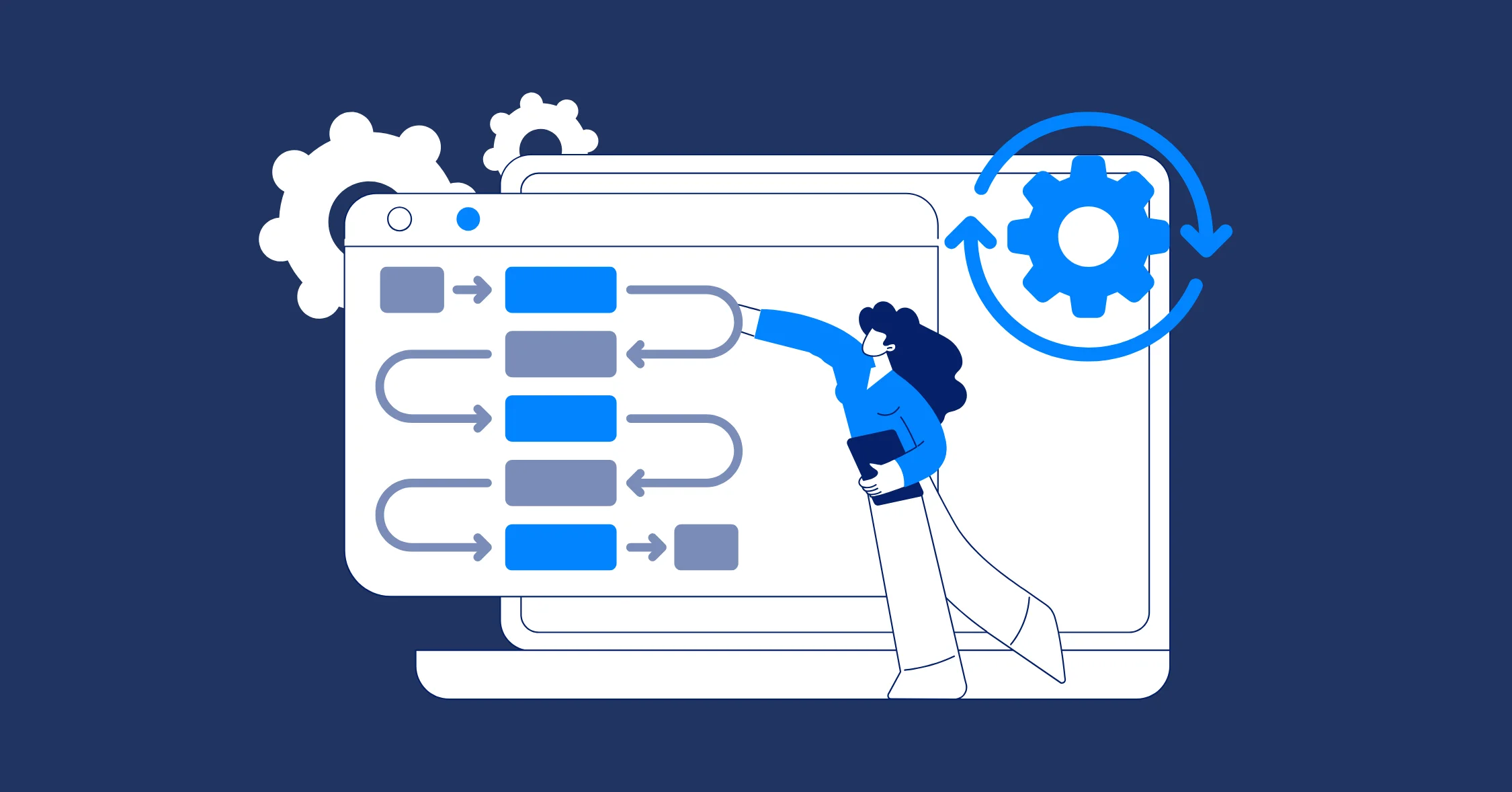
- Review workflows: Analyze processes to identify bottlenecks, delays, and redundant steps.
- Map value streams: Visualize how work moves through the project to uncover inefficiencies.
- Evaluate activities regularly: Remove tasks and processes that no longer support project goals.
3. Embrace Iterative Development
Rather than delivering everything at once, lean-agile teams work in small increments. Each iteration provides an opportunity to test ideas, gather feedback, and make improvements before moving forward.
Why It Matters
Iterative development reduces risk, improves adaptability, and helps teams respond quickly to changing requirements while continuously delivering value.
How to Apply It
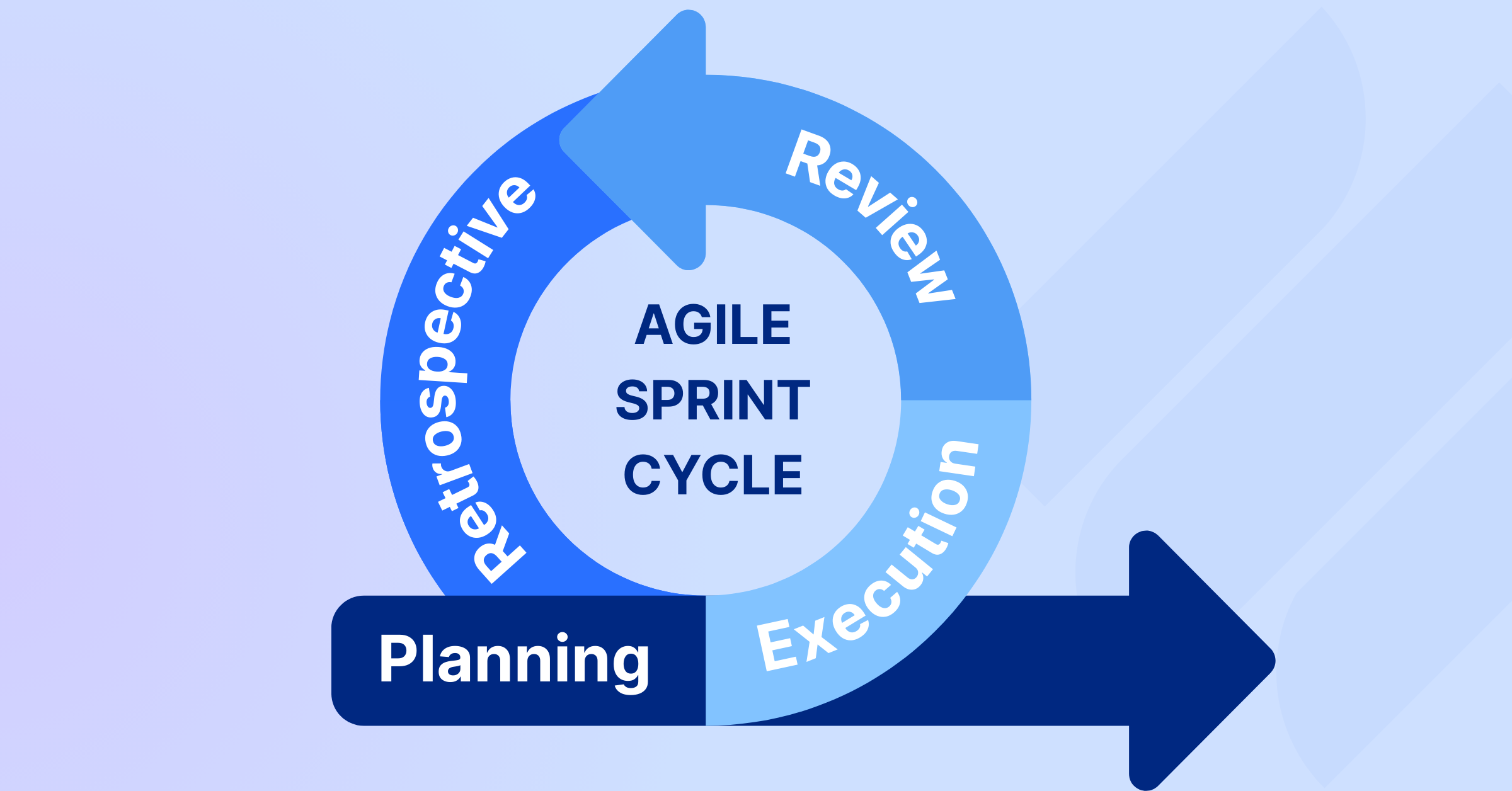
- Break work into iterations: Organize projects into short development cycles with defined goals.
- Review progress frequently: Hold sprint reviews or demonstrations to gather feedback.
- Adjust plans continuously: Use insights from each iteration to refine future work.
4. Empower Your Team
Lean-agile environments encourage teams to make decisions, solve problems, and take ownership of their work. Trust and autonomy enable team members to contribute their expertise more effectively.
Why It Matters
Empowered teams are often more engaged, innovative, and responsive to challenges, leading to stronger project outcomes and higher job satisfaction.
How to Apply It
- Delegate decision-making: Allow team members to make choices within their areas of expertise.
- Encourage ownership: Give individuals responsibility for outcomes, not just tasks.
- Provide support and resources: Equip teams with the training and tools they need to succeed.
5. Foster Continuous Improvement
Continuous improvement encourages teams to regularly evaluate their processes, identify opportunities for growth, and implement incremental changes over time.
Why It Matters
Small improvements made consistently can significantly enhance productivity, quality, and team performance throughout a project’s lifecycle.
How to Apply It
- Conduct retrospectives: Review completed work to identify successes and improvement opportunities.
- Use performance metrics: Analyze data to uncover trends and areas for optimization.
- Encourage experimentation: Test new approaches and adopt practices that improve results.
6. Optimize the Whole System
Lean-agile principles emphasize improving the entire workflow rather than focusing on isolated tasks or departments. Success depends on how effectively all parts of the system work together.
Why It Matters
Optimizing one area without considering the broader process can create bottlenecks elsewhere. A system-wide perspective helps teams achieve better overall performance.
How to Apply It
- Analyze end-to-end workflows: Identify inefficiencies across the entire project lifecycle.
- Improve visibility: Use visual management tools to track work across teams.
- Align stakeholders: Ensure teams and stakeholders share common goals and priorities.
7. Build Quality In
Quality should be incorporated throughout the project rather than inspected at the end. Lean-agile teams focus on preventing issues before they occur and maintaining high standards throughout delivery.
Why It Matters
Building quality into processes reduces rework, lowers costs, and increases customer satisfaction by ensuring deliverables meet expectations from the start.
How to Apply It
- Establish quality standards: Define clear expectations for deliverables and workflows.
- Implement early testing: Identify and address issues as work progresses.
- Promote best practices: Train teams to consistently follow quality-focused processes.
8. Amplify Learning
Learning is a key component of lean-agile project management. Teams are encouraged to experiment, gather insights, and share knowledge to improve future outcomes.
Why It Matters
Organizations that learn quickly can adapt more effectively to changing circumstances, reduce uncertainty, and make better decisions.
How to Apply It
- Run small experiments: Test ideas before committing significant resources.
- Share knowledge openly: Document lessons learned and encourage collaboration.
- Use data-driven insights: Measure outcomes to support continuous learning.
9. Deliver Fast
Lean-agile teams aim to shorten the time between idea and delivery by focusing on the most valuable work and reducing delays throughout the workflow.
Why It Matters
Faster delivery enables teams to gather feedback sooner, respond to market changes more quickly, and provide value to customers on a consistent basis.
How to Apply It
- Prioritize critical work: Focus on features and tasks that provide the greatest value.
- Reduce workflow delays: Eliminate bottlenecks that slow progress.
- Deliver in smaller increments: Release work frequently to accelerate feedback cycles.
10. Respect People
Respect for people is a foundational lean-agile principle. Successful projects depend on collaboration, trust, and meaningful engagement among team members, stakeholders, and customers.
Why It Matters
A culture of respect improves communication, strengthens relationships, and creates an environment where individuals are motivated to contribute their best work.
How to Apply It
- Encourage open communication: Create opportunities for honest feedback and discussion.
- Recognize contributions: Celebrate achievements and acknowledge team efforts.
- Include stakeholders: Involve key participants in decisions that affect project outcomes.
Real-World Example: Applying Lean-Agile Principles
Imagine a marketing agency tasked with launching a new campaign. By applying lean-agile principles, they could:
- Deliver Value First: Focus on creating a core campaign message that resonates with the target audience.
- Eliminate Waste: Cut unnecessary approval steps to speed up content creation.
- Iterate: Launch a small pilot campaign, gather feedback, and refine the message.
- Empower the Team: Let the creative team choose the best visuals and copy.
- Improve Continuously: Review campaign performance weekly to tweak strategies.
This approach ensures the campaign launches quickly, stays within budget, and delivers measurable results.
How TaskFord Supports Lean-Agile Project Management
Applying lean-agile principles requires more than the right mindset. Teams also need tools that help them stay organized, collaborate effectively, and maintain visibility across projects. TaskFord is an integrated work delivery platform designed to support lean-agile practices by helping teams manage tasks, resources, and workflows in one place.
Kanban Boards for Daily Task Management
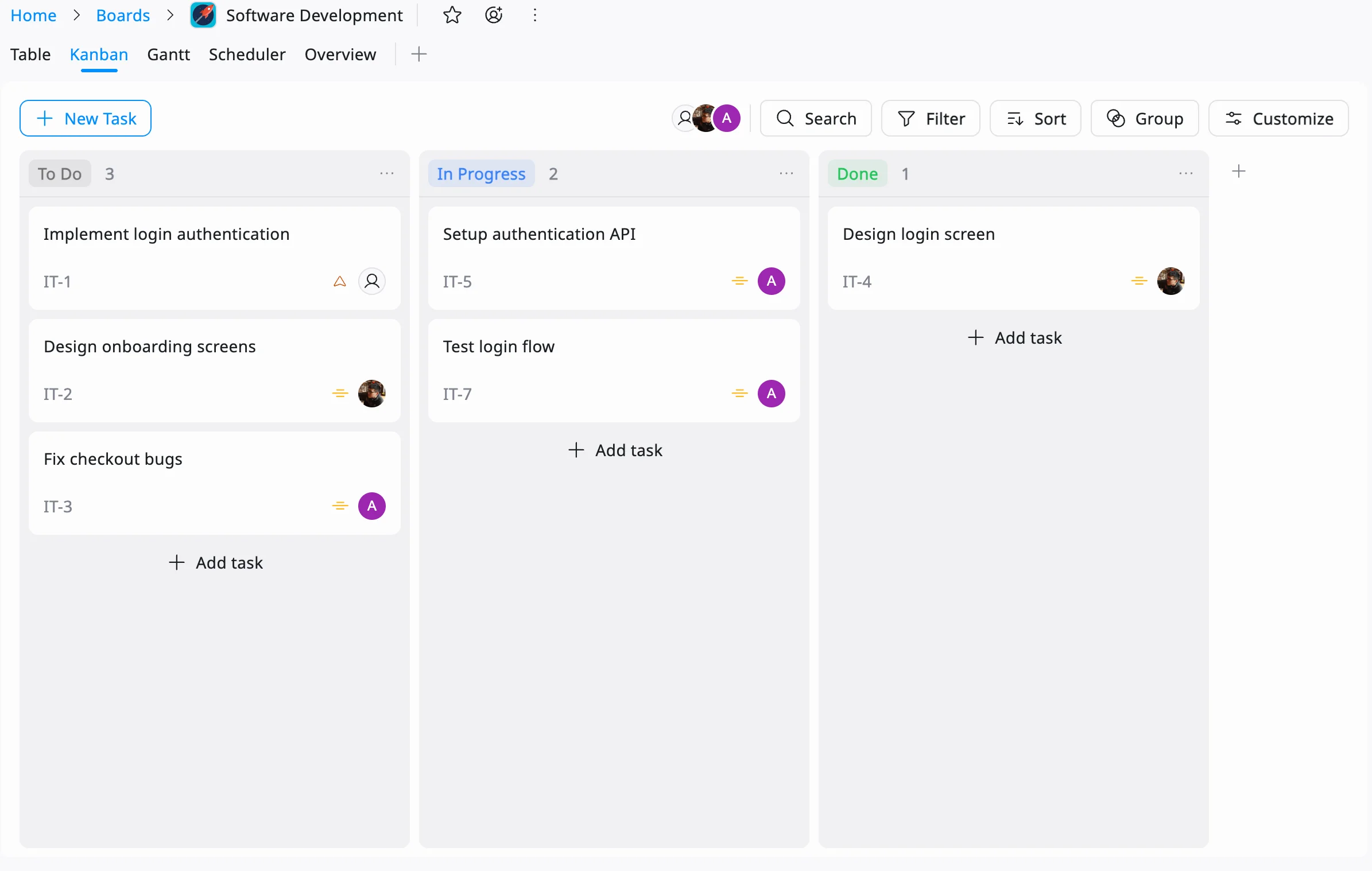
TaskFord’s customizable Kanban boards help teams visualize work, track progress, and identify bottlenecks. By providing a clear view of tasks at every stage, teams can optimize workflows, improve transparency, and support continuous delivery.
Resource Scheduler for Better Resource Allocation
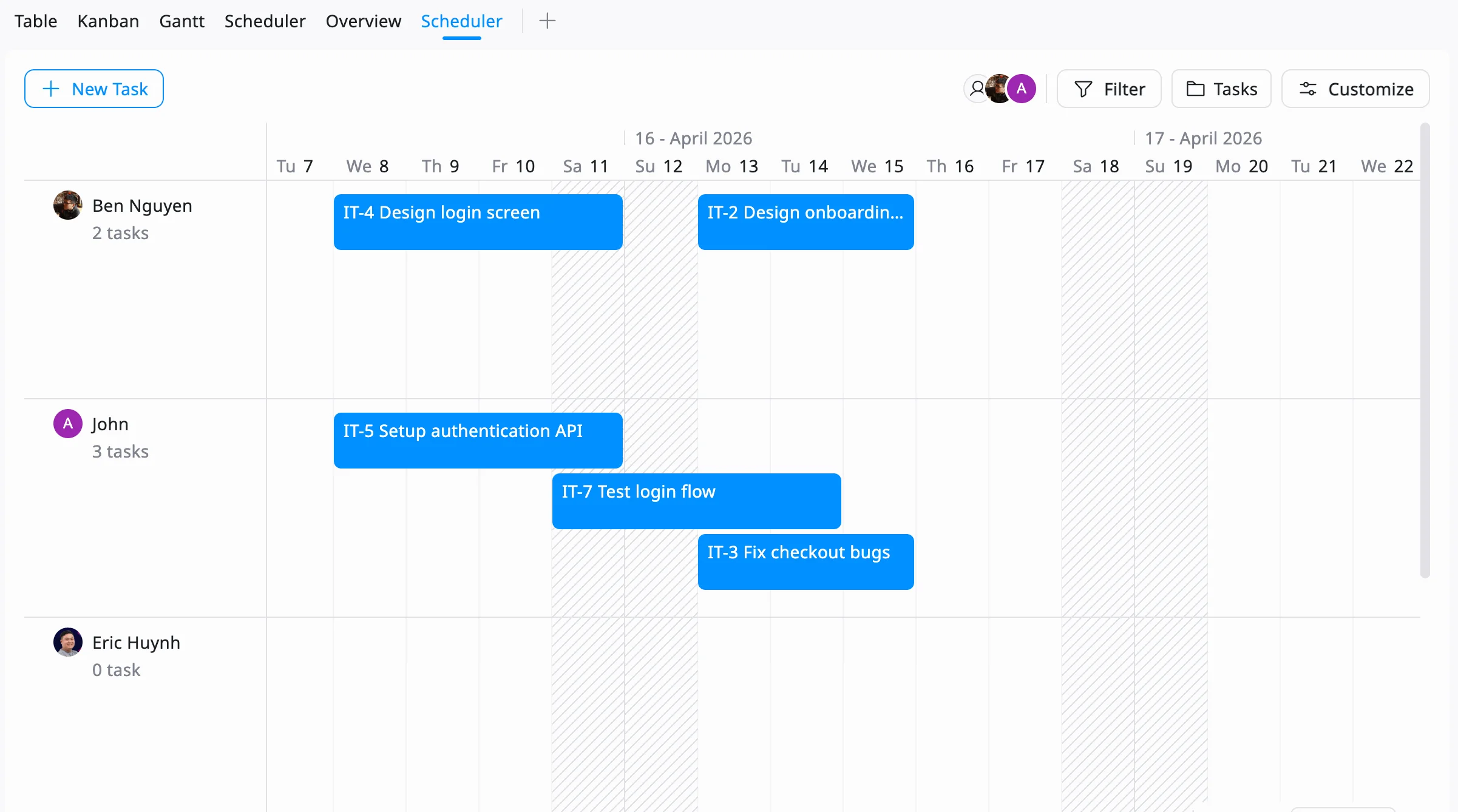
TaskFord’s Resource Scheduler helps managers assign work based on team availability, project timelines, and workload distribution. With a timeline-based view of resources and tasks, teams can quickly identify scheduling conflicts, prevent overallocation, and ensure the right people are assigned to the right work at the right time.
Real-time Visibility and Reporting
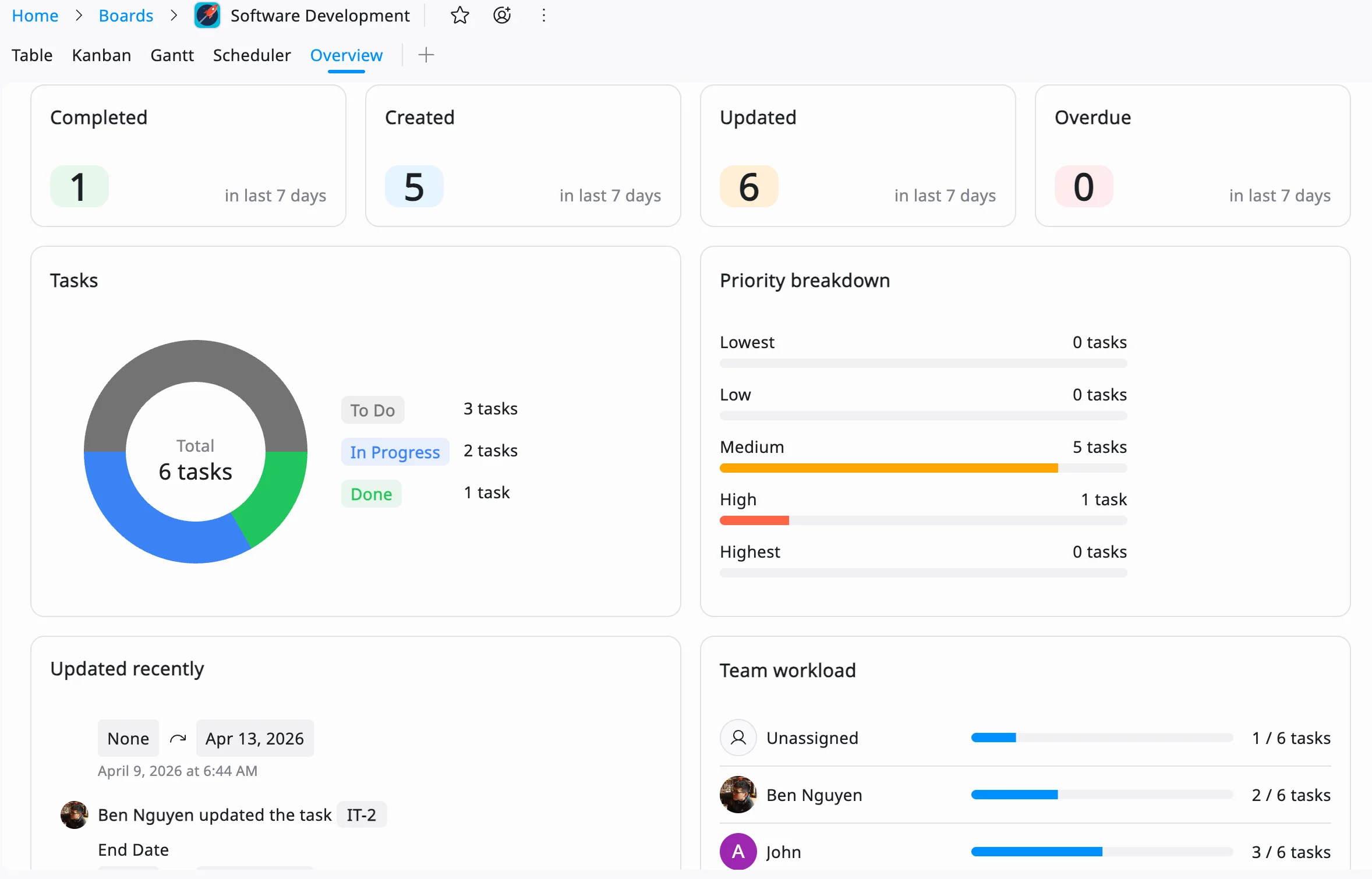
Real-time dashboards and reporting tools provide stakeholders with insights into project progress, workload distribution, and potential risks. This visibility enables teams to make informed decisions and continuously improve their processes.
By combining task management, resource planning, workflow visualization, and collaboration capabilities, TaskFord helps teams put lean-agile principles into practice and deliver value more efficiently.
Conclusion
The 10 core lean-agile principles form a robust framework for modern project management. By embracing these principles, teams can navigate complexity, adapt to change, and deliver exceptional results.
Whether you’re new to lean project management or a seasoned agile practitioner, these principles offer a roadmap to success. Start by applying one or two principles to your next project, measure the impact, and scale from there. With lean-agile project management, you’re not just managing projects, you’re building a culture of efficiency, collaboration, and value.
Learn more
- The Power Of Hybrid Methodology: When Agile Meets Waterfall
- Comprehensive Project Management Guide for Beginners in 2025
- What Does A Project Manager Do? A Guide to Advancing Your Career
Related Articles













How to Build and Manage a Product Roadmap with TaskFord














How to Build a Connected Project Timeline in TaskFord












What Are the Best Jira Alternatives for Scrum Teams?

























How WBS Reveals Delivery Breakdown Before It’s Too Late








![How To Conduct a Profound Stakeholder Analysis [+ Free Template]](/marketing/blog/stakeholder-analysis.webp)

















What to Look for in Scrum Tools (Beyond Kanban Boards)



![Project Management Calendar for Teams and Managers [Free Templates]](/marketing/blog/project-management-calendar.webp)







How to Define Project Deliverables: A Step-by-Step Guide









![RACI Chart in Project Management: Rules & Examples [Free Download]](/marketing/blog/raci-chart.webp)















![7 Must-Have Project Management Documents Every PO Should Know [Free Templates]](/marketing/blog/project-management-documents.webp)











![How to Create a Winning Project Plan for IT Projects [10 Steps Included]](/marketing/blog/how-to-create-a-project-plan.webp)




![Daily Standup Best Practices: Apply AI to Organize Meetings Successfully [2026 Trends]](/marketing/blog/daily-standup.webp)






![How to Create a Project Communication Plan: Step-by-Step Guide [+Free Template]](/marketing/blog/project-communication-plan.png)


![Master Project Procurement Management in 5 Steps [Download a free plan template]](/marketing/blog/project-procurement-management.webp)































Subscribe for Expert Tips
Unlock expert insights and stay ahead with TaskFord. Sign up now to receive valuable tips, strategies, and updates directly in your inbox.