What Is a Bottleneck in Project Management? Signs, Solutions, and Prevention
Discover what a bottleneck in project management is, its signs, solutions, and prevention strategies. Learn practical tips to keep projects on track with this guide.
In project management, even the most well-planned workflows can face unexpected delays. One of the most common, and often overlooked, causes of inefficiency is a bottleneck. But what is a bottleneck in project management, and how can teams proactively identify and manage it?
This article explores the concept of bottlenecks in real-world project settings. You’ll learn how to detect early signs, apply practical solutions, and prevent recurring issues that impact productivity and delivery timelines.
What Is a Bottleneck in Project Management?
A bottleneck occurs when a process, resource, or task limits the flow of work in a project, much like a narrow section of a highway causes traffic to slow. In project management, bottlenecks can arise from limited resources, poor planning, or inefficiencies in workflows. They prevent teams from achieving optimal performance, leading to missed deadlines or budget overruns.
For example, if a single team member is responsible for approving all deliverables, their workload can create a bottleneck, delaying the entire project. Similarly, a lack of critical resources, like software licenses or specialized equipment, can stall progress. Understanding key Project Management Terms like bottlenecks helps project managers identify and address these issues early.
Types of Bottlenecks in Project Management
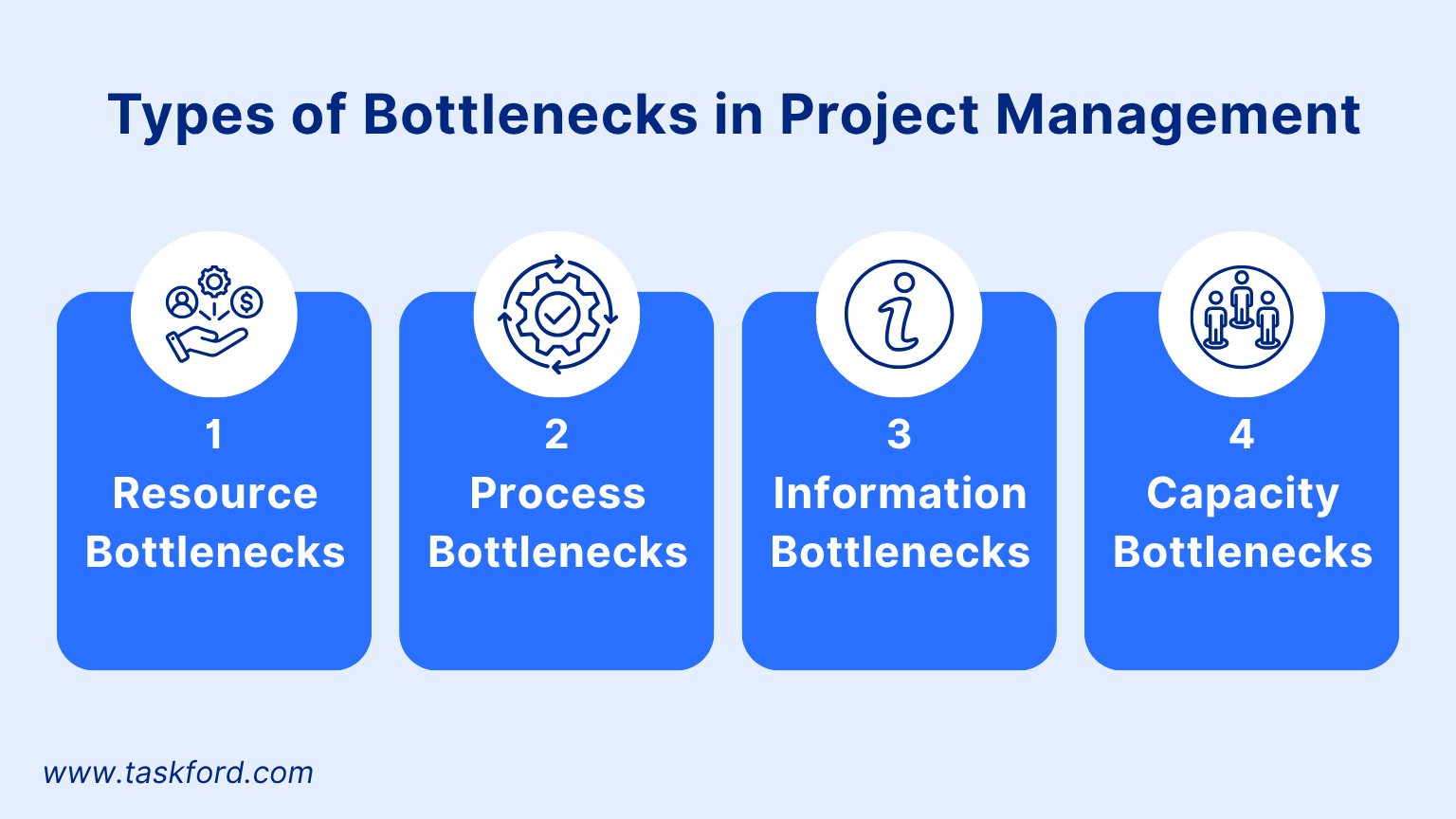
Bottlenecks can be categorized into several types, each with distinct causes:
- Resource Bottlenecks: Limited availability of personnel, equipment, or budget. For instance, a project requiring a specific skill set may stall if only one team member possesses that expertise.
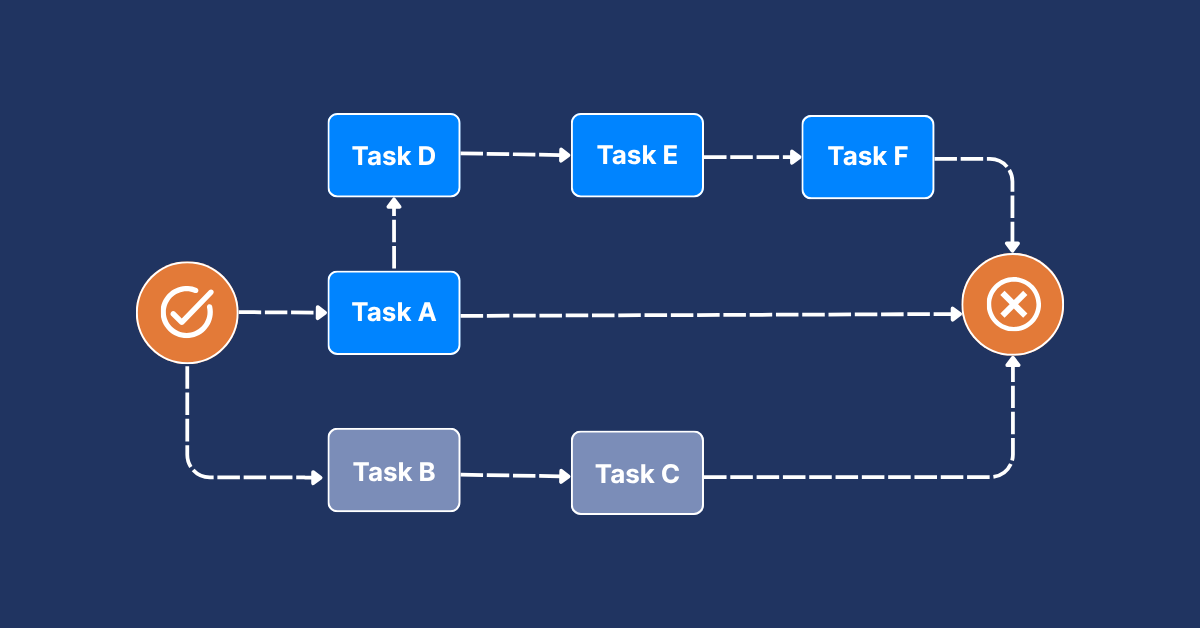
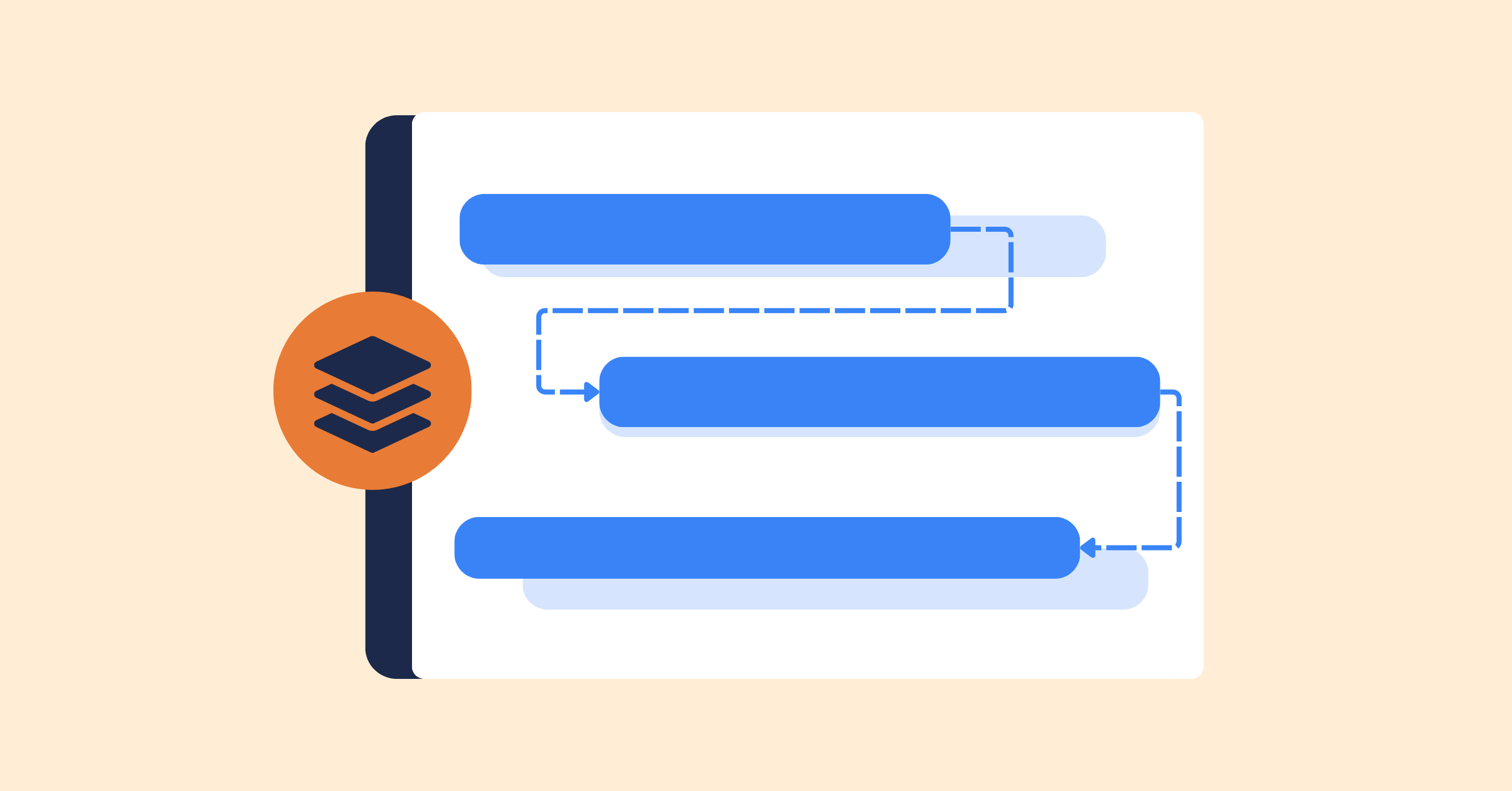
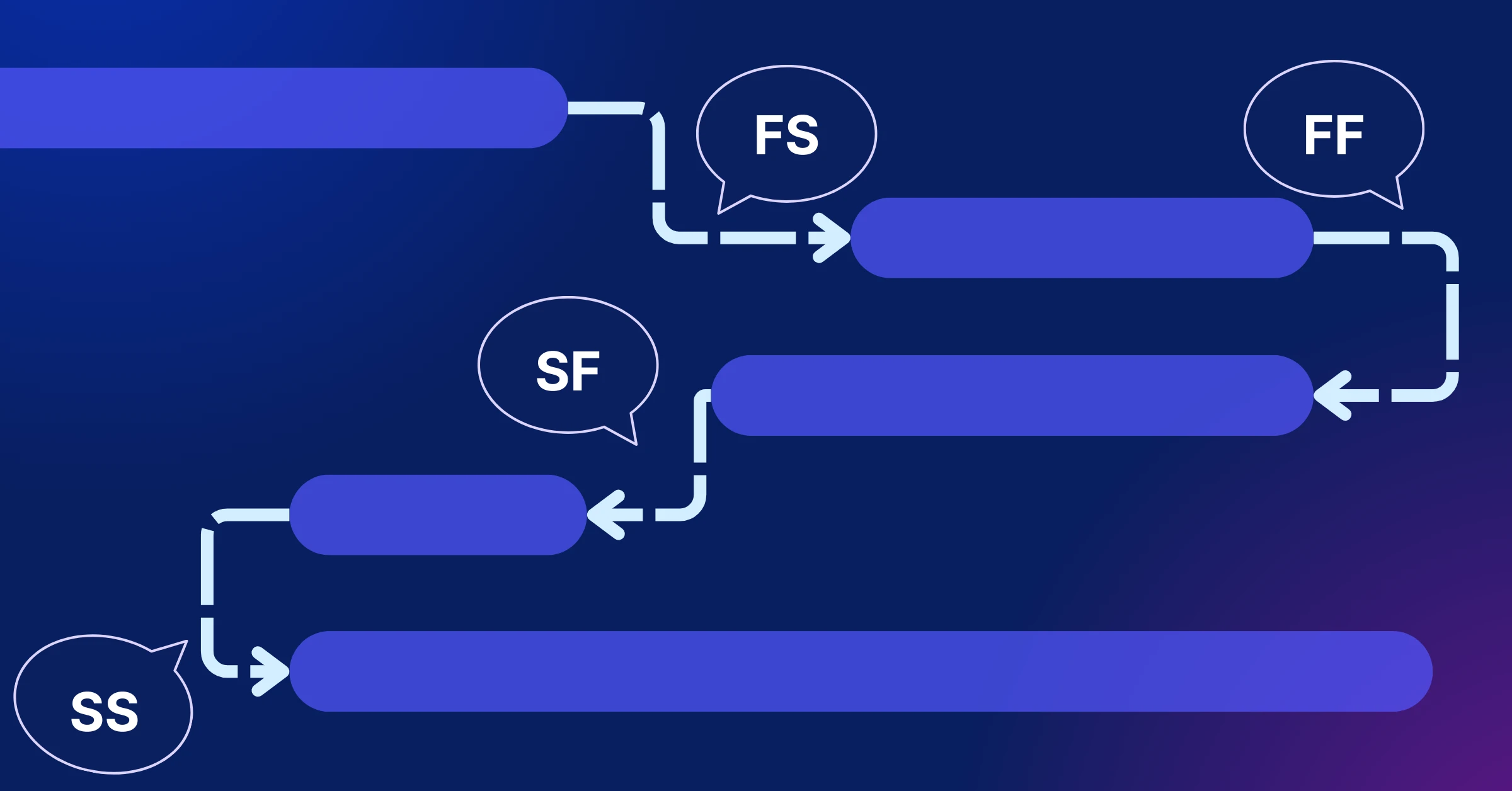
- Process Bottlenecks: Inefficient workflows or dependencies. A task that cannot start until another is completed can create a choke point if the preceding task is delayed.
- Information Bottlenecks: Delays caused by slow communication or lack of access to critical data. For example, waiting for stakeholder feedback can hold up progress.
- Capacity Bottlenecks: When a team or system is overloaded, such as a server unable to handle increased data processing demands.
Recognizing the type of bottleneck is the first step to resolving it, as each requires a tailored solution.
Signs of a Bottleneck in Project Management
Identifying bottlenecks requires careful observation and analysis. Here are some of the most common signs of bottlenecks in project management:
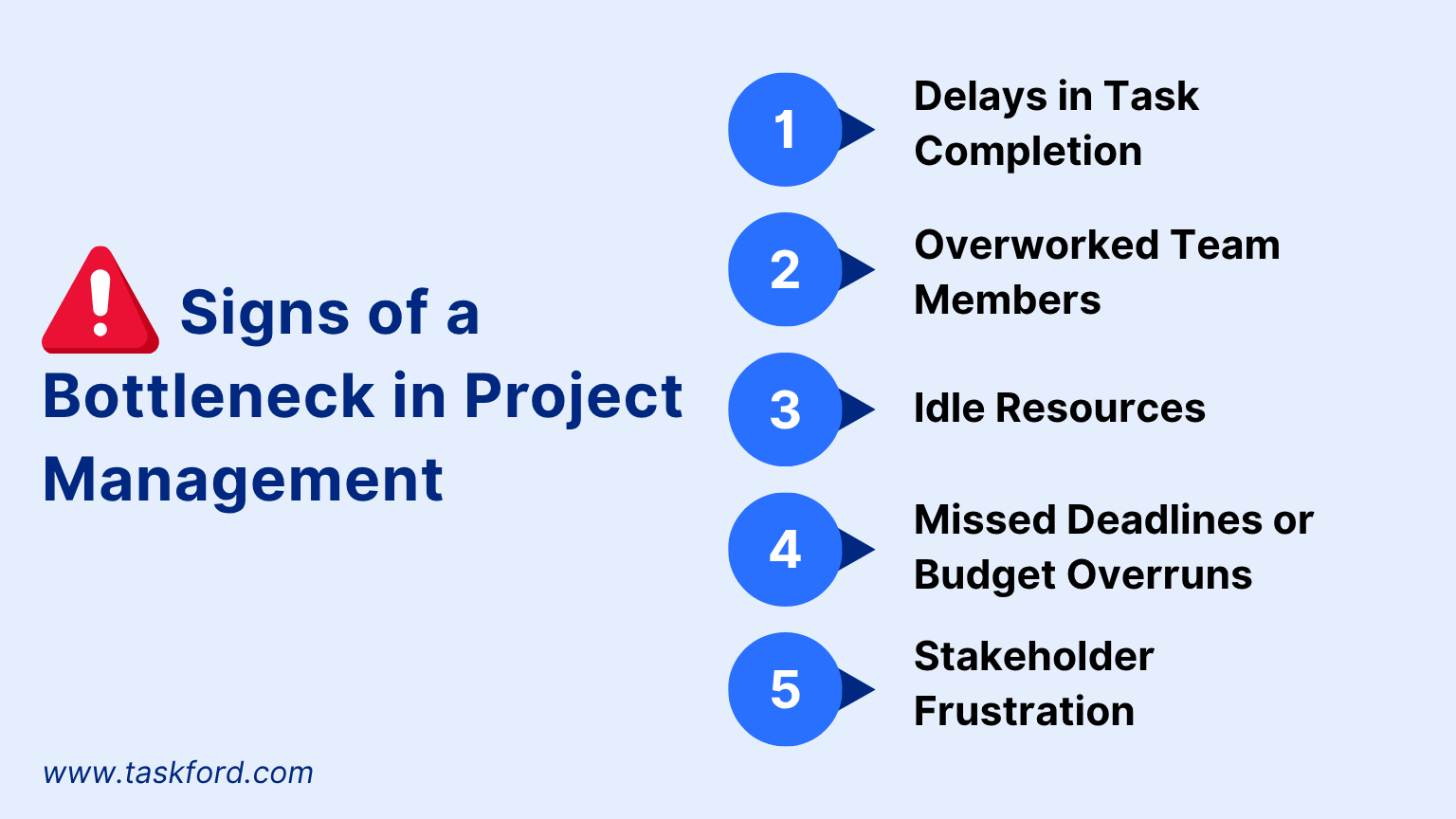
1. Delays in Task Completion
When tasks consistently take longer than planned, it may indicate a bottleneck. For example, if a development team is waiting for a designer to complete mockups, the delay in design becomes a bottleneck.
2. Overworked Team Members
If specific team members are consistently overloaded while others are underutilized, this suggests a resource bottleneck. Uneven workload distribution often points to a dependency on a single person or role.
3. Idle Resources
When parts of the team or equipment are idle, waiting for a preceding task to complete, it’s a clear sign of a process bottleneck. For instance, developers waiting for quality assurance (QA) testing to finish can’t proceed with their next tasks.
4. Missed Deadlines or Budget Overruns
Frequent missed deadlines or unexpected cost increases often result from bottlenecks. These issues indicate that work is not flowing efficiently through the project pipeline. Effective deadline management helps project managers identify schedule risks early and adjust resources or priorities before delays affect the final delivery date.
5. Stakeholder Frustration
When stakeholders or clients express dissatisfaction due to delays or lack of progress, it’s often a symptom of an underlying bottleneck impacting deliverables.
By monitoring these signs, project managers can pinpoint where bottlenecks are occurring and take action before they derail the project.
For a deeper dive into effective project management strategies, check out this comprehensive project management guide.
Solutions to Address Bottlenecks
Once a bottleneck is identified, swift action is needed to restore project flow. Below are practical solutions to tackle common bottlenecks:
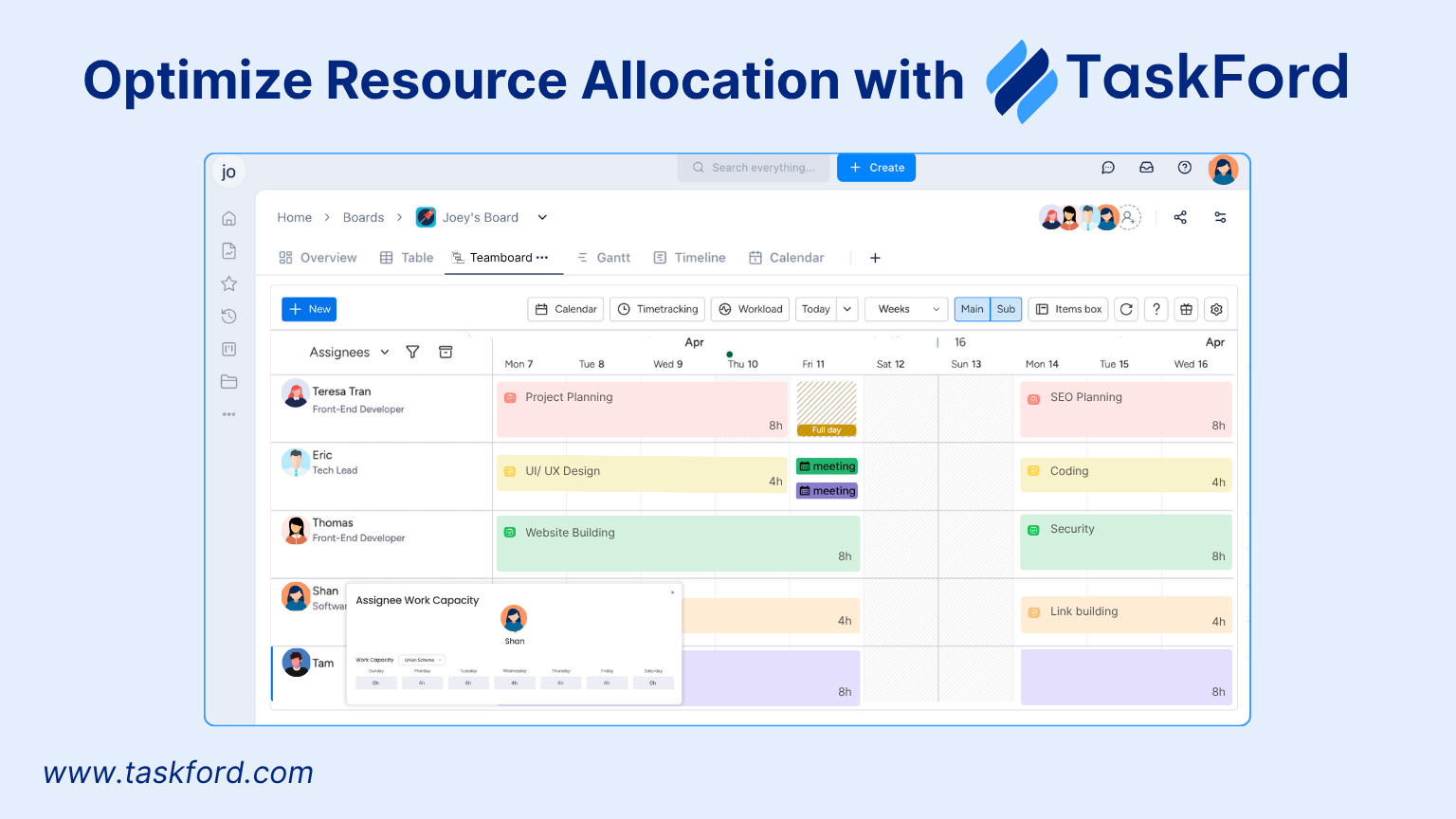
1. Optimize Resource Allocation
Analyze resource usage to ensure tasks are assigned based on availability and expertise. For example, if one team member is a bottleneck due to specialized skills, consider cross-training others or hiring additional support. Tools like resource management software can help balance workloads effectively.
2. Streamline Processes
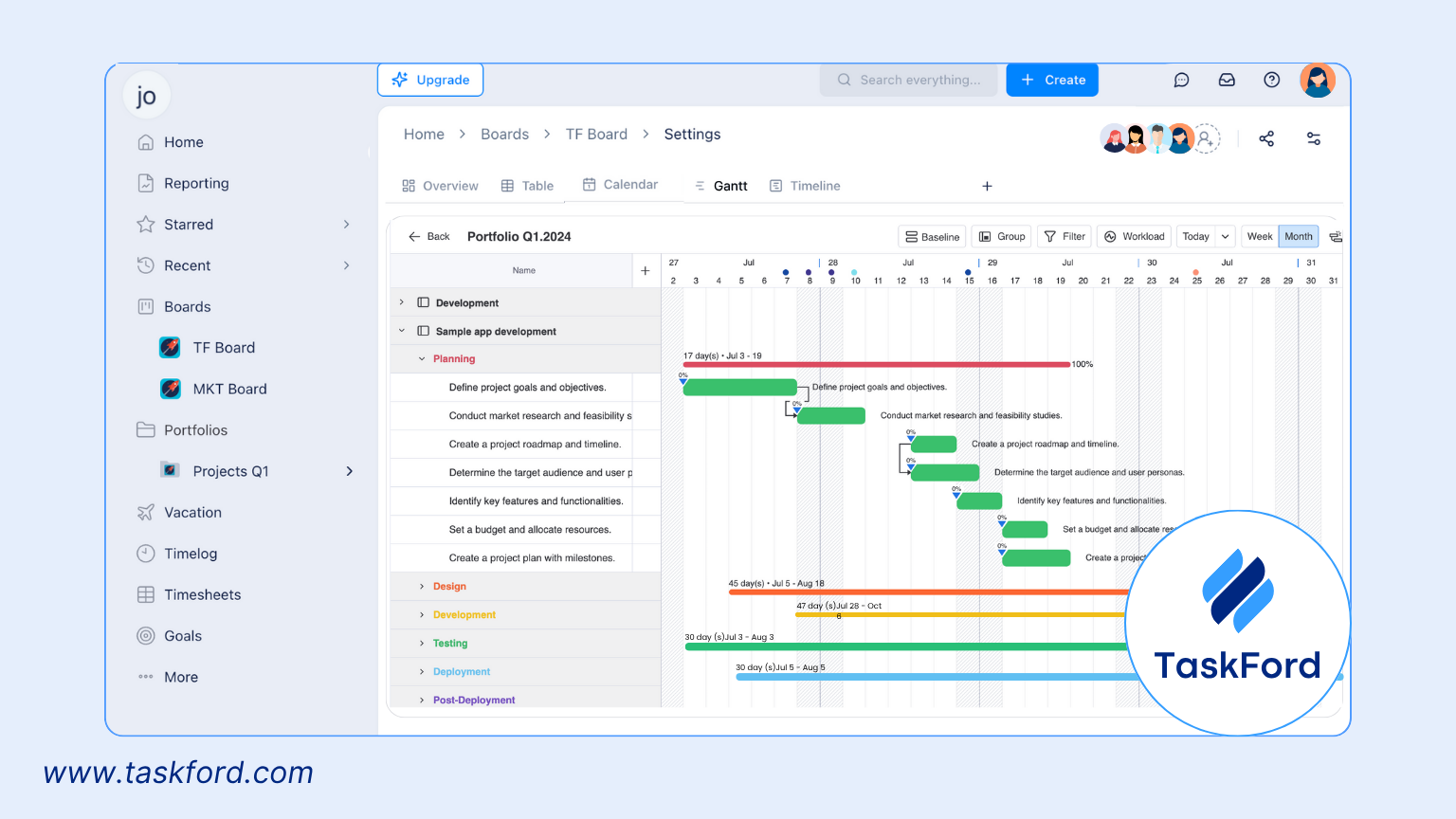
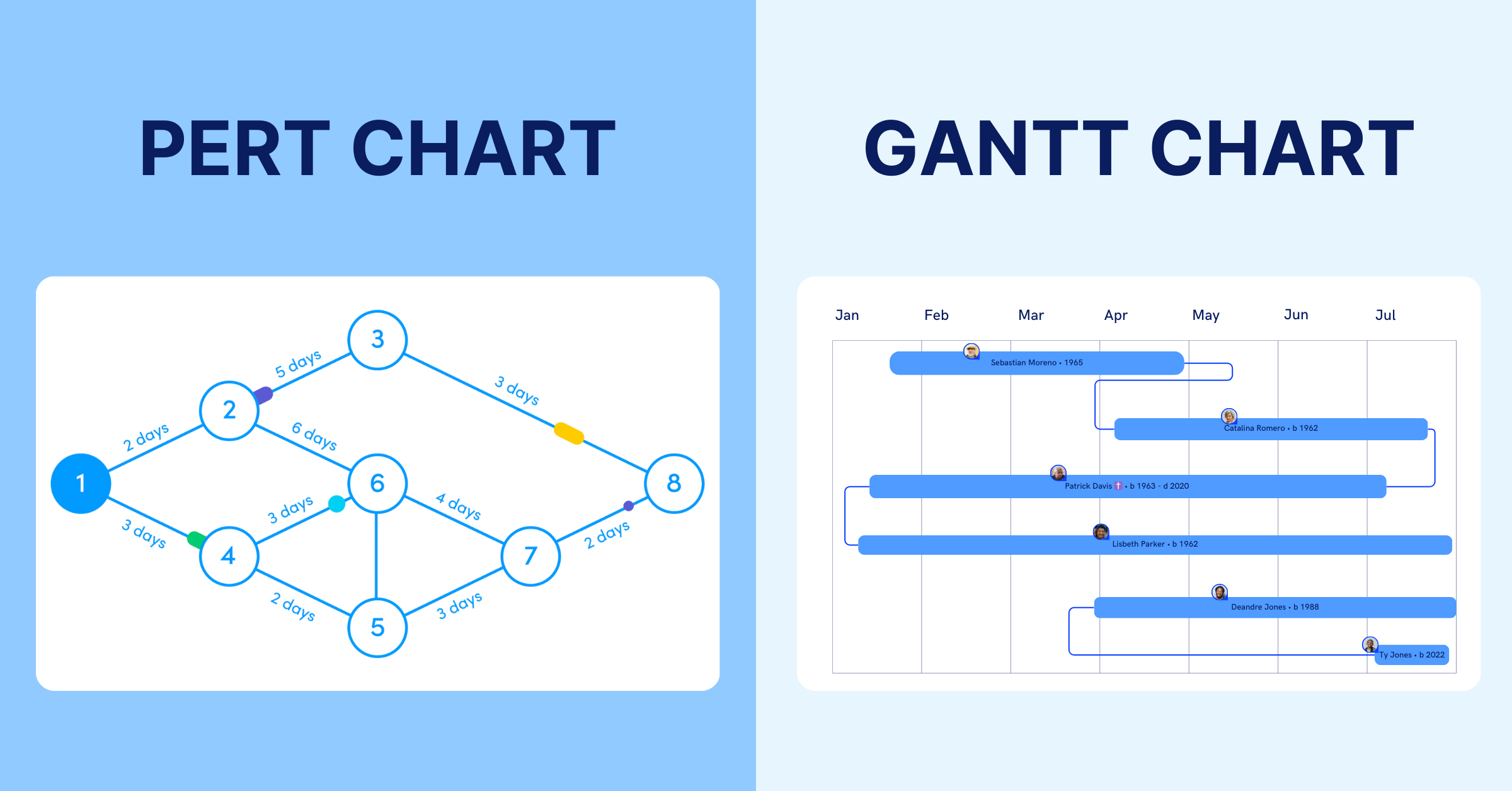
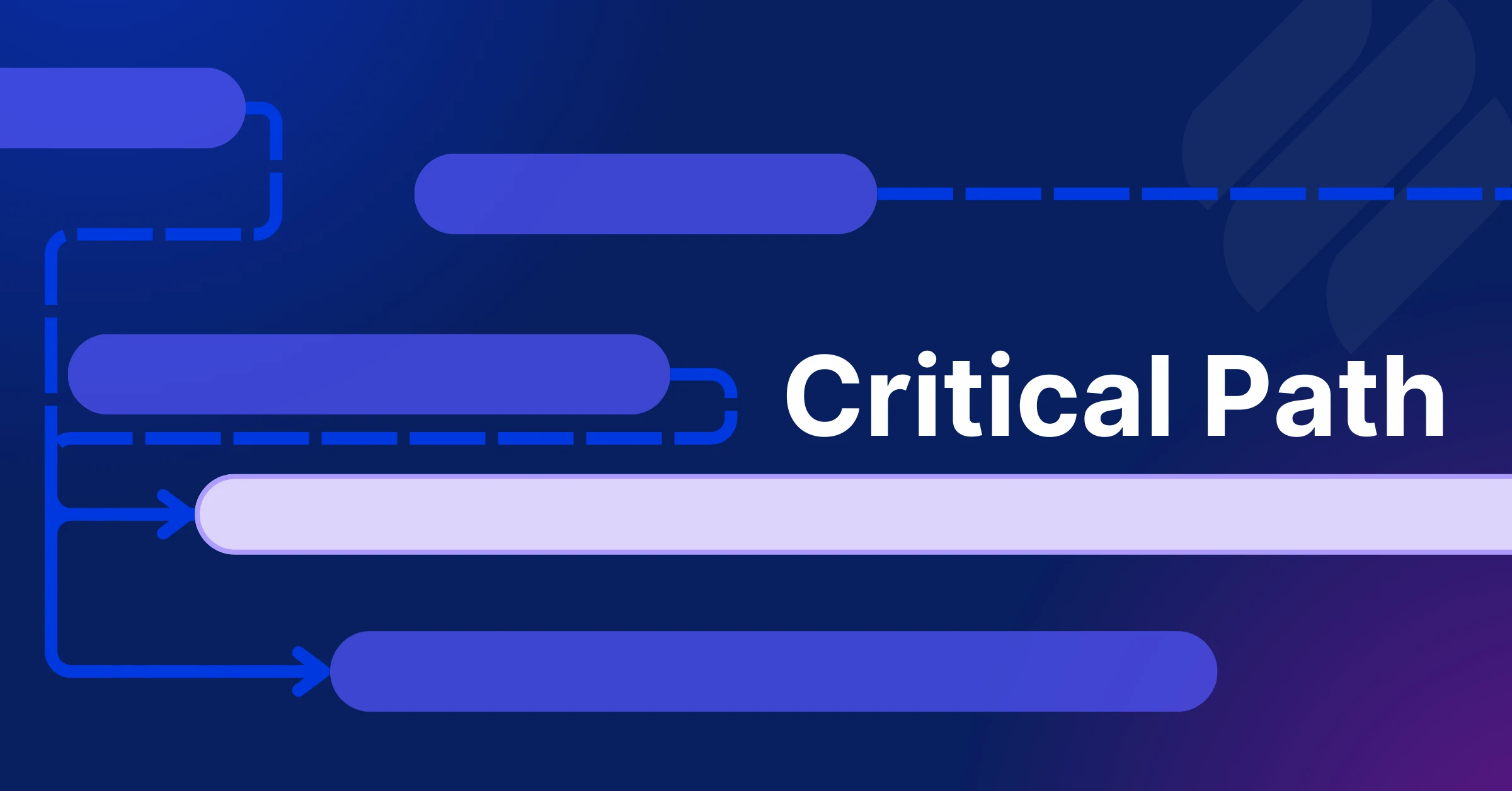
Map out the project workflow to identify dependencies and inefficiencies. Techniques like Critical Path Method (CPM) or Kanban boards can highlight where tasks are getting stuck. For instance, if approvals are slowing progress, consider implementing parallel processes or automating feedback loops.
3. Improve Communication
Information bottlenecks often stem from poor communication. Regular status meetings, clear documentation, and collaboration tools like Slack or Microsoft Teams can keep information flowing. Ensure all team members have access to the necessary data and updates.
4. Increase Capacity
For capacity bottlenecks, evaluate whether additional resources are needed. This could mean investing in more equipment, upgrading software, or expanding server capacity. Addressing these constraints ensures smoother project execution and prevents delays caused by overloaded systems or teams.
5. Prioritize Tasks
Use prioritization frameworks like MoSCoW (Must have, Should have, Could have, Won’t have) to focus on critical tasks and reduce strain on bottlenecked areas. This ensures that high-impact deliverables are completed first, minimizing the ripple effect of delays.
How to Prevent Bottlenecks in Future Projects
Prevention is always better than a cure. By proactively addressing potential bottlenecks, project managers can keep projects on track. Here are actionable steps to prevent bottlenecks:
1. Conduct Thorough Planning
Detailed planning at the project’s outset can prevent many bottlenecks. Use tools like Work Breakdown Structure (WBS) to break tasks into manageable pieces and identify potential choke points. Ensure all dependencies are mapped out and accounted for in the timeline.
Establishing clear scope control also helps prevent unplanned requirements from increasing workloads and creating new resource or process constraints.
2. Use Project Management Tools
Leverage software like TaskFord, Asana, Trello, or Microsoft Project to monitor progress in real-time. These tools provide visibility into task statuses, resource allocation, and potential delays, allowing managers to address issues before they become bottlenecks.
3. Balance Workloads
Regularly review team workloads to ensure no individual or resource is overburdened. Resource leveling techniques can help distribute tasks evenly, reducing the risk of resource bottlenecks.
4. Foster a Collaborative Culture
Encourage open communication and collaboration among team members. Regular check-ins and feedback loops can prevent information bottlenecks and ensure everyone is aligned on project goals.
5. Monitor and Adjust in Real-Time
Implement continuous monitoring to catch bottlenecks early. Use Key Performance Indicators (KPIs) like task completion rates or resource utilization to track progress. Adjust plans as needed to maintain workflow efficiency.
6. Invest in Training
Equip your team with the skills needed to handle critical tasks. Cross-training reduces dependency on single individuals, mitigating resource bottlenecks. For example, training multiple team members in a specialized tool can prevent delays if one person is unavailable.
The Role of Technology in Managing Bottlenecks
Technology plays a pivotal role in both identifying and resolving bottlenecks. Project management software provides data-driven insights into workflow inefficiencies, while automation tools can streamline repetitive tasks. For instance, automating status updates or approval processes can reduce information bottlenecks significantly.
Additionally, advanced analytics and AI-driven tools can predict potential bottlenecks by analyzing historical project data. For more on how artificial intelligence is transforming project efficiency, explore this blog on AI in project management.
Conclusion
Bottlenecks can silently derail a project’s timeline and performance. By learning what is a bottleneck in project management, recognizing the early signs, and taking deliberate action, you can improve workflow efficiency and reduce costly delays.
If your team struggles with workflow visibility or coordination across phases, consider evaluating your current tools and processes. A small fix today can prevent weeks of disruption down the line.
Related Articles















How to Build and Manage a Product Roadmap with TaskFord














How to Build a Connected Project Timeline in TaskFord












What Are the Best Jira Alternatives for Scrum Teams?

























How WBS Reveals Delivery Breakdown Before It’s Too Late









![How To Conduct a Profound Stakeholder Analysis [+ Free Template]](/marketing/blog/stakeholder-analysis.webp)



















What to Look for in Scrum Tools (Beyond Kanban Boards)


![Project Management Calendar for Teams and Managers [Free Templates]](/marketing/blog/project-management-calendar.webp)







How to Define Project Deliverables: A Step-by-Step Guide









![RACI Chart in Project Management: Rules & Examples [Free Download]](/marketing/blog/raci-chart.webp)

















![7 Must-Have Project Management Documents Every PO Should Know [Free Templates]](/marketing/blog/project-management-documents.webp)










![How to Create a Winning Project Plan for IT Projects [10 Steps Included]](/marketing/blog/how-to-create-a-project-plan.webp)



![Daily Standup Best Practices: Apply AI to Organize Meetings Successfully [2026 Trends]](/marketing/blog/daily-standup.webp)





![How to Create a Project Communication Plan: Step-by-Step Guide [+Free Template]](/marketing/blog/project-communication-plan.png)


![Master Project Procurement Management in 5 Steps [Download a free plan template]](/marketing/blog/project-procurement-management.webp)






























Subscribe for Expert Tips
Unlock expert insights and stay ahead with TaskFord. Sign up now to receive valuable tips, strategies, and updates directly in your inbox.